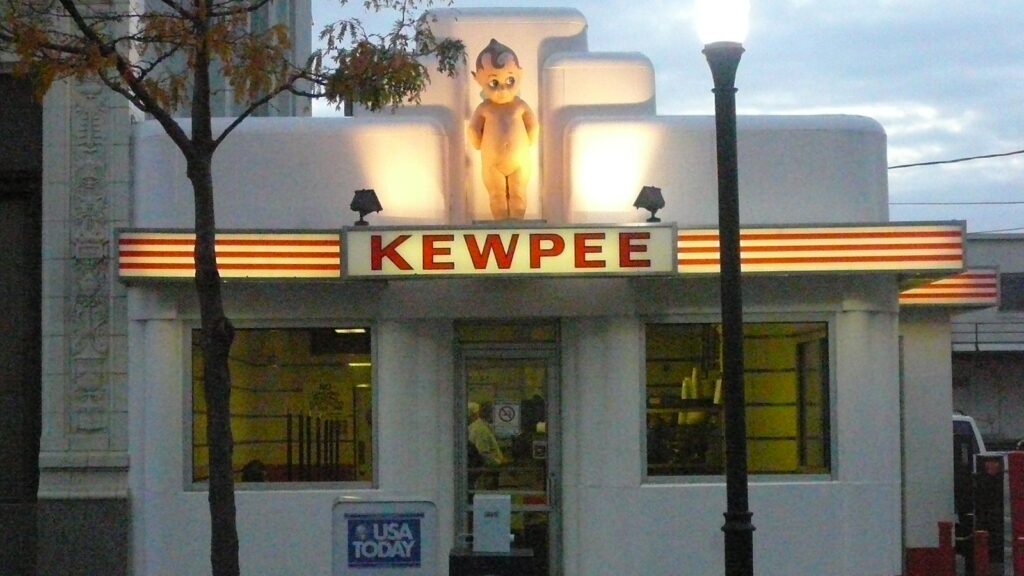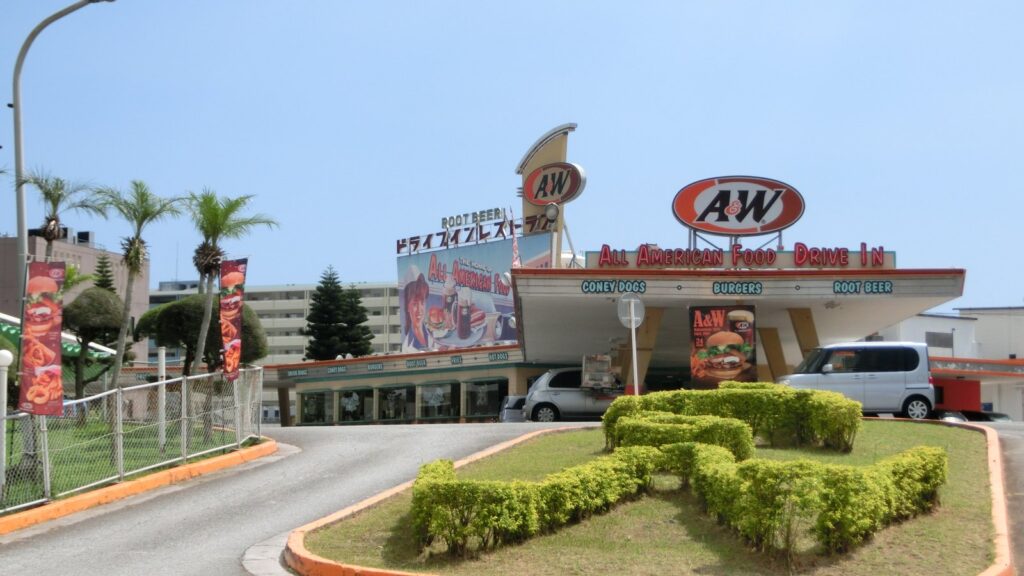
The onions hit the griddle first. A pile of them, sliced thin, hissing in the grease before the meat even comes out of the cooler.
Then the cook presses a ball of beef down into them with a spatula. By the time the bun goes on top, you can’t tell where the onion stops and the burger starts.
That smell used to hang over half the downtowns in America. Most of the little stands that made it are gone now, and a lot of the chains that copied them went too.
We once tracked down the old burger chains still hanging on in a few stray towns. The one-of-a-kind stands are a different story. Each one is one place, one recipe and a lot of stubbornness.
The youngest of these opened in 1959. None of them ever saw a reason to change much.
1. New Haven, Connecticut: Louis’ Lunch still cooks on broilers from 1898
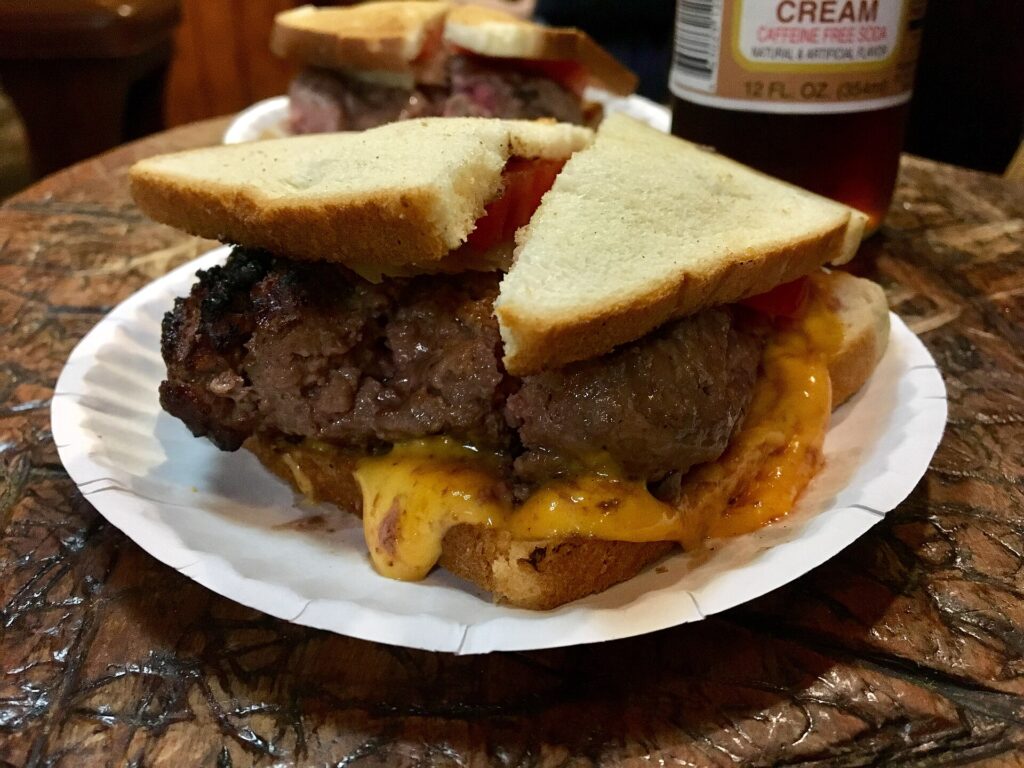
No bun. The burger at Louis’ Lunch comes between two slices of white toast, and the only toppings are cheese spread, tomato and onion.
Louis Lassen, a Danish immigrant, started selling lunch from a wagon in 1895. The family says he made the first hamburger in 1900 for a businessman in a hurry, and in 2000 the Library of Congress recognized that claim. Food historians still argue about it. The meat is a blend of five cuts of beef, and it still cooks in the cast-iron vertical broilers the place got in 1898. The toaster dates to 1929.
The fourth generation of Lassens runs it now. The restaurant moved to 261 Crown Street in 1975, and it traditionally closes for the whole month of August.
Some people say a hamburger needs a bun. Louis’ Lunch has been ignoring them since 1900.
2. Salina, Kansas: The Cozy Inn has fed the town from six stools since 1922
Six stools. That’s the whole dining room at the Cozy Inn on North 7th Street, plus a walk-up window and a few seats outside.
Bob Kinkel started frying small, onion-heavy burgers here in 1922. By the Cozy’s own telling, he got the idea from White Castle, which had opened in Wichita the year before. The burgers cost five cents and were called sliders, probably because they slid down the counter on a square of waxed paper. In the 1930s, when bigger restaurants were closing, the tiny menu and tiny staff kept the Cozy going.
In the 1980s, a downtown renovation nearly turned the spot into parking. After a public outcry, the building was spared and restored. It is open seven days a week.
The city wanted the parking spaces. Salina wanted the onions more.
More from American Charm
 People who still know which back road beats the interstate usually love these 8 Kentucky towns that held on to their history
 People who still order root beer at a walk-up window usually feel at home in these 9 Ohio small towns
 People who still wave at every pickup on a gravel road usually love these 9 Iowa towns that kept their stories
3. El Reno, Oklahoma: The whole town turns out for the fried onion burger
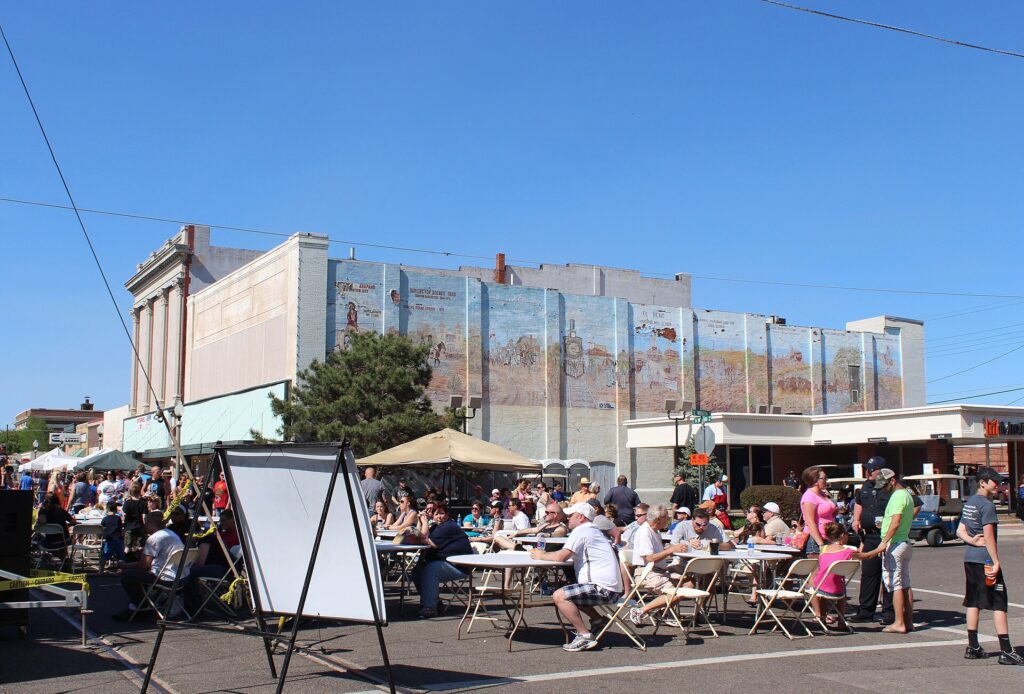
Folding tables fill the street, and the whole downtown smells like grilled onions. El Reno sits on old Route 66, about 25 miles west of Oklahoma City.
The local story goes like this. In the 1920s, the owner of the Hamburger Inn was selling five-cent burgers and needed to stretch the beef, so he pressed a heap of shaved onions into each patty. Whether or not it started that way, the fried onion burger became the town’s dish. El Reno has held Fried Onion Burger Day on the first Saturday in May since 1988.
The centerpiece is one giant burger. The festival says it measures over 8 feet across and weighs more than 850 pounds, and it gets cooked on the street and shared with the crowd. About 17,000 people live here.
The onions started as a way to save money. Now they’re the reason people drive in.
4. Hackensack, New Jersey: White Manna works out of a little diner built in 1939
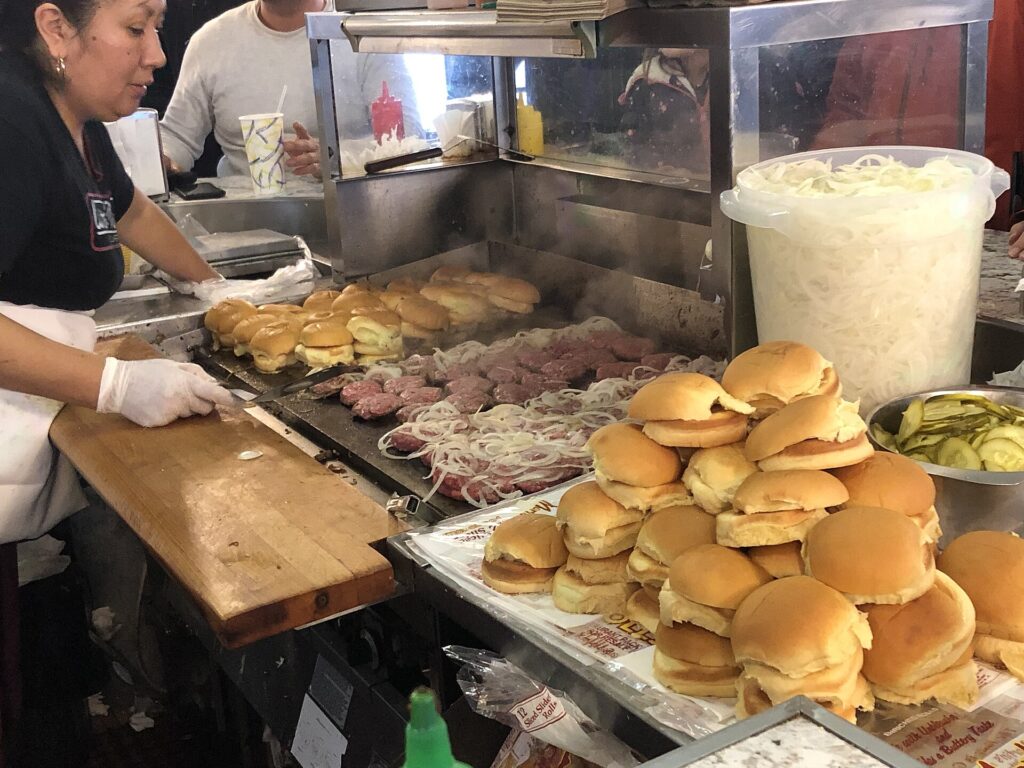
You sit at the counter close enough to watch your burger get made. The grill is right there, covered in onions and rows of little patties.
The diner was built in 1939 by the Paramount Dining Car Company, and it has stood on River Street by the Hackensack River since 1946. The owners trace its roots to the 1939 New York World’s Fair, where a diner like it was shown off as the diner of the future. (One of our small-town diners that rolled out of a factory also came from that fair.) The sliders still go on a Martin’s potato roll with onions and cheese.
It has shown up on Food Network and on Anthony Bourdain’s show, and it still looks like a lunch car.
The fair called it the future in 1939. It turned out to be right.
5. Manchester, Connecticut: Shady Glen fries its cheese until it grows wings
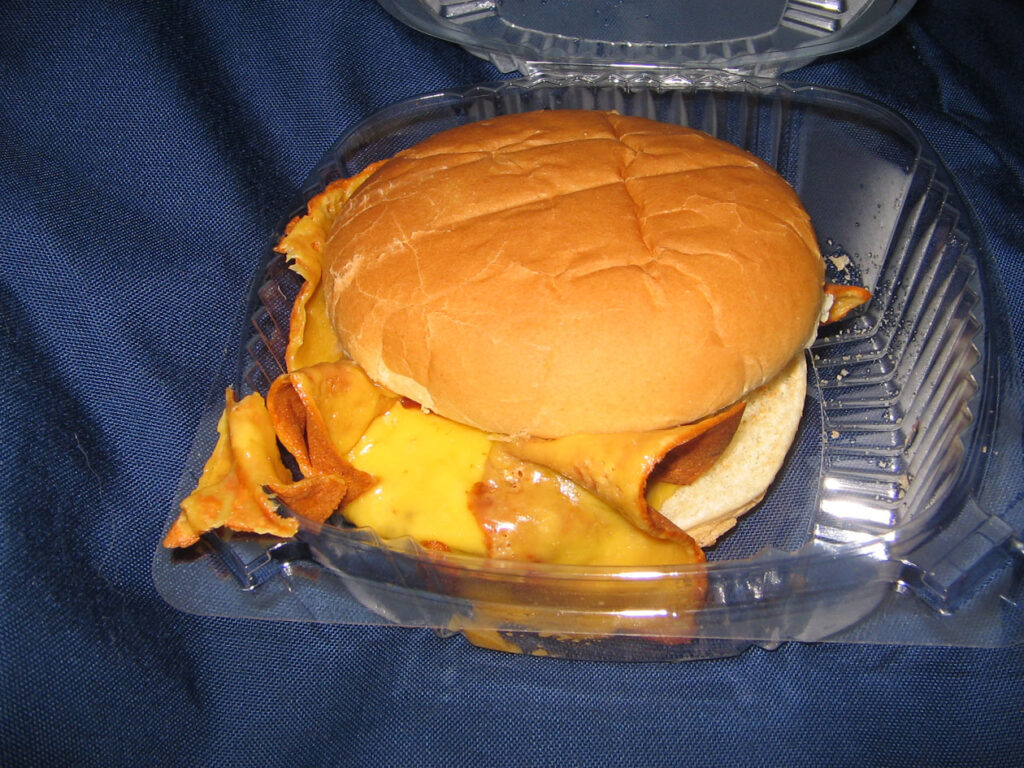
The cheese hangs out past the bun on all four sides, curled and crisp like the edge of a potato chip. It sticks out from under the bun like a crown.
John and Bernice Rieg were dairy farmers who opened Shady Glen near the Manchester and Bolton line in 1948 to sell their ice cream. Ice cream slows down in winter, so they worked on sandwiches. In 1949, Bernice came up with a cheeseburger where the cheese is fried right on the grill until four corners crisp up, and the Bernice Original has been on the menu since. In 2012, the James Beard Foundation named Shady Glen an America’s Classic.
The Riegs are gone now. The family of a cousin who started there as a teenager in 1953 runs it.
It began as a way to get through the slow ice cream months. The burger ended up stealing the show.
More from American Charm
 People who still read the marquee on the way down Main Street usually feel at home in these 9 Pennsylvania small towns
 People who still plan their October around the county fair usually love these 9 Maine towns that never hurried to change
 People who keep Jiffy mix in the pantry usually love these 8 small Michigan towns that kept their old ways
6. Minneapolis, Minnesota: Matt’s Bar puts the cheese inside the burger
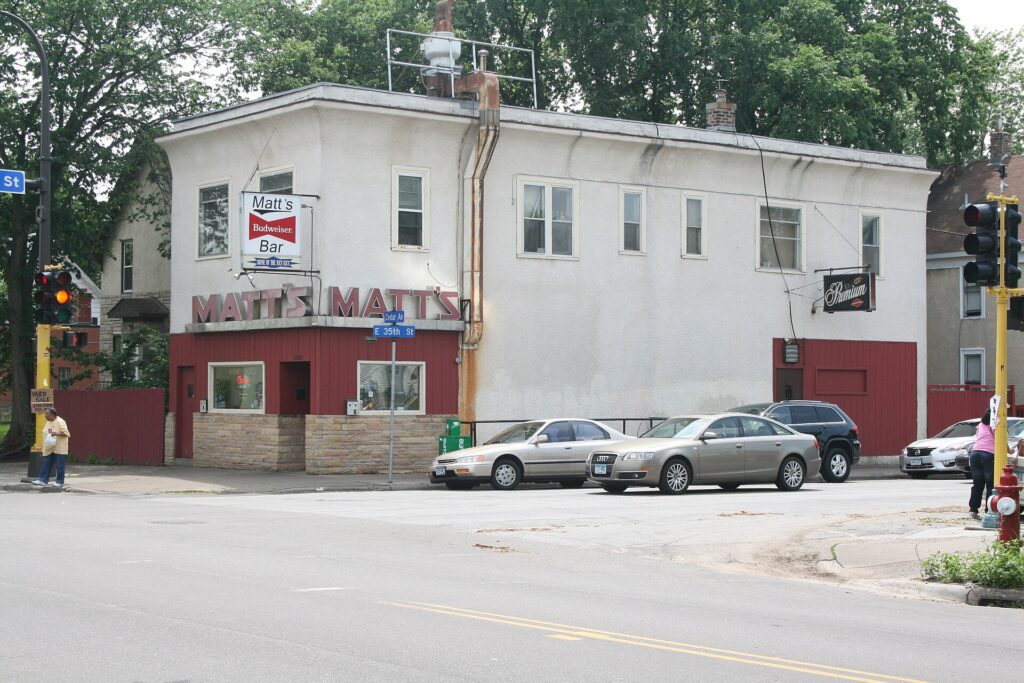
A plain corner bar on Cedar Avenue, with a red sign and a line that forms anyway. People wait for one sandwich here.
Matt Bristol opened Matt’s Bar in 1954. According to the bar, a customer asked for two patties with a slice of cheese sealed in the middle. He bit in and said, “That’s one juicy Lucy.” The menu still spells it Jucy Lucy, without the i. The 5-8 Club, 23 blocks south on Cedar, says it invented the same burger in the 1950s and spells it Juicy Lucy.
The cheese inside comes out molten. Matt’s sells T-shirts that say “Fear the Cheese.” The 5-8 Club sells ones that say “Free the Cheese.”
Two bars still claim the same burger. Minneapolis is happy to eat at both.
7. Meriden, Connecticut: Ted’s has been steaming cheeseburgers since 1959
There’s no grill flame at Ted’s. The burgers cook in a stainless-steel steam cabinet, each patty in its own little tray, with blocks of cheese melting in trays beside them.
Ted opened the place in 1959, when Meriden was a factory town and the shifts ran around the clock, so Ted’s stayed open until 4 in the morning. The fat drains off as the meat steams. Then the cook scoops the patty onto a bun and pours the melted cheese over the top. The factories later moved away, and Ted’s kept going on shorter hours. Ted’s son ran it after him, and in 2007 the son sold it to his nephew, who had worked the counter in high school.
The counter on Broad Street is open every day.
The factory jobs left Meriden. The cheeseburger stayed.
More from American Charm
 People who still send Christmas cards by mail usually fall for these 9 New England towns that keep December old-fashioned
 People who know their mayor by first name usually love these 8 things a small-town mayor can do that a governor can’t
 People who’d pick a creaky floorboard over a keycard usually love these 8 small-town hotels still taking in travelers after 100 years