
The mayor’s pickup is parked outside the hardware store again. Inside, somebody is asking about the stop sign on Elm. Somebody else wants to know when the leaf pickup starts. The mayor answers both questions and still leaves with the right size of furnace filter.
Nobody in town calls it access. It’s just Tuesday.
Most talk about mayors is about the big ones. People write about the big-city mayors who can seem to outrank their governors, with their giant budgets, police forces and press conferences.
The small-town job is stranger than that. Depending on the state, a village mayor might hear traffic cases, break a council tie or win office with a coin flip. One mayor is a dog. Another is the only person living in town.
Governors run whole states. They still can’t do any of this.
1. Minster, Ohio: The mayor can hear your speeding ticket
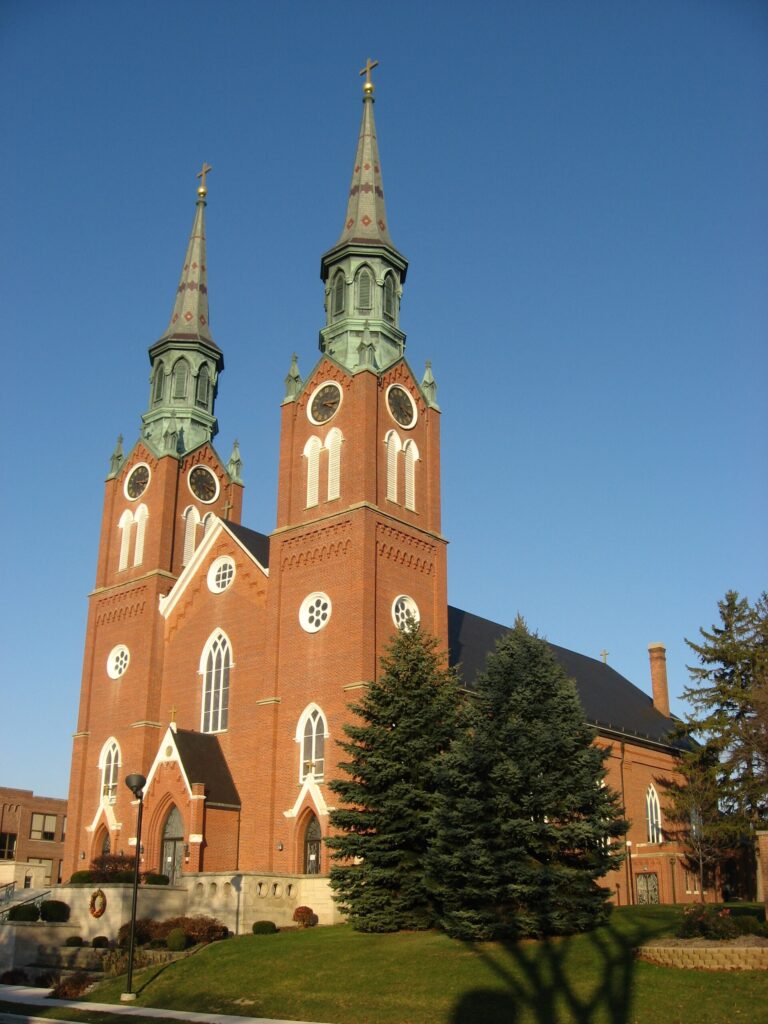
The first and third Tuesdays of the month, 5:30 p.m. That’s when Minster’s mayor’s court is penciled in. It’s often canceled, because nobody needs a hearing.
There’s no jury, no bailiff and no judge. As Mayor Craig Oldiges described it to the local paper in 2025, he sits at a table facing the driver and the officer who wrote the ticket. Most cases are speeding and stop signs. Minster, a village of about 3,000, had 34 new cases in 2024.
Ohio mayors don’t need a law degree for this. They need six hours of classroom training to start and three hours a year after that. About 274 mayor’s courts were active in Ohio in 2024, and Ohio and Louisiana are the only two states that still allow them.
Governors sign the traffic laws. In Minster, the mayor hears what happened at the stop sign.
2. Hillsdale, Michigan: An 18-year-old won the job by three votes
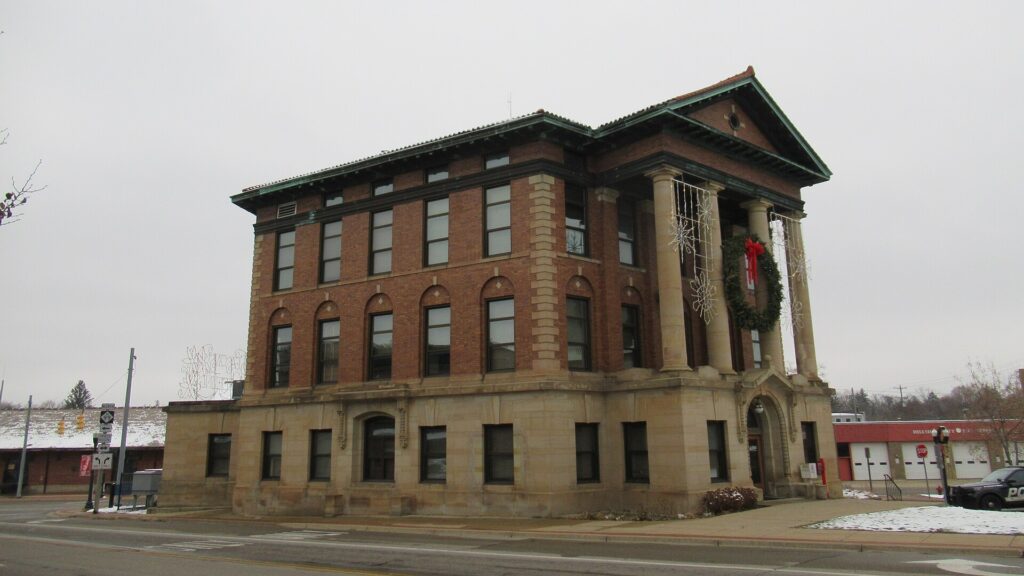
In the fall of 2005, Michael Sessions was a senior at Hillsdale High School. He was too young to make the spring ballot, so he ran for mayor as a write-in. He paid for it with $700 from his summer job.
He won by three votes. One ballot simply read “the 18 year old running for mayor.” The job paid a $250 monthly stipend. He said he’d work after school and use his bedroom as the office.
He couldn’t have run for governor for another 12 years. Michigan’s constitution sets the minimum age for governor at 30. Michigan’s marriage law also lists city mayors among the officials who can perform weddings. Governors aren’t on that list. Sessions performed at least two.
He was too young to buy a beer. He was old enough to marry you.
More from American Charm
 People who still stop for every historical marker usually love these 9 American towns that are smaller than their legends
 People who still pull over for hand-painted billboards usually remember these 8 roadside attractions, and every one is still open
 People who’d rather spend a Saturday on Main Street than at a resort usually fall for these 9 small towns in America’s most beautiful states
3. Monowi, Nebraska: The mayor is also the clerk, the treasurer and the only resident
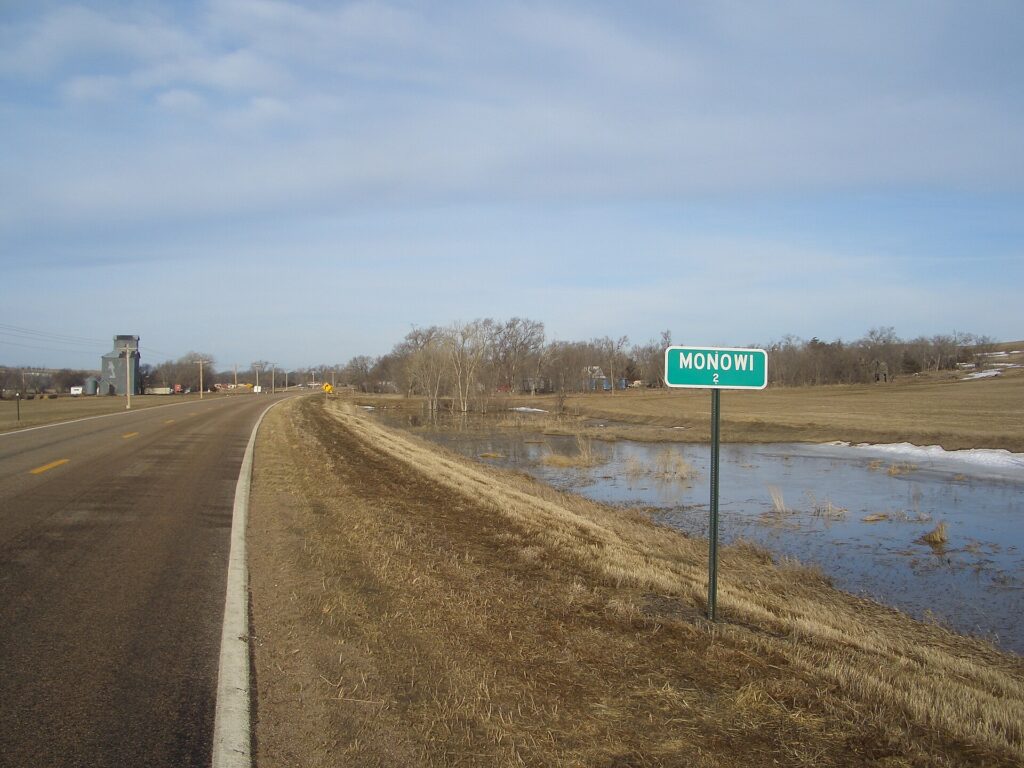
Monowi has a tavern, a library and four streetlights. It has one resident, Elsie Eiler, who turned 93 in October.
She’s the mayor. She has also served as clerk, treasurer and librarian. She writes the permits for her own tavern’s liquor license. Every year she files the village road plan that keeps state money coming for those four streetlights. Monowi peaked at about 150 people in the 1930s.
Her husband, Rudy, died in 2004. That year she opened Rudy’s Library from his book collection, thousands of volumes in a small building across from the tavern. When the 2020 census briefly showed two residents, the Census Bureau said the second one was statistical noise.
A governor needs a whole cabinet. Monowi has Elsie.
4. Magnolia, Ohio: A 1923 silver dollar picked the mayor, twice
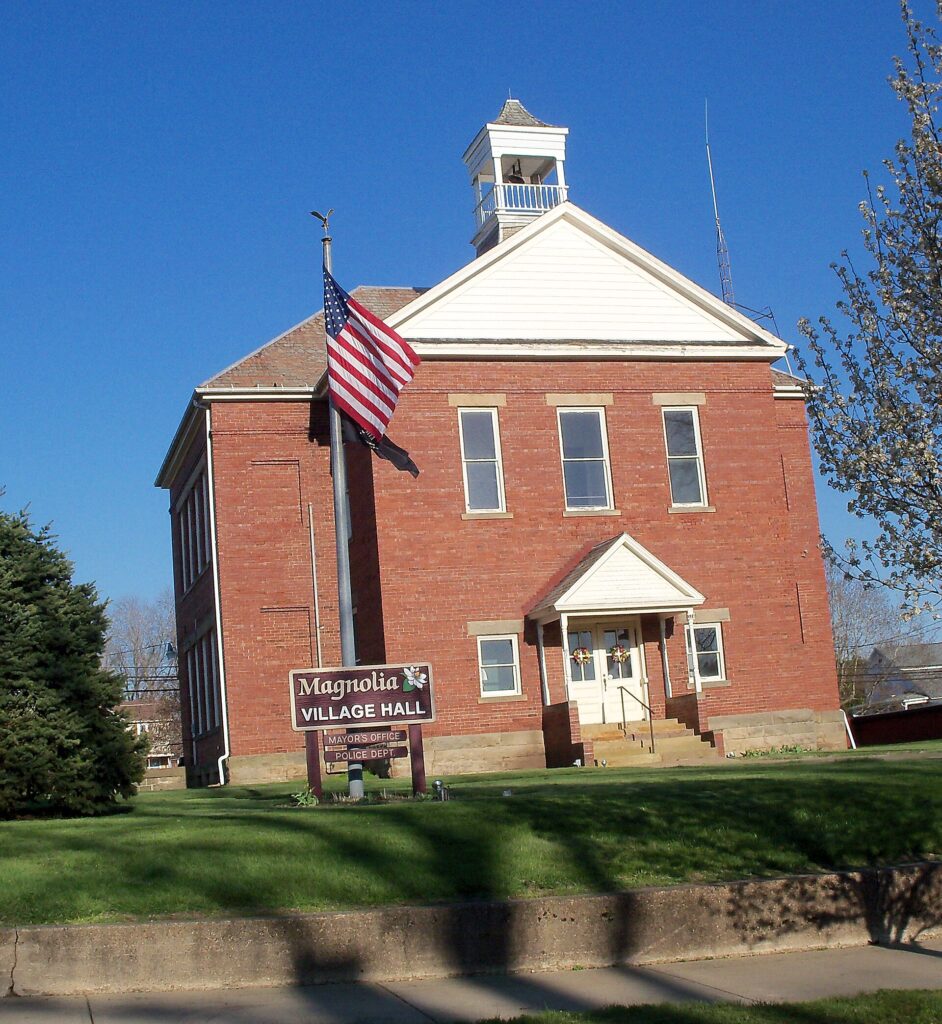
In November 2019, Travis Boyd and Grant Downes each got 127 votes for mayor of Magnolia, a village of about 1,000 on Sandy Creek.
The tie went to a coin toss, with a 1923 silver dollar. Downes flipped it himself. It landed heads, and Boyd became mayor-elect. Boyd said the town was “separated by the side of a coin.”
The same coin had broken a tie in 1979, when Robert Leach first won. Leach went on to serve 10 terms, nine of them unopposed. Boyd was Magnolia’s first new mayor in 40 years.
A governor can’t win that way. If an Ohio governor’s race ever ties, the state constitution sends it to a joint vote of both houses of the General Assembly.
Columbus would settle it with a roll call. Magnolia used a coin from 1923.
5. Rabbit Hash, Kentucky: The mayor is a bluetick coonhound named Boone
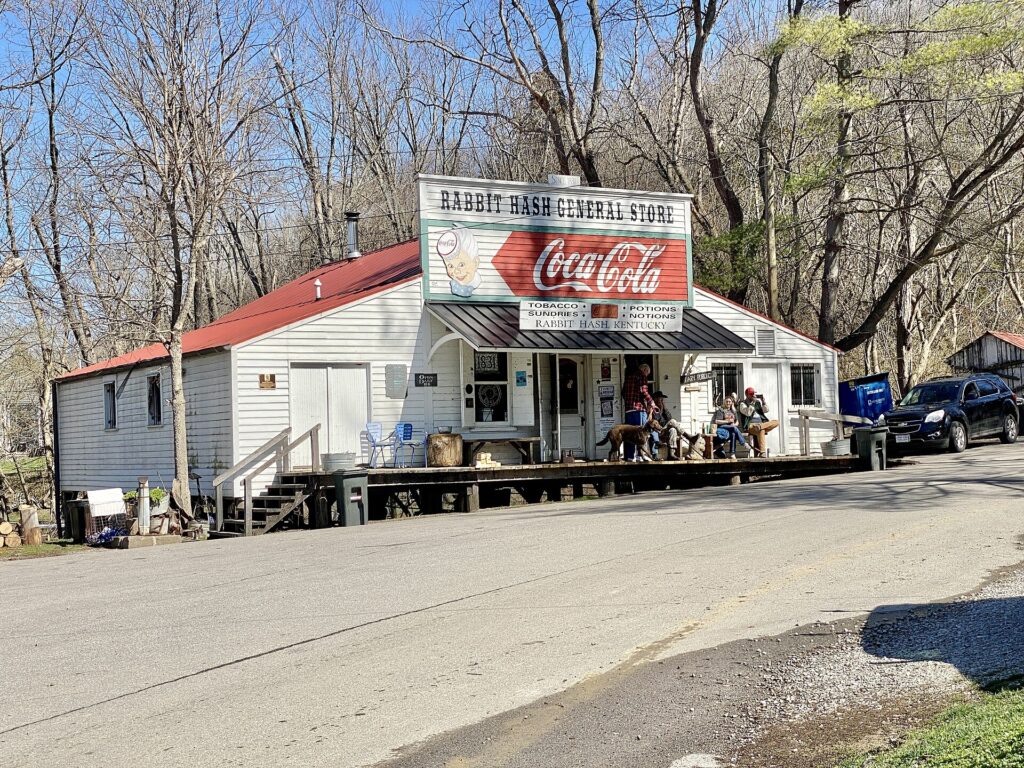
On January 12, 2025, the new mayor of Rabbit Hash was sworn in over a box of Milk-Bones. His name is Boone. He’s a bluetick coonhound.
Rabbit Hash is an unincorporated river hamlet, so the job is honorary. It’s a fundraiser for the Rabbit Hash Historical Society, which looks after the town. Votes cost a dollar each. Boone won in November 2024 with a record 14,162 votes, and the race raised over $26,000. The first dog mayor, Goofy Borneman-Calhoun, took office in 1998.
The money matters. The general store, built around 1831, burned in 2016. The mayor’s race that year raised almost $9,000 toward rebuilding it, and the store reopened on its original foundation in April 2017. It’s still open on Lower River Road.
Most campaigns spend money. This one raises it.
More from American Charm
 People who dug to the bottom of the cereal box for the prize usually remember these 8, and a few are worth real money now
 People who grew up on these 8 foods usually have no idea they originated in America, each in one hometown
 9 small towns in Vermont where a Saturday morning still looks the way it did in 1955
6. Edon, Ohio: The mayor gets a vote only when the council ties

At the September 8, 2021, council meeting in Edon, a resolution recommending zoning changes came up for its third reading. It dealt with how big temporary accessory structures could be. The six council members split, 3 to 3.
That’s when Mayor Duane Thiel got a vote. “I think it should pass,” he said. “We have went through this for months and months. I vote yes.” The resolution passed on his vote.
That’s the rule in Ohio villages. State law says the village mayor presides at every council meeting but has “no vote except in case of a tie.” Edon, population 796, sits about two miles from the Indiana line.
Ohio’s governor can sign or veto what lawmakers pass. The governor never casts a vote with them.
The mayor of Edon mostly listens. Once in a while, he decides.
7. Panguitch, Utah: Nobody runs for mayor with a party label
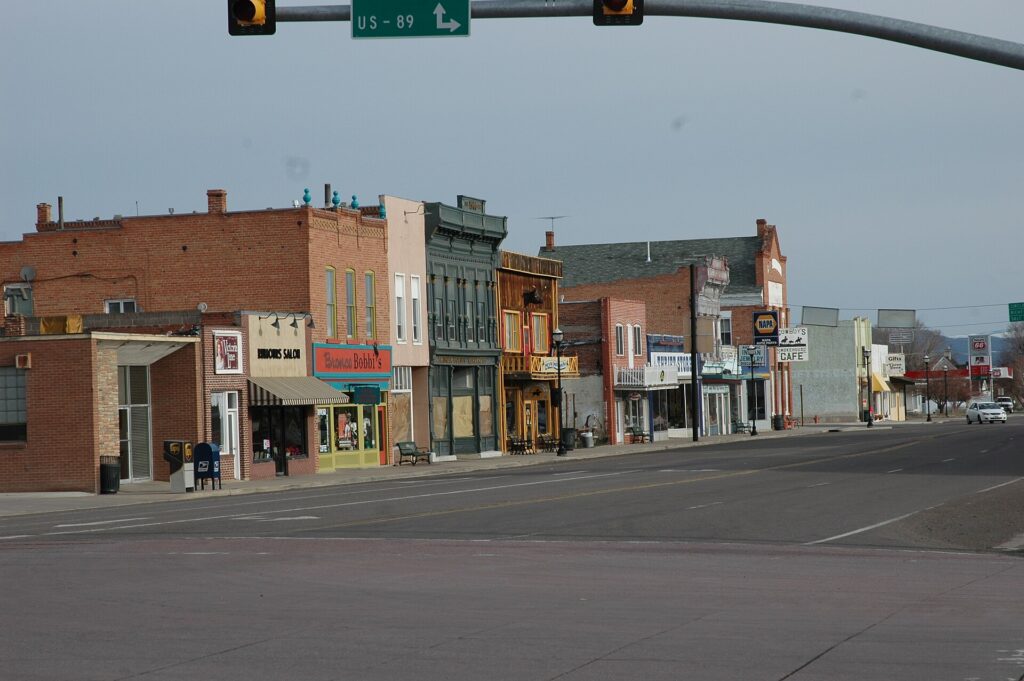
US 89 runs right through the middle of Panguitch, past a row of old brick storefronts. The town has 1,725 people and a mayor.
When Panguitch elects that mayor, nobody’s name has a party next to it. Every city and town office in Utah is nonpartisan, a rule that goes back to statehood in the late 1800s, when reformers distrusted political parties. Supporters say fixing roads and running water lines aren’t partisan jobs.
It isn’t only Utah. The National League of Cities says over three-quarters of all American municipalities hold nonpartisan elections.
The governor’s race works differently. In 2024, Gov. Spencer Cox had to win a Republican primary before he could face a Democrat in November.
The governor needs a party. The water line just needs fixing.
8. Mackinac Island, Michigan: The same mayor has won 51 elections in a row
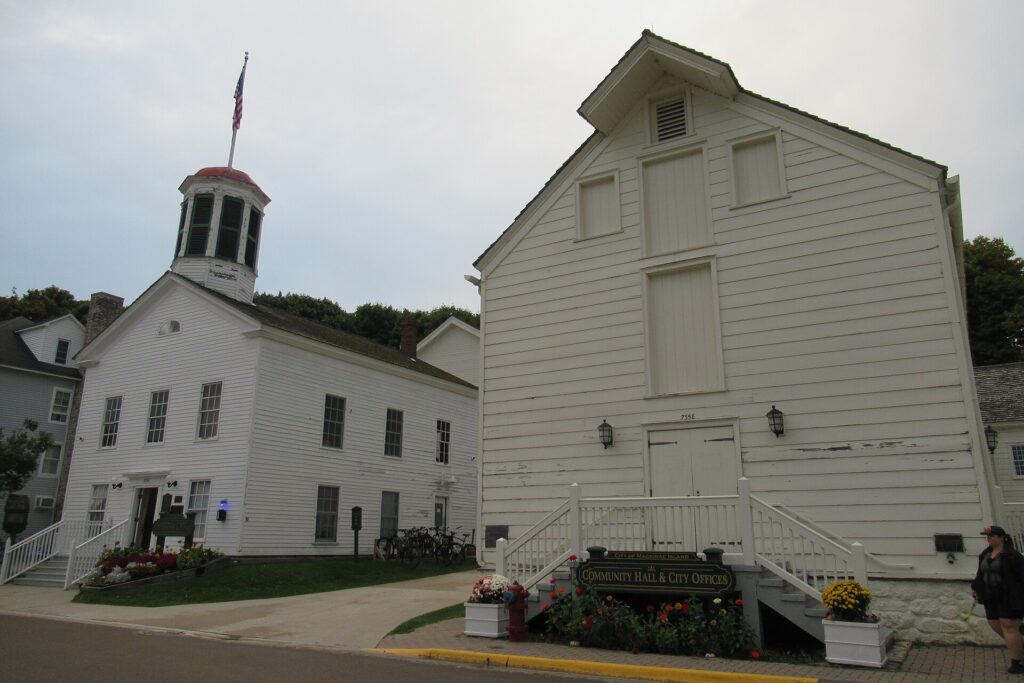
There are no cars on Mackinac Island. The city banned them in 1898, after carriage drivers complained that automobiles spooked their horses.
Margaret Doud has been mayor since April 14, 1975. The island elects its mayor every year, so she has to win again every spring. On May 5, 2026, she won her 51st term with 282 votes, unopposed. The island paper calls her the longest continuously serving mayor in the country. Her father and grandfather held the job before her.
About 600 people live on the island. More than a million visitors come through in a season. Doud also manages the family’s Windermere Hotel.
Michigan’s constitution lets a person be elected governor two times. Doud has been elected mayor 51 times, and the island keeps saying yes.
More from American Charm
 13 Small Towns in New Hampshire Where Main Street Still Looks Like a 1950s Postcard
 15 New Laws Taking Effect January 1, 2027 That Could Change Your Paycheck, Prescriptions and ShoppingPeople who still stop for every historical marker usually love these 9 American towns that are smaller than their legends