The box tips sideways on the kitchen table. One arm goes in up to the elbow, past the flakes, feeling for the crinkle of a paper packet at the bottom. Somebody across the table is already complaining about the mess.
Breakfast could wait. The prize could not.
For decades, cereal makers knew exactly who was reading the back of the box. Some prizes rode inside with the cereal. Others took a box top, a coin in an envelope and a long wait by the mailbox.
They belong with the freebies that once came with everyday products, the small extras that made a purchase feel like a bonus. Most of them were lost, swallowed by the vacuum, cut apart or thrown out by a tidy parent.
That’s exactly why some of them are worth money now. The cereal was never the point.
1. Kellogg’s Pep buttons, 1945: Superman turned up in every single set
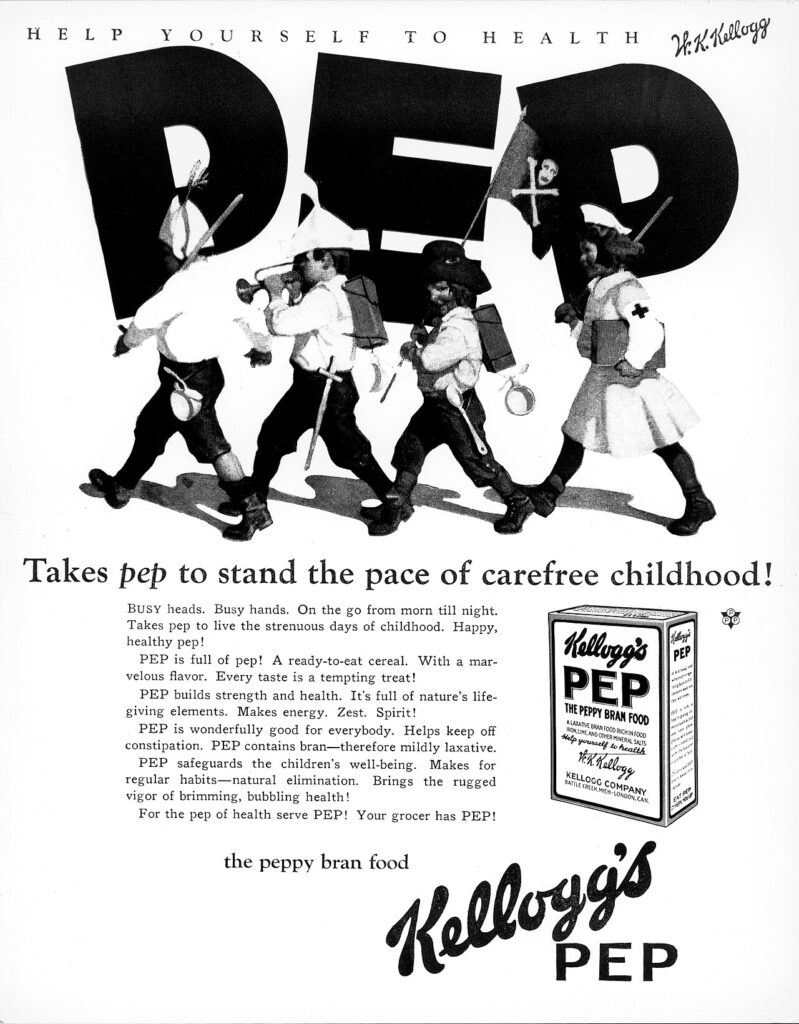
In 1945, a box of Kellogg’s Pep held a tin button less than an inch across, printed with a face from the newspaper comics. Dick Tracy. Popeye. Little Orphan Annie.
Pep had been on shelves since 1923, and each box got one button. Kellogg’s ran five series of 18. Superman appeared in all five, because Pep was tied to his radio show, so the complete run came to 86 different buttons. That’s a lot of breakfasts for anyone trying to finish.
Mint pins have become sought-after collectibles. At Hake’s, the pop culture auction house, complete high-grade sets of all 86 have been listed with estimates of $700 to $1,000.
One button was a toy. Eighty-six of them became an heirloom.
2. The Kix Atomic Bomb Ring, 1947: Real flashes of light for 15 cents and a box top
In early 1947, newspaper ads promised a ring with an “atom chamber” inside. Fifteen cents and a Kix box top brought it to the door. You pulled off the red base, let your eyes adjust to the dark and looked through a tiny lens.
The flashes were real. The ring was a small spinthariscope, in which alpha particles from a trace of polonium struck a zinc sulfide screen and sparked. The instructions promised it was “PERFECTLY SAFE,” according to the radiation museum run by Oak Ridge Associated Universities. It was sold as a Lone Ranger premium, though he was better known for silver bullets.
The glowing material didn’t last, so surviving rings rarely flash now. A boxed one still sold at Hake’s for $172.50 in 2014.
The atom chamber went dark long ago. The price didn’t.
More from American Charm
3. The Kellogg’s baking powder submarine, 1954: It dove and surfaced in the sink on its own
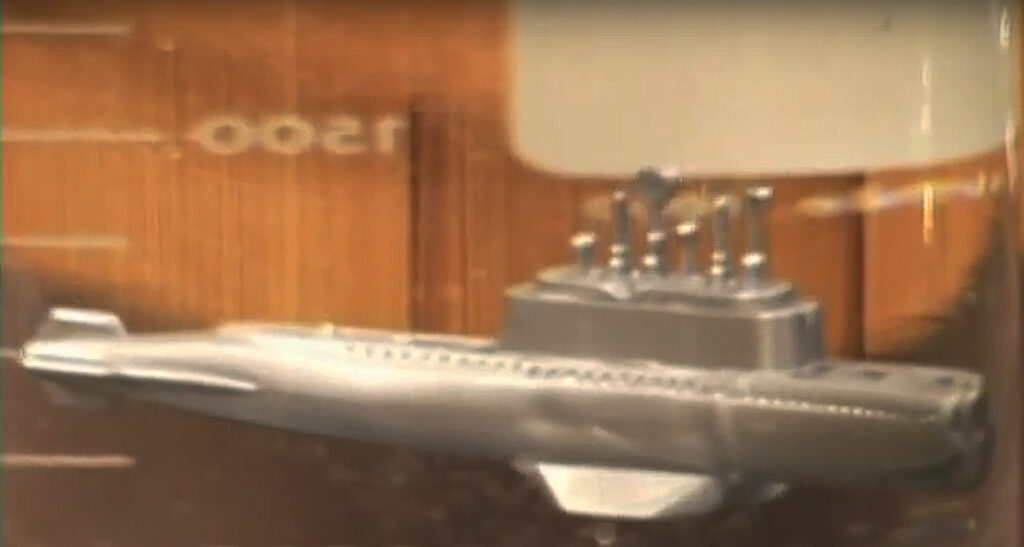
A pinch of baking powder went into the little chamber under the hull. Then the sub went into the sink. It sank, sat still, then rose on a cloud of bubbles, rolled over, let the gas go and dove again.
Brothers Benjamin and Harry Hirsch worked out the trick in 1953 and sold it to Kellogg’s in 1954, the year the USS Nautilus, America’s first atomic submarine, was commissioned. By May, a million 4.5-inch subs had been made, offered for 25 cents and a box top. A smaller 2.5-inch version later came right in the box. Despite the toy’s popular nickname, baking soda alone won’t work.
The prices stayed modest. Torgo, a collector’s site devoted to these toys, says original Kellogg’s subs commonly go for $10 to $20 on eBay.
The Navy needed a reactor. The sink just needed baking powder.
4. The Klondike Big Inch deeds, 1955: One square inch of the Yukon in every box
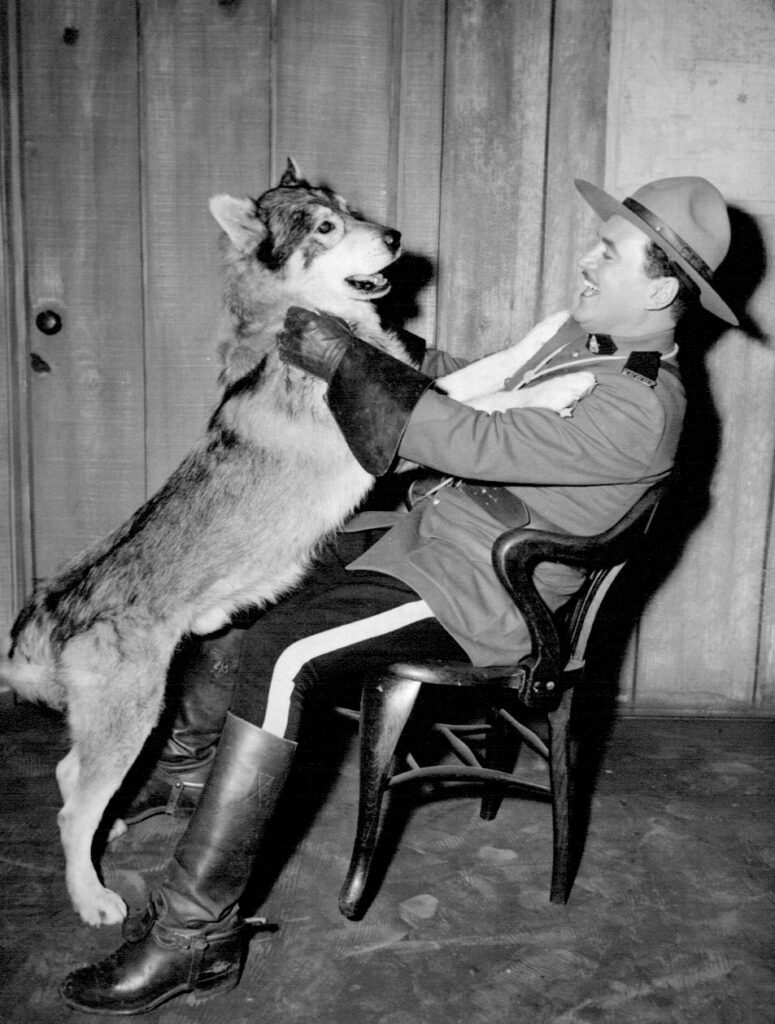
In 1955, boxes of Quaker Puffed Wheat and Puffed Rice carried a deed, 5 by 8 inches, to one square inch of the Klondike. Gold rush country, sold by the inch.
Quaker sponsored Sergeant Preston of the Yukon, and an ad man named Bobby Smith suggested buying real land and dividing it up. Quaker paid $1,000 for 19.11 acres across the Yukon River from Dawson City. It started as a mail-in offer, but after Ohio regulators objected, Quaker put a deed in each box. About 21 million went out. They were never registered, and they carried no mineral rights. In 1965, Canada took the land back over $37.20 in unpaid taxes.
NPR reported that the deeds have sold for as much as $100 on eBay. Smith went on to help create Cap’n Crunch.
Nobody struck gold on their square inch. The old lot sits next to the Dawson City golf course.
5. Post baseball cards, 1961 to 1963: The lineup was printed on the back of the box
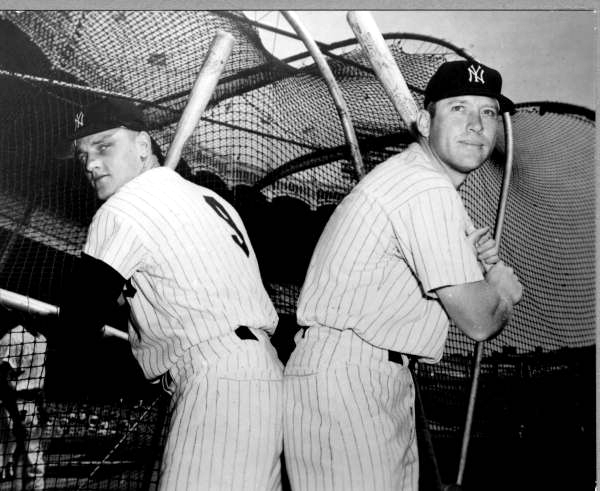
An empty box of Post cereal, a pair of scissors and a cleared kitchen table. In 1962, that was how a lot of kids got a Mickey Mantle.
Post printed baseball cards right on its boxes from 1961 to 1963, and each year’s set ran to 200 cards. Fans cut them out by hand, which is why so many survive with crooked edges. In 1962, Mantle was No. 5 and teammate Roger Maris, fresh off his 61 home runs, was No. 6. They rank high among the things a generation used to collect.
The cutting is what sets the price. One price guide puts an ungraded, hand-cut 1962 Mantle at around $50. Sharp, well-cut graded copies have sold for $1,700.
The scissors made the card. They also cost it most of its value.
More from American Charm
6. The Cap’n Crunch Bo’sun Whistle, 1960s: A cereal toy that could talk to the phone company
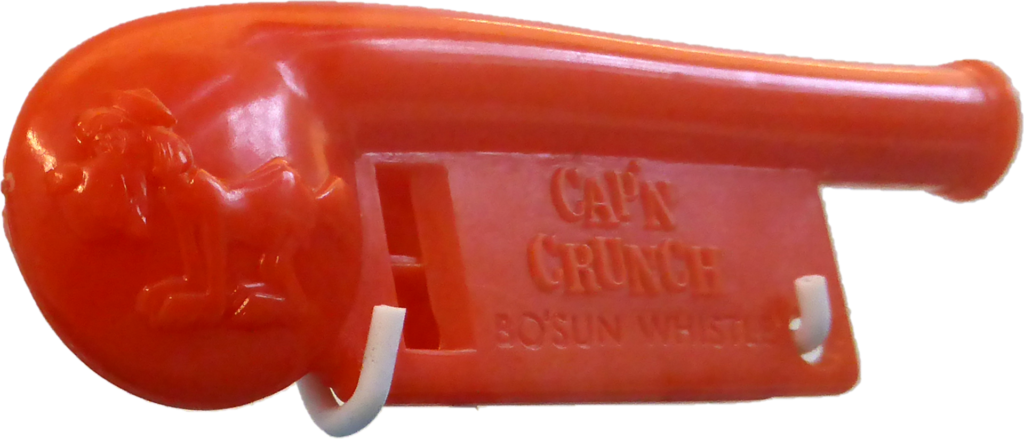
Cap’n Crunch reached stores in 1963. In the 1960s, some boxes held a plastic bosun’s whistle with the Cap’n molded on the side, the kind of thing that drove a household crazy by lunchtime.
The whistle happened to blow a tone of 2600 hertz. That was the signal AT&T’s long-distance lines used to show a trunk line was free, and phone hobbyists called phreakers found they could use it to make free calls. One of them, John Draper, took the nickname Captain Crunch. Steve Wozniak and Steve Jobs later met him and went on to build and sell their own tone-making blue boxes.
Now it’s a museum piece. The Computer History Museum in Mountain View, California, keeps a pink plastic one in its collection, and The Henry Ford in Dearborn, Michigan, has one from about 1965.
It was a toy for calling the crew. It ended up in computer history.
7. Cereal box records, 1969 and the 1970s: The Archies played from the back of the Super Sugar Crisp
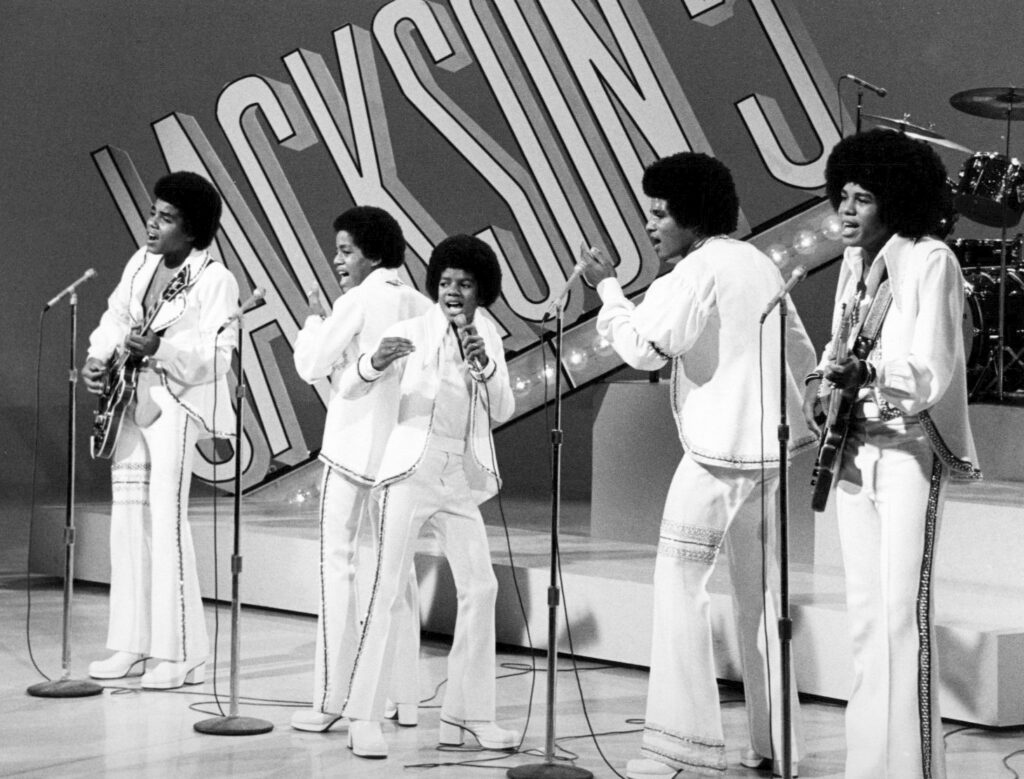
Cut along the dotted line, poke out the center hole, set it on the turntable and lower the needle gently. Out came The Archies, thin and a little wobbly, from the back of a box of Post Super Sugar Crisp.
The records were a thin plastic film pressed onto the cardboard. The Archies landed on Super Sugar Crisp in 1969. The Monkees turned up on Alpha-Bits, Honeycomb and Frosted Rice Krinkles. The Jackson 5 and Bobby Sherman got their turns on Post boxes too.
Collectors want them for the artwork and the history. In a 2025 New York Times story, a San Diego collector who owns hundreds of them was blunt: “They sound really bad.” One record blogger called five dollars each a reasonable price.
The sound quality was poor. The memory is in perfect condition.
8. Kellogg’s 3-D Super Stars, 1970 to 1983: The ballplayers seemed to stand off the card
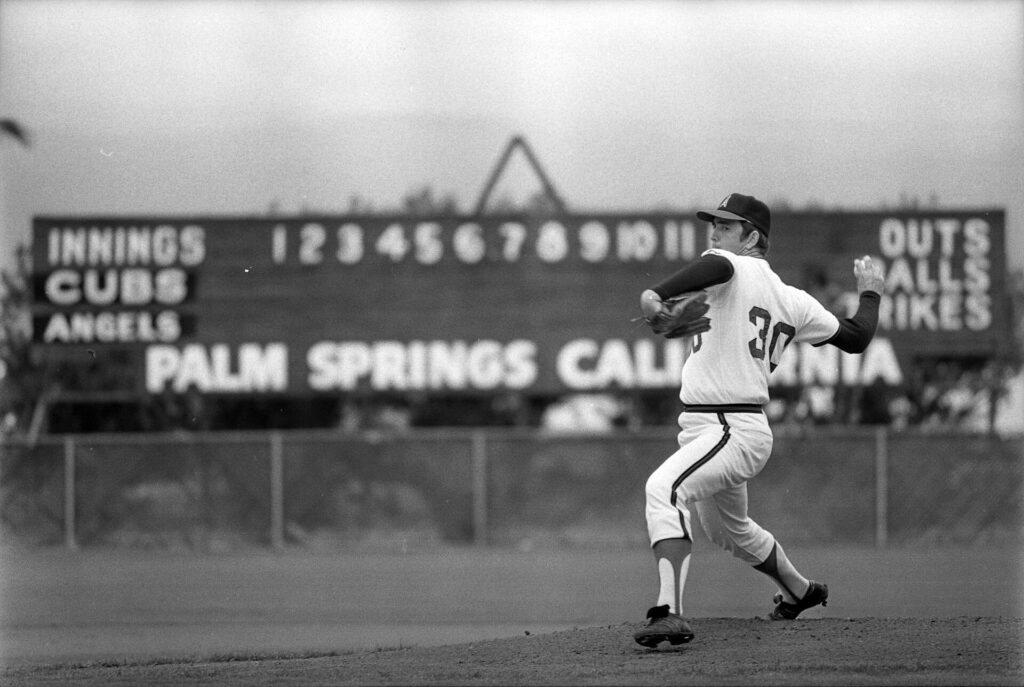
From 1970 through 1983, Kellogg’s tucked a baseball card into its cereal, and the picture had a 3-D look that ordinary cards didn’t have. Nolan Ryan was in the 1975 set.
A company called Optigraphics made them. Fans could also save box tops, mail in a couple of dollars and order a whole set, and some adults ordered them by the dozen. Plenty of those sets sat untouched for years. When grading companies began accepting the cards, collectors finally opened them up.
That keeps most prices low. A dealer at Just Collect wrote in 2013 that many of the stars, even in mint graded form, sell for less than $20. Printing problems make top grades scarce for some cards, though, and PSA 10 copies of the 1975 Ryan have sold for about $270 to $385.
Plenty of them survived. Very few survived perfectly.