The sun drops behind the ridge a little after six. A pickup rolls past the town’s one gas station, and the driver lifts two fingers off the wheel. Inside the café, somebody has already written tomorrow’s pie on the whiteboard.
Outside town, the scenery does most of the talking. Red rock, glacier light, a lake the color of a gas flame.
Our ranking of America’s most naturally beautiful states put Utah first, followed by California, Arizona, Colorado, Montana, Alaska, Hawaii, Oregon and Wyoming. Everybody knows the parks. Fewer people know the small towns at their edges.
Here is one from each of the top nine. They’re working towns, not theme parks. Some of them sit at the end of roads that took decades to build.
The view is only the start of it.
1. Boulder, Utah: The mail came in by mule until the late 1930s
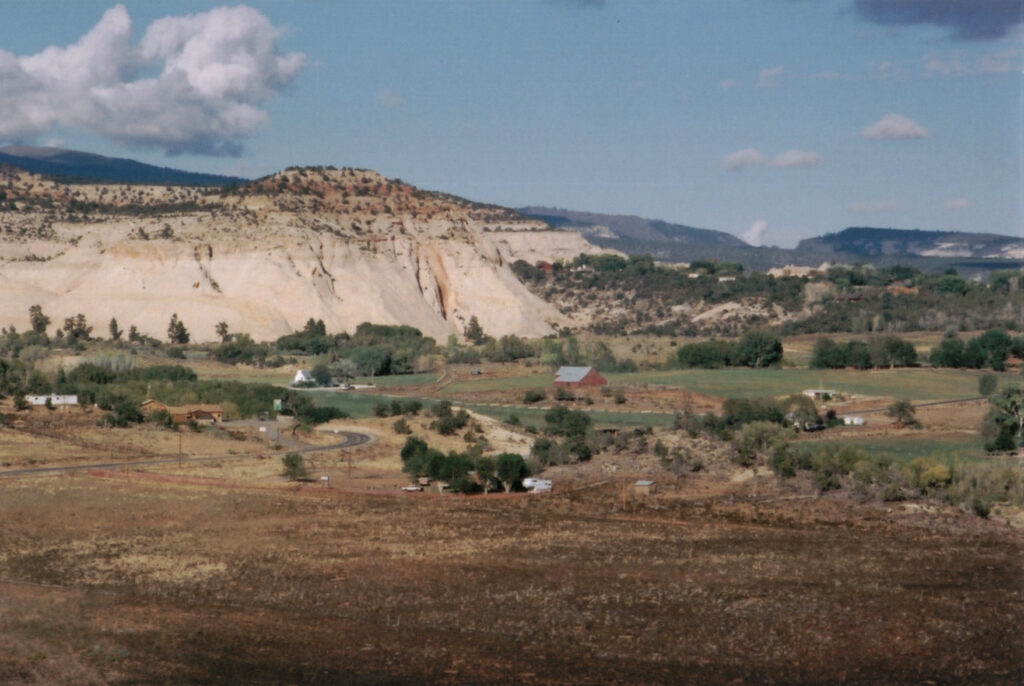
Highway 12 reaches Boulder over the Hogback, a narrow ridge with no guardrails or shoulders and steep drops on both sides. Then it eases down into hay fields and a red barn. That’s most of the town, home to 227 people.
Boulder claims to be the last community in the continental United States to get its mail by mule train. Cars could struggle in from 1925, but the year-round road wasn’t finished until June 21, 1940. The town marked it with an auto caravan, a barbecue and an all-night dance. Power lines didn’t arrive until 1947.
At Anasazi State Park Museum, visitors can walk through a life-size, six-room replica of a dwelling from the Coombs Site, which was likely lived in from about A.D. 1050 to 1200.
Boulder waited a long time for its road. It isn’t rushing anything now.
2. Ferndale, California: Butter money built the Victorian Main Street
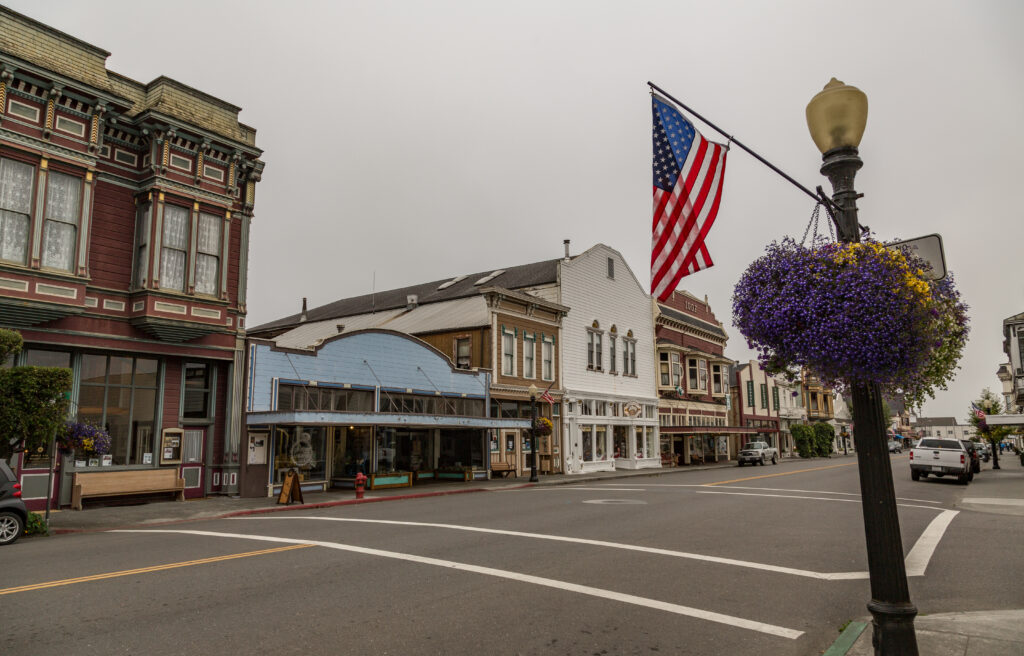
The Victorian Inn at 400 Ocean Avenue went up in 1890 and 1891 as a bank. Down Main Street, false-front shops carry hanging baskets of flowers under the gingerbread trim.
Cows paid for all of it. Settlers arrived in 1852, and Ferndale’s dairies helped feed booming San Francisco. By 1890 the area had 11 creameries. The money went into ornate stores and houses that locals called “Butterfat Palaces.” The entire town is California Historical Landmark No. 883, and about 1,400 people live there.
Every Memorial Day weekend, Main Street is also the finish line of the Kinetic Grand Championship. Sculptor Hobart Brown started it in 1969 as a two-block dash. It’s now a three-day race of homemade, people-powered sculptures over more than 40 miles.
Other California towns got rich on gold. Ferndale did it on cream.
More from American Charm
3. Jerome, Arizona: The jail slid down the hill, and the town stayed put
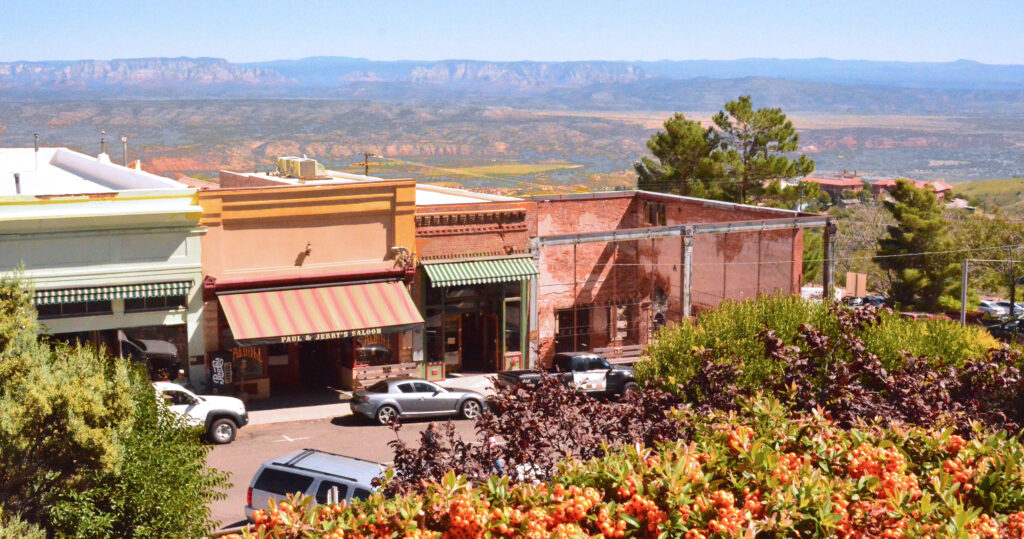
Jerome’s Main Street hangs on the side of Cleopatra Hill, with the Verde Valley and the red rocks around Sedona on the horizon. On Hull Avenue sits the town jail, built in 1905. Starting in the 1930s, blasting and sinking ground moved it about 225 feet downhill.
This was a copper camp, and a rough one. A New York paper called it the “wickedest town in the West” in 1903. The local historical society says the population once neared 15,000. The mines closed in 1953, and the count fell below 100. Today 464 people live there, and the town has been a National Historic Landmark since 1966.
Above the old Little Daisy Mine, James S. Douglas built his mansion in 1916. It’s now Jerome State Historic Park, open daily.
Most ghost towns stay empty. Jerome moved back in.
4. Silverton, Colorado: The train has been climbing up to town since 1882
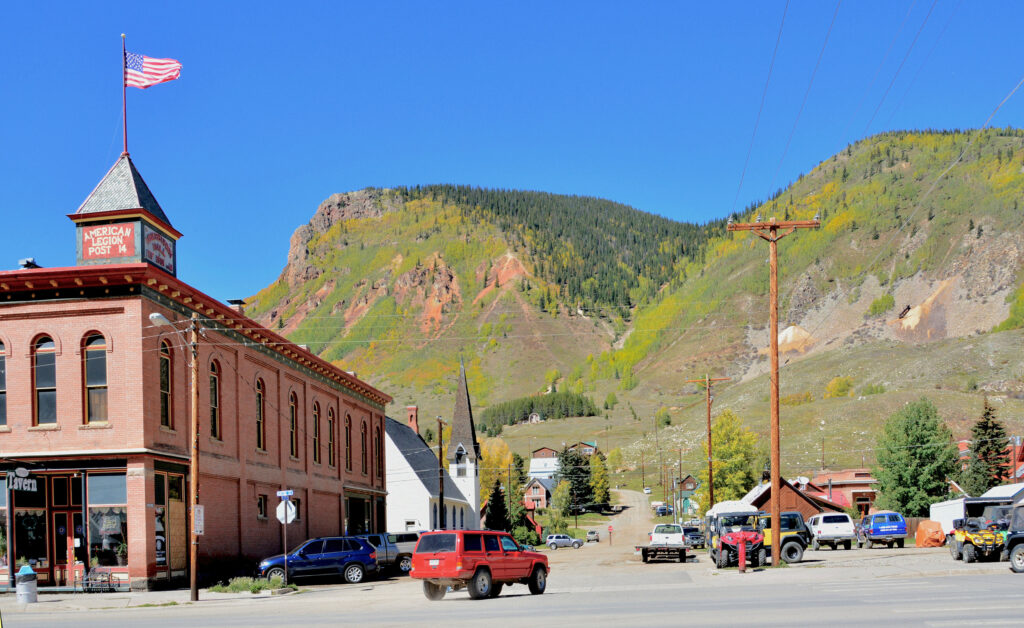
Silverton sits at 9,318 feet. The gold-domed San Juan County Courthouse has stood on Greene Street since 1907. A block over is Blair Street, the old saloon and bordello row.
Silverton was founded in 1874. It’s the county seat and the only incorporated town in San Juan County, and the whole place has been a National Historic Landmark district since 1961. When the last mine closed in 1992, more than a third of the workforce lost their jobs. The town now has 622 people.
The Durango & Silverton Narrow Gauge Railroad has run trains into town since 1882. Late-October 2026 flooding damaged the line south of Silverton, and the railroad is posting its repair progress. Silverton trips are a summer outing.
The mines quit in 1992. The train didn’t.
5. Philipsburg, Montana: A silver town that outlived its silver
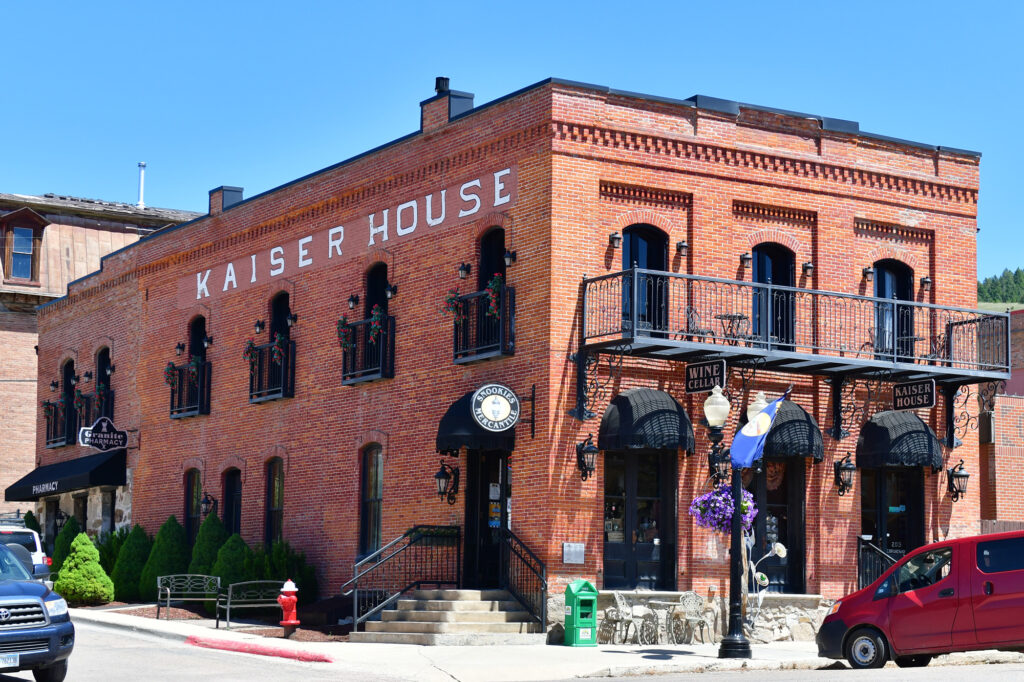
On Broadway, the red-brick Kaiser House has stood since 1881. A few doors down, the Sweet Palace sells old-fashioned candy. The local brewery says its building opened as a bank in 1888.
The town is named for Philip Deidesheimer, the mining engineer who built the smelter and laid out the streets in 1867. Its historic district holds 154 contributing buildings, and 841 people live there. Gem Mountain, which bills itself as Montana’s largest and oldest sapphire mine, runs summers up Skalkaho Pass Road and keeps a shop in town.
Three miles up the mountain is the town that didn’t make it. Granite’s mine produced $40 million and once employed 3,000 miners, until the silver panic of 1893 shut it down. It’s now a state park, open Memorial Day through September to high-clearance vehicles.
Granite emptied out in 1893. Philipsburg found other things to sell.
More from American Charm

6. Talkeetna, Alaska: A cat served as honorary mayor for about 20 years
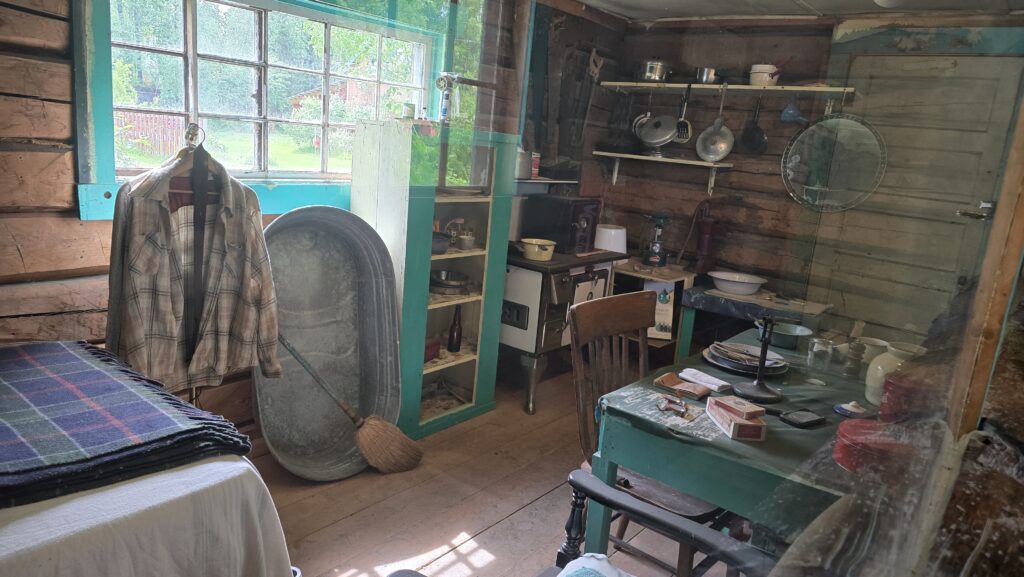
Three rivers meet at Talkeetna: the Susitna, the Chulitna and the Talkeetna. Main Street is a row of low log and wood buildings, including the Roadhouse, a log house from 1917.
The town began in 1916 as an Alaska Railroad district headquarters. In 1919 the railroad auctioned off 80 lots for an average of $14.25 each. Today the community has about 1,055 people, and it’s the base for climbing expeditions to Denali. The Park Service runs its Talkeetna ranger station here, and the Alaska Railroad’s Denali Star stops in summer.
Talkeetna isn’t incorporated, so it has no real mayor. For about 20 years, starting in the late 1990s, it had Stubbs, a cat, as honorary mayor. Stubbs died in 2017 at 20 years and 3 months. Nagley’s Store, which says it has been open since 1921, keeps a cat named Aurora in the post now.
Talkeetna never had a real mayor. It never seemed to miss one.
7. Hanapepe, Kauai, Hawaii: The swinging bridge keeps coming back
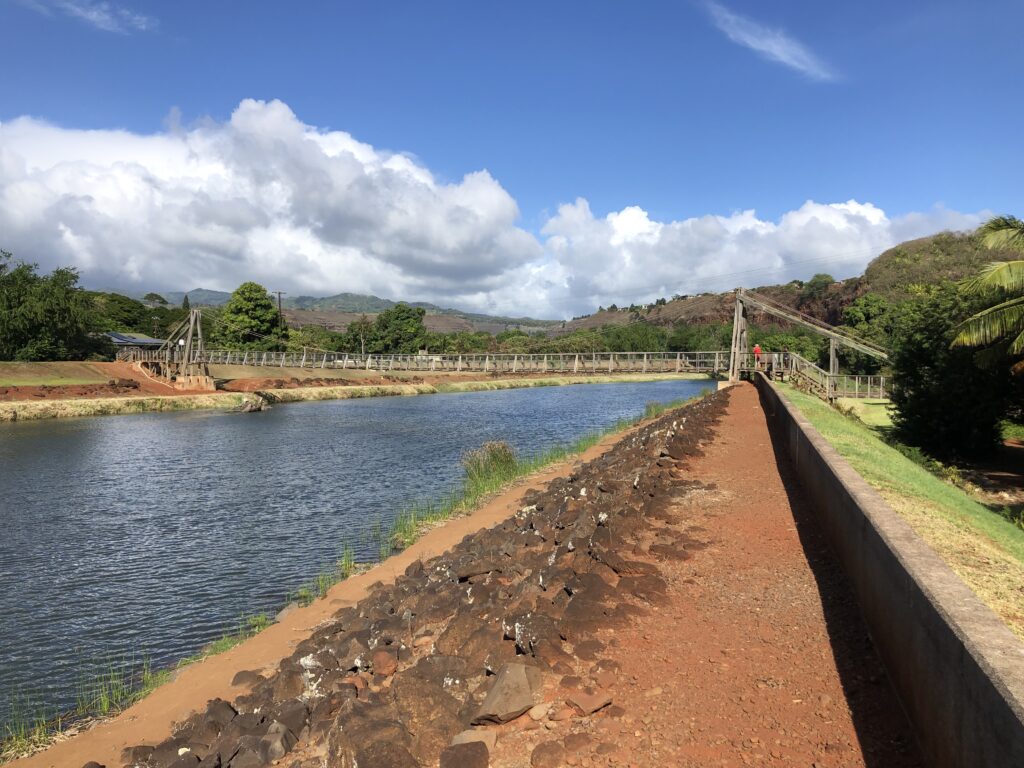
The wooden footbridge over the Hanapepe River sways a little with every step. It first went up in 1911. It’s free to cross and holds about 15 people at a time.
Hurricane Iniki wrecked it in 1992, and it reopened in the mid-1990s. A 2019 flood damaged it again, and the county reopened it in 2020. The town calls itself “Kauai’s Biggest Little Town,” and on Friday evenings its galleries stay open for Art Night. Co-director Dean DeBlois has said Hanapepe and Hanalei inspired Lilo’s town in Lilo & Stitch.
About 2,700 people live in and around Hanapepe. Hurricane Lowell hit Kauai in September 2026 and closed nearby Salt Pond Beach Park, so check local conditions before going.
Storms keep knocking the bridge down. Hanapepe keeps putting it back.
8. Joseph, Oregon: Life-size bronzes line the Main Street
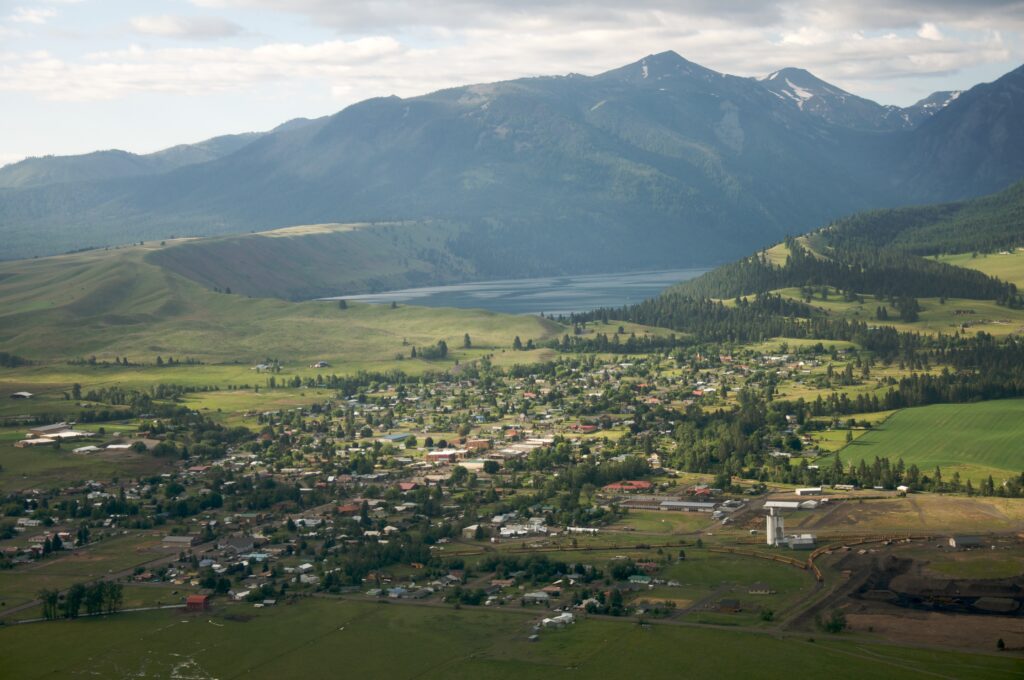
Walk down Main Street in Joseph and you pass life-size bronze figures, with the Wallowa Mountains standing behind them. Joseph is a foundry town. Valley Bronze has been casting here since 1982 and offers tours.
The town took Chief Joseph’s name in 1880. In 2002 it finished placing seven monumental bronzes along the street, and more have been added since. South of town, the Wallowa Lake Tramway climbs to about 8,150 feet on Mount Howard from mid-May through September. About 1,150 people live in Joseph.
A mile south of town, at the foot of the lake, is the Old Chief Joseph Gravesite, a National Historic Landmark. The father of the famous Chief Joseph was reburied there in 1926, in the valley where he had lived.
Most towns put up a statue. Joseph built the foundry.
More from American Charm

9. Ten Sleep, Wyoming: The town’s name is a measure of distance
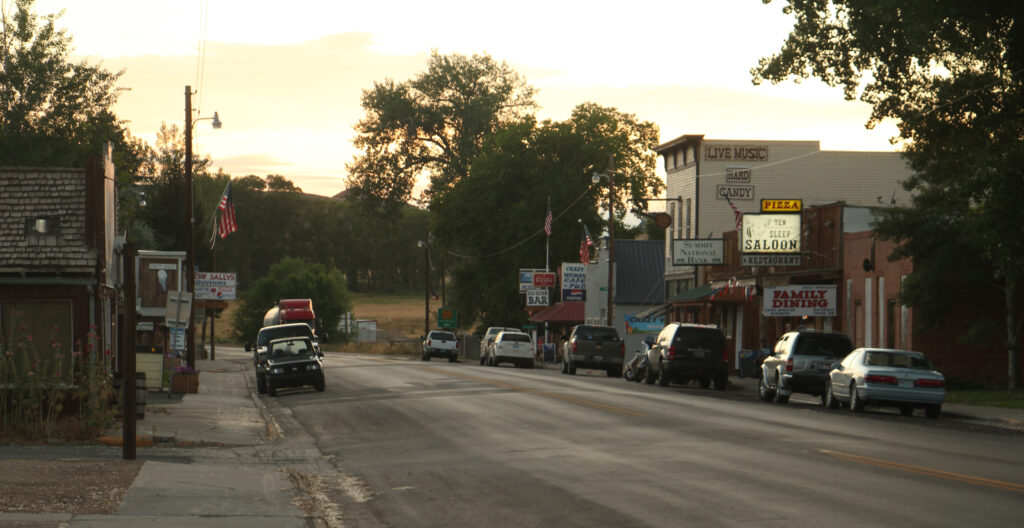
At dusk the pickups line up outside the Ten Sleep Saloon under the cottonwoods. West of town, the red sandstone of Signal Cliff catches the last light. A mile out, Ten Sleep Brewing says it pours in an old family barn and puts its bands on an old International flatbed truck.
The name goes back to travel by Native people. The spot sat about ten sleeps, or ten days of travel, from major camps in either direction. Today 246 people live there. U.S. 16 climbs east through Ten Sleep Canyon, and the Fourth of July rodeo has run since 1946.
The range wasn’t always peaceful. On April 2, 1909, seven cattlemen attacked a sheep camp just south of town and killed three men, the deadliest sheep raid in Wyoming history.
Ten Sleep was named for how far away it was. It still is.