There’s a card table at the end of a gravel drive with a hand-lettered sign: Tomatoes, Peaches, Honey. Nobody’s minding it. A coffee can holds the money.
People who still pull over for that stand tend to trust a place before it gives them a reason. North Carolina rewards them for it.
The state runs from salt marsh to mountain. One was a town before North Carolina had its own governor. One can only be reached by ferry. One still keeps its post office inside a general store that opened in 1883.
We once gathered places where the locals say time keeps its own pace. North Carolina has a long list of its own.
The coffee can is just the start.
1. Bath, North Carolina: The state’s first town still fits inside its 1705 lines
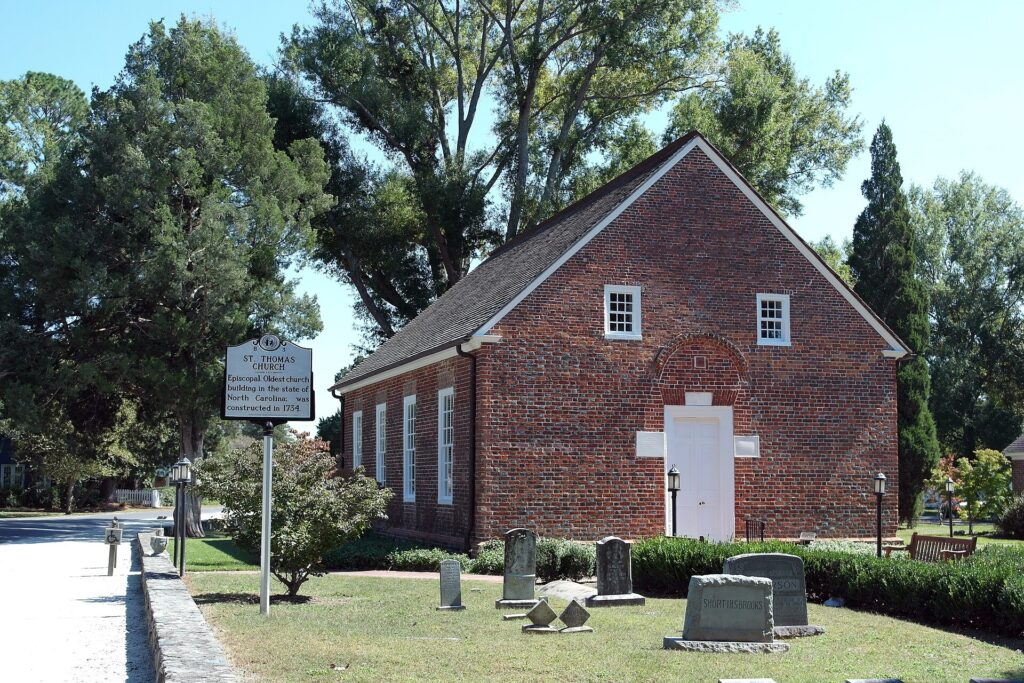
Bath has 245 people and a brick church that has stood since the 1730s. Gravestones lean in the grass out front.
It was chartered on March 8, 1705, as North Carolina’s first town. By 1708 it had 12 houses and about 50 people. The pirate Blackbeard settled here in 1718 after taking a royal pardon, then went back to piracy and was killed before the year was out. New Bern took over the trade, and Bath never grew past 400 people. It still sits almost entirely inside the boundaries its founder, John Lawson, laid out.
St. Thomas Church is the oldest standing Episcopal church in the state. Historic Bath is open Tuesday through Saturday with free admission, and house tours cost a few dollars.
Bath was the first. It never needed to be the biggest.
2. Edenton, North Carolina: A 1767 courthouse is still used for court
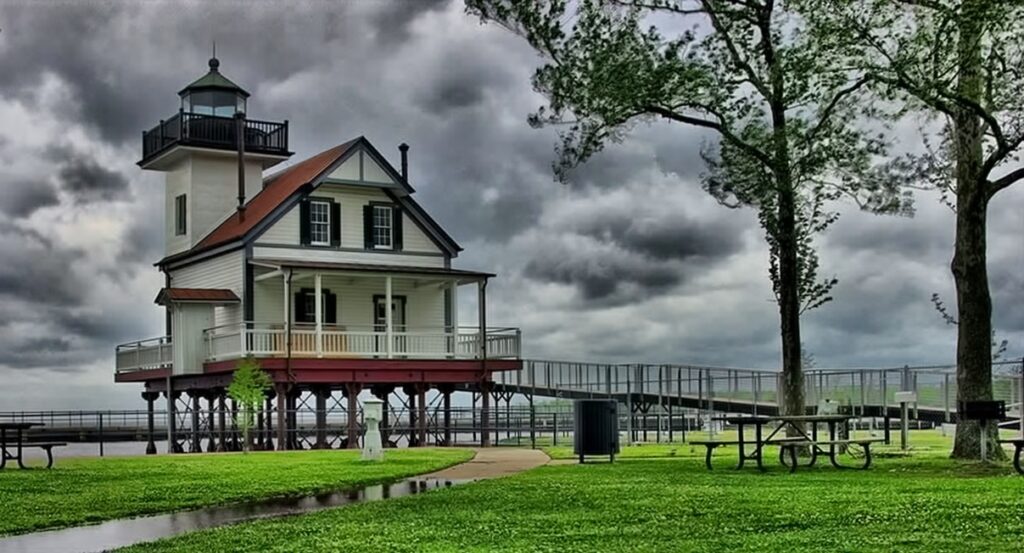
A square lighthouse sits on iron legs at the edge of Edenton Bay. It looks like a cottage that waded out into the water.
Edenton was named in 1722 for Governor Charles Eden and served as the colony’s capital until 1743. Its 1767 Chowan County Courthouse is a National Historic Landmark, and it is still used for official court events.
The lighthouse came later. It was built in 1886 for the Roanoke River on a screw-pile base, with pilings literally screwed into the bottom so storms couldn’t pull them out. It is believed to be the last frame building of its kind left in the country. During the Civil War, the town melted church and courthouse bells into cannons, and two of those guns now sit in the waterfront park. About 4,400 people live here.
Edenton gave up its bells for a war. It got two of them back as cannons.
More from American Charm
 People who pick a counter stool over a booth usually love these 7 small town diners that rolled out of a factory
 People who know their mayor by first name usually love these 8 things a small-town mayor can do that a governor can’t
 People who dug to the bottom of the cereal box for the prize usually remember these 8, and a few are worth real money now
3. Beaufort, North Carolina: Blackbeard lost his flagship just off this harbor
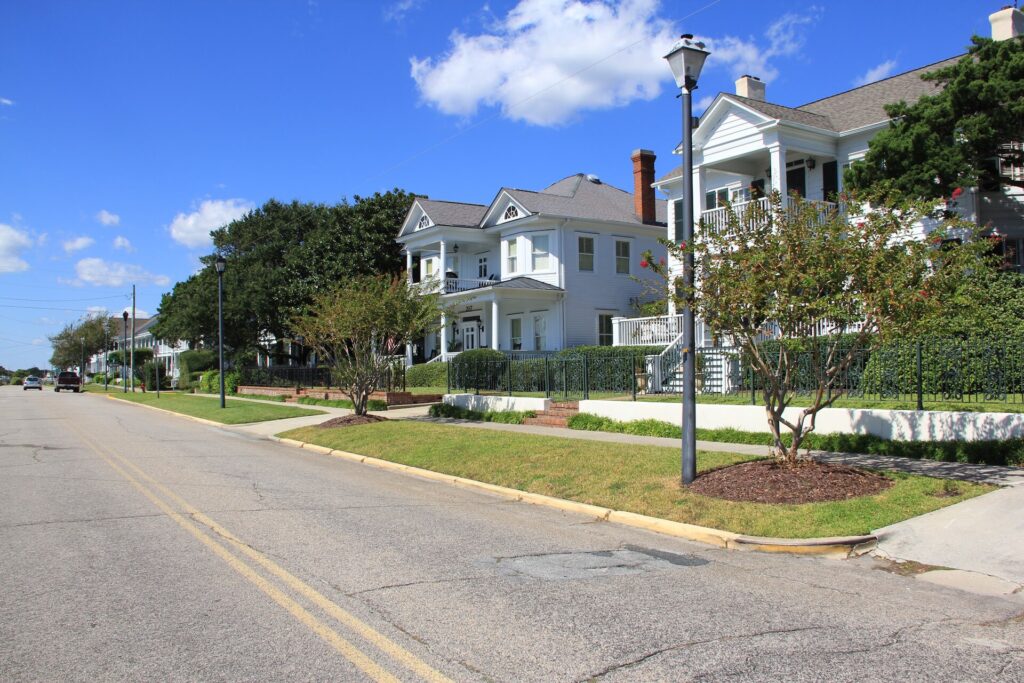
White houses with deep porches face the water. It’s pronounced BOH-fert, which is how people tell it apart from Beaufort, South Carolina.
Beaufort was founded in 1709 and is the third-oldest town in North Carolina, after Bath and New Bern. In 1718, Blackbeard ran his flagship, the Queen Anne’s Revenge, aground near what is now Beaufort Inlet. The wreck was found in 1996 in 28 feet of water about a mile offshore, and the state confirmed its identity in 2011 after finds that included a brass coin weight bearing the bust of Queen Anne.
The North Carolina Maritime Museum sits on Front Street. The town has about 4,500 people, and its historic district and Old Burying Ground are both on the National Register.
Blackbeard left his ship here in a hurry. It took the town 278 years to find it.
4. Ocracoke, North Carolina: The only way in is by ferry, boat or small plane
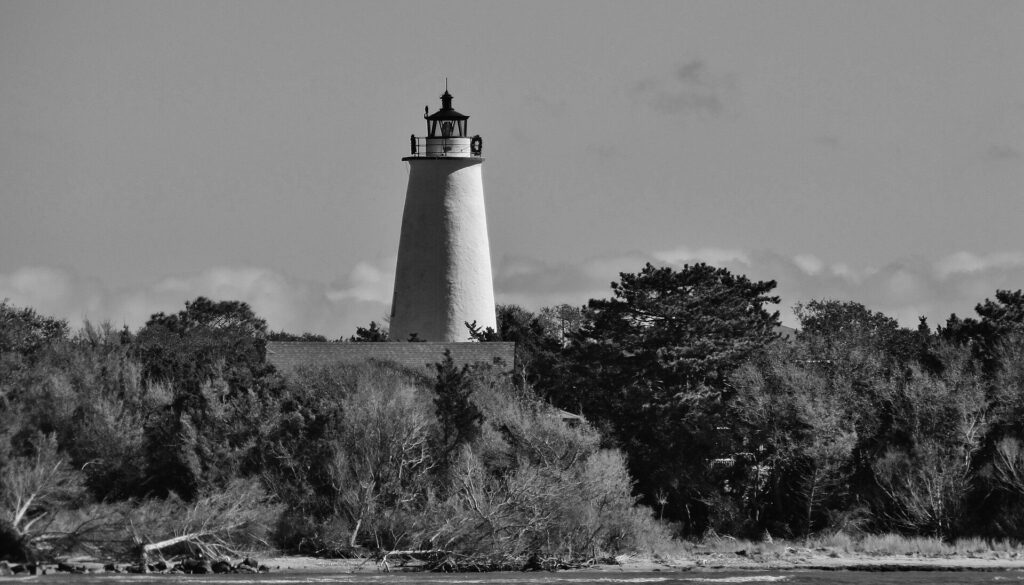
No bridge reaches Ocracoke. You come by one of three public ferries, a private boat or a small plane, and the village wraps around a little harbor called Silver Lake.
Blackbeard used the island as a favorite anchorage and was killed here in a battle with Virginia troops on November 22, 1718. The island wasn’t permanently settled until 1750. Older islanders speak a dialect known as the Hoi Toider accent, though younger residents are losing it.
The 75-foot lighthouse near Silver Lake went up in 1823 and is the oldest operating light station in North Carolina. Hurricanes are part of life here. Dorian tore up about 1,000 feet of the island’s only highway in 2019, and the island closed to visitors until December. About 800 people live here year-round.
Getting here takes a ferry schedule. Leaving takes a little more willpower.
5. Mount Airy, North Carolina: Andy Griffith’s hometown leans into Mayberry
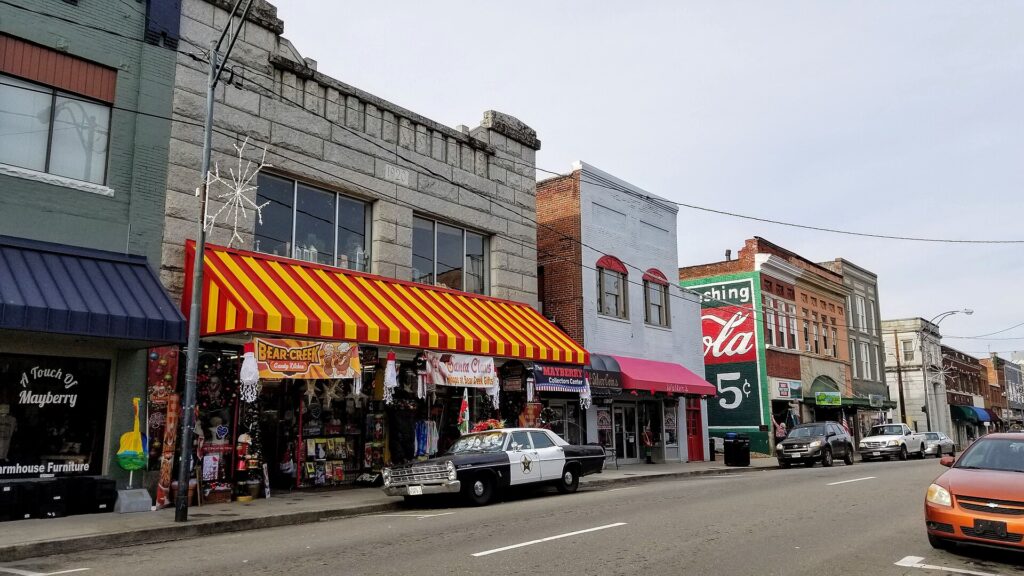
A black and white police car is parked on North Main Street. It is the kind of detail a visitor notices and a local stopped noticing years ago.
Andy Griffith was born in Mount Airy, and the town is considered the model for Mayberry. It holds Mayberry Days on the last weekend of September, and 90,000 people came for the show’s 50th anniversary in 2010. The Andy Griffith Museum, founded in 2009 by Emmett Forrest, holds the world’s largest collection of Griffith memorabilia.
The town was built on rock long before television. The world’s largest open-face granite quarry is here, and its stone went into the Wright Brothers National Memorial and the Arlington Memorial Bridge. Mount Airy has about 10,700 people.
Mayberry was made up. The granite under it is real.
More from American Charm
 People who grew up on these 8 foods usually have no idea they originated in America, each in one hometown
 15 New Laws Taking Effect January 1, 2027 That Could Change Your Paycheck, Prescriptions and Shopping
 People who grew up near Amish country usually know these 9 things about Amish home life that most visitors never learn
6. Valle Crucis, North Carolina: The general store still sells coffee for a nickel
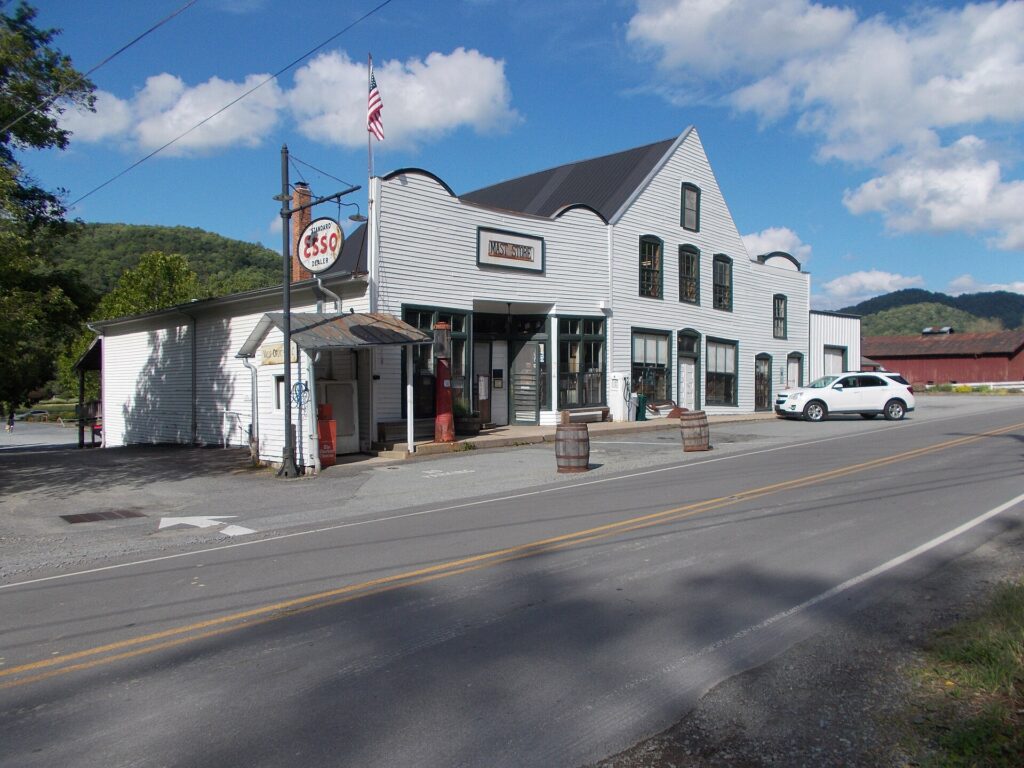
The coffee costs five cents, and you pay on the honor system. The post office is inside the store.
Henry Taylor built the store in 1882 and opened it in 1883. W.W. Mast bought half in 1897 and the rest in 1913. Its old slogan was “if you can’t buy it here, you don’t need it.” The store closed in 1977 and reopened in 1980, and it is now one of the best remaining examples of its type on the National Register. The name of the community is Latin for “Vale of the Cross,” after three streams that meet in the shape of a cross. About 436 people live here.
Hurricane Helene flooded the valley in 2024. The store says its Annex took on water and mud and reopened that October 12, while most locations had little or no damage.
The flood reached the Annex down the road. The coffee is still a nickel.
7. Blowing Rock, North Carolina: The town’s namesake cliff has drawn visitors since 1933
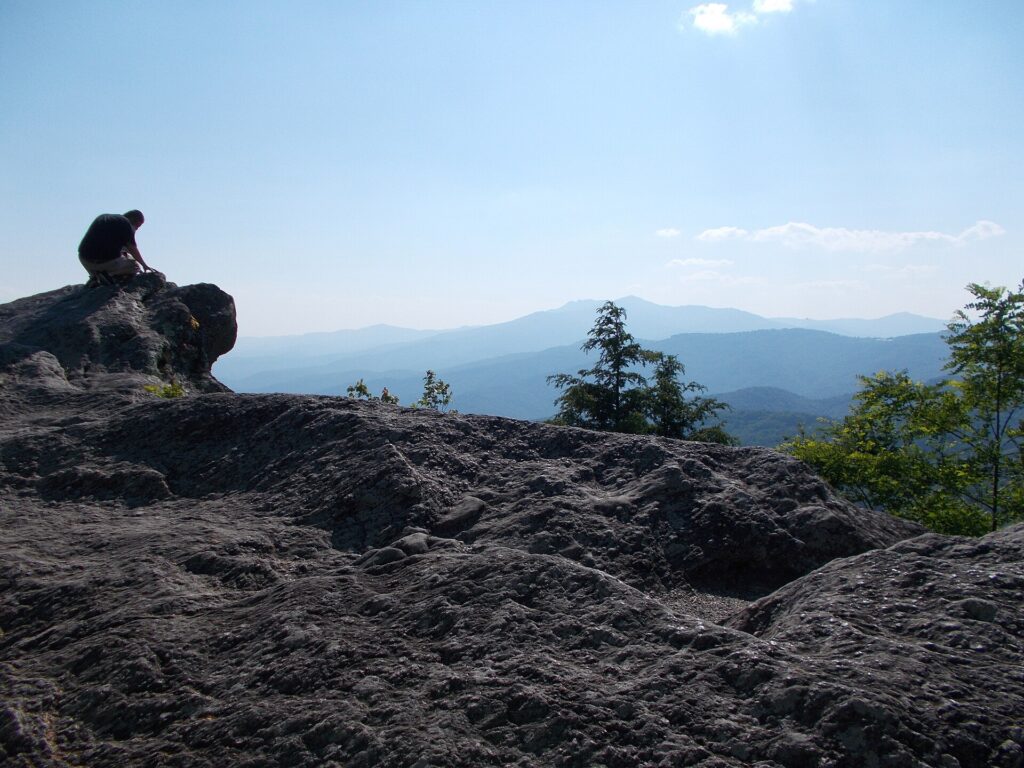
From the top of the rock, blue ridges run all the way to the edge of the sky. The wind does the rest of the talking.
A Moravian bishop, August Gottlieb Spangenberg, came through in 1752, when the windy cliffs were home to the Cherokee and Catawba. The Greene family settled by the mid-1800s on land that became the Green Park Inn, which is now on the National Register with a handful of the town’s old cottages.
The Blowing Rock calls itself North Carolina’s oldest travel attraction, open since 1933, and says Ripley’s Believe It or Not named it the only place where snow falls upside down. It stays open daily through December, weather permitting. The town has about 1,400 people.
Most places get snow from the sky. Blowing Rock gets some from below.
8. Brevard, North Carolina: The town’s white squirrels have their own festival
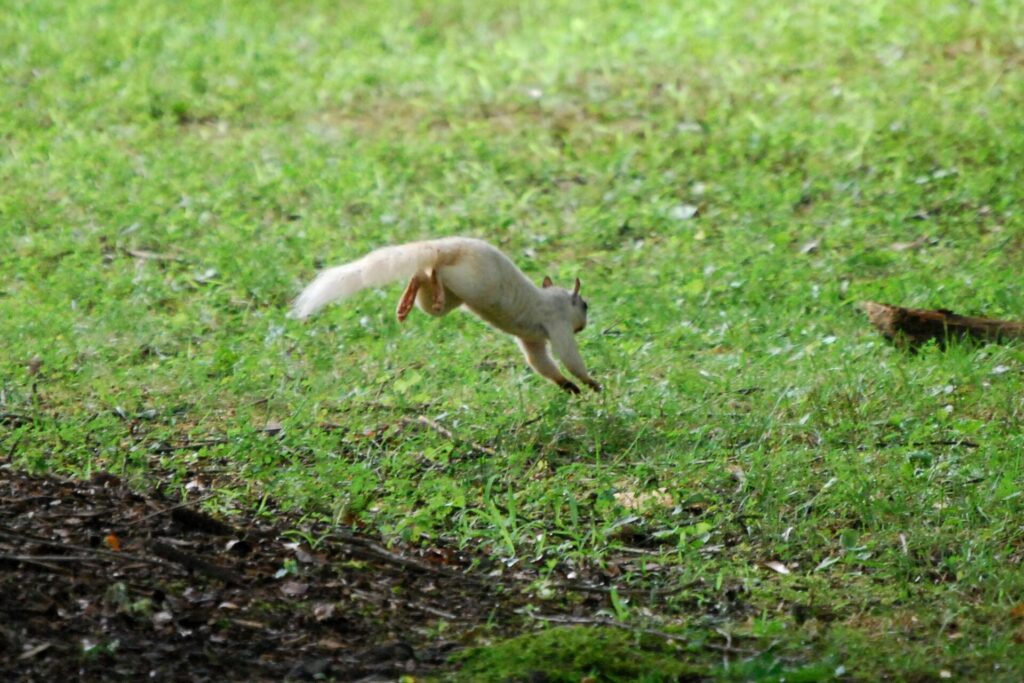
A white squirrel streaks across the grass. In most towns that would stop traffic. In Brevard it barely turns a head.
Nobody is quite sure how they got here. One story blames an overturned carnival truck. Another says an escaped pet bred with the local gray squirrels. Either way, the white variant of the eastern gray squirrel is a common sight, and the town holds a White Squirrel Festival on the weekend before Memorial Day.
Brevard is the seat of Transylvania County, created in 1861, and sits at the entrance to Pisgah National Forest. It is also home to the Brevard Music Center. About 7,700 people live here, and plenty of them moved here to retire.
Most towns pick a mascot. Brevard’s picked itself.
More from American Charm
 People who sing along to country radio usually love these 9 country singers who “couldn’t sing,” and know why it worked
 9 American brands that quietly lost their cultural authority but still hold a place in family memory
 9 everyday American symbols that mean something totally different in other countries, and the famous moments that proved it