The ship’s horn carries all the way up the hill. By nine, the tenders are running, the sidewalks are two deep and the one coffee shop that opens early has a line out the door. A resident who just wants the mail waits at the crosswalk for the third tour group to pass.
By noon somebody has parked across their driveway. By October, somebody is writing a ballot question.
That’s usually how a small town earns the word “unwelcoming.” It rarely starts with rudeness. It starts with math: a few hundred or a few thousand people who live there, and many more who just want to see it.
Reputations stick, too. Some places spend years trying to shake one, like the cities that rebranded to outrun a bad name. The towns below went the other way. They wrote rules, held votes and took down signs, on the record.
Tourism pays the bills in most of them. Nobody’s arguing that. But every one of these towns decided there was such a thing as too much of a good thing.
Knowing the rules before you go is the whole trick.
1. Bolinas, California: For decades, residents kept taking down the sign that points to town
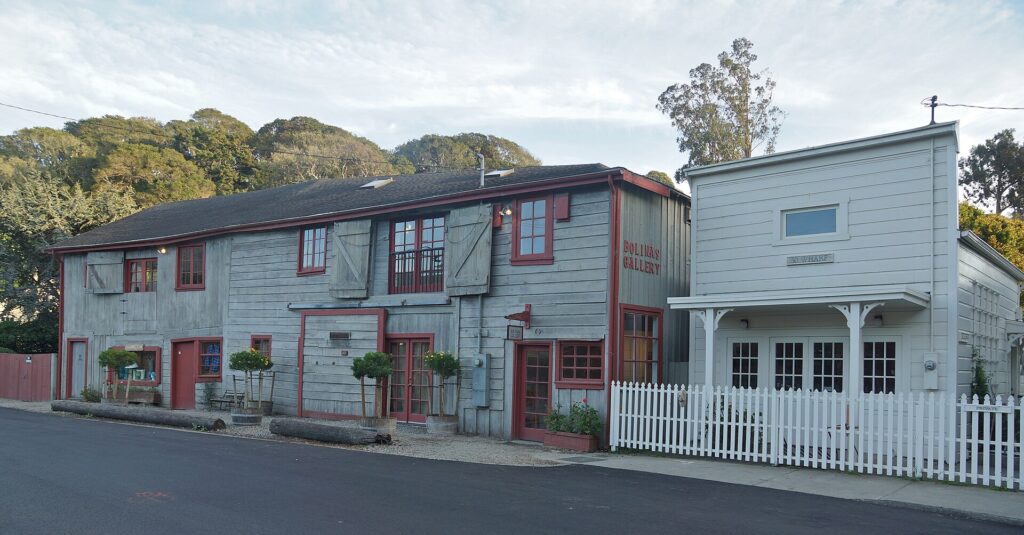
On Highway 1 in Marin County, the turnoff for Bolinas is easy to miss. That’s the point.
Residents spent years pulling down the state’s road signs, often at night. By 1989, Caltrans had replaced them at least 36 times and had switched to cheap scrap signs with stenciled letters. Eventually, the San Francisco Chronicle reported, Caltrans stopped replacing them at all.
The town of about 1,500 doesn’t hide where it came from. “In the ’70s, yes, it was protectionism. And it was to stop tourists from finding us,” the Bolinas Museum’s Elia Haworth told KALW in 2014.
Bolinas isn’t closed. It just stopped giving directions.
2. Bar Harbor, Maine: The town voted to cap cruise passengers at 1,000 a day
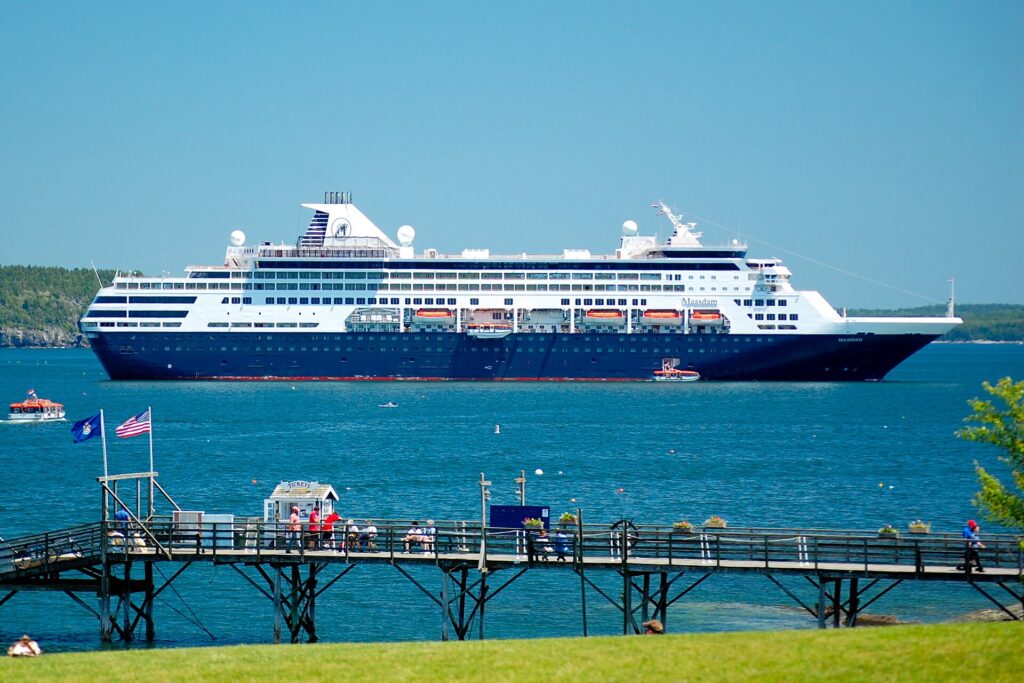
Bar Harbor has about 5,000 year-round residents and sits at the edge of Acadia National Park. Since the pandemic it had been seeing 180,000 to 260,000 cruise passengers a year, from more than 100 ship visits a season.
In November 2022, voters capped the number who could come ashore at 1,000 a day. It passed 1,780 to 1,273. Local businesses and the harbor pilots sued, and a 2024 vote to loosen the cap failed by 65 votes after a recount.
Then, in May 2026, a federal judge ruled the cap enforceable only in July and August. The cap’s backers have asked him to reconsider, and the town has stopped taking new advance cruise bookings while the case plays out.
The vote was about crowds. The fight is now about the calendar.
More from American Charm
 People who know their mayor by first name usually love these 8 things a small-town mayor can do that a governor can’t
 People who dug to the bottom of the cereal box for the prize usually remember these 8, and a few are worth real money now
 People who grew up on these 8 foods usually have no idea they originated in America, each in one hometown
3. Key West, Florida: Voters limited cruise ships, and the state erased the vote
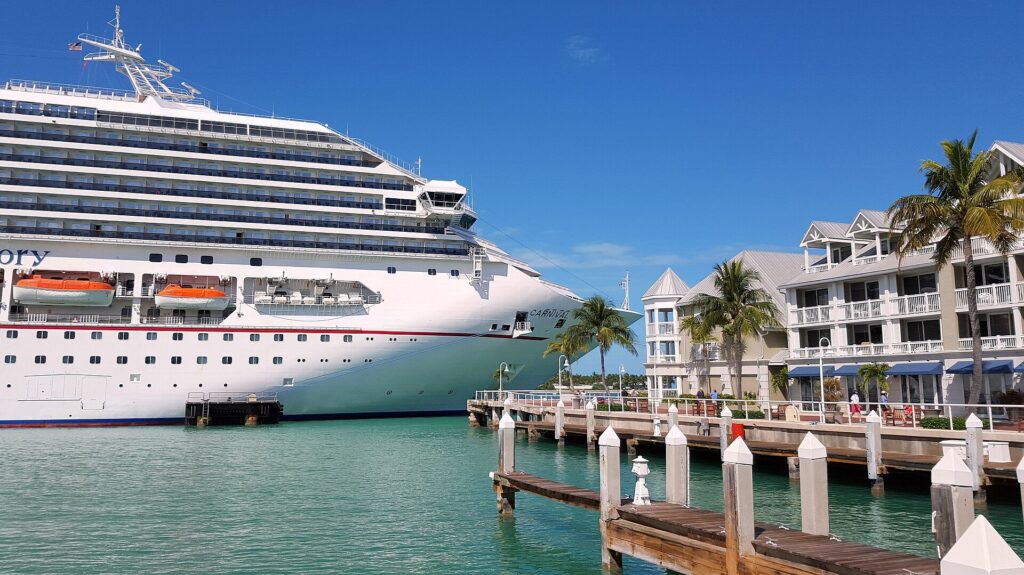
At the docks near Mallory Square, a big ship can look taller than anything in Old Town. In 2020, Key West voters decided they’d seen enough of them.
That November, the city of about 26,000 passed three measures. About 63% voted to limit cruise passengers coming ashore to 1,500 a day. About 61% voted to bar ships carrying 1,300 or more people. And 81% voted to give priority to the cruise lines with the best health and environmental records.
None of it lasted. On June 30, 2021, Gov. Ron DeSantis signed Senate Bill 1194, which voided local votes that restrict maritime commerce. The city later limited its historic harbor to one ship a day, and in 2024 the state approved a bigger lease for privately owned Pier B.
Key West said no. Tallahassee had the last word.
4. Pomfret, Vermont: The town closes one back road to leaf peepers every fall
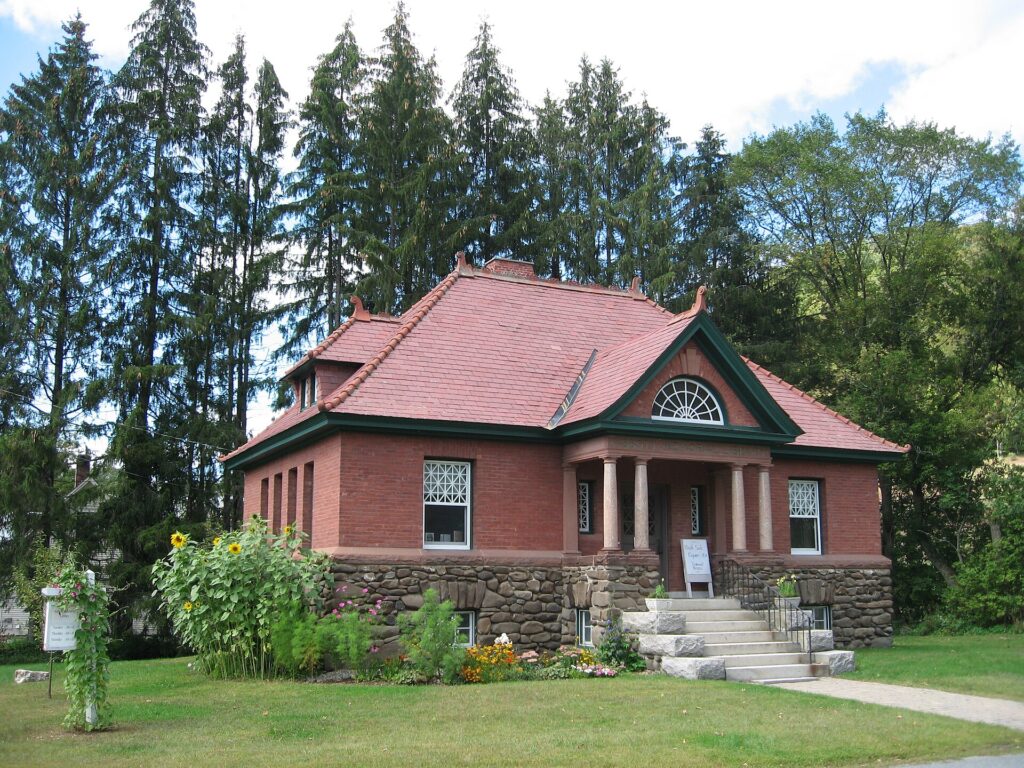
Sleepy Hollow Farm on Cloudland Road looks like a calendar page in October. Social media turned it into a destination, and a back road in a town of 900 was never meant for one.
Visitors walked around the farm gate, trampled gardens and parked where emergency vehicles needed to get through. In 2023, Pomfret’s Select Board closed the road to nonresidents through mid-October, citing safety and quality of life.
It has done it every fall since. In 2025 the closure ran October 4 to 19, with residents exempt. The board’s chair told Vermont Public that getting an ambulance or fire truck up the road had become “nearly impossible.”
The farm didn’t change. The traffic did.
5. Carmel-by-the-Sea, California: You technically need a permit to wear high heels
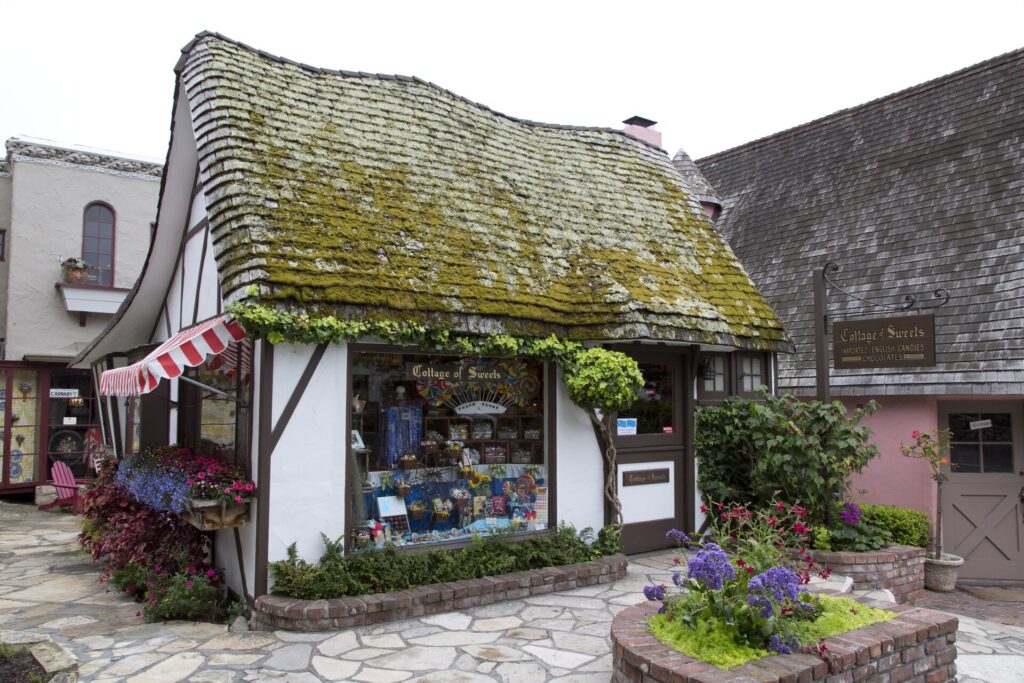
Carmel’s streets are dim at night and its sidewalks are uneven. In 1963 the town decided that was a liability problem, and it reached for the shoes.
The ordinance, still on the books, says heels over 2 inches with less than a square inch touching the ground need a permit. The official tourism site says the permits are free at City Hall. A Time Out reporter picked up permit No. 2879 in 2024 and found the rule “not seriously enforced.”
It’s the same town of about 3,200 that turned away chain restaurants in the 1980s. Residents still get no home mail delivery and pick it up at the post office. The council voted in January 2026 to adopt street addresses, pending county approval.
Nobody’s checking your shoes. The paperwork is there if they ever do.
6. Mackinac Island, Michigan: Cars have been banned since 1898
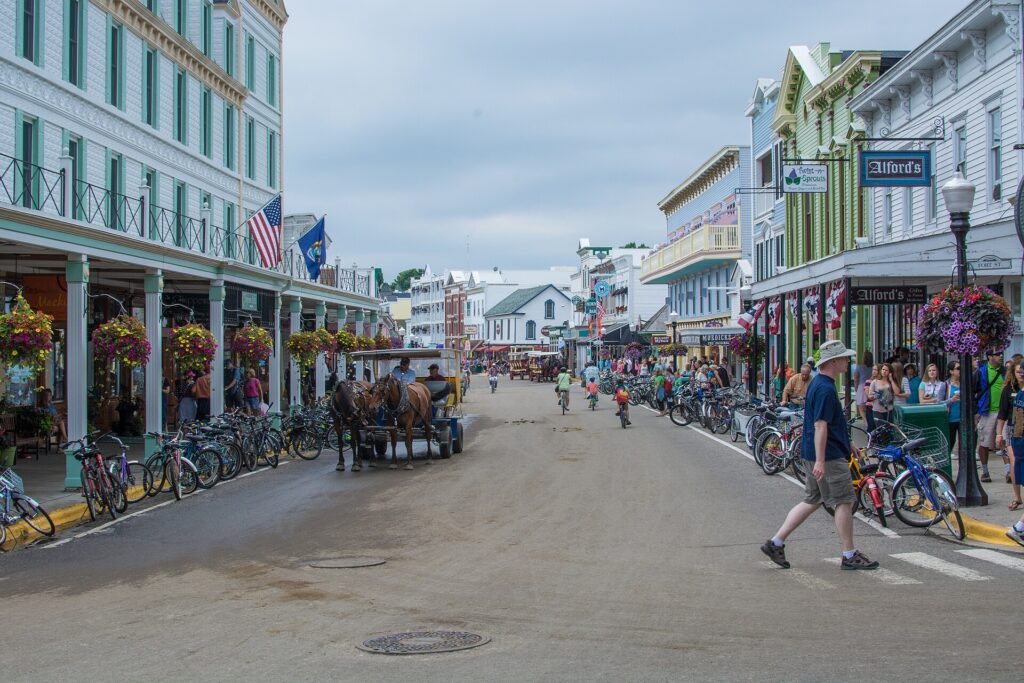
Step off the ferry and the first sound is hooves on pavement. Then bicycle bells. Then nothing with an engine.
On July 6, 1898, the village banned “horseless carriages” after carriage drivers complained the noisy machines spooked their horses. The state park followed in 1901, and the ban became state law in 1960. The island’s emergency fleet is one police car, two fire trucks and an ambulance.
M-185, the road around the island, runs 8.2 miles as a state highway with no cars on it. Freight goes by horse-drawn dray. About 580 people live there year-round.
It’s charming for a weekend. It’s also how the groceries get delivered.
More from American Charm
 15 New Laws Taking Effect January 1, 2027 That Could Change Your Paycheck, Prescriptions and Shopping
 9 American brands that quietly lost their cultural authority but still hold a place in family memory
 9 everyday American symbols that mean something totally different in other countries, and the famous moments that proved it
7. Hā’ena, Hawaii: The beach at the end of the road on Kaua’i needs a reservation
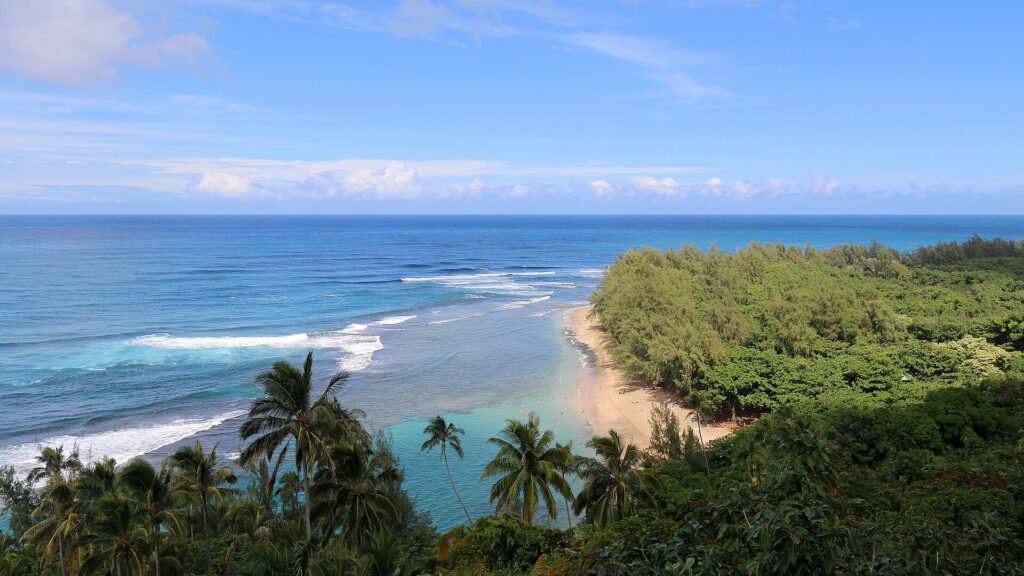
The highway on Kaua’i’s north shore simply stops at Ke’e Beach. A reef lagoon, the Nā Pali cliffs, and the start of the Kalalau Trail.
Floods closed Hā’ena State Park in April 2018. When it reopened in June 2019, the state capped visits at 900 people a day, all booked ahead. Drivers without a reservation get turned around.
Today, nonresidents pay $5 per person to enter and $10 per vehicle to park, and reservations open 30 days out. Hawai’i residents with a state ID get in free, no booking needed. The surrounding community has about 550 people.
The beach is open to everyone. Just not to everyone at once.
8. Sitka, Alaska: Residents voted on a cruise cap and turned it down
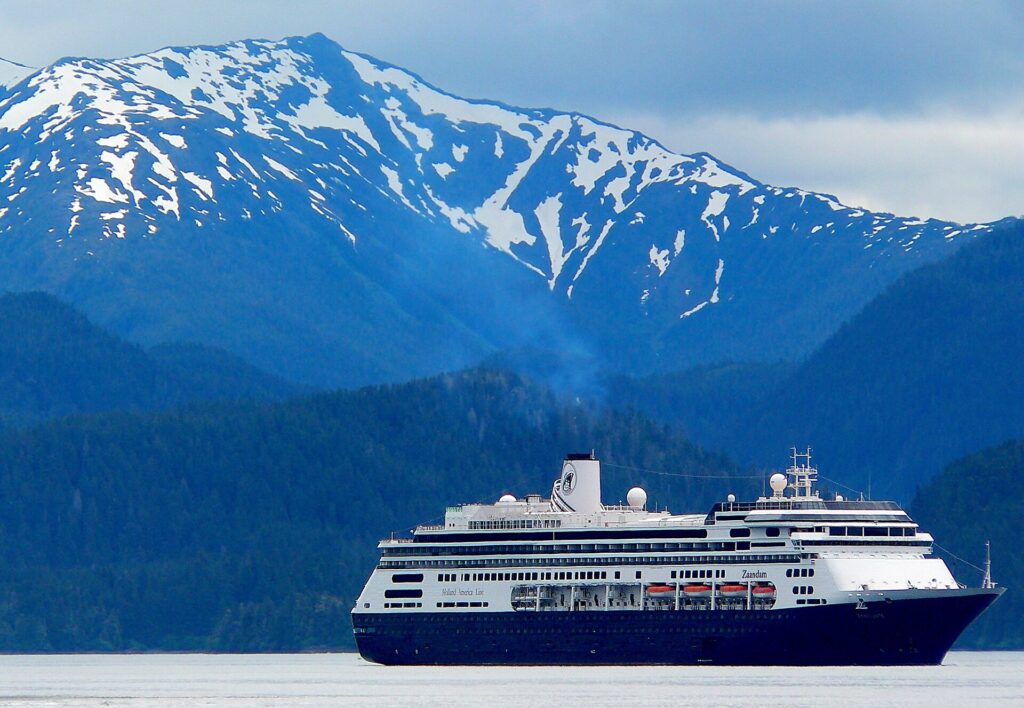
Sitka has about 8,400 residents. On its busiest cruise days, more than 13,000 visitors can come to town.
A local group called Small Town Soul put a cap on the ballot: 300,000 cruise visitors a year, 4,500 a day, and at least one ship-free day a week. On May 28, 2025, Sitkans rejected it, 2,071 to 773, in one of the city’s biggest turnouts in years.
The pressure isn’t going away anywhere in Southeast Alaska. Down the coast, Ketchikan was expecting more than 1.6 million cruise passengers in 2026.
Sitka argued about it out loud. Then it kept the ships.
9. South Lake Tahoe, California: Voters banned vacation rentals, and a judge undid it
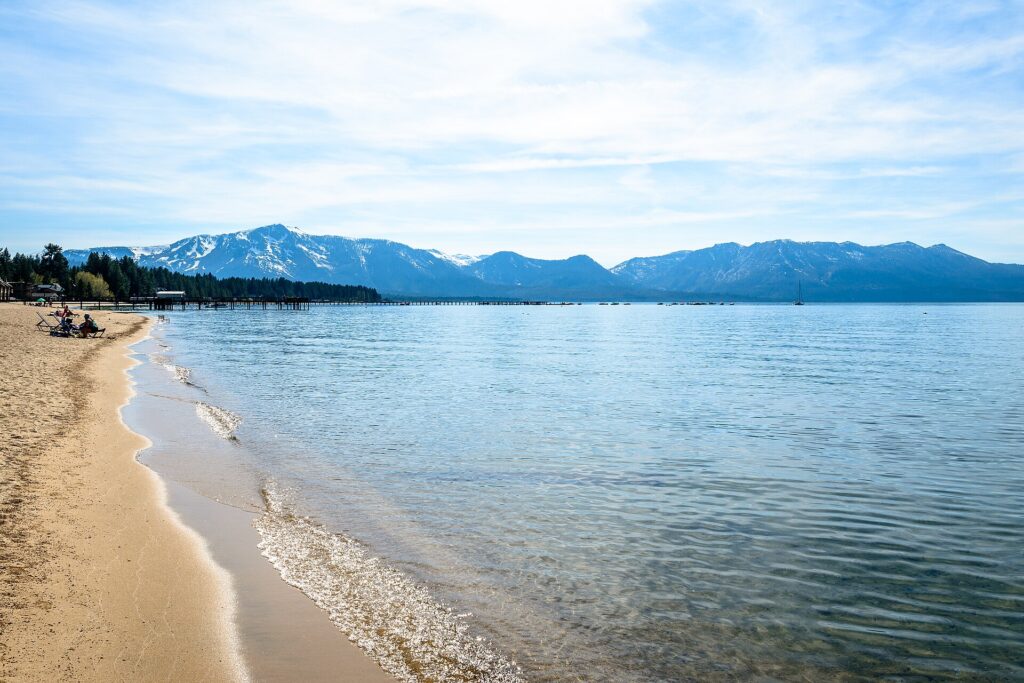
On a residential street in South Lake Tahoe, the house next door might hold a family one week and a weekend rental crowd the next. In 2018, neighbors tried to end that.
Measure T passed by just 58 votes. It phased out vacation home rentals in residential neighborhoods by the end of 2021, while leaving them alone in the tourist core. An appeals court largely upheld it in 2023.
Then, in March 2025, a county judge struck the measure down entirely, finding that its exemption for residents was unconstitutional. The council of the small city, about 21,000 people, voted 4-1 not to appeal. Since April 2026, residential rentals are back, capped at 900 permits.
The neighbors won at the ballot box. The renters won in court.