A pickup comes over the rise on a two-lane highway. As it passes, the driver lifts two fingers off the steering wheel. You lift yours back.
Nobody taught you that. You just picked it up somewhere between the last gas station and the next one, which in Montana can be a long way off.
The towns out here grew up around one thing. A steamboat landing, a railroad stop, a gold strike, a coal seam, a hot spring. Most of those reasons are long gone, and plenty of the towns went with them.
We’ve written about remote towns where the grocery run takes an hour, and one of them was in Montana. These seven are a little easier to reach. They kept their main streets, their old buildings and their stories.
The wave is just how they say hello.
1. Fort Benton, Montana: A dog waited at the depot for five and a half years
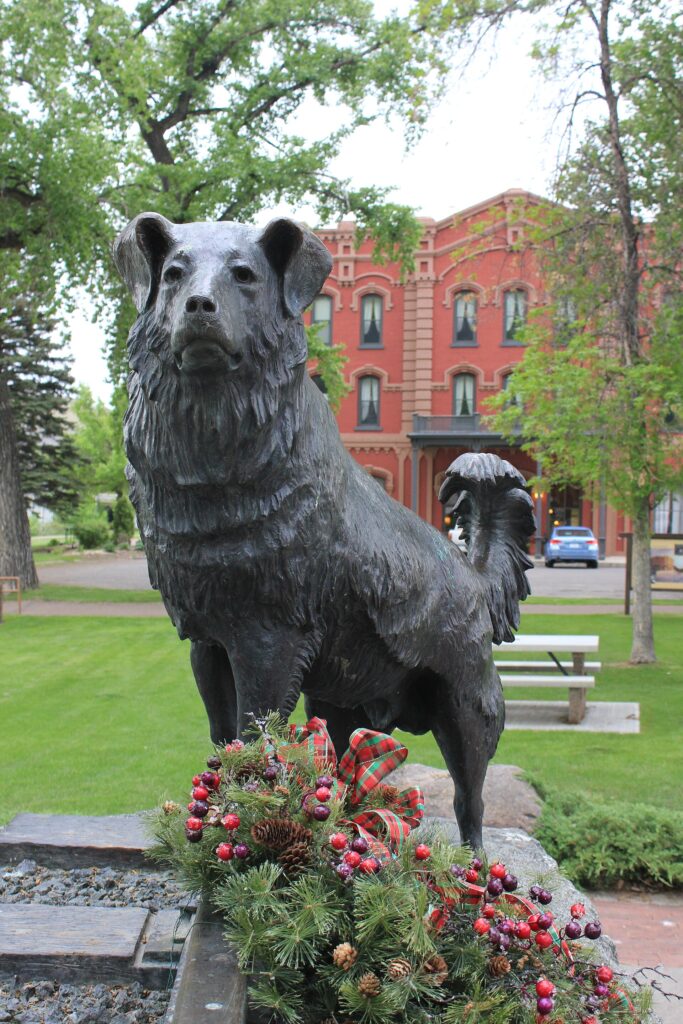
A bronze collie stands on the riverfront near the old Grand Union Hotel. Flowers grow around its base.
In August 1936, a sheepherder died in the Fort Benton hospital, and his casket was put on an eastbound train. His dog, Shep, watched it go. Then he met every train that came in for the next five and a half years, until he was killed on the tracks in January 1942. Nearly the whole town came to his funeral. Shep’s collar and bowl are now at the Museum of the Upper Missouri.
Fort Benton was founded in 1846 and is the oldest continuously occupied settlement in Montana. Steamboats from St. Louis tied up here for 30 years, which earned it the name “the world’s innermost port.” The waterfront is a National Historic Landmark, and about 1,450 people live here.
The trains don’t stop here anymore. Shep still does.
2. Big Timber, Montana: The Grand Hotel came through the 1908 fire
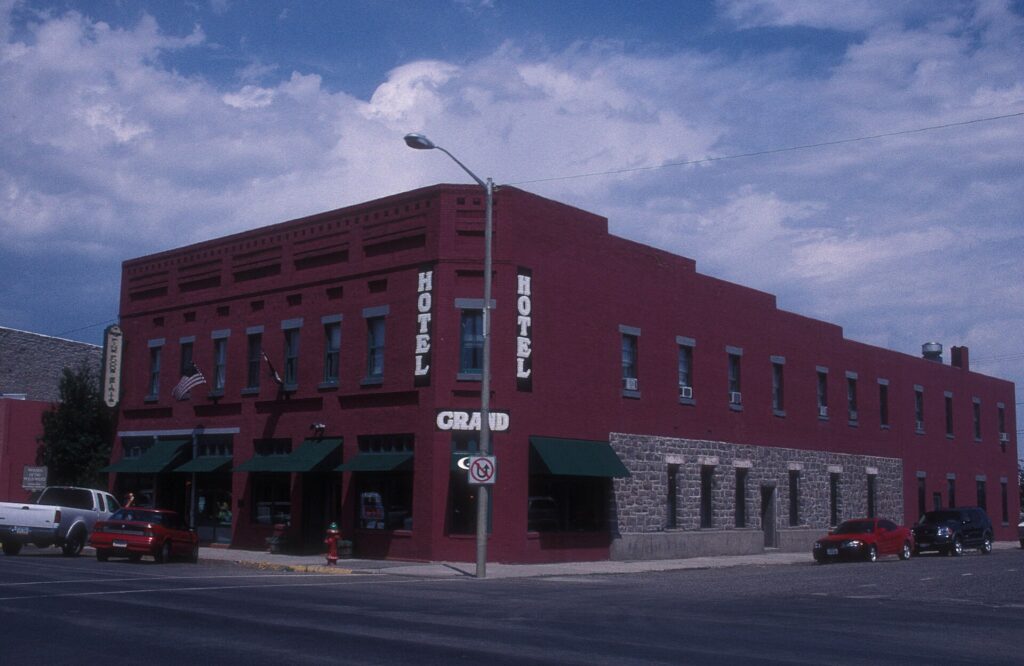
A red brick hotel stands on the corner of McLeod Street, with the Crazy Mountains on the horizon. Some of its rooms still share a bath down the hall.
William Clark named Big Timber Creek for its big cottonwoods. In 1881, the first sheep were driven into the county, and once the Northern Pacific came through, Big Timber became a major wool-shipping depot. A sheep rancher named Jacob Halverson paid for the Grand Hotel in 1890. In 1908, a fire wiped out most of the businesses on McLeod Street, but the hotel survived. It is on the National Register.
The Grand still rents rooms and serves dinner, which puts it in good company with other hotels that have taken in travelers for over a century. About 1,650 people live in town.
Wool paid for the hotel. The hotel outlasted the fire.
More from American Charm
 People who pick a counter stool over a booth usually love these 7 small town diners that rolled out of a factory
 People who know their mayor by first name usually love these 8 things a small-town mayor can do that a governor can’t
 People who dug to the bottom of the cereal box for the prize usually remember these 8, and a few are worth real money now
3. Harlowton, Montana: The place where electricity replaced steam
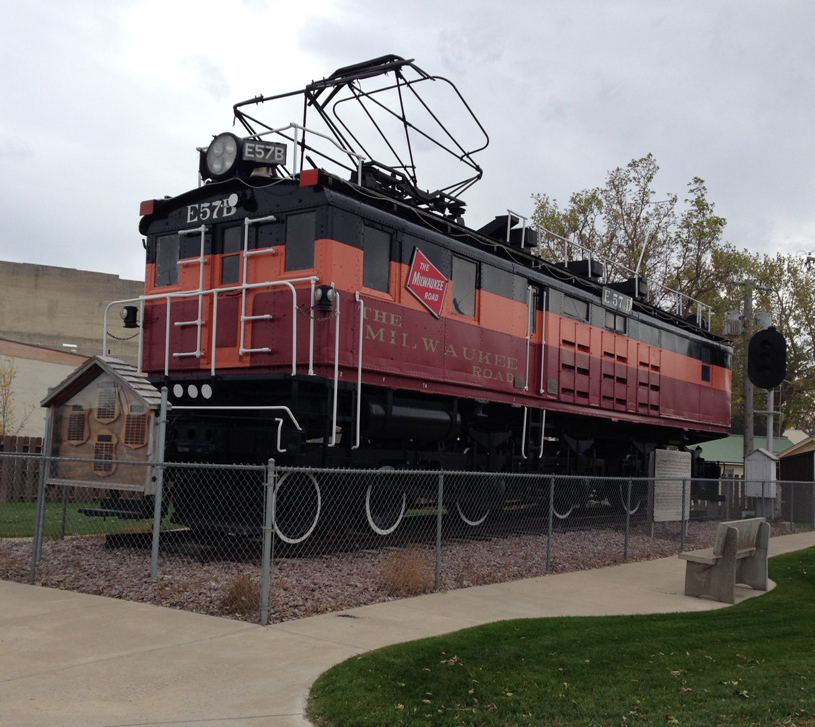
An orange boxcab locomotive sits on a short piece of track in town. It last worked in 1974.
Harlowton was founded in 1900 as a railroad stop. In 1915, the Milwaukee Road electrified its line from here to Avery, Idaho, more than 400 miles across the mountains. Trains coming from the east swapped their steam or diesel engines for electric ones in Harlowton, and the town became known as “the place where electricity replaces steam.” The railroad shut off the wires in 1974, and the last train came through in March 1980.
Engine E57B worked as the Harlowton switcher until June 1974 and is now preserved here on static display. The old depot is a museum. About 955 people live in Harlowton.
The railroad left. Harlowton kept the engine.
4. White Sulphur Springs, Montana: A granite castle looks down on a hot springs town
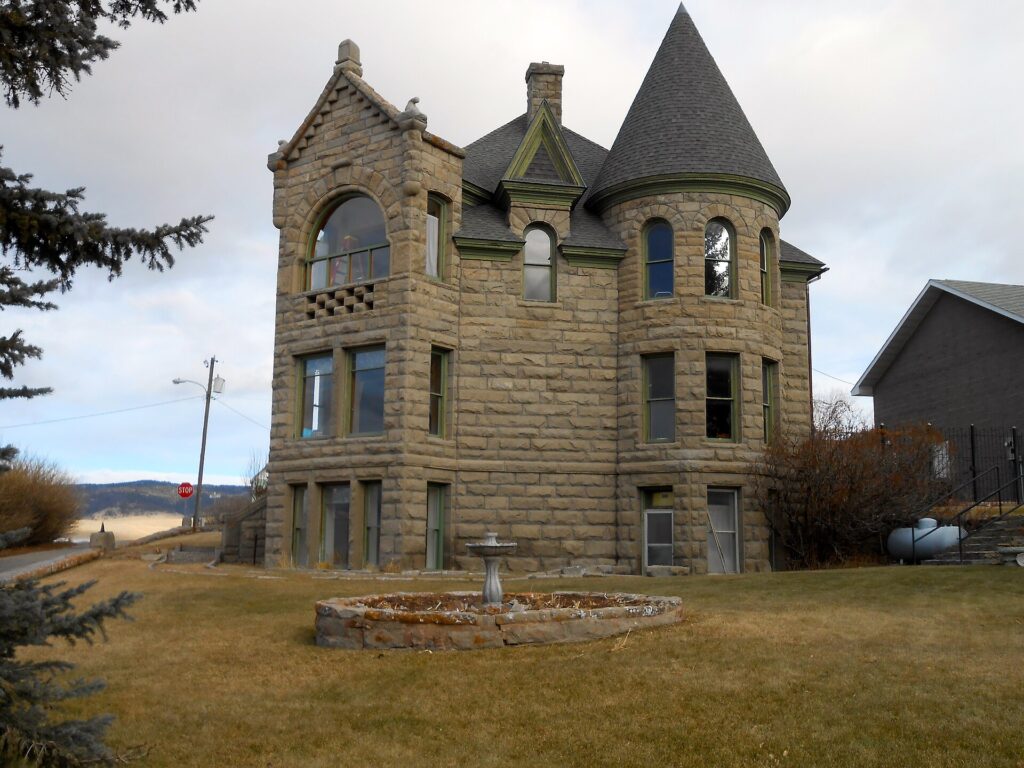
Rough granite walls, two round towers and a view over the whole town. It is known simply as the Castle.
The town started with the springs. James Brewer claimed them in 1866, and the place was called Brewers Springs until 1876. Hot Springs Creek still rises in the middle of town at a hotel where you can soak in the mineral water. The Castle, built as the Byron R. Sherman House, is now the Castle Museum, run by the Meagher County Historical Society.
The novelist Ivan Doig was born here, and the Meagher County News has come out every week since 1934. About 955 people live in town.
The water drew the first people in. The quiet keeps the rest.
5. Red Lodge, Montana: A coal town turned its main street around
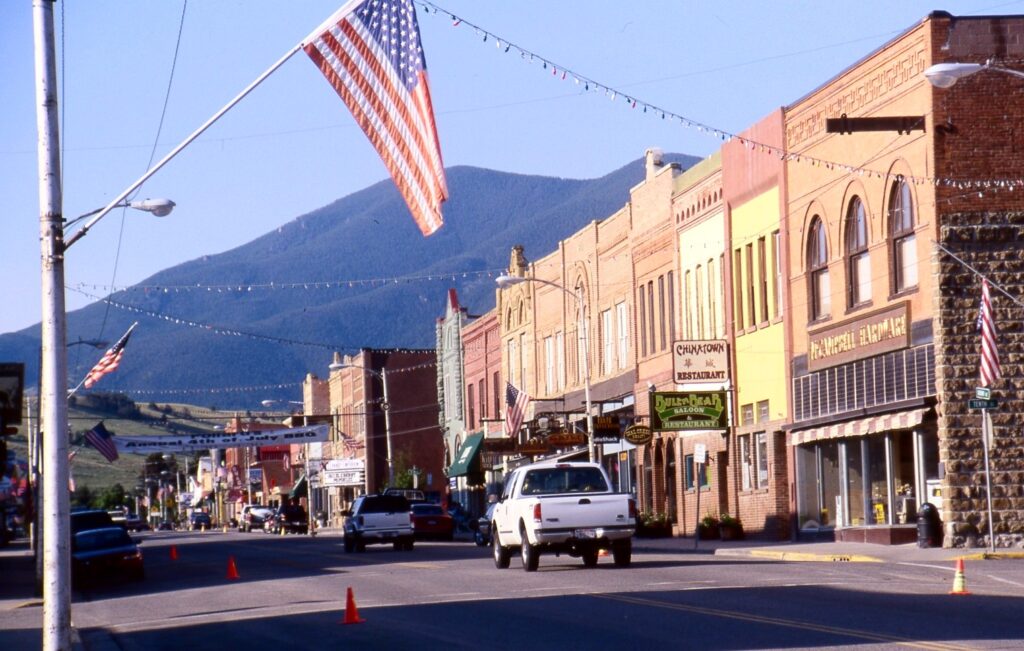
Brick storefronts run up the main street toward the mountains. In summer, much of the traffic is headed up the Beartooth Highway, which climbs to nearly 11,000 feet.
Red Lodge was a coal town. In 1896, it had twenty saloons, and by 1915 about 6,000 people lived here. When the Depression shut the mines, some residents turned to bootleg liquor labeled as syrup and sold it as far away as Chicago. In 1943, an explosion at the nearby Smith Mine killed 74 men, the worst coal mine disaster in Montana’s history. There is a memorial in the Red Lodge cemetery.
The Beartooth Highway opened in 1936, and Charles Kuralt called it the most beautiful drive in America. Snow usually closes it from mid-October to mid-May. About 2,250 people live in Red Lodge, and the downtown has been restored since the mid-1980s.
The coal ran out. The road up the mountain didn’t.
More from American Charm
 People who grew up on these 8 foods usually have no idea they originated in America, each in one hometown
 15 New Laws Taking Effect January 1, 2027 That Could Change Your Paycheck, Prescriptions and Shopping
 People who grew up near Amish country usually know these 9 things about Amish home life that most visitors never learn
6. Virginia City, Montana: A gold camp served as the territorial capital for ten years
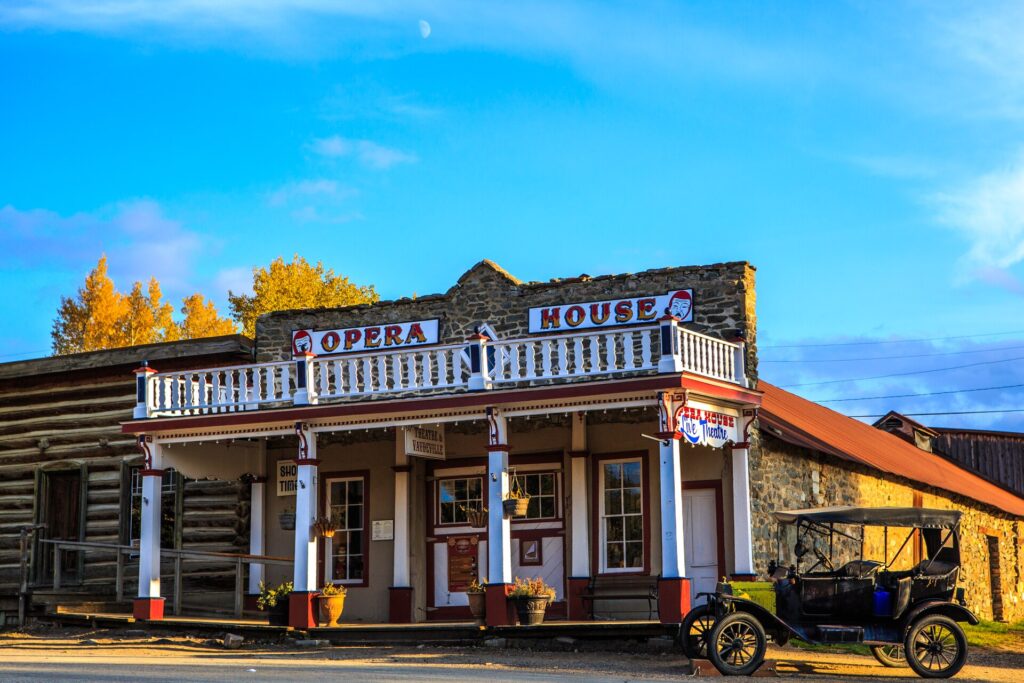
Wooden boardwalks, false-front buildings and a courthouse from 1875. About 219 people live in a town that once had thousands.
On May 26, 1863, prospectors found gold in Alder Gulch. Within weeks the camp was a boomtown. Its founders wanted to name it Verina, after the wife of the Confederate president, but a judge from Connecticut objected and recorded it as Virginia City instead. From 1865 to 1875, it was the capital of Montana Territory. In the 1940s, Charles and Sue Bovey started buying up the empty buildings and restoring them.
The whole town is a National Historic Landmark district, and its neighbor Nevada City sits about a mile down the gulch. Along the gulch, some businesses stay open year-round and others open only for the summer season.
The gold played out more than a century ago. The buildings stayed put.
7. Choteau, Montana: Dinosaur eggs and a Pulitzer Prize winner’s hometown
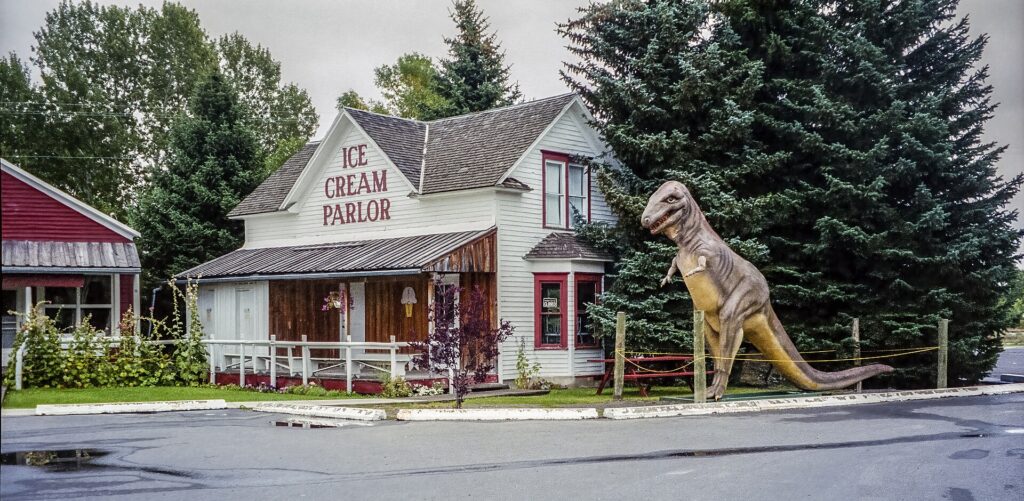
A dinosaur stands next to the ice cream parlor. Say the town’s name SHOH-toh, and nobody will correct you.
Choteau started as a trading post in 1873. In 1978, Marion Brandvold found the bones of a duck-billed dinosaur west of town. That find led to Egg Mountain, one of the world’s most important fossil sites, and to the Maiasaura, now the Montana state fossil. The Old Trail Museum shows it during its summer season.
A.B. Guthrie Jr. grew up here. His father was the first principal of the county high school. Guthrie went on to win the 1950 Pulitzer Prize for The Way West and wrote the screenplay for Shane. About 1,700 people live here.
Choteau’s oldest residents were dinosaurs. Its best-known one wrote westerns.
More from American Charm
 People who sing along to country radio usually love these 9 country singers who “couldn’t sing,” and know why it worked
 People who never missed ‘Bonanza’ on Sunday night usually remember these 9 things the show got wrong about the Wild West
 People who still remember when the workday ended at five usually recognize these 9 cities where hustle culture finally broke people