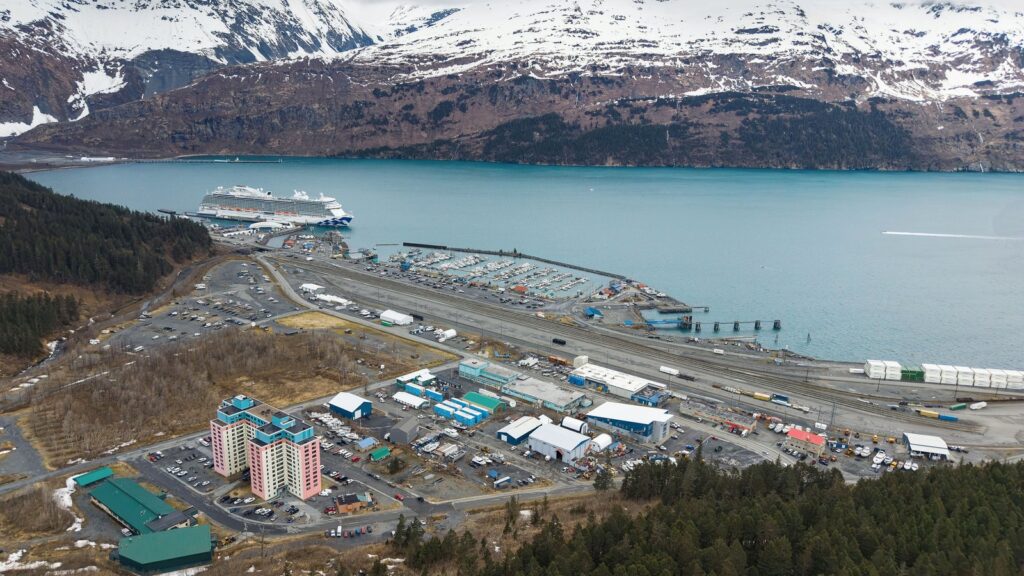
The boats are out before daylight. By midmorning the harbor has gone quiet, the coffee is on, and the only line in town is at the post office window. Somebody’s truck idles outside with the door open.
Nobody here would call it old-fashioned. It’s just Tuesday.
Maine makes this easier than most places. At the 2020 census, about 61 percent of Mainers lived in rural areas, more than in any state except Vermont. Drive past Portland and the towns get small fast.
It’s one reason Maine keeps turning up among the states where daily life still runs at a 1950s pace. The interstate works. Nobody’s arguing that. But once you get off it, the towns set the speed.
Some of them have been setting it for two hundred years.
1. Castine, Maine: The British dug in here in 1779, and the earthworks are still there
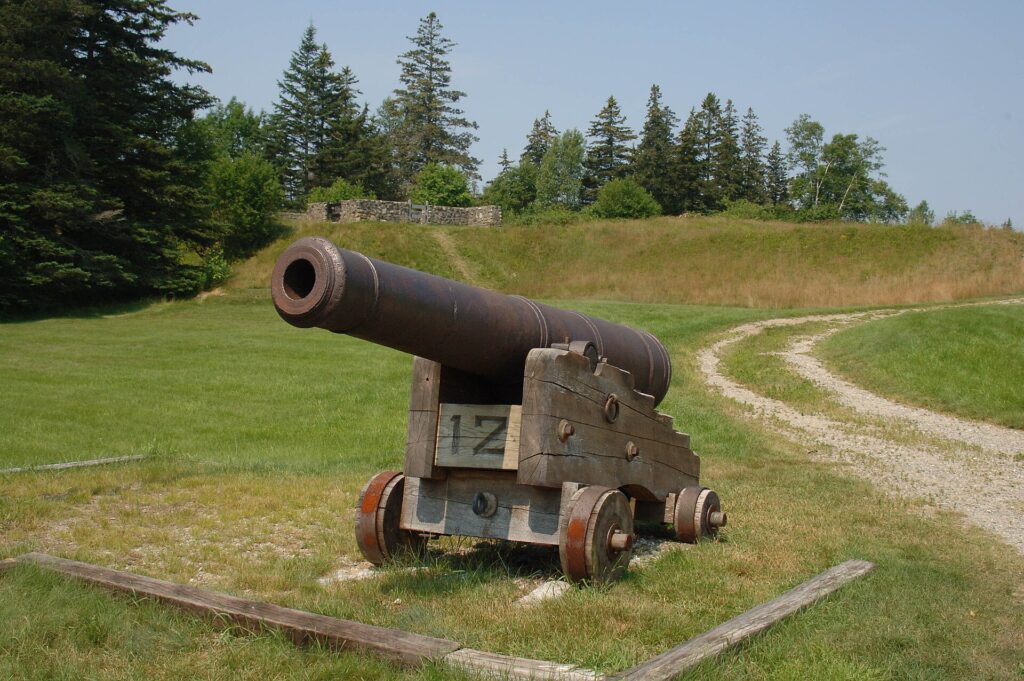
On high ground above the harbor sits a grassy square of earth about 200 feet on a side, with a cannon and a lot of quiet. That’s Fort George. British troops built it in 1779.
Massachusetts, which then included Maine, sent a fleet to drive them out. The Penobscot Expedition failed badly. It’s often called the worst American naval defeat before Pearl Harbor. The state bought the fort’s remains in 1940, and the town looks after the park.
Castine has 1,320 people and Maine Maritime Academy. Its streets are lined with old Federal and Greek Revival houses under big elms. When an elm dies, it’s replaced with a disease-resistant strain.
Castine calls itself the battle line of four nations. These days the battle is mostly with elm disease.
2. Stonington, Maine: The 1912 opera house still shows movies on Friday nights
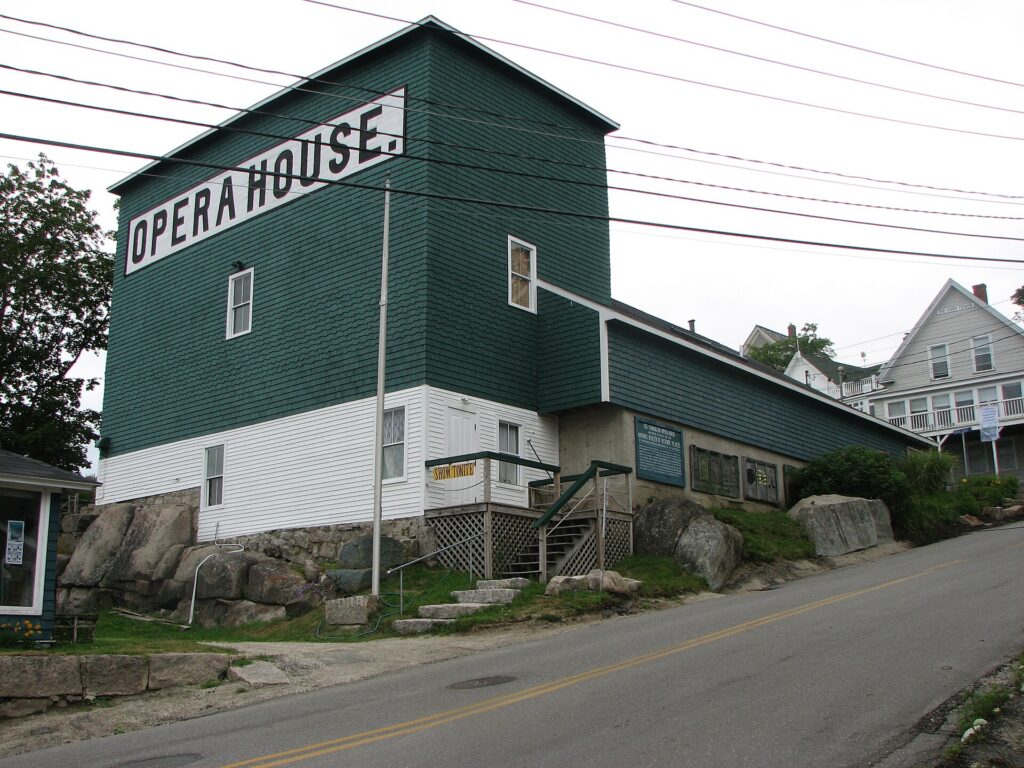
The sign just says OPERA HOUSE, in black capitals on green shingles above Main Street. On December 11 it’s showing Toy Story 5. Adults pay $10.
The first hall burned in 1910, on the night the town’s first fire hydrants went into service. The hydrants saved the rest of the town. Dr. B. Lake Noyes rebuilt the hall by 1912. Over the years it held vaudeville, graduations, town meetings, basketball games and even roller skating.
Down the hill, the harbor does the real work. Stonington, a town of 1,056, was again Maine’s top fishing port by value in 2025, at just over $49 million, according to state figures. The town has long ranked among the top lobster ports in the country.
Most towns build a theater for the shows. Stonington built one for everything.
More from American Charm
 People who dug to the bottom of the cereal box for the prize usually remember these 8, and a few are worth real money now
 People who grew up on these 8 foods usually have no idea they originated in America, each in one hometown
 15 New Laws Taking Effect January 1, 2027 That Could Change Your Paycheck, Prescriptions and Shopping
3. Eastport, Maine: The mustard is still ground on stones that date to 1900
At 83 Washington Street, Raye’s sells mustard by the squeeze bottle, the half gallon and the gallon. A bottle starts at $6.95.
The mill opened in 1900 to supply the sardine canneries. Eastport had 13 of them by 1886, running day and night in season. The canneries are gone now. The mustard outlasted them.
Four generations on, the family says it still grinds on the same 125-year-old stones. It bills the place as the last traditional stone-ground mustard mill in North America. Mill tours are paused for now, but the shop is open. Eastport has 1,288 people, the fewest of any city in Maine.
The sardines left town. The mustard stayed.
4. Machias, Maine: Settlers planned a sea battle in this 1770 tavern
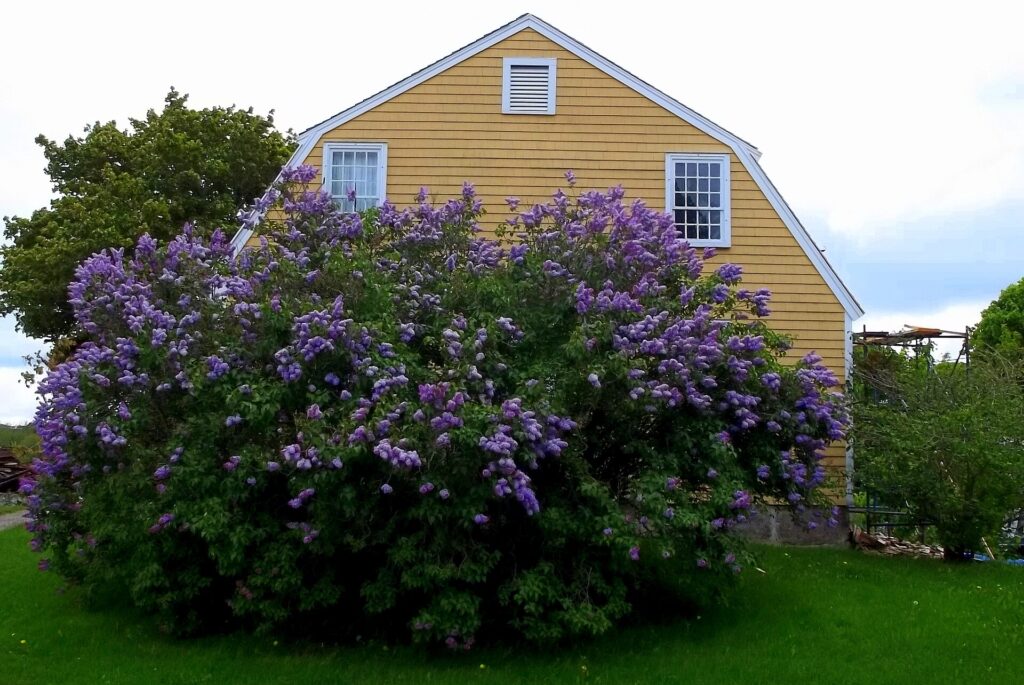
Job Burnham built his tavern on what’s now Colonial Way in 1770. It has a gambrel roof and a big central chimney. Admission is a suggested $5 donation.
In June 1775, the British wanted Machias lumber for their barracks. The settlers refused. A few had muskets. Others carried pitchforks and axes. They sailed down the river and captured the armed schooner Margaretta. Machias counts it as the first naval battle of the Revolution.
The local militia met at the tavern. Afterward, it served as a hospital for the wounded from both sides. The Daughters of the American Revolution have looked after it since 1910, and it opened with expanded hours for the summer 2026 season. Machias has 2,060 people.
The town fought the British with pitchforks. Then it treated their wounded in the same house.
5. Wiscasset, Maine: One family kept Castle Tucker almost exactly as it was
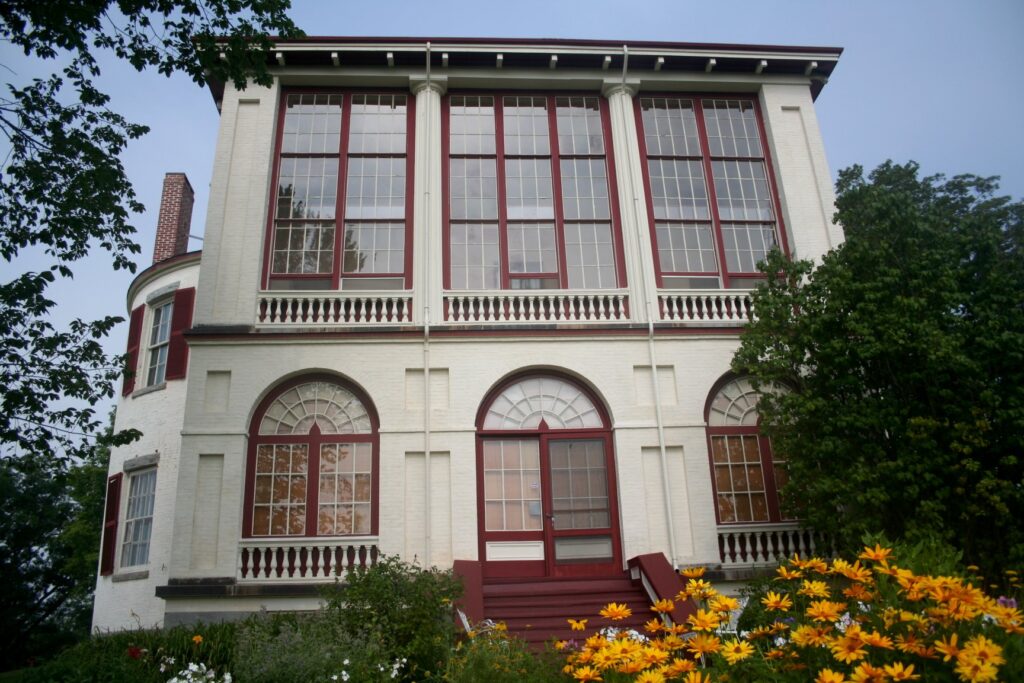
Castle Tucker stands above the Sheepscot River, all tall arched windows and pale walls. Judge Silas Lee built it in 1807, when Wiscasset was the busiest port east of Boston.
Captain Richard Tucker bought it in 1858. By the 1880s money ran short, so his wife, Mollie, took in summer boarders. She and her daughter Jane sold baked goods, hand-painted china and squab. Jane lived there until 1964. Then a niece, Jane Standen Tucker, came from California and kept the house and nearly everything in it.
Historic New England owns it now and gave free tours at its June 2026 open house. Down the hill at 41 Water Street, Red’s Eats has sold lobster rolls from its little shack by the bridge since 1954. It’s closed for the winter and reopens in spring 2027.
Most families redecorate. The Tuckers just kept dusting.
More from American Charm
 9 everyday American symbols that mean something totally different in other countries, and the famous moments that proved it
 8 American chain restaurants that are way better abroad, where a bucket of fried chicken can mean Christmas
 The 10 biggest, heaviest American cars of all time, built when a car’s length was a point of pride
6. Hallowell, Maine: Water Street had 71 stores around 1830 and still throws itself a party every July
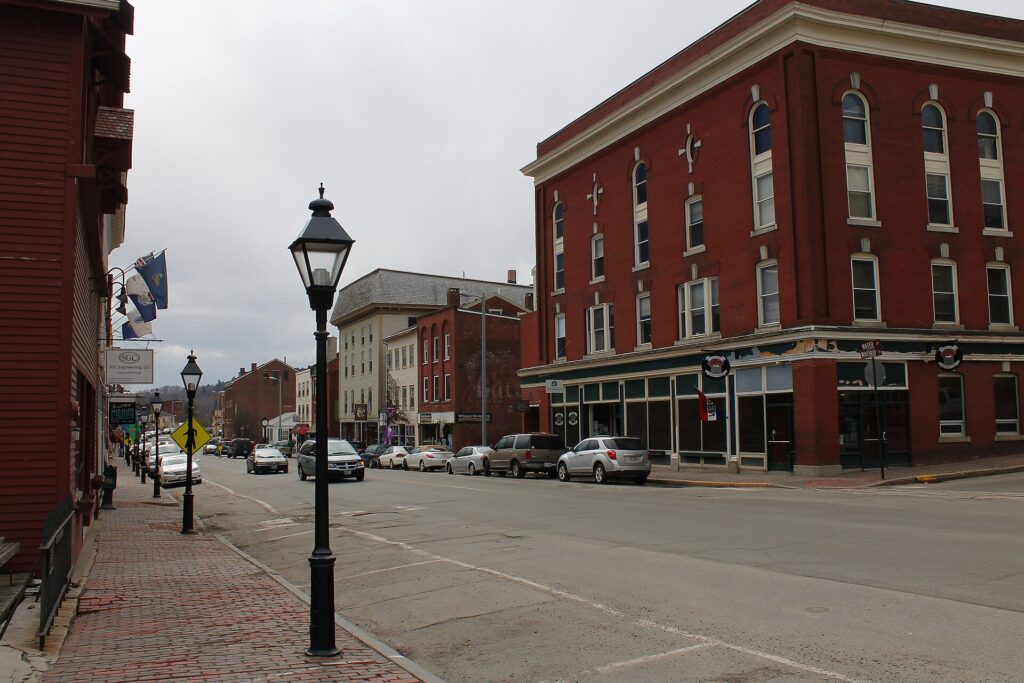
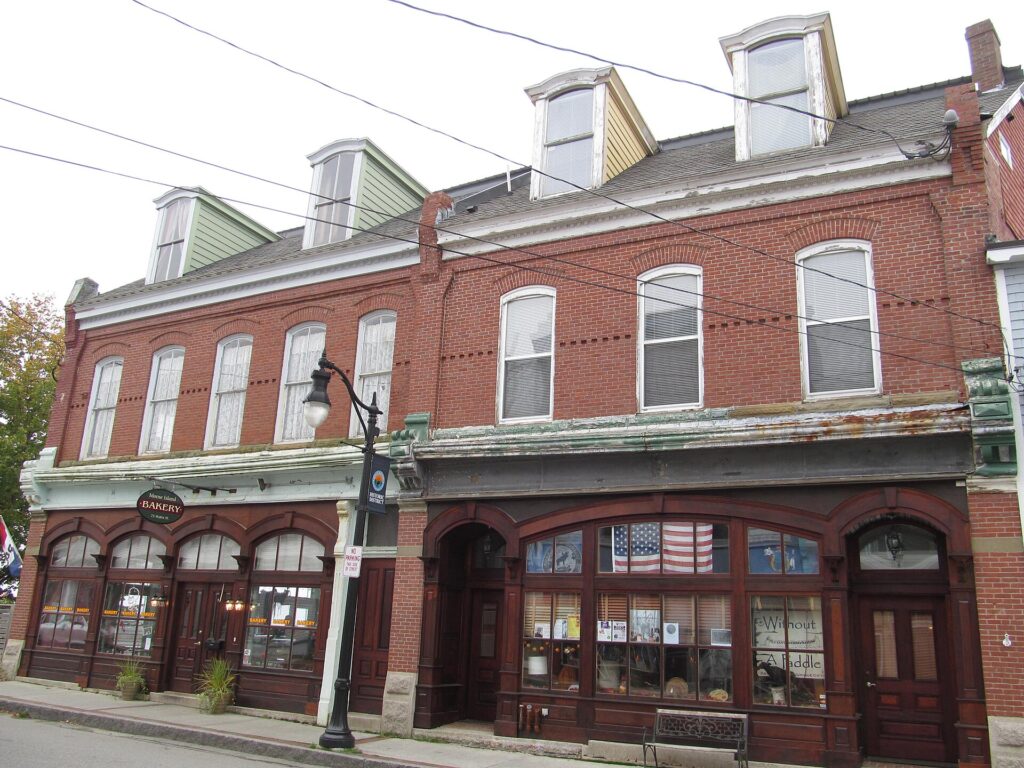
Brick blocks three and four stories tall line Water Street along the Kennebec. Iron lampposts. Restaurants. A bakery at the corner of Union Street.
Around 1830, by one count, Water Street had 71 stores. Augusta, just upriver, had 20 merchants. Hallowell has 2,570 people now and goes by “Maine’s Antique Riverport.”
Old Hallowell Day has filled the street on the third Saturday in July since 1968, with a parade and fireworks. The 2026 edition was July 18. The night before, the 31st annual cribbage tournament was held on Water Street.
Augusta got the statehouse. Hallowell kept the storefronts.
7. Monson, Maine: The Kennedy grave markers at Arlington came from this town of 609
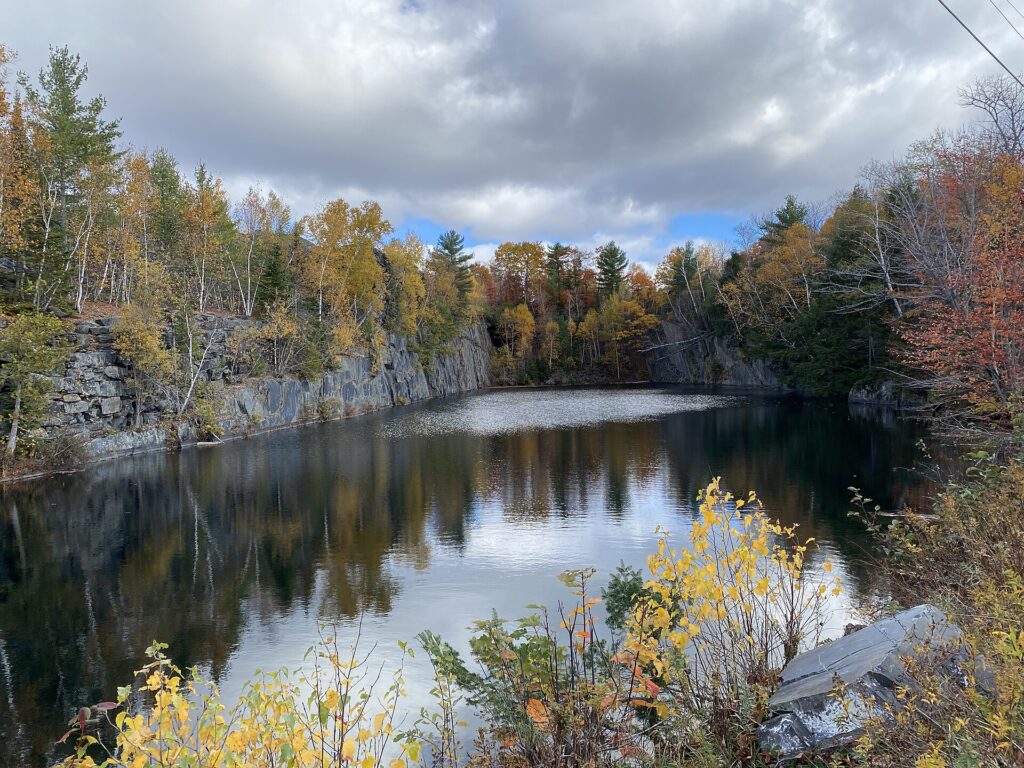
An old slate quarry outside the village holds black, still water, ringed with trees. In October they turn orange and gold.
A Welsh-born resident found slate here in 1870, and the quarries built the town. A narrow-gauge railroad hauled slate out until 1943. The grave markers of John F. Kennedy and Jacqueline Kennedy Onassis at Arlington are black Monson slate.
When the industry faded, so did Monson. In 2016 the Libra Foundation bought 30 downtown buildings and put $10 million into reviving the town. Monson Arts opened in 2018 and hosted an illustration week in October 2026. Monson is also the last town on the Appalachian Trail before the Hundred-Mile Wilderness.
Hikers come through to resupply. Artists come to stay a while.
8. Kingfield, Maine: The Stanley Steamer twins grew up in this town of 960
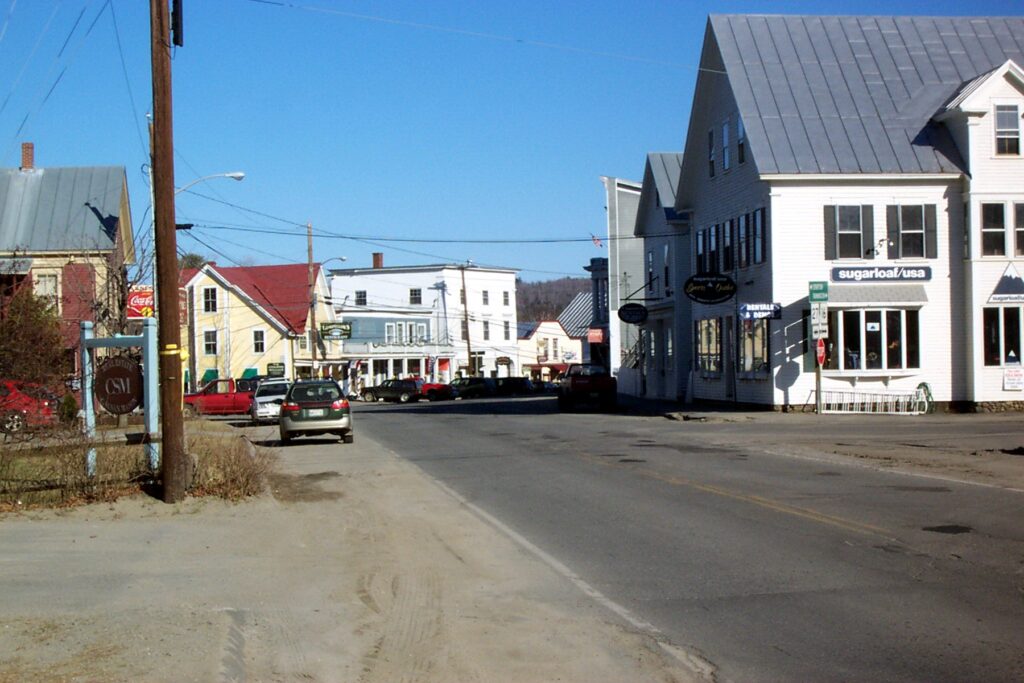
Four Stanley Steamers sit inside a 1903 schoolhouse at 40 School Street. Admission is $8, or $5 for seniors.
F.E. and F.O. Stanley were twin sons of one of Kingfield’s early settlers. They made photographic dry plates, a business Eastman Kodak bought in 1903. They also built the Stanley Steamer, a steam-powered car, from 1902 to 1924.
In 1906, a Stanley Steamer covered a mile in 28.2 seconds, about 127 mph. No car beat that until 1911. Kingfield is better known now as the road to Sugarloaf. The museum is open Tuesday to Friday this time of year.
In 1906, the fastest mile on Earth ran on steam. Back home, Kingfield never did pick up the pace.
More from American Charm
 People who still stop for every historical marker usually love these 9 American towns that are smaller than their legends
 People who still pull over for hand-painted billboards usually remember these 8 roadside attractions, and every one is still open
 People who’d rather spend a Saturday on Main Street than at a resort usually fall for these 9 small towns in America’s most beautiful states
9. Fryeburg, Maine: The fair has run since 1851, and this year it went back to eight days
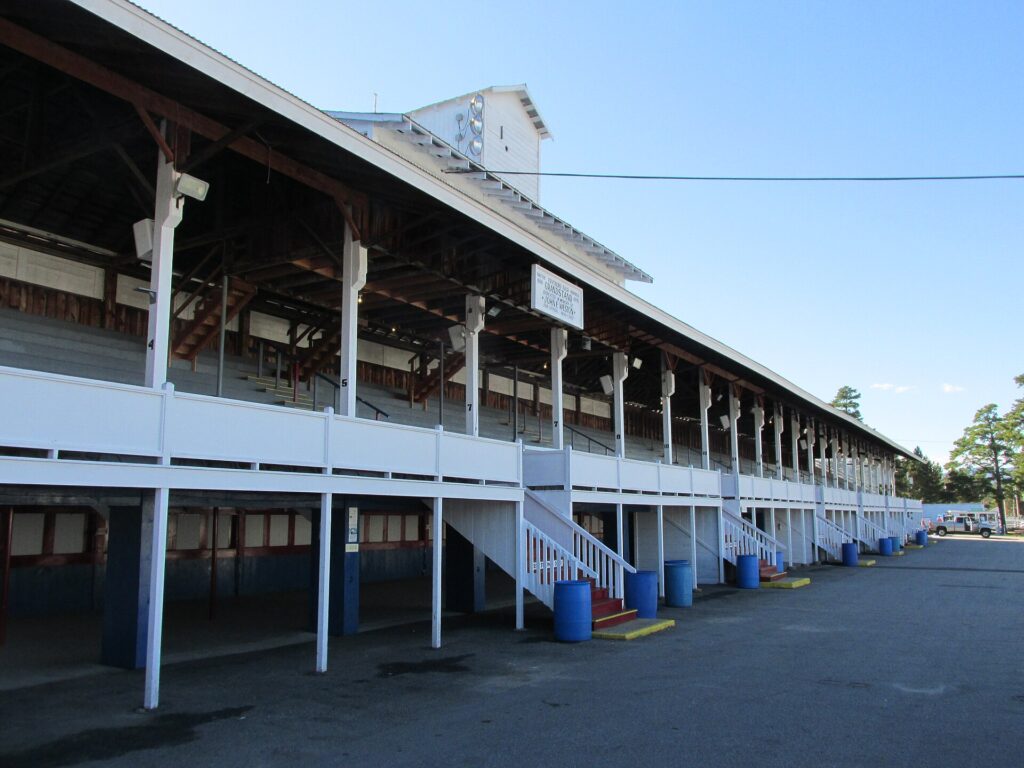
Every October, the grandstand fills for harness racing and the barns fill with oxen, sheep and dairy cattle. This year the fair ran October 4 through 11.
A few local farmers and merchants started it in March 1851 to show off their harvest and livestock. It moved around western Maine before settling on its Fryeburg grounds in 1885. Today the fair calls itself Maine’s largest agricultural fair, with 200 acres, more than 100 buildings and over 3,000 animals.
In 2025 it stretched to nine days. For 2026, the state agriculture commissioner turned down a ninth day again, and the fair went back to its traditional eight. Fryeburg itself has 3,369 people.
The fair asked for one more day. The state decided eight was plenty.
More from American Charm