
1. San Francisco
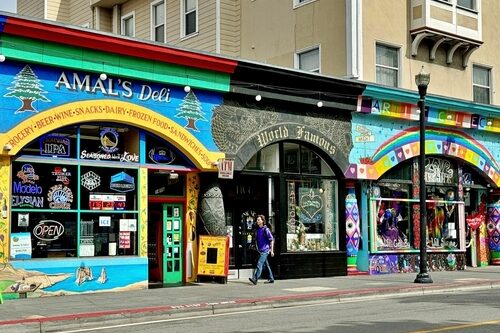
San Francisco’s reputation as a tech-powered utopia still lingers from the early Silicon Valley boom days. It’s undeniably beautiful, with iconic views of the Golden Gate Bridge and historic cable cars. But the city has struggled with soaring rents that have made it one of the most expensive housing markets in the country. Population declines in recent years have also highlighted how hard it is for many residents to stay.
Visitors are often surprised by the extent of open-air drug use and homelessness in certain neighborhoods. Downtown office vacancy rates spiked after the pandemic as tech companies embraced remote work. For a city once seen as the future, parts of it now feel like they’re searching for a reset. The contrast between postcard scenery and street-level challenges is stark.
2. Los Angeles
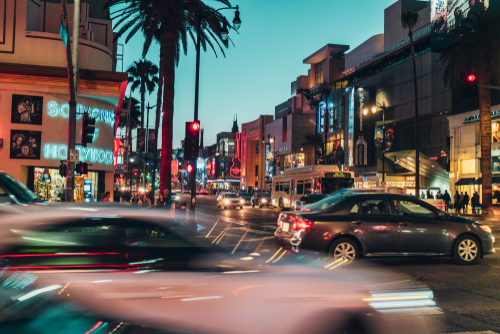
Los Angeles sells the dream better than almost anywhere in America. The sunshine, palm trees, and Hollywood mystique make it feel like a permanent movie set. But day-to-day life here is often defined by traffic congestion that regularly ranks among the worst in the country. Add in high housing costs and visible homelessness, and the fantasy can feel a lot less glamorous up close.
People arrive expecting constant celebrity sightings and beachside bliss. Instead, many find themselves spending hours on packed freeways like the 405 just to get to work. While neighborhoods like Santa Monica and Silver Lake can be charming, they’re also increasingly unaffordable. The gap between the glossy image and the lived reality is hard to ignore.
3. New York City
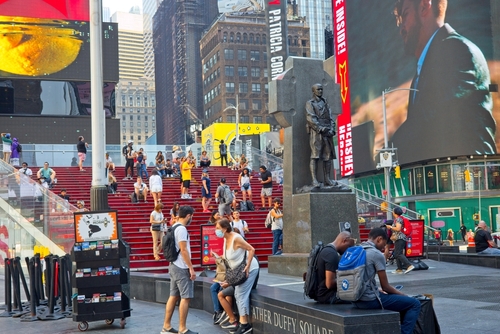
New York City is sold as the city that never sleeps, and in many ways it lives up to that. Broadway lights, world-class museums, and nonstop energy are very real. But so are the sky-high rents and cramped apartments that define everyday life for many residents. The cost of basics, from groceries to childcare, can be overwhelming.
Crime is far below its 1990s peak, but highly publicized incidents on the subway have rattled public confidence. The pressure to hustle constantly can burn people out fast. For newcomers chasing a cinematic “Empire State of Mind” moment, the grind can be sobering. The city’s intensity isn’t for everyone, no matter how iconic it looks on screen.
4. Miami
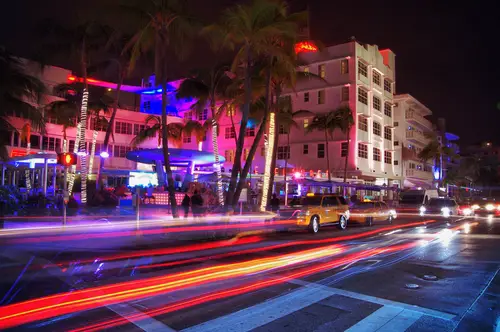
Miami markets itself as a tropical playground with nightlife that never quits. South Beach glamour and Art Deco façades create a strong first impression. Yet the city faces serious climate risks, including regular tidal flooding in some neighborhoods. Insurance costs and housing prices have risen sharply as demand has surged.
Beyond the beaches, wages often lag behind the cost of living. Traffic congestion and limited public transit can make commuting frustrating. The party reputation also masks the reality that many residents juggle multiple jobs to stay afloat. The sunshine is real, but so are the trade-offs.
5. Austin
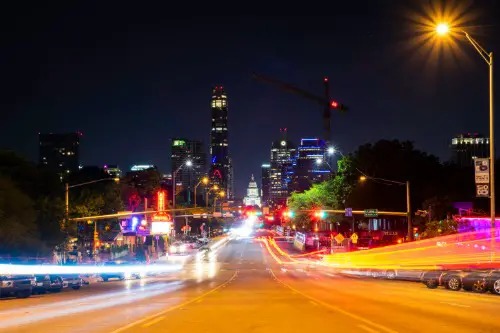
Austin built its brand on being weird, creative, and refreshingly different from the rest of Texas. The tech boom and festivals like South by Southwest helped cement its cool-kid reputation. But explosive population growth has pushed home prices up dramatically over the past decade. Longtime residents often talk about how much harder it is to afford the city they once loved.
Traffic congestion has worsened as infrastructure struggles to keep pace with growth. Summers are brutally hot, with extended stretches of triple-digit temperatures becoming more common. The quirky, laid-back vibe can feel diluted by rapid development and luxury high-rises. For some, the new Austin feels more corporate than countercultural.
6. Seattle
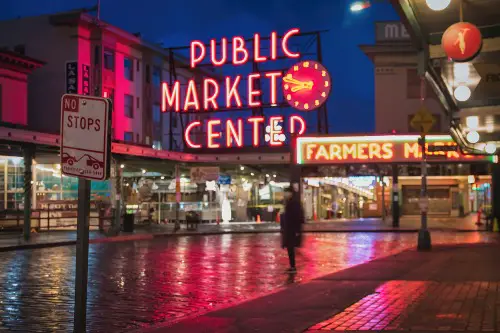
Seattle is synonymous with coffee culture, tech innovation, and stunning natural scenery. Views of Puget Sound and Mount Rainier give it undeniable visual appeal. Yet the city has wrestled with rising housing costs fueled by major employers like Amazon. Many residents feel squeezed by rent increases that outpace wage growth in non-tech sectors.
The gray, rainy reputation is also grounded in reality for much of the year. Homelessness and encampments have been a persistent and highly visible issue. Downtown foot traffic dropped significantly during the pandemic and has been slow to fully rebound. The Emerald City still shines, but not as effortlessly as its image suggests.
7. Las Vegas
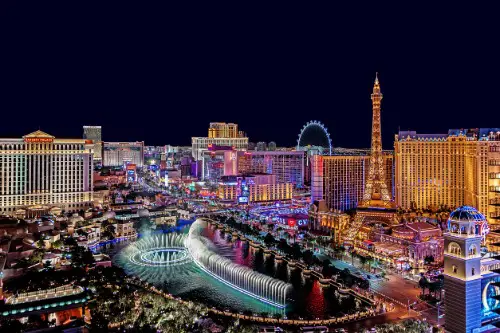
Las Vegas promises nonstop excitement, bright lights, and easy money. The Strip’s mega-resorts and entertainment residencies draw millions of visitors annually. But beyond the tourist corridor, many neighborhoods face economic challenges tied to the city’s reliance on hospitality jobs. When tourism dips, as it did during the pandemic, the local economy feels it fast.
Extreme summer heat regularly pushes temperatures well above 100 degrees. Water scarcity is an ongoing concern in the desert Southwest, adding long-term uncertainty. The party atmosphere can also translate into higher-than-average rates of problem gambling and related social issues. The sparkle fades quickly once you step off the casino floor.
8. New Orleans
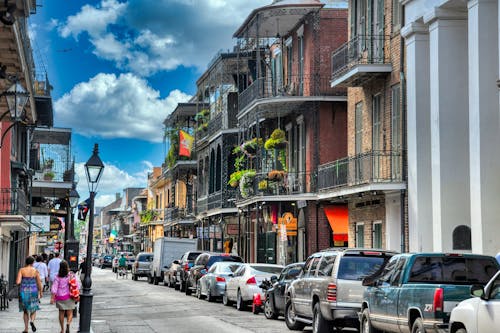
New Orleans has a cultural reputation that’s almost unmatched in the United States. Jazz, Mardi Gras, and Creole cuisine give it a magnetic pull. Yet the city continues to grapple with infrastructure challenges years after Hurricane Katrina. Aging drainage systems and frequent flooding remain part of daily life.
Violent crime rates have fluctuated but have been high in recent years compared to national averages. Economic inequality is deeply entrenched, and wages often trail tourism-driven expectations. Many historic neighborhoods face pressure from short-term rentals that drive up housing costs. The charm is real, but so are the structural hurdles.
9. Chicago
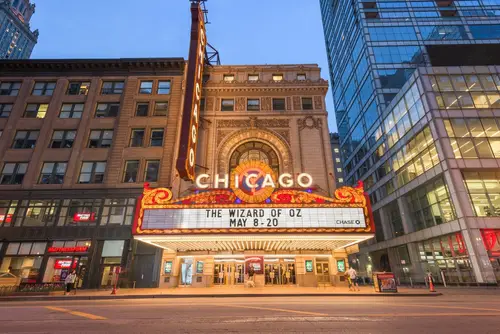
Chicago boasts iconic architecture, deep-dish pizza, and a skyline that rivals any in the country. It’s often celebrated as a more affordable alternative to coastal giants. However, the city has struggled with persistent gun violence concentrated in certain neighborhoods. Headlines about crime can overshadow its many strengths.
Harsh winters with lake-effect snow and biting winds surprise newcomers. Population declines in recent census estimates reflect ongoing challenges. Budget pressures and pension obligations have weighed on city finances for years. The Windy City remains vibrant, but its reputation sometimes glosses over serious complexities.
10. Portland
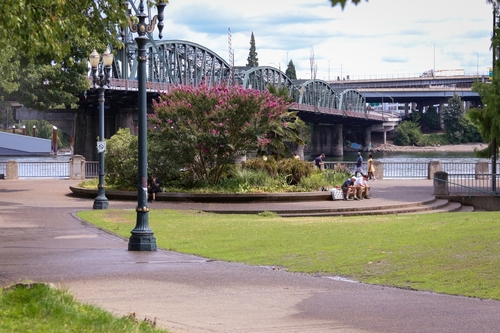
Portland earned a national image as a haven for artists, foodies, and free spirits. Its craft breweries and farm-to-table restaurants fueled that narrative. In recent years, though, the city has faced highly visible homelessness and drug-related issues. Downtown storefront vacancies increased after extended protests and pandemic disruptions.
Public debates over policing and public safety have been intense. Property crime rates have ranked high compared to many other large cities. Some longtime residents say the quirky charm feels overshadowed by daily frustrations. The laid-back ideal doesn’t always match the current reality.
11. Denver
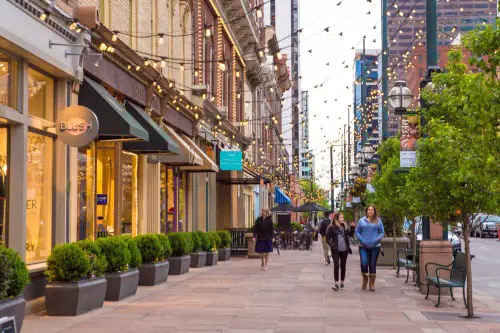
Denver’s mile-high branding and proximity to the Rockies attract outdoor enthusiasts in droves. It has marketed itself as a healthy, active, and booming city. Rapid growth, however, has driven up housing prices significantly over the past decade. First-time buyers often struggle to compete in tight markets.
Air quality can suffer during wildfire season, with smoke drifting in from across the region. Traffic congestion has worsened as more residents move in. The city has also seen rising homelessness, particularly near downtown corridors. The mountain lifestyle is appealing, but it comes with growing pains.
12. Nashville
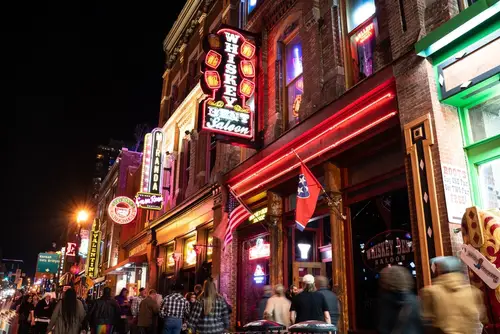
Nashville’s country music heritage gives it instant name recognition. Broadway’s honky-tonks and a booming tourism scene define its public image. Yet the rapid influx of new residents has strained infrastructure and pushed housing costs upward. Locals frequently complain about traffic that outpaces road capacity.
The economy leans heavily on tourism and entertainment. Service workers often face wages that don’t align with rising rents. Short-term rentals have reshaped some neighborhoods, pricing out longtime residents. Music City still sings, but not everyone can afford a front-row seat.
13. Phoenix
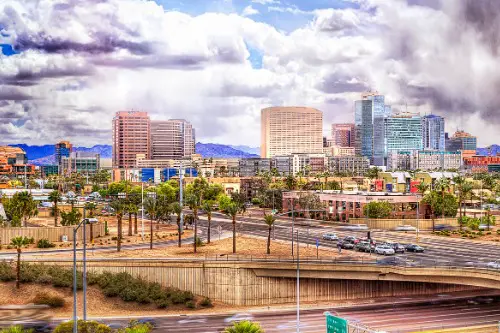
Phoenix is often promoted as an affordable, sunny alternative to California cities. Wide highways and suburban sprawl offer room to grow. But the metro area has experienced significant rent and home price increases in recent years. Extreme summer heat regularly breaks records, with weeks above 110 degrees.
Water supply concerns tied to the Colorado River add long-term uncertainty. Public transit options remain limited compared to older, denser cities. The car-dependent layout can make daily life costly and time-consuming. The desert appeal is strong, but sustainability questions linger.
14. Honolulu
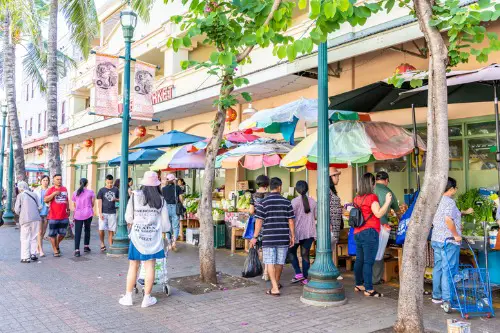
Honolulu often appears in travel ads as pure paradise. Turquoise water, Waikiki Beach, and lush mountain backdrops create an idyllic image. Yet it consistently ranks among the most expensive cities in the country for groceries, utilities, and housing. Geographic isolation drives up the cost of importing goods.
Many residents work in tourism, a sector vulnerable to global disruptions. Limited land availability constrains housing supply and keeps prices high. Traffic congestion on Oahu can be surprisingly intense for an island. Living in paradise comes with a price tag that doesn’t always match the postcard.
This post These 14 Cities That Can’t Keep Up With Their Own Reputation was first published on American Charm.

