
1. Boise, Idaho

Boise was one of the nation’s breakout pandemic boomtowns. An influx of remote workers drove home prices up at one of the fastest rates in the country between 2020 and 2022. For a metro with a relatively modest wage base, that price surge created a serious affordability crunch. Local workers found themselves competing with out-of-state buyers offering cash.
When interest rates rose, Boise’s housing market corrected sharply, with prices falling from their peak. That volatility rattled homeowners who bought at the top of the market. Rapid growth also strained roads, schools, and water resources in the broader Treasure Valley. The city remains attractive, but the speed of its rise exposed how fragile boom-driven markets can be.
2. Austin, Texas
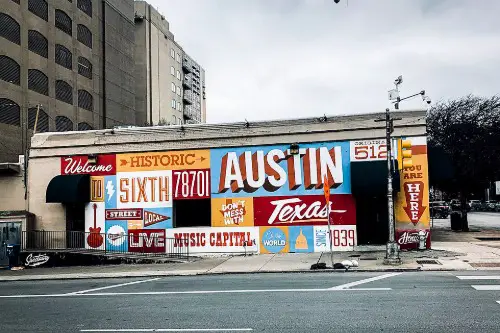
Austin has spent more than a decade as America’s poster child for explosive growth, fueled by tech relocations and a steady stream of new residents. Major employers expanded their footprints there, and the metro population climbed past 2 million in the early 2020s. During the pandemic housing surge, median home prices shot up dramatically, straining affordability for longtime residents. Highways like I-35 became synonymous with gridlock, underscoring how quickly infrastructure fell behind.
Now, as home prices have cooled from their 2022 peaks and tech layoffs have rippled through the industry, the mood feels more cautious. Apartment construction has surged, leading to rising vacancies and softer rents in some areas. Longtime Austinites still love the culture, but many say the city’s growth came at the cost of affordability and ease. The boom hasn’t vanished, yet the growing pains are impossible to ignore.
3. Phoenix, Arizona
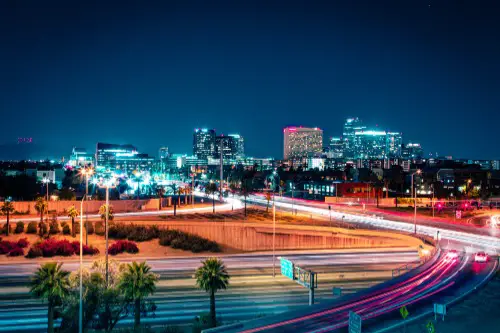
Phoenix became one of the fastest-growing big cities in the country over the past decade. New residents arrived from California and the Midwest, drawn by job growth and comparatively lower home prices. Home values spiked sharply during the pandemic, pushing affordability to new highs in a metro long known for attainable housing. At the same time, persistent drought and extreme heat have intensified concerns about long-term water security.
By 2023 and 2024, the housing market cooled noticeably as mortgage rates climbed. Builders who had raced to meet demand faced slowing sales and rising inventory. Record-breaking summer temperatures have also made daily life more challenging and costly. Growth continues, but the easy optimism of the early boom years has been tempered by climate and cost realities.
4. Nashville, Tennessee

Nashville rode a wave of corporate relocations, tourism growth, and population gains throughout the 2010s. Major employers expanded operations, and cranes became a permanent feature of the skyline. Housing demand surged, sending rents and home prices significantly higher. Longtime residents increasingly voiced concern about affordability and neighborhood displacement.
By the early 2020s, apartment construction had ramped up dramatically, and some submarkets began to see rising vacancies. Infrastructure, especially transportation, struggled to keep pace with the influx of new residents. Traffic congestion worsened even as transit expansion efforts faced political hurdles. The city’s cultural magnetism is still strong, but growth fatigue has set in for many locals.
5. Tampa, Florida
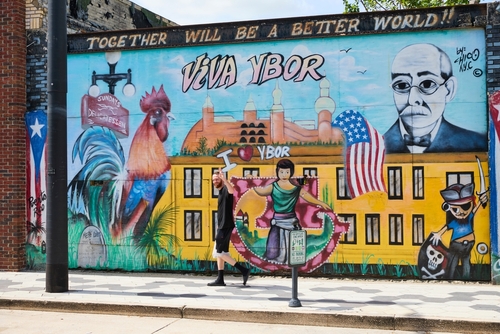
Tampa saw an influx of new residents during the pandemic, drawn by Florida’s lack of a state income tax and relative openness during lockdowns. Home prices jumped steeply between 2020 and 2022, pushing the metro into a new affordability bracket. Insurance costs have also risen sharply in Florida, adding to homeowners’ monthly burdens. Population growth has intensified traffic and development pressures across the region.
As mortgage rates climbed, home sales slowed and price growth cooled. Concerns about hurricane risk and soaring property insurance premiums have become more prominent. Renters have also faced elevated costs after rapid increases earlier in the decade. The boom brought energy and investment, but it also amplified long-standing vulnerabilities.
6. Denver, Colorado
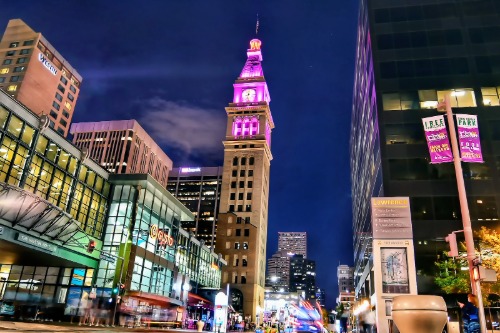
Denver has been a magnet for young professionals for years, thanks to its job market and access to outdoor recreation. That popularity helped push home prices to record highs during the 2010s and early 2020s. Affordability steadily eroded, especially for first-time buyers. Homelessness and housing shortages became central civic issues.
In recent years, higher interest rates have cooled home sales and slowed price growth. Office vacancies have risen as remote work reshaped downtown demand. Public debates over crime, transit safety, and cost of living have grown more intense. Denver remains desirable, but the shine of effortless growth has dulled.
7. Charlotte, North Carolina
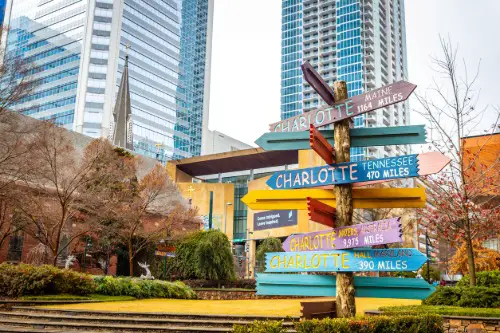
Charlotte has been one of the fastest-growing large metros in the Southeast. Its banking sector anchors the economy, and new residents have poured in seeking job opportunities. Housing construction ramped up, yet prices still climbed sharply during the pandemic surge. Infrastructure expansion has struggled to keep pace with suburban sprawl.
By 2023 and 2024, housing demand cooled as borrowing costs rose. Some new apartment developments faced increased competition and softer rents. Traffic congestion has become a regular complaint among longtime residents. Growth continues, but the pressure points are more visible than ever.
8. Raleigh, North Carolina
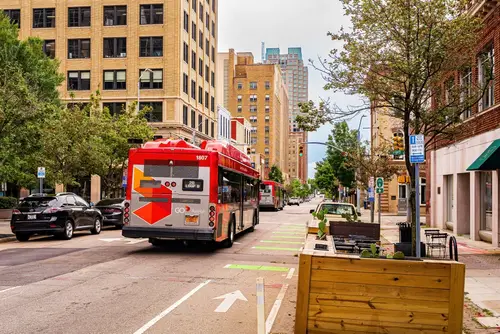
Raleigh benefited from tech investment and its role in the Research Triangle region. Strong job growth and an educated workforce drew steady in-migration. Home prices surged between 2020 and 2022, straining affordability in a metro once considered a bargain. Rapid development transformed suburban landscapes.
As rates increased, buyer demand cooled and listings took longer to sell. The region still attracts employers, but competition for infrastructure funding has intensified. Residents increasingly debate how to balance growth with preserving quality of life. The boom isn’t over, yet it feels more complicated than before.
9. Salt Lake City, Utah
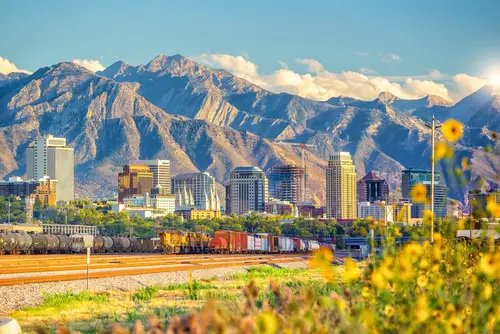
Salt Lake City experienced significant population growth over the past decade, supported by a strong job market and a young demographic profile. Housing prices climbed rapidly during the pandemic housing surge. That escalation pushed affordability challenges to the forefront. Environmental concerns, including drought and the shrinking Great Salt Lake, have added to unease.
When mortgage rates rose, the housing market cooled and sales volume slowed. Air quality and water issues remain persistent concerns for residents. Rapid suburban expansion has increased commuting times across the Wasatch Front. The city’s economic momentum is real, but so are the growing pains.
10. Dallas, Texas
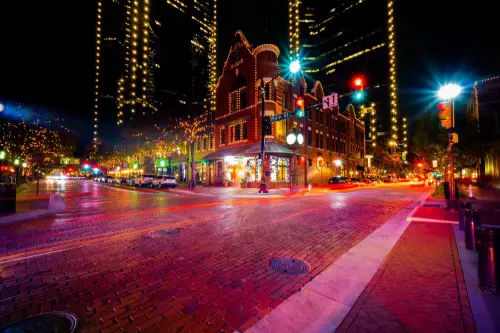
Dallas has long been a corporate relocation hub, with steady job and population growth. During the pandemic, home prices surged alongside heavy in-migration. Massive suburban expansion stretched highways and utilities across North Texas. Property taxes have remained a common complaint among homeowners.
As the housing market cooled, some newly built homes faced slower sales. Office vacancies in parts of the metro rose amid remote work shifts. Infrastructure demands continue to grow as the region adds residents. Dallas is still expanding, but the pace has exposed strains beneath the surface.
11. Atlanta, Georgia
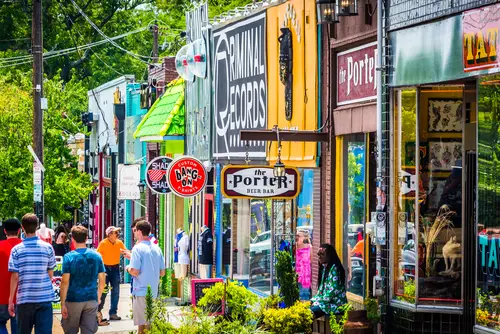
Atlanta saw strong job growth and in-migration throughout the 2010s and early 2020s. Its film industry presence and diverse economy added to its appeal. Home prices and rents climbed significantly during the pandemic housing surge. Traffic congestion, already a hallmark, worsened with continued sprawl.
Rising housing costs have fueled debates about affordability and displacement. Higher interest rates have slowed sales activity and tempered price growth. Infrastructure and transit expansion remain ongoing challenges. The city’s dynamism endures, but residents increasingly feel the weight of rapid expansion.
12. Orlando, Florida
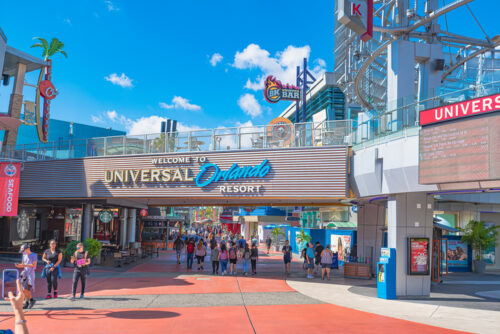
Orlando attracted new residents seeking sunshine and job opportunities tied to tourism and service industries. Population growth accelerated during the pandemic-era migration wave. Home prices rose sharply, stretching affordability for workers in hospitality-heavy sectors. Insurance costs and hurricane risk add to financial pressure.
As borrowing costs climbed, housing demand softened and listings accumulated. Tourism rebounded, but wage growth has not always kept pace with housing expenses. Infrastructure and road congestion remain pressing concerns. Orlando’s growth story continues, though it feels less effortless than before.
13. Las Vegas, Nevada
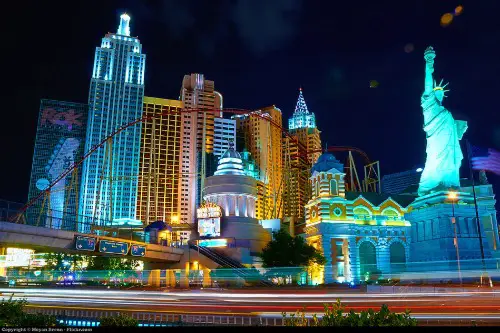
Las Vegas has cycled through dramatic booms and busts before, and the pandemic era brought another surge. An influx of new residents drove home prices up rapidly between 2020 and 2022. The metro’s reliance on tourism and hospitality leaves it sensitive to economic swings. Water scarcity tied to the Colorado River has also raised long-term sustainability questions.
When mortgage rates increased, home sales slowed and price growth cooled. Apartment construction added supply even as rent growth moderated. Persistent drought conditions continue to shape policy and development decisions. Las Vegas remains resilient, but its latest boom has shown familiar signs of strain.
This post These 13 Boomtowns Already Showing Burnout was first published on American Charm.

