1. Times Square, New York City
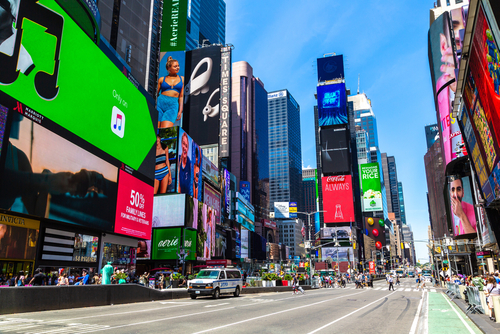
Times Square exploded in popularity in the 1990s and 2000s as New York City rebranded it from a gritty crossroads into a neon-drenched entertainment hub. Annual New Year’s Eve broadcasts, massive LED screens, and flagship stores turned it into a bucket-list stop for first-time visitors. But that very popularity became its downfall for many travelers. Locals largely avoid it, and repeat visitors often say once was enough.
The crowds are relentless, often shoulder-to-shoulder, and the experience can feel more like navigating a theme park corridor than exploring a city. Chain restaurants and global retail brands dominate, which makes it feel interchangeable with other commercial districts. Add in costumed characters hustling for tips and constant traffic noise, and the charm wears thin quickly. It’s iconic, yes, but many travelers burn out on it after a single visit.
2. Fisherman’s Wharf, San Francisco
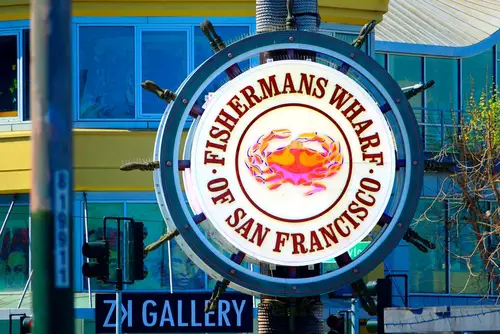
Fisherman’s Wharf became a major tourist draw thanks to its waterfront views, historic fishing fleet, and proximity to Alcatraz ferries. For decades, it symbolized classic San Francisco with sourdough bread bowls and sea lions at Pier 39. The problem is that its popularity gradually turned it into a hyper-commercialized strip. Many visitors now find it feels detached from the rest of the city’s culture.
Restaurants here often cater squarely to tourists, with higher prices and uneven quality compared to neighborhood spots elsewhere in the city. The souvenir shops blur together, selling similar merchandise block after block. While the sea lions remain a genuine highlight, the overall experience can feel formulaic. After one walk-through, many travelers feel they’ve seen what they came for.
3. Hollywood Walk of Fame, Los Angeles
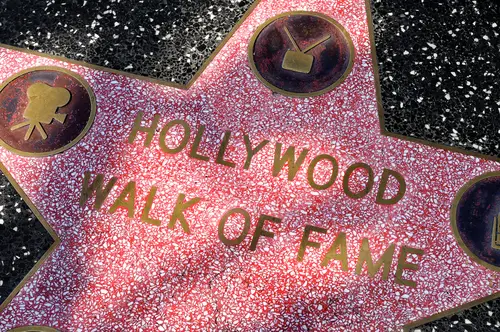
The Hollywood Walk of Fame draws millions hoping to find their favorite celebrity’s star embedded in the sidewalk. It sounds glamorous in theory, conjuring images of old Hollywood and red carpets. In reality, the stretch along Hollywood Boulevard is busy, noisy, and often congested. Visitors are sometimes surprised by how gritty parts of the area can feel.
The stars themselves are spread across long blocks, which means a lot of walking for a few quick photo ops. Street performers and costumed characters can add energy, but they can also pressure tourists for tips. Many storefronts are souvenir shops rather than landmarks tied to film history. For some, the mismatch between expectation and reality leads to quick burnout.
4. South Beach, Miami

South Beach surged in fame in the 1980s and 1990s thanks to Art Deco architecture and nonstop nightlife. It became synonymous with pastel hotels, celebrity sightings, and late-night parties. That reputation still draws huge crowds, especially during spring break and major events. But the party-forward image can overshadow everything else.
Hotel rates and restaurant prices often spike during peak seasons, and the beach itself can feel packed. Noise from clubs and traffic carries well into the night in some areas. Visitors looking for a relaxed coastal getaway sometimes find the atmosphere more chaotic than calming. After a whirlwind weekend, many feel ready to retreat somewhere quieter.
5. The Las Vegas Strip, Nevada
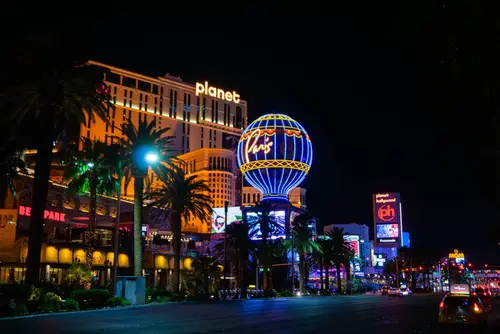
The Las Vegas Strip perfected the art of spectacle with mega-resorts, themed casinos, and around-the-clock entertainment. For first-timers, the scale alone is jaw-dropping. Fountains erupt at the Bellagio, replicas of global landmarks line the boulevard, and neon lights dominate the skyline. It’s a sensory overload by design.
But that constant intensity can be exhausting after a day or two. Walking distances between resorts are longer than they appear, especially in desert heat. Resort fees, parking charges, and high food prices add up quickly. Many visitors enjoy the initial thrill, then find themselves burned out by the nonstop stimulation.
6. Bourbon Street, New Orleans
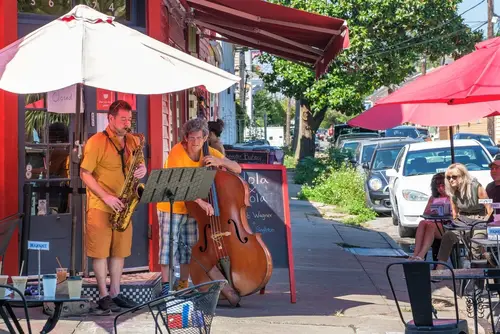
Bourbon Street is world-famous for Mardi Gras beads, live music, and open-container partying. It’s often portrayed as the heart of New Orleans nightlife. During festivals and weekends, the street fills wall-to-wall with revelers. That energy can be electric, but also overwhelming.
The experience tends to revolve around bars and daiquiri stands, with less emphasis on the city’s deeper cultural roots. Noise levels are high well into the early morning hours. Travelers seeking jazz clubs, Creole cuisine, and historic neighborhoods sometimes realize those treasures lie elsewhere in the city. After one intense night, many pivot to quieter corners of New Orleans.
7. Mall of America, Minnesota
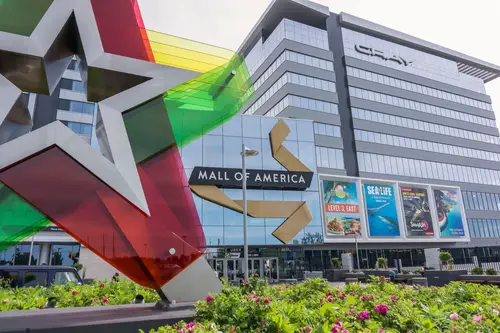
Mall of America opened in 1992 as the largest shopping mall in the United States. With hundreds of stores and an indoor amusement park, it became a destination in its own right. Families flocked for the novelty of roller coasters under a roof. At first glance, it feels like retail on a grand scale.
Yet at the end of the day, it’s still a mall. Many of the stores can be found in cities across the country. The crowds, especially on weekends and holidays, can make navigating the complex tiring. For some visitors, the novelty fades quickly once the size alone stops being impressive.
8. Navy Pier, Chicago
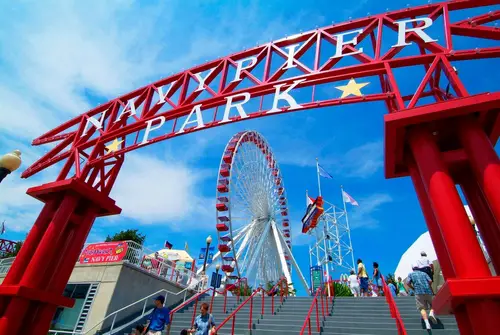
Navy Pier stretches into Lake Michigan with a Ferris wheel, restaurants, and seasonal events. It has long been marketed as a must-see stop for visitors to Chicago. Fireworks shows and boat tours add to its appeal. The setting offers great skyline views on clear days.
Still, many locals consider it more tourist-oriented than authentic. Dining options can be pricier than comparable spots in surrounding neighborhoods. The indoor areas sometimes feel like a generic entertainment complex. After one visit, travelers often branch out to explore the city’s neighborhoods instead.
9. Waikiki Beach, Hawaii
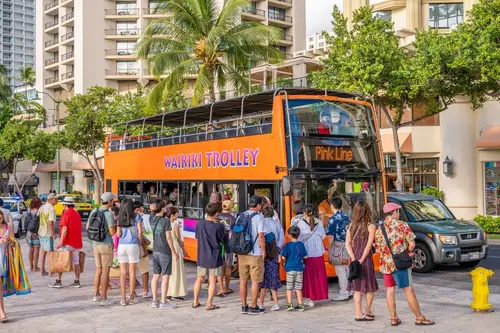
Waikiki Beach became internationally famous in the 20th century as Hawaii’s tourism industry expanded. Its gentle waves and backdrop of Diamond Head draw first-time visitors in droves. High-rise hotels line the shore, making it convenient and accessible. It’s one of the most recognizable beaches in the world.
That accessibility also means heavy crowds, especially during peak travel seasons. The beachfront is heavily developed, which limits the sense of seclusion. Travelers expecting untouched paradise sometimes feel surprised by the urban setting. Many enjoy it briefly, then seek out quieter beaches elsewhere in Hawaii.
10. Gatlinburg, Tennessee

Gatlinburg serves as a gateway to the Great Smoky Mountains and draws millions each year. Its main strip is packed with attractions, arcades, and themed restaurants. For families, the density of activities can be convenient. It’s easy to see why it became so popular.
But the commercialization can feel intense, especially during peak foliage and summer seasons. Traffic bottlenecks are common on busy weekends. Some visitors expecting a serene mountain town find instead a corridor of souvenir shops and attractions. After a quick stop, many head straight into the national park for a different experience.
11. Mount Rushmore, South Dakota
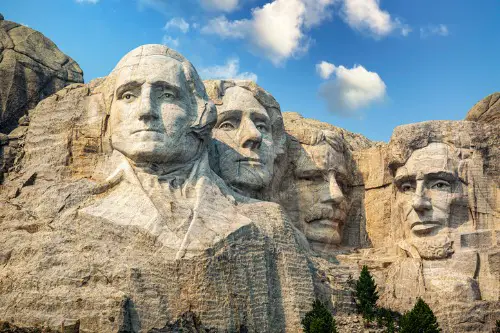
Mount Rushmore stands as one of America’s most recognizable monuments, carved with the faces of four presidents. The scale of the sculpture is impressive, and it holds undeniable historical symbolism. Many travelers make a special detour to see it in person. It’s long been framed as a patriotic pilgrimage.
Yet the viewing experience is relatively brief for many visitors. After walking the main viewing terrace and snapping photos, there’s limited additional exploration. The surrounding Black Hills offer scenic drives and hikes that can overshadow the monument itself. Some travelers leave feeling the buildup exceeded the time spent there.
12. Niagara Falls (U.S. Side), New York
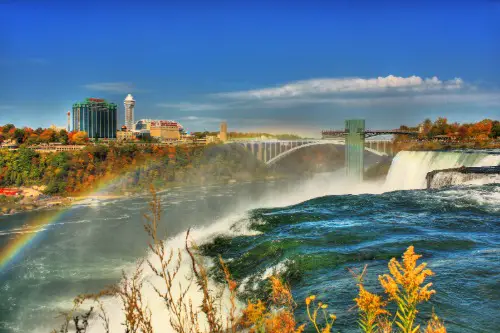
Niagara Falls is undeniably powerful, and the roar of the water is unforgettable. The American Falls and Bridal Veil Falls are spectacular up close. For generations, it has symbolized natural grandeur and honeymoon romance. It remains one of the most visited natural attractions in North America.
However, the immediate town on the U.S. side has long struggled with economic decline and uneven development. Some visitors find the surrounding area less polished than expected. After experiencing the falls themselves, which can be done in a few hours, there may be little incentive to linger. The natural wonder endures, but the broader destination can feel underwhelming to some.
This post Why These 13 Travel Hotspots Burned Out Fast was first published on American Charm.