1. Penn Station, New York City
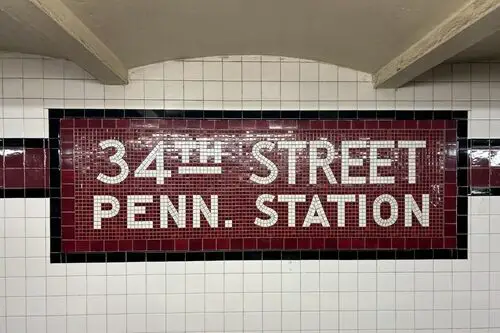
Penn Station feels like a place that has been perpetually under construction since before anyone reading this was born. The low ceilings, confusing corridors, and flickering signage give it the vibe of a basement that was never meant to hold hundreds of thousands of people a day. For the busiest transportation hub in North America, it somehow manages to feel both overcrowded and neglected. The general sense is not urgency or excitement, but collective resignation.
It’s included here because Penn Station is supposed to be a gateway to New York, and instead it feels like a punishment you endure to get somewhere better. Basic things like clear wayfinding and pleasant lighting have been promised for decades but arrive slowly, if at all. You can watch tourists’ faces fall in real time when they realize this is their first impression of the city. Everyone inside seems to be silently agreeing to just get through it.
2. Hollywood Walk of Fame, Los Angeles

On paper, the Hollywood Walk of Fame sounds glamorous, but in reality it’s grimy, crowded, and oddly joyless. The sidewalk stars are often cracked or dirty, and the surrounding storefronts skew heavily toward souvenir shops and chain attractions. Street performers and costumed characters compete aggressively for attention, which adds tension rather than charm. It’s less “movie magic” and more “outdoor mall energy.”
The reason it belongs on this list is that it’s a world-famous public space that feels completely abandoned by civic pride. Despite constant foot traffic, upkeep feels minimal and reactive. Locals avoid it entirely, while visitors seem confused about why it doesn’t match the hype. It looks like a place everyone agreed to stop caring about because tourists will come anyway.
3. Downtown St. Louis Core
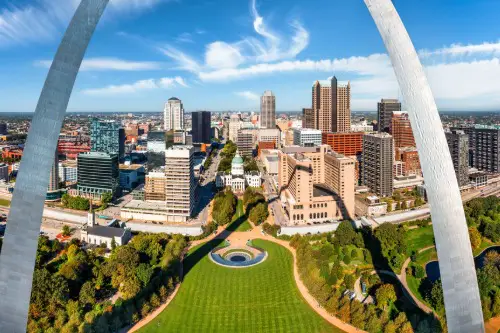
Downtown St. Louis has beautiful architecture and historic bones, but much of it feels eerily underused. Entire blocks sit quiet during the day, with boarded windows and empty sidewalks. Outside of game days or major events, the area can feel like it’s holding its breath. The disconnect between potential and reality is stark.
This makes the area notable because it’s not a forgotten town, but the center of a major American city. Public spaces like plazas and sidewalks exist, but they’re often empty or poorly activated. Investment has been uneven, leaving pockets of vitality surrounded by neglect. The result is a downtown that feels like it was paused mid-revival and never fully restarted.
4. Atlantic City Boardwalk, New Jersey
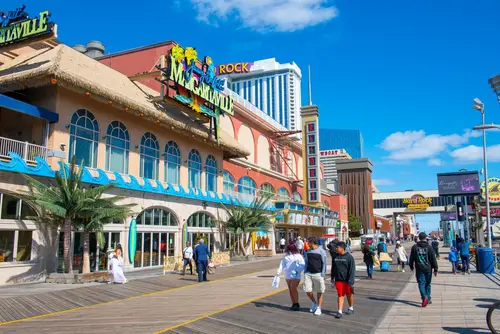
The Atlantic City Boardwalk still has flashes of charm, but large sections feel tired and frayed. Closed casinos loom over empty stretches of sidewalk, and abandoned amusement rides rattle faintly in the wind. The place has a sense of faded ambition, as if someone once cared a lot but then quietly left. Foot traffic is intermittent, and the feeling of decay is hard to ignore.
It lands on this list because boardwalks are supposed to be vibrant, communal spaces by the water, yet Atlantic City’s version often feels like a ghost town. Vendors close early, and maintenance is inconsistent at best. Even during tourist season, there are long stretches where no one seems to be paying attention. It’s a reminder that even famous public spaces can look like everyone gave up.
5. Chicago’s Cabrini-Green Site
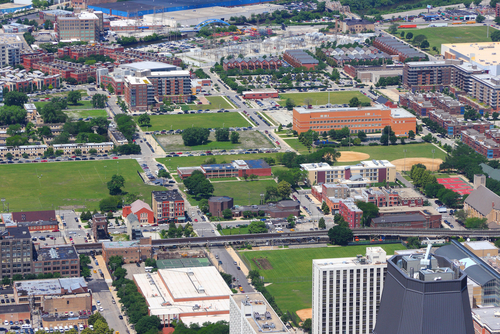
Cabrini-Green, once notorious for crime, now has a mostly empty footprint after redevelopment. The towering former public housing projects are gone, but the public plazas that replaced them feel oddly sterile and lifeless. Sidewalks are wide, but no one seems to use them for anything besides passing through. Benches and greenery exist, yet there’s no warmth or sense of life.
It’s included because the site is a cautionary tale in urban planning. While the area was cleared and “improved,” public spaces were designed without community engagement. Residents don’t gather here, leaving the impression that someone built something that no one wanted to use. It’s a perfect example of neglect through design rather than abandonment.
6. Baltimore’s Inner Harbor on Off Days
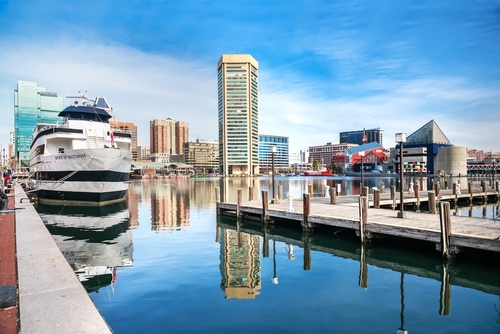
Baltimore’s Inner Harbor can be lively during festivals or summer weekends, but on ordinary weekdays it feels like a different city. The waterfront promenade, usually buzzing with tourists and street performers, often has empty benches and silent fountains. Shops and restaurants close early, leaving wide stretches of unused space. The potential for activity exists, but it’s largely dormant.
This space makes the list because it’s a celebrated part of the city that can feel completely lifeless. The careful planning and investment haven’t guaranteed consistent use. When crowds vanish, the area suddenly looks neglected, like the city only pays attention when cameras are around. You see the contrast between intention and reality, and it feels like everyone collectively shrugged.
7. Detroit’s Campus Martius Park in Winter
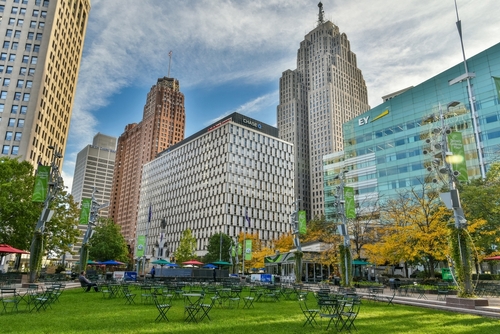
Campus Martius Park in Detroit is iconic during the warmer months, with fountains and green space attracting locals. But in the dead of winter, it transforms into a bleak expanse of snow and ice. The benches are empty, the fountains shut off, and the open areas echo like a forgotten plaza. Even the nearby skyscrapers can’t mask the stark emptiness.
It’s on this list because public spaces are meant to feel alive year-round, or at least welcoming in multiple seasons. Here, the winter months expose the vulnerability of a space dependent on weather and activity. The lack of year-round programming makes it feel like the city collectively gives up for half the year. For visitors unfamiliar with Detroit, it can seem desolate and uninviting.
8. Philadelphia’s Penn’s Landing
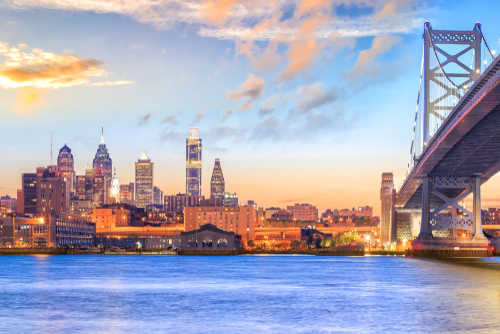
Penn’s Landing is supposed to be a scenic waterfront destination, but large portions of it look abandoned and neglected. The concrete pathways, empty piers, and underused amphitheaters create a sense of stasis. Streetlights and benches exist, yet they rarely serve anyone. On off-peak days, the place feels more like a parking lot than a public gathering space.
This earns its spot on the list because it’s a publicly funded, high-potential area that consistently underperforms. Despite scenic views of the Delaware River, the lack of programming and activation leaves the area feeling deserted. Maintenance is inconsistent, adding to the “everyone gave up” vibe. It’s a lesson in how even prime real estate can feel empty without sustained engagement.
9. Miami’s Bayfront Park During Work Hours
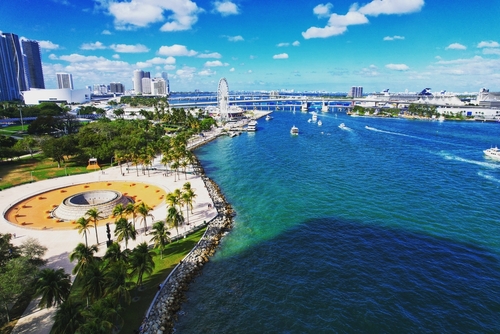
Bayfront Park can host concerts and festivals, but during normal weekdays it often looks underutilized. Wide grassy areas, paths, and seating feel underpopulated, with occasional joggers and office workers rushing through. The fountains are beautiful but often dry, and the trees cast shadows on empty benches. The surrounding skyscrapers accentuate the emptiness rather than soften it.
It’s included because this is a park designed for public enjoyment, yet it frequently appears abandoned. The infrastructure is there, but consistent community use is missing. Visitors may assume the city doesn’t care about its waterfront green space. In essence, it’s a public area that looks like the city collectively hit snooze.
10. Seattle’s Westlake Park
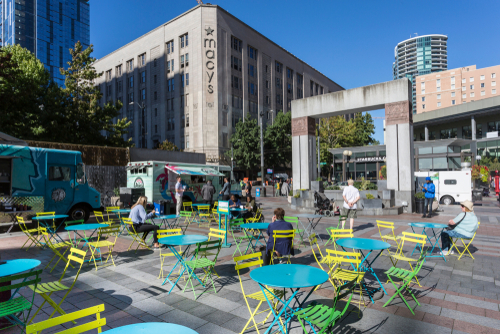
Westlake Park, right in downtown Seattle, has fountains and open space, but it sometimes feels like an urban waiting room. Homeless encampments, empty seating areas, and occasional street performers give it a fragmented energy. The plaza is meant to be a central gathering spot, yet it often looks neglected and chaotic. It’s a place where people pass through rather than linger.
It’s on this list because despite investment and central location, Westlake Park struggles to feel fully cared for. Maintenance issues and inconsistent programming leave gaps in its vitality. Tourists might notice the contrast between the clean city streets nearby and the underused plaza. Everyone seems to coexist here quietly, without anyone truly “owning” the space.
11. Washington, D.C.’s Freedom Plaza

Freedom Plaza is a massive, open public space near the White House, yet it often feels oddly empty. The design is angular and stark, with wide stone surfaces that discourage sitting or lingering. Fountains and statues exist but don’t animate the area. Pedestrians mostly treat it as a shortcut rather than a destination.
It’s notable because it’s a central public square in the nation’s capital that can feel lifeless despite heavy tourist traffic nearby. The scale and cold aesthetics contribute to a sense of abandonment. Even city events or protests don’t fully activate it for long periods. It’s an example of civic ambition meeting practical underuse, leaving a space that looks like everyone just gave up.
12. Los Angeles’ Pershing Square
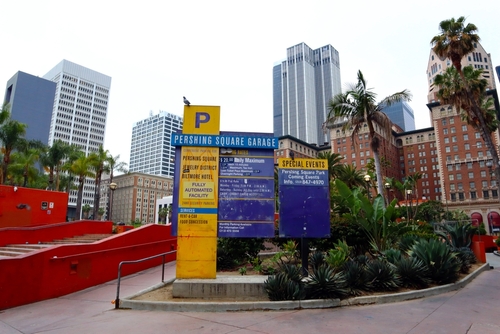
Pershing Square in downtown Los Angeles is a concrete expanse that often feels more like a parking lot than a public square. The fountains are aging, the seating sparse, and the shady corners feel uninviting. Food trucks and pop-up events occasionally bring life, but they are temporary and sporadic. For much of the day, the plaza feels like a neglected middle ground between skyscrapers.
It’s included because a central city square should feel alive and maintained, yet Pershing Square often appears abandoned. The surrounding office towers contrast sharply with the emptiness below. Efforts to revitalize the area with art or concerts have been inconsistent. The result is a public space that seems to exist in theory rather than reality.
13. Cleveland’s Public Square
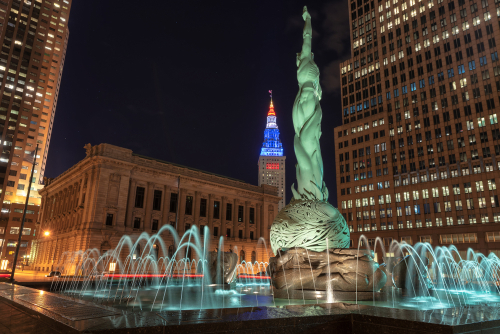
Cleveland’s Public Square has wide streets, fountains, and green space, but it often looks unkempt and underutilized. Pedestrian traffic is light compared to its potential, and benches often remain empty. The fountains are charming but sometimes dry or turned off, giving the plaza a neglected air. Buildings around it are active, but the square itself feels inert.
It’s notable because this is the historical heart of Cleveland, yet it struggles to serve as a gathering spot. Seasonal events bring temporary vitality, but the daily experience is starkly different. Landscaping is minimal, leaving the square feeling exposed. Overall, it gives the impression that the city only occasionally remembers it exists.
14. San Francisco’s Justin Herman Plaza
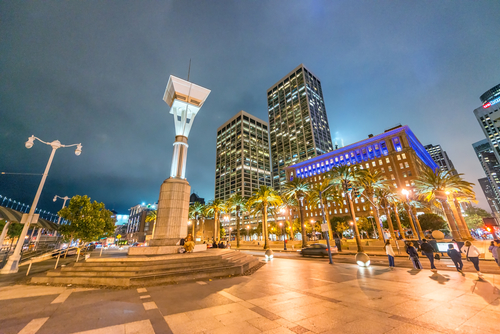
Justin Herman Plaza sits at the edge of the Embarcadero but feels strangely unwelcoming. Its wide concrete areas and lack of shade make it unappealing for lingering. Pigeons and occasional street performers occupy corners, but the space never seems fully animated. The surrounding offices and tourist areas contrast sharply with the emptiness here.
It lands on this list because a waterfront plaza in a major city should feel vibrant and inviting. Maintenance is inconsistent, and public seating is uncomfortably sparse. Even busy days don’t fully disguise the sense of abandonment. It’s a place that feels officially open but functionally ignored.
15. Houston’s Discovery Green on Weekdays
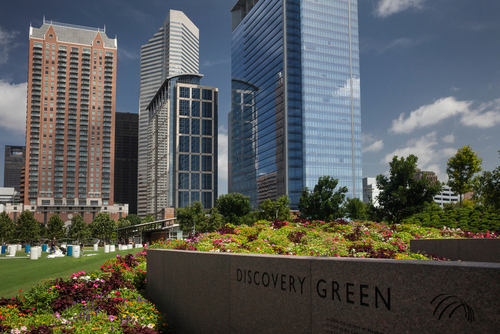
Discovery Green in Houston is bright and well-designed, yet weekdays reveal its quieter side. Wide lawns, fountains, and public art are largely underutilized when crowds are absent. The few joggers or lunchbreak visitors feel scattered rather than part of a cohesive energy. Trees and benches are present, but no one occupies them consistently.
It’s included because the park is intended as a vibrant urban oasis, yet it often looks dormant. Programs and events animate the space, but only temporarily. Without those interventions, it feels like an empty stage. Visitors notice the infrastructure is great, but the life it should host is missing.
16. Denver’s Civic Center Park in Rain
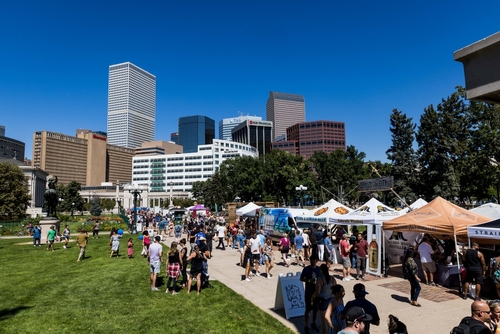
Civic Center Park in Denver is iconic, with museums and government buildings around it, but bad weather reveals its emptiness. Rain turns pathways into puddles and benches into unused islands. Statues and fountains are impressive, but few people linger. The open lawns can feel too vast and underutilized during off-days.
It belongs on this list because it’s a flagship civic space that can feel abandoned in common conditions. Maintenance is generally good, but no design element encourages consistent occupancy. Visitors often pass through quickly instead of enjoying it. The park feels like a grand gesture without daily engagement.
17. Indianapolis’ Monument Circle on Evenings
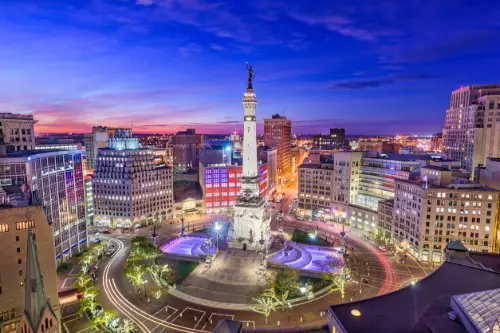
Monument Circle is an architectural centerpiece, but evenings can be surprisingly quiet. Streetlights illuminate cobblestones, but the benches remain empty. Few pedestrians wander beyond the immediate streets, and events are infrequent. The large scale amplifies the sense of absence rather than civic pride.
It’s included because a downtown circle with such historical significance should feel active. Restaurants and shops nearby don’t guarantee plaza activity. When crowds vanish, it looks less like a city hub and more like a forgotten courtyard. There’s a feeling that people simply move around it rather than inhabit it.
18. Portland’s Tom McCall Waterfront Park During Winter
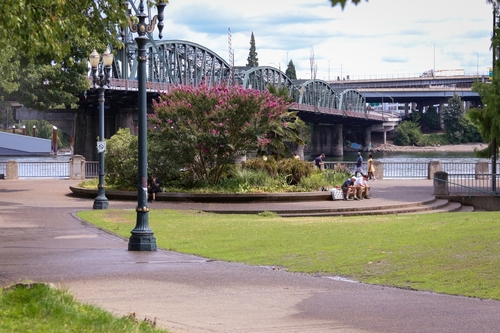
Tom McCall Waterfront Park is beautiful along the Willamette River, but winter highlights its emptiness. Walkways are quiet, benches unoccupied, and public art seems to peer into a void. The fountains are shut down, and the grassy areas become muddy. Even cyclists and joggers appear fewer than expected.
It lands on the list because this city-owned park is meant to draw people to the waterfront year-round. Seasonal closures expose its reliance on weather for vitality. Maintenance continues, but life is inconsistent. It’s a park that looks like everyone collectively checked out until spring.
19. Minneapolis’ Nicollet Mall in Early Morning
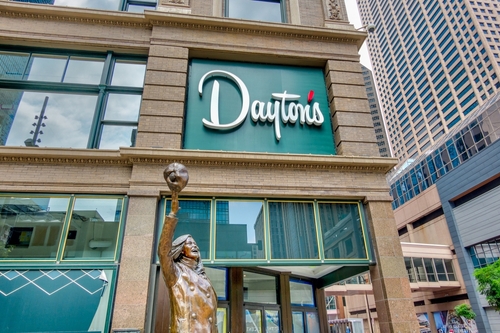
Nicollet Mall is a central downtown thoroughfare with shops and public spaces, yet mornings reveal its dormant side. Benches are empty, planters lack attention, and streetlights illuminate deserted sidewalks. Delivery trucks and a handful of early commuters are the only movement. The area feels more like a maintenance corridor than a vibrant urban strip.
It’s notable because Nicollet Mall is designed to encourage walking, gathering, and commerce. Yet without peak hours, it appears lifeless. Seasonal decorations and events provide brief bursts of life. For much of the day, the space seems neglected despite its prime location.
20. Kansas City’s Crown Center Plaza on Weeknights
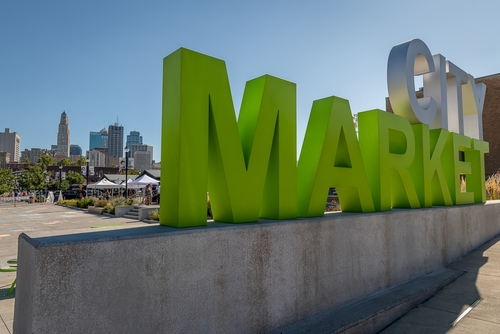
Crown Center Plaza has shops, fountains, and pedestrian areas, but weekday evenings are nearly deserted. Benches remain empty, and fountains run without spectators. Restaurants glow behind glass walls, but activity doesn’t spill into the public areas. The plaza feels paused, like a set awaiting extras.
It’s included because a mixed-use development with public amenities should feel inviting day and night. Weekend events bring people temporarily, but the daily experience is starkly different. Lighting and landscaping exist but don’t encourage lingering. It leaves the impression that, outside scheduled events, the plaza is forgotten.
21. Atlanta’s Centennial Olympic Park on Rainy Days
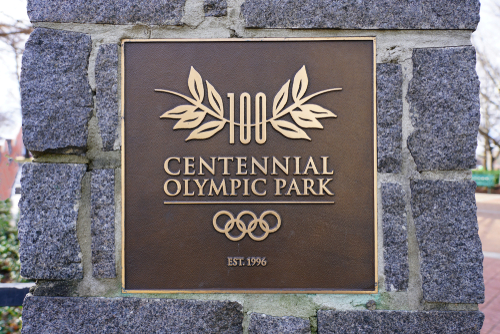
Centennial Olympic Park was built for celebration, yet rain can turn it into an empty expanse. The fountain squares look abandoned, pathways slick and unappealing. Benches and shelters are few, and nearby attractions do little to draw people outside. The large, open spaces magnify the absence of activity.
It earns a spot on this list because even iconic parks can feel ignored when weather intervenes. Its infrastructure is excellent, but usage is inconsistent. Without crowds or events, the area seems uninhabited. The park feels like a public space everyone briefly remembers and then leaves alone.
This post Public Spaces in America That Look Like Everyone Gave Up was first published on American Charm.