
1. Marietta, Ohio

Marietta, Ohio, looks like a picture-perfect river town with brick streets and tidy squares, but its foundation is far older than it appears. The city was laid out in 1788 right on top of Hopewell and Adena earthworks that had stood for more than a thousand years. The largest, Conus Mound, still rises in a city park—a grassy reminder that ancient civilizations once ruled here. Early settlers were so impressed that they designed their new town around the mounds instead of flattening them.
That respect for what came before gives Marietta a layered kind of beauty. Walk a few blocks, and you’re tracing paths that were ceremonial grounds long before America existed. It’s one of the few places where you can literally see ancient ruins framed by modern houses. The past and present here coexist so naturally, it feels intentional.
2. Phoenix, Arizona
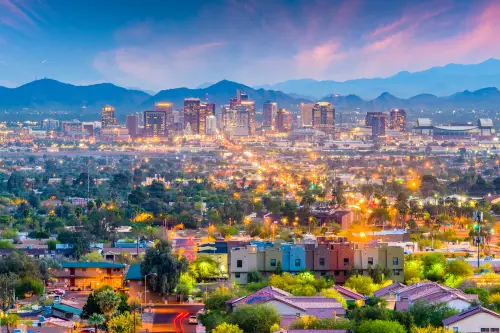
Phoenix looks like a modern desert dream—glass towers, endless subdivisions, and shimmering pools—but its roots go back nearly 2,000 years. The city sits right on top of the ancient Hohokam civilization’s canal network, an engineering marvel that once irrigated vast farmlands. Early settlers literally reused those canals when they started building modern Phoenix in the late 1800s. It’s a brand-new metropolis resting squarely on the bones of one of North America’s earliest urban cultures.
That connection runs deeper than most residents realize. Archaeologists still uncover Hohokam artifacts when construction crews dig foundations for new buildings. The downtown area has preserved sites showing where ancient irrigation lines ran. So while Phoenix might feel futuristic, it’s actually built on centuries of recycled ingenuity.
3. Bethlehem, Pennsylvania

At first glance, Bethlehem feels reborn—a small city that’s turned its industrial scars into sleek public spaces. But beneath its revitalized downtown lies the steel empire that once forged America’s railroads and skyscrapers. The old Bethlehem Steel plant, once the heartbeat of the city, now stands as rusted ruins turned art installations. What looks brand-new is actually a creative reclamation of industrial decay.
Bethlehem’s rebirth is a story of adaptation rather than reinvention. The community didn’t erase its ruins; it learned to live with them. The old blast furnaces are now backdrops for concerts, restaurants, and galleries. It’s proof that even ruins can form the foundation of something modern and full of life.
4. Santa Fe, New Mexico
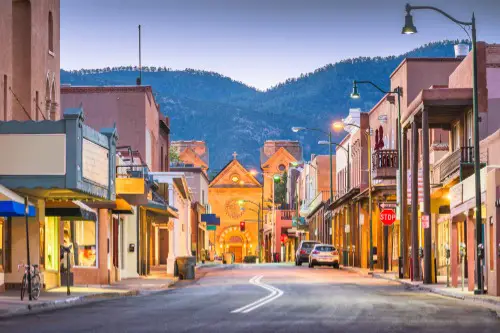
Santa Fe might strike visitors as purely historic, but beneath its adobe walls lie the remains of ancient Puebloan settlements. Long before Spanish colonists arrived in the 1600s, Indigenous people built villages here along the Santa Fe River. Archaeologists have found pit houses and artifacts under the modern city center. It’s one of the oldest continuously inhabited places in the U.S., disguised as a freshly painted tourist hub.
The charm of Santa Fe lies in how it bridges time. Modern shops sell jewelry next to sacred sites that predate them by centuries. Every new renovation uncovers traces of those earlier lives. It’s a reminder that “brand-new” in Santa Fe is always relative.
5. St. Louis, Missouri
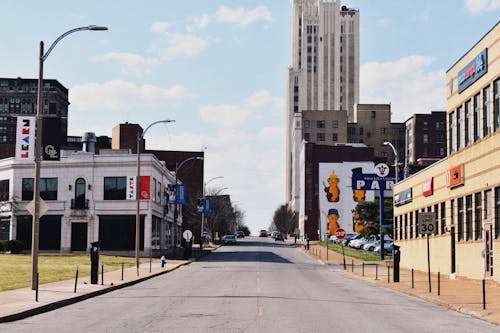
Modern St. Louis sprawls across the Mississippi like a city built from scratch, but its foundations tell another story. The area was once dotted with hundreds of ancient earth mounds built by the Mississippian culture, centered around the great city of Cahokia across the river. Early settlers destroyed many of the mounds to make way for buildings and roads. Today, only a few survive, hidden beneath the modern grid.
That loss makes St. Louis’s modernity bittersweet. The glass towers and stadiums stand where vast ceremonial complexes once stood. Even the city’s nickname, “Mound City,” nods to what’s buried beneath it. Its shiny skyline is literally built on the ruins of an ancient metropolis.
6. Tucson, Arizona
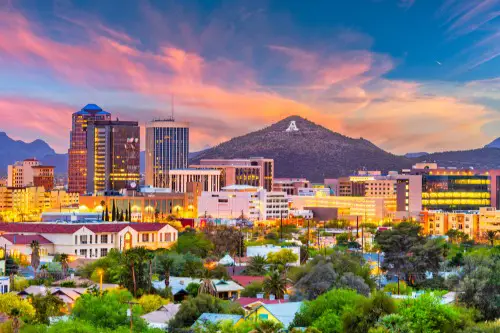
Tucson feels like a city that’s constantly reinventing itself—sun-drenched, growing fast, and filled with new development. But its roots go back at least 4,000 years, making it one of the oldest continuously inhabited regions in North America. The ancient Hohokam and O’odham peoples farmed this land long before Spanish settlers arrived. Many of their irrigation systems lie beneath the city’s foundations.
Modern Tucson keeps that legacy close, even if it’s not always visible. Archaeologists have found entire village sites under highways and neighborhoods. The Tucson Basin’s layers of history make every new construction project a potential dig site. It’s a city that keeps growing on top of itself—literally.
7. New Orleans, Louisiana

New Orleans feels endlessly alive—fresh paint, jazz in the air, and constant rebuilding after storms. Yet it’s also a city literally built atop centuries of destruction. The ground beneath the French Quarter holds remnants of Native villages, colonial foundations, and neighborhoods washed away by floods. In a sense, New Orleans is both ruin and rebirth at once.
That constant renewal gives the city its character. Every new structure sits on land that’s been reshaped countless times by water and human hands. The result is a place that always feels new but never really starts over. Beneath every bar and balcony lies a layer of forgotten history.
8. Providence, Rhode Island
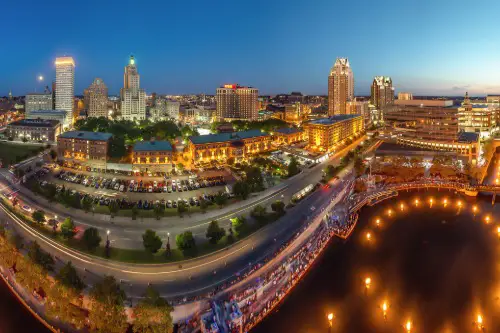
Providence looks like a sleek college town now, with tech startups and waterfront parks, but its ground has been occupied for thousands of years. The Narragansett and Wampanoag peoples lived here long before colonists laid out the streets in the 1600s. Archaeological finds beneath downtown reveal stone tools and settlement traces. Modern pavement hides evidence of villages that once thrived along the same riverbanks.
That buried history gives Providence an unseen depth. Every renovation downtown risks unearthing pieces of its pre-colonial story. The city has learned to balance progress with preservation, keeping its growth rooted in respect. It’s a place where the new always walks hand in hand with the ancient.
9. Miami, Florida
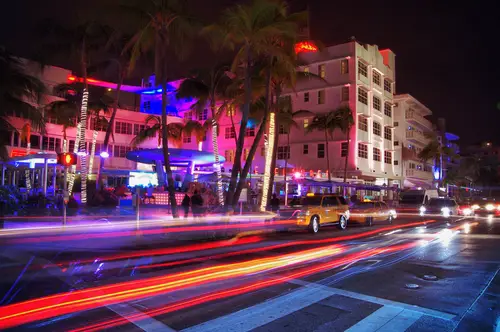
Miami may look like it was invented yesterday—shiny condos, neon lights, and clean lines—but it’s actually sitting on prehistoric ground. The Miami Circle, a 2,000-year-old Tequesta ceremonial site, was discovered downtown in 1998. Beneath the glass towers lies a ring of limestone carved by an ancient tribe. Developers had to work around it, leaving a pocket of prehistory amid skyscrapers.
That discovery changed how Miami saw itself. It wasn’t just a modern playground; it was an ancient one too. The Miami Circle is now protected, a quiet reminder of who was here first. Even in a city obsessed with the future, the past has a way of surfacing.
10. San Antonio, Texas
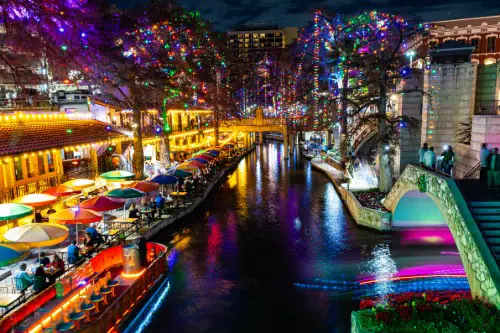
San Antonio’s River Walk feels new and vibrant, but the city itself was built directly on layers of older civilizations. The area around the Alamo and the Spanish missions was once home to Coahuiltecan tribes. The missions reused native settlement sites and stones from earlier structures. Modern San Antonio grew right on top of that blend of cultures.
It’s a city that’s always been rebuilding itself without erasing its origins. Many of the missions’ stones have been recycled into newer buildings. Even downtown developments sit just feet above centuries-old ruins. San Antonio’s fresh energy comes from its centuries of reinvention.
11. Sacramento, California
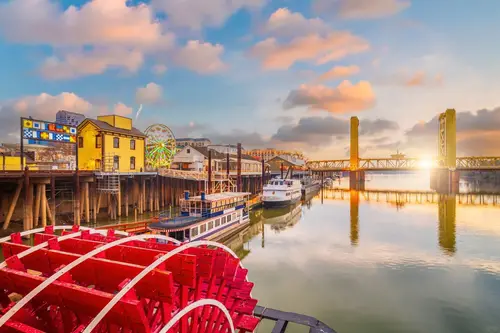
Sacramento looks modern and polished now, especially along its riverfront, but the land it stands on has seen countless rebuilds. Floods in the 1800s literally forced residents to raise parts of the city’s downtown by several feet, burying older streets below. Those original storefronts still exist underground, perfectly preserved. Visitors can actually walk through them on guided tours.
That unusual layering makes Sacramento both new and old at once. It’s a city that didn’t move—it just stacked itself higher. The ruins of the first Sacramento now form the foundation of the current one. It’s a modern capital built atop its own buried twin.
12. Charleston, South Carolina
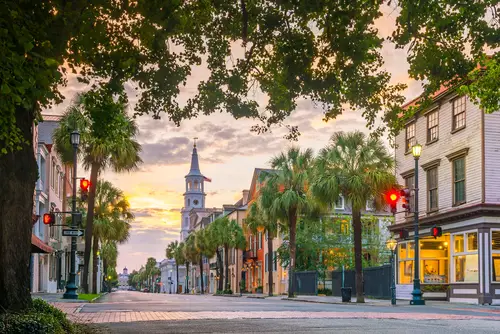
Charleston’s pastel buildings and pristine facades look fresh, but the city is sitting on a tangle of ruins from centuries of fires, earthquakes, and wars. Archaeologists have found colonial-era walls, foundations, and even entire streets beneath modern construction. Much of downtown rests on layers of debris from earlier versions of itself. Charleston has been rebuilt so many times that it’s practically an archaeological layer cake.
That repetition is part of its charm. Each time disaster struck, Charlestonians built again—right on top of the wreckage. The city’s genteel beauty hides centuries of resilience. Beneath those brand-new pastel exteriors are the bones of old Charleston, holding it all up.
13. Denver, Colorado
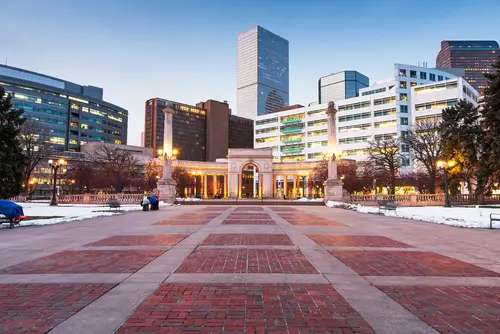
Denver presents itself as a young, fast-growing city at the foot of the Rockies, but it’s built over old gold rush ruins and Native American camps. Before the first cabins went up, the area around Cherry Creek was a Cheyenne and Arapaho gathering site. When miners arrived in the 1850s, they built directly on those encampments. Later, when the city boomed, those early settlements were simply buried under new construction.
You can still find remnants if you know where to look—old cellars, mine shafts, even wagon ruts beneath modern streets. Denver’s newness is mostly surface-level. It’s a city whose youth hides a much older, rougher past. The ruins beneath it tell the story of how fast fortunes—and towns—can change.
14. Atlanta, Georgia
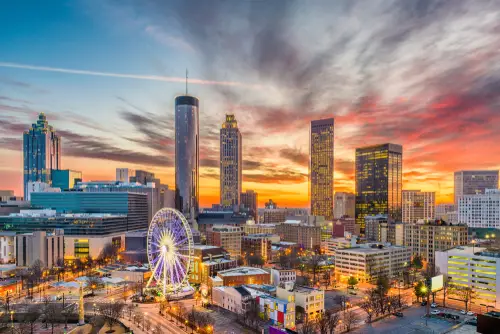
Atlanta is famous for rising from its own ashes after being burned during the Civil War, so in a sense it’s a literal “brand-new” city built on ruins. The destruction in 1864 leveled nearly everything, forcing residents to start over from the rubble. Today’s shiny skyline was born out of that reconstruction. It’s one of America’s clearest examples of reinvention after total loss.
Even so, some of the old foundations remain beneath downtown streets. Archaeologists have uncovered wartime artifacts and structural remains in construction zones. Atlanta’s growth has always been about rebuilding, not forgetting. Beneath its modern energy lies the charred framework of the past.
15. Beaufort, South Carolina
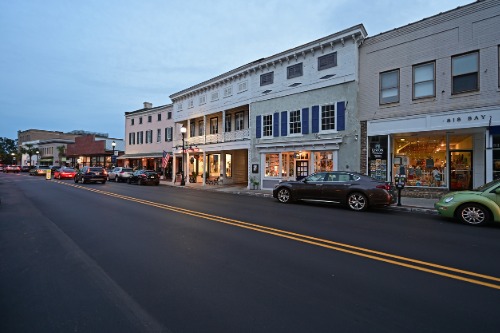
Beaufort looks like a sparkling coastal getaway, full of freshly painted homes and boutique shops, but the land beneath it has seen centuries of upheaval. Founded in 1711, the town was built over the remains of earlier Spanish settlements from the 1500s—and even earlier Indigenous villages. Excavations have uncovered pottery, fort remnants, and artifacts that predate the English colony by hundreds of years. The result is a town that feels new and timeless at once.
Its beauty hides its complex past. Modern Beaufort was rebuilt several times after wars, fires, and hurricanes, often right on top of older foundations. That means today’s pristine waterfront is literally layered over ruins from multiple eras. It’s a perfect example of how something that looks brand-new can quietly rest on centuries of history.
This post 15 U.S. Towns That Look Brand-New but Were Built on Ruins was first published on American Charm.

