
1. St. Augustine Beach, Florida
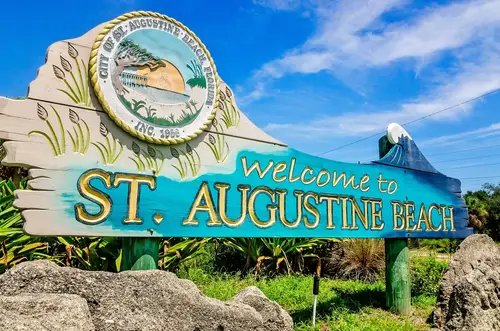
St. Augustine Beach carries the weight of history—after all, it neighbors the oldest city in America. The beachfront here was once a quiet escape for locals, but now it’s a tangle of tourists, condos, and eroding dunes. Residents mourn the loss of the “old beach” where families fished and bonfires burned long into the night. The nostalgia is powerful, almost defiant.
But the Atlantic doesn’t care about sentimentality. Erosion is eating away at beachfront roads, and sea-level rise threatens the very sands tourists come to see. The city spends millions each year dredging sand to patch things up. St. Augustine Beach feels like a beautiful relic slowly being reclaimed by time.
2. Key West, Florida
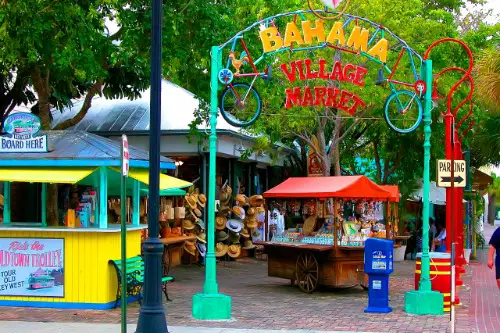
Key West clings to its “Margaritaville” identity like a badge of honor, even as climate change pushes tides higher onto Duval Street. The island’s funky, freewheeling vibe—once home to writers and wanderers—is now overshadowed by cruise crowds and luxury resorts. Longtime Conchs grumble that it’s no longer “the end of the road” for dreamers, just a stopover for tourists. Yet the pastel houses and sunset rituals remain stubbornly the same.
It’s that stubbornness that’s both beautiful and dangerous. The island is barely above sea level, and saltwater regularly floods its streets during king tides. The coral reefs offshore, once vibrant, are bleaching fast. Key West’s nostalgia for its rum-soaked, eccentric past may be the very thing keeping it from adapting to the future.
3. Carmel-by-the-Sea, California
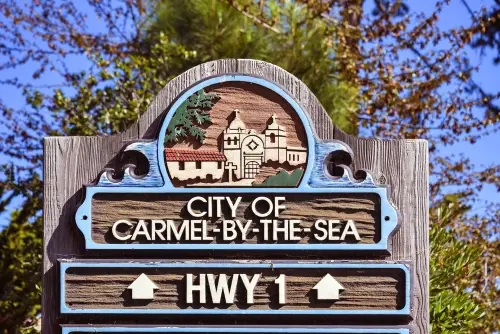
Carmel feels like it exists in a bubble of old California charm—storybook cottages, art galleries, and coastal cypress trees. It’s fiercely protective of its quaintness; there are even laws against chain restaurants and street addresses. But beneath that perfection, the town faces erosion and rising seas threatening its iconic bluffs. Locals know their fairytale setting is perched on fragile ground.
Tourists still pour in, chasing the ghost of the bohemian artists who made Carmel famous. The nostalgia sells well, but it also keeps the town stuck in amber. Younger residents find it hard to stay amid soaring home prices and limited jobs. Carmel’s beauty hasn’t faded, but its reality is beginning to crack around the edges.
4. Nantucket, Massachusetts
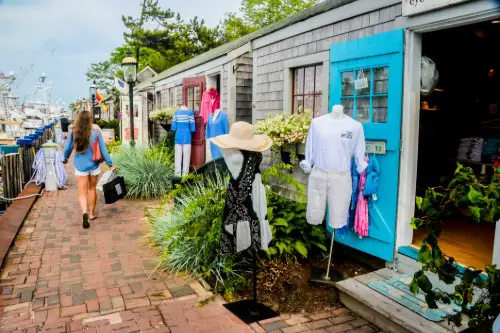
Nantucket trades on its whaling-era charm—weathered shingles, cobblestone streets, and a lifestyle frozen in time. But that “Old New England” image hides the fact that rising tides are now flooding parts of downtown several times a year. Locals are painfully aware that their island is shrinking. Even so, the idea of change feels almost sacrilegious here.
Preservation is the town’s religion, and it’s made adaptation nearly impossible. Flood barriers and modern infrastructure clash with the island’s beloved aesthetic. The community is torn between saving the past and surviving the future. For now, Nantucket remains picture-perfect, even as the water quietly creeps closer.
5. Tybee Island, Georgia
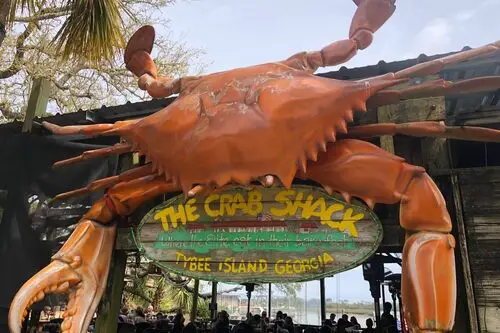
Tybee Island calls itself “Savannah’s Beach,” but its laid-back charm is increasingly under siege. Colorful cottages and mom-and-pop shops compete with short-term rentals and vacation condos. Locals remember when everyone knew everyone, but that’s getting harder as floods and development reshape the island. The nostalgia here feels like a form of resistance.
Tybee’s marshlands are retreating, and storm surges regularly shut down its only access road. The community debates sea walls and evacuation plans, but change comes slowly. The old beach bars still serve up frozen drinks, the pier still glows at sunset. Yet everyone knows the ocean is winning the long game.
6. Ocean City, Maryland
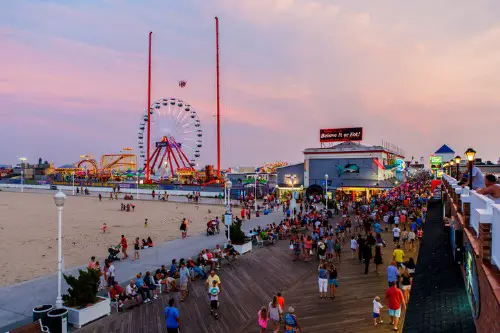
Ocean City’s boardwalk hasn’t changed much since your grandparents’ heyday—same arcades, same salt air, same fries. That’s part of the draw and part of the problem. The town has built its identity around nostalgia, but that means its infrastructure and coastline are both aging fast. Rising seas and frequent flooding are turning nostalgia into a liability.
Even the iconic boardwalk has to be rebuilt more often now due to storm damage. Longtime business owners say they can’t keep up with repairs and insurance costs. Tourists keep coming, but each summer feels a little more precarious. Ocean City may be too sentimental for its own good.
7. Montauk, New York

Once a quiet fishing village, Montauk has been reinvented—and overrun—by New York’s wealthy weekenders. But underneath the glitzy beach clubs and Instagram-ready sunsets, the old Montauk still flickers. Locals talk wistfully about the days when fishermen, not influencers, ruled the docks. The nostalgia is strong enough to power its own economy.
The trouble is that the coastline is slipping away. Erosion has eaten away at the beaches, forcing emergency sand-dumping projects year after year. Homes along the bluffs face increasing risk from storms and surging tides. Montauk’s love affair with its rugged past may be the one thing it can’t hold onto much longer.
8. Outer Banks, North Carolina
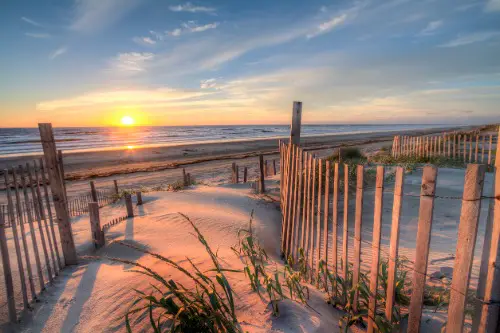
The Outer Banks are the kind of place that sells bumper stickers reading “OBX Forever”—but forever is a stretch. These barrier islands are literally on the move, their sands shifting under every hurricane. Locals cling to fishing traditions and clapboard beach houses that have survived generations. Yet each storm season seems to take a little more.
Tourism fuels the area, but so does nostalgia for simpler times. Visitors come for the wild horses and the lighthouses, not the reality of rising insurance rates and vanishing roads. Towns like Nags Head and Rodanthe are already relocating homes inland. The Outer Banks’ beauty has always been temporary—now it’s just becoming impossible to ignore.
9. Galveston, Texas
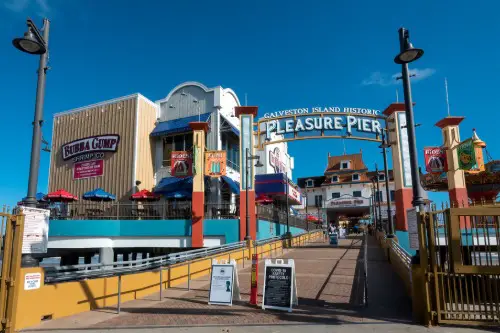
Galveston wears its history proudly, from grand 19th-century mansions to ghost stories whispered along the seawall. But this barrier island has always lived with disaster—hurricanes, flooding, and the slow crawl of the Gulf. The nostalgia here isn’t just sentimental; it’s survival instinct. The past feels safer than what’s coming.
Rising seas now routinely flood low-lying neighborhoods, and storms seem to hit harder every year. Efforts to reinforce the seawall help, but the Gulf keeps reclaiming ground. Still, Galveston clings to its old-fashioned charm—Victorian architecture, Mardi Gras parades, and all. The future may be uncertain, but the town refuses to rewrite its story.
10. Myrtle Beach, South Carolina
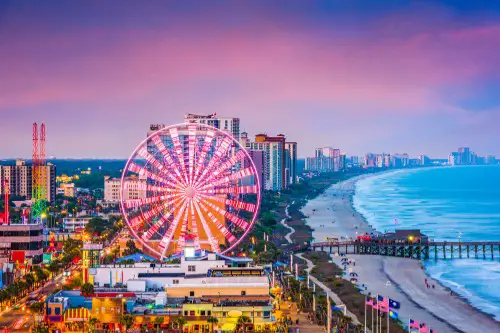
Myrtle Beach still markets itself with the same retro family-fun vibe it had in the 1970s. There’s mini golf, neon lights, and beach motels that seem untouched by time. But underneath that cheerful nostalgia, the coastline is eroding fast. The city spends millions each year replenishing sand just to keep the illusion alive.
Locals say the storms are getting worse and the tourists less loyal. Rising tides flood parking lots and threaten the very boardwalk that defines the town. Developers keep building higher, but the ground beneath them is shifting. Myrtle Beach’s nostalgia feels like a sunscreen-slicked mirage that’s slowly washing away.
11. Santa Cruz, California
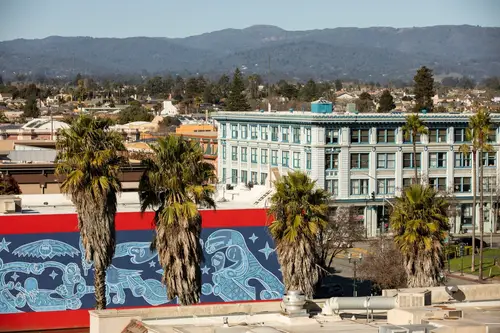
Santa Cruz still rides the wave of its surf-town glory days—wooden roller coasters, vintage surf shops, and boardwalk snacks. But that boardwalk floods more often now, and parts of the coastal cliffs are crumbling. Residents wrestle with how to stay authentic in a town that’s both a tech haven and a nostalgia trap. The ocean that defines Santa Cruz is also eroding it.
Wildfires in nearby hills and rising seas have made the future more unpredictable. Still, locals cling to the town’s “endless summer” identity. The surf culture, the music, the casual rebellion—it’s all still there, just weathered. Santa Cruz may always be cool, but it’s also running out of coastline.
12. Rehoboth Beach, Delaware
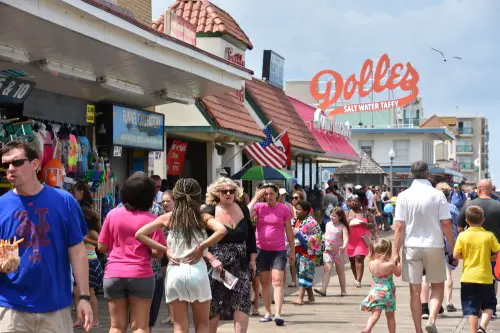
Rehoboth Beach calls itself “The Nation’s Summer Capital,” a title that dates back to its heyday as a D.C. getaway. The boardwalk fudge shops and lifeguard stands haven’t changed much since then. But stronger storms and higher tides are testing that easygoing charm. Flooding downtown has become almost routine.
Preservationists want to keep everything looking the same, from the beach cottages to the bandstand concerts. But the town’s infrastructure is showing its age. It’s a place that wants to live forever in the past but can’t stop water from finding its way in. Rehoboth’s nostalgia may be its biggest draw—and its biggest vulnerability.
13. Long Beach Island, New Jersey
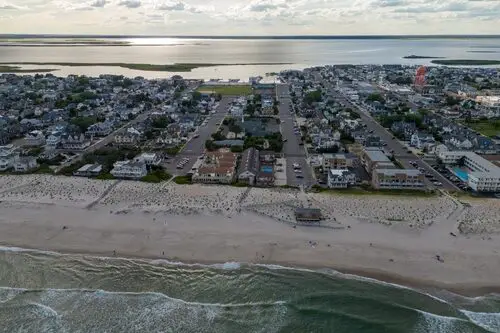
LBI has long been a summer paradise for families from Philly and New York. It’s still got the ice cream stands, the miniature golf, and the old fishing piers. But the barrier island is narrowing, and flooding is becoming part of everyday life. Some locals call it “sunny day flooding”—a nice phrase for a worsening problem.
Raising homes has become the new normal, and some streets sit empty after storms. Still, the island resists big changes, holding tight to its mid-century Americana vibe. Property values keep rising, even as the ground beneath them sinks. It’s the paradox of a place both priceless and perilously temporary.
14. Cape May, New Jersey
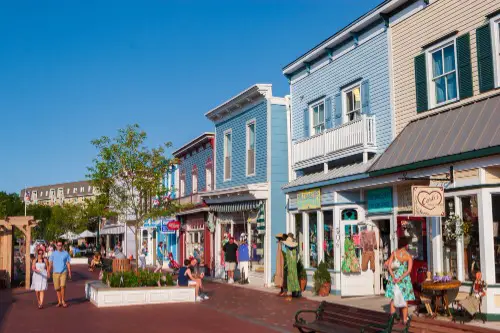
Cape May looks like a postcard that someone forgot to update. The town’s candy-colored Victorian houses are lovingly preserved, but the locals worry it’s become more museum than community. Many of its year-round residents have been priced out by summer rentals and boutique hotels. Still, every summer the same families return, chasing that old Jersey Shore magic they swear hasn’t faded.
The nostalgia here is thick—you can feel it in the creaky floors of the Congress Hall Hotel and in the saltwater taffy jars along the promenade. But sea-level rise is a real threat; Cape May County has seen some of the most severe coastal flooding in New Jersey. Locals have learned to live with flooded basements and disappearing dunes. For all its timeless charm, Cape May’s clock is ticking louder every year.
15. Lahaina, Maui
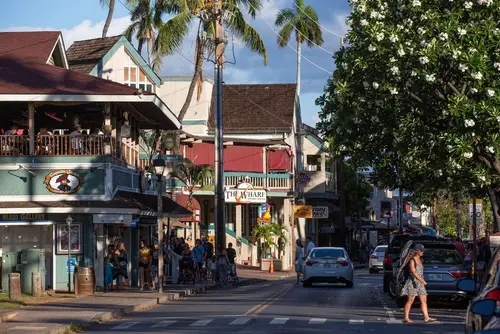
Before the 2023 wildfires, Lahaina was a living museum of Hawaiian culture—a mix of historic buildings, banyan trees, and oceanfront beauty. Its charm came from how unchanged it felt, a rare pocket of “old Hawaii.” That nostalgia was shattered when fires devastated the town, erasing much of its physical history. What remains is heartbreak and a fierce desire to rebuild.
Now, Lahaina’s nostalgia has taken on a new weight—it’s about remembrance, not resistance. Rebuilding is complicated by rising seas and the push-pull between preservation and renewal. Locals want to honor what was lost without becoming a theme park version of it. The tragedy turned Lahaina into the ultimate example of how fragile nostalgia can be.
This post 15 Beach Towns Slowly Sinking Under the Weight of Their Own Nostalgia was first published on American Charm.

