
1. Harpers Ferry, West Virginia
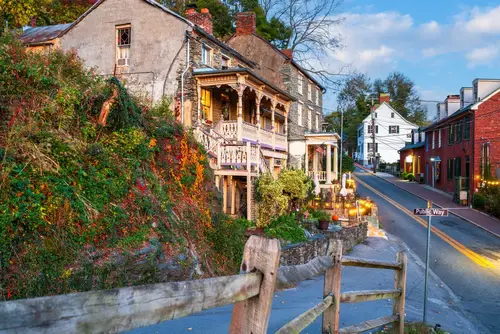
At first glance, Harpers Ferry looks like a sleepy riverside town tucked where the Potomac and Shenandoah meet. But this quiet spot was once the flashpoint of John Brown’s 1859 raid, a key event that helped ignite the Civil War. Walking its cobbled streets today feels like stepping back into a 19th-century time capsule. You’ll find preserved armory buildings, Civil War museums, and stunning hilltop views that made it a strategic prize for both Union and Confederate forces.
It’s also part of the Appalachian Trail, so hikers often stumble upon its rich past without realizing its significance. The National Park Service manages much of the area, keeping it frozen in time. Stop by the John Brown Museum to get a sense of how one man’s rebellion changed the course of history. It’s one of those rare places where every corner whispers a story of America’s growing pains.
2. Deadwood, South Dakota
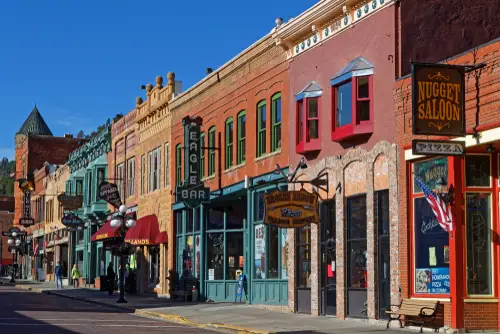
Most people know Deadwood from the HBO series, but few realize just how deeply tied it is to the real Gold Rush era. Founded in 1876 after the discovery of gold in the Black Hills, this town drew gamblers, outlaws, and opportunists by the wagonload. Wild Bill Hickok was famously shot here, and you can still visit his grave at Mount Moriah Cemetery. The wooden storefronts and saloons downtown look almost exactly as they did 150 years ago.
Today, it’s a small town that thrives on its rough-and-tumble past without turning into a theme park. You can tour historic brothels, see re-enactments of Wild West shootouts, or visit the Adams Museum for authentic relics. The whole place is a vivid slice of 19th-century frontier life that still feels raw and real. It’s one of those rare places where you half expect to see a stagecoach rolling by.
3. St. Augustine, Florida
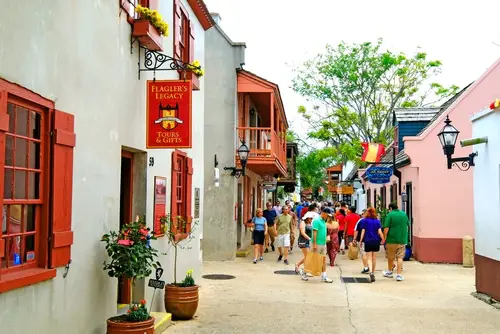
If you’ve ever driven down Florida’s coast, you may have breezed through St. Augustine without realizing you were passing the oldest continuously inhabited European-established city in the U.S. Founded by the Spanish in 1565, it predates Jamestown by decades. Its narrow brick streets, old-world balconies, and the massive Castillo de San Marcos all hint at centuries of history layered atop one another. The fort itself still bears the scars of cannon fire from British sieges.
The Spanish influence lingers in every courtyard and café. St. Augustine was a colonial outpost, a pirate target, and even a civil rights battleground. Walking through the old town feels more Mediterranean than American, and that’s part of its charm. It’s not just old—it’s a living timeline of American beginnings.
4. Bisbee, Arizona
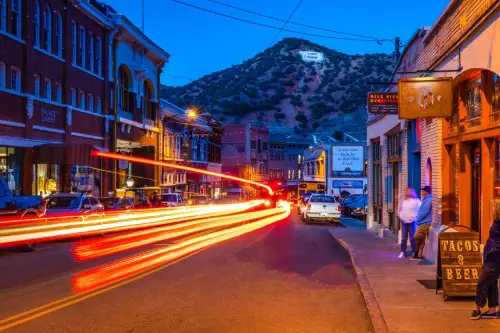
Hidden in the Mule Mountains near the Mexican border, Bisbee looks like an artist’s retreat—and it is—but it started as one of the richest copper-mining towns in the Southwest. Founded in the late 1800s, it was once booming with miners, saloons, and smelters. The Queen Mine, now a guided tour site, takes you underground to see the machinery that powered an industry. Above ground, Victorian buildings and murals give the place a quirky charm.
After the mining bust, Bisbee reinvented itself as a haven for creatives, musicians, and eccentrics. But it hasn’t forgotten its roots—its historical museum and preserved company houses keep the mining legacy alive. Every corner of town feels like a mashup of Wild West grit and bohemian flair. It’s one of those places where history isn’t just remembered—it’s repurposed.
5. Galena, Illinois
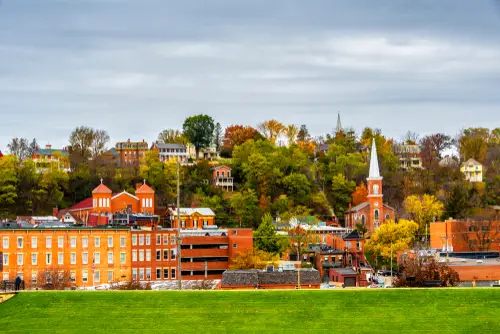
Galena might seem like a quaint Midwest river town, but in the 19th century it was a bustling port and mining center. The lead mines made it one of Illinois’s most important cities before Chicago stole the spotlight. Ulysses S. Grant called it home before leading the Union Army, and his house still stands as a museum. The downtown area’s brick storefronts and ironwork bridges feel straight out of the 1800s.
Today, Galena thrives on heritage tourism, yet it doesn’t feel overly commercial. Antique shops, inns, and old churches line the sloping main street. The town has preserved its architectural integrity so well it’s practically an outdoor museum. It’s proof that small-town America can have just as much historical weight as the big cities.
6. Lexington, Virginia
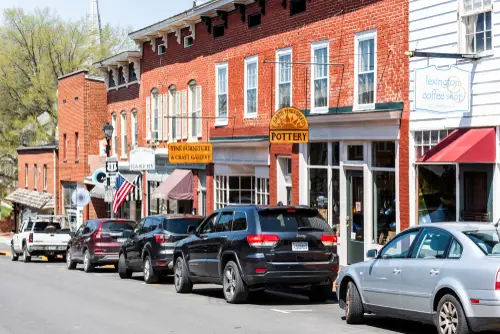
If you’re cruising through the Shenandoah Valley, you might blink and miss Lexington—but that would be a mistake. This small college town was home to both Robert E. Lee and Stonewall Jackson. Washington and Lee University’s campus still includes Lee Chapel, where the general is buried. Nearby Virginia Military Institute has a museum honoring Jackson and other Civil War figures.
The architecture alone tells the story of antebellum elegance and postwar resilience. But Lexington isn’t just about the Confederacy—it’s a microcosm of how the South wrestles with its past. There’s a growing effort here to contextualize history without erasing it. That thoughtful balance makes Lexington a surprisingly powerful place to explore.
7. Portsmouth, New Hampshire
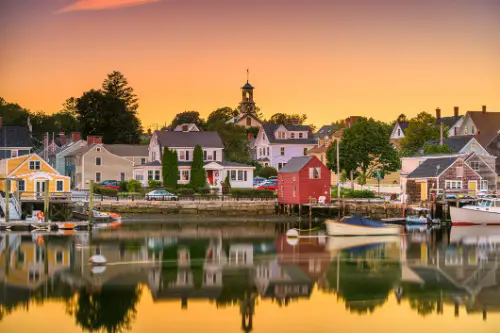
Portsmouth feels like a coastal postcard—sea breezes, old wharves, and clapboard houses—but it’s also one of America’s oldest seaports. Founded in 1623, it was a shipbuilding powerhouse and a key trading port during the colonial era. The historic district is filled with 18th-century homes that belonged to sea captains and merchants. At Strawbery Banke Museum, you can walk through centuries of daily life in one compact neighborhood.
Despite its long past, Portsmouth feels alive and modern. Cafés and boutiques occupy the same buildings where sailors once caroused. You can still catch the smell of salt air mixed with coffee and lobster rolls. It’s a perfect example of how a town can evolve without losing its soul.
8. Astoria, Oregon
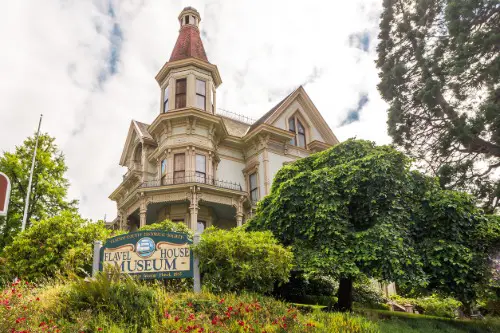
Perched at the mouth of the Columbia River, Astoria is the oldest American settlement west of the Rockies. Founded in 1811 by John Jacob Astor’s fur trading company, it played a crucial role in westward expansion. The Astoria Column, a 125-foot monument, depicts scenes from early exploration and pioneer life. The town’s steep hills and Victorian homes give it an almost San Francisco feel—without the crowds.
Astoria’s history is layered with maritime lore, shipwrecks, and immigrant stories. It’s also where The Goonies was filmed, adding a pop culture twist to its heritage. The old cannery buildings along the waterfront now house breweries and museums. It’s a small place with a big, rugged story to tell.
9. Franklin, Tennessee
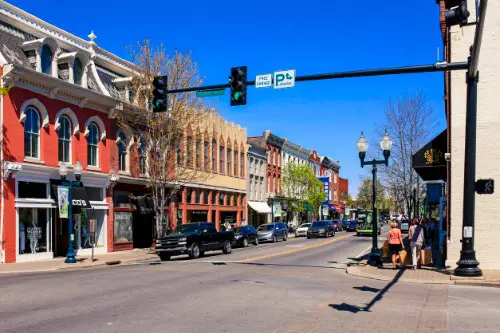
You might drive through Franklin thinking it’s just another Nashville suburb, but this town was the site of one of the Civil War’s bloodiest battles. The 1864 Battle of Franklin left thousands dead in just a few hours. Today, sites like the Carter House and Carnton Plantation preserve the grim reality of that day. You can still see bullet holes in the walls—real scars from real history.
But Franklin’s not stuck in the past. Its main street is lively with music, art, and Southern cooking, creating a bridge between its history and its future. The preservation efforts here are among the best in the country. It’s a reminder that even the prettiest towns can have the heaviest stories.
10. Leadville, Colorado
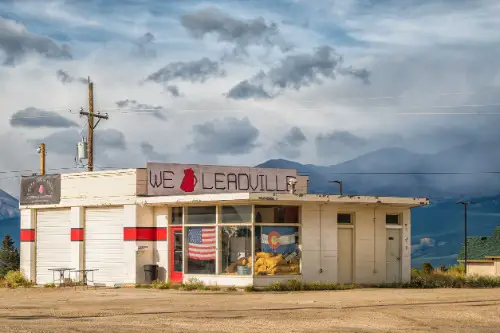
At 10,000 feet above sea level, Leadville was once one of the richest mining towns in America. During the late 1800s, its silver boom made millionaires out of miners and moguls alike. Figures like Doc Holliday and the “Unsinkable” Molly Brown walked its streets. Many of the original Victorian buildings still stand, a testament to its rowdy past.
The town’s Matchless Mine and Tabor Opera House are must-visits for history buffs. Leadville also offers breathtaking mountain views that make its rough history feel even more cinematic. It’s easy to miss if you’re driving fast along the Rockies, but it’s worth a detour. The air’s thin, but the history is thick.
11. Natchez, Mississippi

Natchez overlooks the Mississippi River, and it once symbolized the wealth and contradictions of the Old South. Founded in 1716, it’s older than New Orleans and was once a hub for cotton and river trade. Dozens of antebellum mansions still stand, many open for tours that reveal both grandeur and the brutal legacy of slavery. The town’s annual Spring Pilgrimage celebrates this complicated heritage with open houses and historical reenactments.
Natchez has managed to blend honesty with elegance in how it tells its story. The historic district feels timeless, with live oaks draped in Spanish moss. You can sit by the bluff and imagine the steamboats that once filled the river below. It’s Southern history at its most haunting and beautiful.
12. Concord, Massachusetts
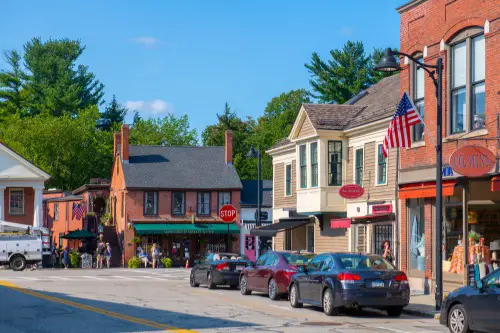
It’s easy to think of Boston when you think “Revolution,” but Concord is where it truly began. The first shots of the American Revolution were fired here in 1775 at the North Bridge. The town also became the cradle of American philosophy, home to Thoreau, Emerson, and Louisa May Alcott. Walden Pond still draws visitors who want a taste of transcendental solitude.
Concord blends intellectual and revolutionary energy like nowhere else. You can tour Orchard House or walk the same trails that inspired Walden. Every colonial home seems to hide a story about rebellion or reflection. It’s a small town that somehow shaped both our politics and our poetry.
13. Taos, New Mexico
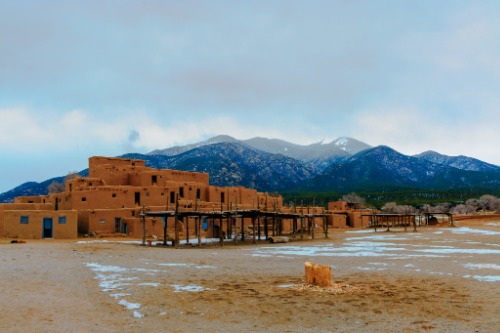
Taos looks like a quiet adobe village, but its roots run deep—literally. Taos Pueblo has been continuously inhabited for over a thousand years, making it one of the oldest communities in North America. Spanish colonists arrived in the 1600s, adding another layer to its story. By the 20th century, artists and writers flocked here for its light and cultural richness.
That mix of Indigenous, Spanish, and artistic heritage makes Taos unique. The pueblo itself is a UNESCO World Heritage Site, and visiting it feels like time travel. Downtown Taos reflects that same layered identity with galleries, churches, and murals. It’s a reminder that American history didn’t start with the Revolution—it started long before.
14. Sandwich, Massachusetts
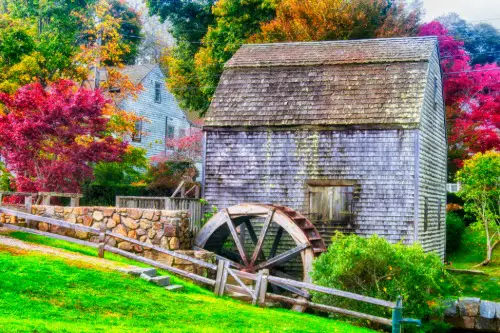
The name makes people smile, but Sandwich is one of the oldest towns on Cape Cod, founded in 1637. It was originally a Puritan settlement, and much of its early architecture remains intact. The Hoxie House, built around 1675, is one of the oldest surviving homes in New England. The town’s glassmaking industry also thrived in the 19th century, putting it on the map for something beyond fishing.
Today, Sandwich is calm and picturesque, with beaches and salt marshes that hide its long history. The Heritage Museums and Gardens offer a great look into its evolution. Walking the old mill site or Main Street feels like visiting a living museum. It’s small, but it carries four centuries of New England legacy.
15. Eureka, California
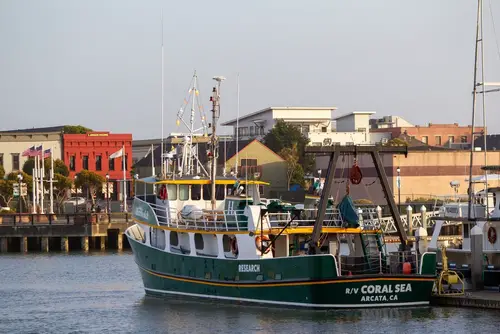
If you’ve driven up the Northern California coast, you’ve probably passed through Eureka without realizing its historical punch. This was once the heart of the redwood lumber boom in the 19th century. The wealth from timber built elaborate Victorian mansions like the Carson Mansion, one of the most photographed homes in America. The Old Town district, lined with colorful façades, still hums with maritime history.
Eureka has embraced preservation instead of progress for progress’s sake. The town’s layout and waterfront feel like a step back to the 1880s. Museums and galleries celebrate both its natural and industrial roots. It’s where the California frontier meets the Pacific, frozen in time.
16. Jonesborough, Tennessee
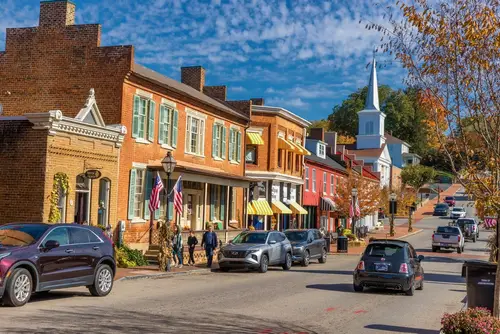
Jonesborough might seem like just another Appalachian town, but it’s actually Tennessee’s oldest, founded in 1779—before the state even existed. It played a key role in the short-lived State of Franklin movement, an early attempt at independence from North Carolina. The town’s wooden storefronts and brick sidewalks have barely changed since the 1800s. You can even attend the National Storytelling Festival held here every fall.
That festival perfectly suits a place with so many tales to tell. Jonesborough was a crossroads for pioneers, settlers, and dreamers pushing west. Its preservation efforts have kept that frontier feel alive. It’s a living reminder that big history often hides in small towns.
This post 16 Towns You’ll Pass By Without Realizing They’re Full of History was first published on American Charm.

