
1. Tomato Soup Cake
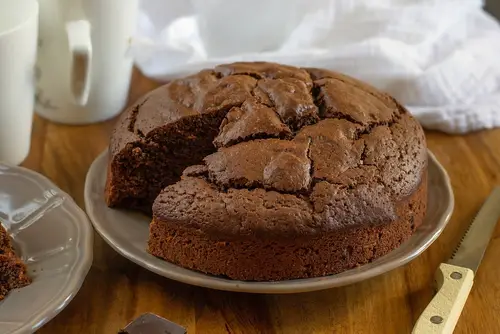
Yes, you read that right—cake made with a can of Campbell’s tomato soup. This odd Depression-era invention first appeared in the 1920s and became popular during the 1930s when ingredients were scarce. The soup replaces eggs and butter, adding moisture and a subtle tang that balances the warm spices. It sounds like an accident, but it actually tastes like a spiced carrot cake with a faintly savory undertone.
People kept making it because it used pantry staples and still felt like a treat when sugar and fats were rationed. The tomato flavor all but disappears, leaving behind a rich texture and depth that plain cakes can lack. It’s especially good with cream cheese frosting, which complements that gentle acidity. Modern bakers rediscover it for its quirky history—and because it genuinely works.
2. Vinegar Pie
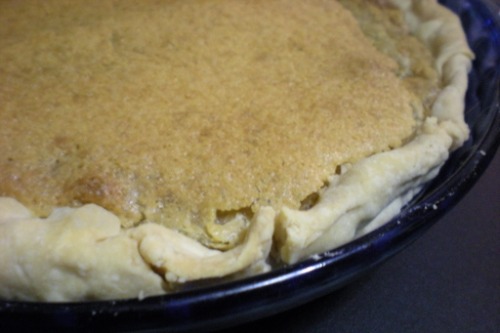
Pioneers didn’t have lemons lying around, so they got creative. Vinegar pie came from the 19th century American frontier, where vinegar stood in for citrus to give custard-style pies a tart bite. It sounds like a dare, but the vinegar just brightens the filling, balancing the sugar and butter. The result is surprisingly elegant—sweet, tangy, and a little caramelized at the edges.
This dessert became a staple of “make-do” cooking during hard times, when resourcefulness defined American kitchens. It’s one of those recipes that teaches you how necessity breeds invention. The flavor isn’t vinegary so much as citrus-adjacent, like a mild lemon bar. If you like buttermilk pie or chess pie, this one will feel like an old friend.
3. Mock Apple Pie
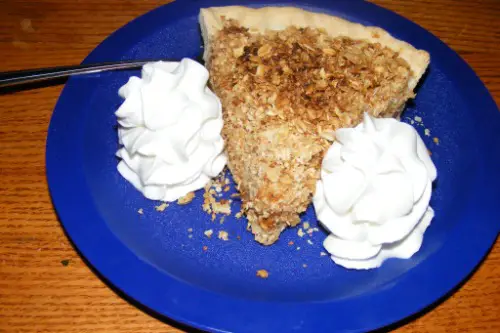
Made famous by the Ritz Cracker box in the 1930s, this pie is apple-free—and somehow still tastes like apples. Bakers would layer crackers with sugar syrup, cinnamon, and lemon juice, mimicking the flavor and texture of baked fruit. It was originally created in the mid-19th century, when apples weren’t always available year-round. The crackers soak up the syrup and transform into something weirdly convincing.
People still make it out of curiosity, and it consistently surprises skeptics. The key is in the acid and spice combination—it tricks your brain into thinking you’re eating apple filling. While it may not replace Granny Smiths, it proves how far ingenuity can go. It’s culinary illusionism at its most comforting.
4. Water Pie
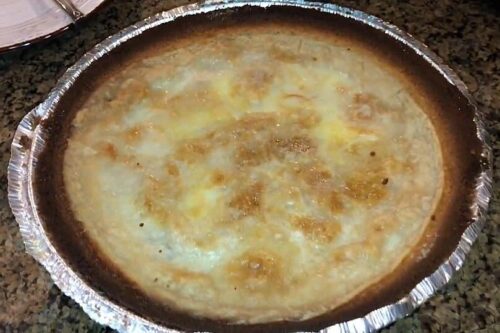
During the Great Depression, bakers made pies from almost nothing—and water pie was a prime example. The filling is literally water, sugar, butter, and flour, baked in a simple crust. Somehow, it sets into a smooth, buttery custard that’s surprisingly rich. It’s a testament to thrift and persistence in the toughest of times.
What makes it remarkable is its texture: silky, almost like a sugar cream pie. The butter rises and crisps on top, creating a self-basting crust. It may sound bland, but it’s deeply comforting and nostalgic for those who grew up with it. Add a sprinkle of cinnamon, and you’d swear it was meant to be that way all along.
5. Hot Dr. Pepper
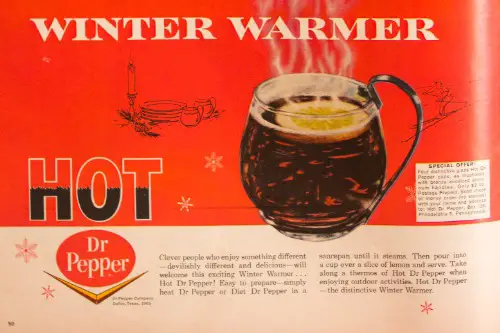
In the 1960s, Dr. Pepper tried to reinvent winter beverages by marketing its soda served hot with lemon. The concept horrified soda purists, but surprisingly, it’s deliciously cozy. The heat brings out the drink’s spiced cherry notes and transforms it into something like mulled cider. It feels retro and oddly sophisticated at the same time.
People rediscovered it in recent years for its campy charm and genuine flavor payoff. It’s also ridiculously easy—just heat the soda and float a lemon slice. The sweetness mellows, and the carbonation fades into a caramel-like warmth. It’s the soda version of “don’t knock it till you try it.”
6. Prune Whip
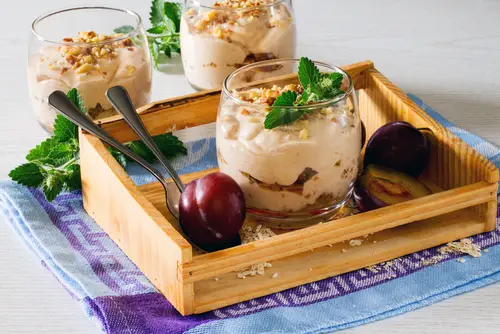
This one sounds like punishment, but it was actually a beloved 1940s dessert. Prunes were a health food staple, and cooks turned them into a fluffy, meringue-based pudding. The result is sweet, airy, and reminiscent of chocolate mousse in texture. The prunes give a natural richness and depth that feel surprisingly modern.
It became popular as a “light” dessert when butter and cream were scarce during wartime. The recipe highlights how cooks turned simple ingredients into elegance with technique. When chilled, it’s refreshing and not overly sweet—perfect with a dollop of whipped cream. Prune whip deserves its comeback in the age of rediscovered vintage recipes.
7. Peanut Butter Stuffed Onions
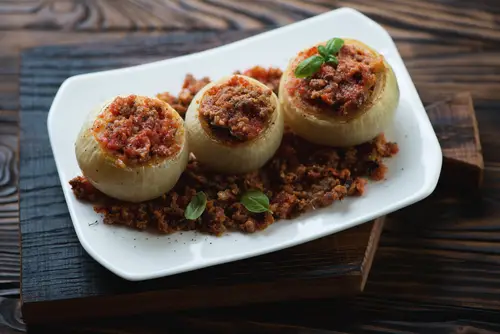
This one sounds like a prank, but it’s straight out of 1940s cookbooks. The idea was to fill baked onions with a peanut butter mixture, often topped with breadcrumbs. The creamy filling contrasts with the sweet, softened onion, creating a surprisingly balanced side dish. It’s a flavor combination that shouldn’t work—but somehow does.
This dish appeared during times when protein was scarce and meat substitutes were in demand. Peanut butter was cheap and nutritious, making it a clever stand-in. The roasted onion sugars mellow the peanut flavor into something nutty and rich. Think of it as Depression-era comfort food with a bizarrely gourmet twist.
8. Perfection Salad
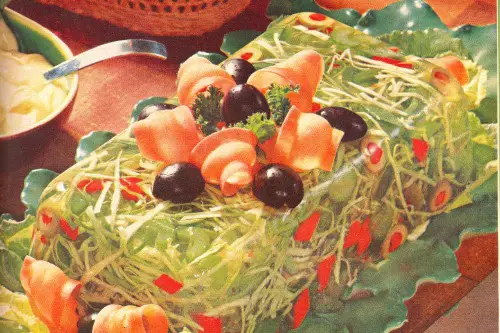
Nothing screams early 20th century like gelatin “salads.” Perfection Salad, created in 1905, was a molded mixture of shredded cabbage, celery, and pimentos suspended in lemon gelatin. It sounds like cafeteria chaos, but when chilled properly, it’s crisp, tangy, and refreshing. It was designed to look refined—“modern” housewives loved its glossy presentation.
Despite its strange appearance, the flavor is clean and bright, like a sweet-sour coleslaw. The gelatin locks in the crunch of the vegetables, keeping them crisp for days. Served with mayonnaise or cottage cheese, it makes sense in an old-school, Sunday luncheon way. It’s weirdly satisfying once you get past the wobble.
9. Sauerkraut Chocolate Cake
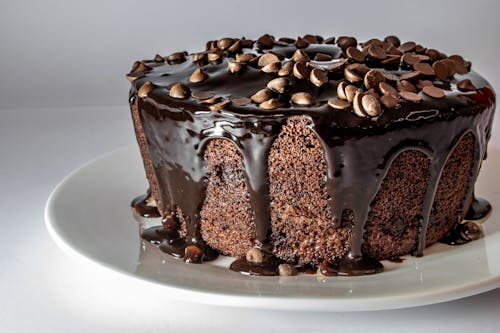
This postwar recipe might make you raise an eyebrow, but it’s a genius move. Sauerkraut replaces shredded coconut or nuts, giving the cake a moist, tender crumb. The slight acidity enhances the chocolate flavor, much like adding coffee or buttermilk. It’s rich, not sour, and absolutely foolproof.
Cooks in the 1950s embraced it as a way to use pantry staples creatively. The salt and tang from the sauerkraut balance the sweetness perfectly. You’d never guess what’s inside unless someone told you. It’s proof that the strangest combinations often bake up the best.
10. Chicken and Waffles
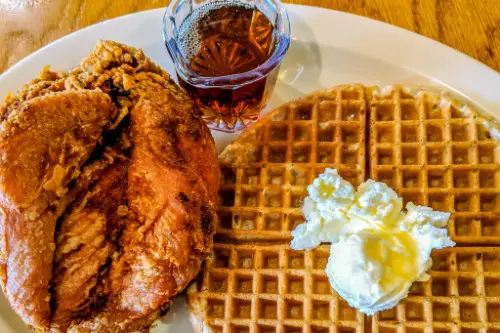
Once considered an oddball pairing, chicken and waffles started as a late-night meal in the 1930s Harlem jazz scene. The idea of fried chicken with syrup-covered waffles confused diners at first. But the combination of crispy, savory, and sweet proved irresistible. It’s indulgent and comforting all at once.
The contrast is what makes it work: salty chicken skin with buttery waffle and maple syrup. The dish became iconic because it straddles breakfast and dinner with ease. It also symbolizes cultural fusion—Southern fried chicken meeting Northern brunch vibes. What began as a midnight snack became an American classic.
11. Aspic
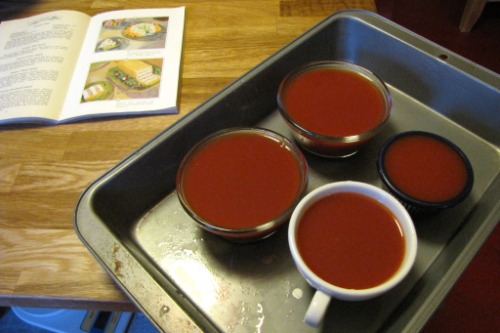
Jellied meat dishes might seem like culinary crimes today, but aspic was once the height of sophistication. Chefs used gelatin made from bones to suspend meats, vegetables, or seafood in shimmering molds. The technique preserved food and made buffets look extravagant. It’s more about texture and presentation than flavor shock.
When made right, aspic has a delicate, savory flavor that highlights whatever’s inside. Cold roast chicken or ham suddenly feels elegant under a crystal-clear glaze. Though it fell out of favor, it’s still beloved by traditional chefs for its artistry. It’s one of those dishes that proves skill can make even the weirdest idea shine.
12. Cornflake Macaroni Casserole
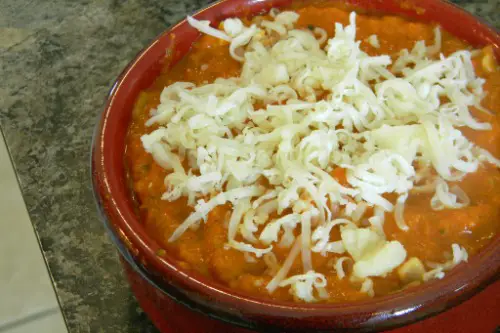
This 1950s dish sounds like cereal chaos, but it’s peak mid-century comfort food. Cooks layered macaroni and cheese with crushed cornflakes for crunch and baked it until golden. The topping adds a sweet-savory crispness that contrasts the creamy pasta. It’s an early example of the American obsession with texture.
The casserole craze made this a potluck favorite—simple, filling, and family-friendly. Cornflakes were heavily marketed as a versatile kitchen ingredient, and homemakers took the bait. It’s nostalgia baked into every bite: part breakfast, part dinner, all comfort. Once you try it, you’ll understand why it stuck around.
This post 12 Recipes From Old Cookbooks That Sound Terrible—But Taste Amazing was first published on American Charm.