
1. Ham and Banana Hollandaise

This one sounds like a dare gone wrong. It involves wrapping bananas in slices of ham, baking them, and then drowning the whole thing in hollandaise sauce. The bananas get warm and mushy, the ham gets extra salty, and the buttery hollandaise just ties it all together in the worst possible way. Somehow, this was an actual recipe that people willingly made in the mid-20th century.
It was probably meant to be a fusion of sweet, salty, and creamy flavors, but the execution is highly questionable. The bananas’ sweetness clashes with the savory elements, creating a dish that confuses rather than delights. Thankfully, this one hasn’t stood the test of time. Unless you’re feeling particularly brave, this is a recipe best left in the history books.
2. Aspic (Meat Jell-O)
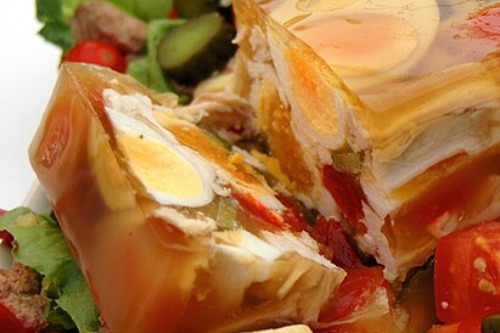
Once considered the height of sophistication, aspic is basically savory gelatin stuffed with meats, seafood, or vegetables. Cooks would suspend everything from boiled eggs to whole shrimp inside a shimmering, translucent mold. The idea was that it kept food fresh longer, but let’s be honest—there’s something unsettling about cold, wobbly beef stock encasing chunks of ham. If Jell-O shots make you queasy, imagine biting into one that tastes like chicken soup.
Aspic was everywhere in mid-century cookbooks, often served in elaborate ring molds. People would carve it into fancy shapes and serve it as a dinner centerpiece. The rise of refrigeration and changing tastes sent it into obscurity, though some high-end chefs still experiment with it. Unless you’re a fan of cold, jiggly meat cubes, it’s probably best left in the past.
3. Liver Loaf
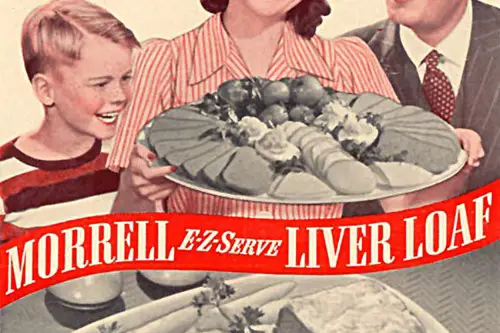
Back when nose-to-tail eating was more common, liver loaf was a household staple. It’s exactly what it sounds like—a loaf made primarily of liver, sometimes blended with breadcrumbs, eggs, and seasonings. While it was an economical way to get protein, it has that unmistakable metallic, mineral-heavy taste that not everyone can stomach. Even in the heyday of meatloaf, liver loaf was a hard sell for kids at the dinner table.
Some versions came pre-packaged, looking like an eerie, pinkish-brown brick. Others were homemade and served in slices, often covered in gravy to mask the intense liver flavor. While pâté is still beloved in gourmet circles, liver loaf never quite made the same comeback. Unless you’re a die-hard offal fan, this is one dish you’re unlikely to crave.
4. Perfection Salad
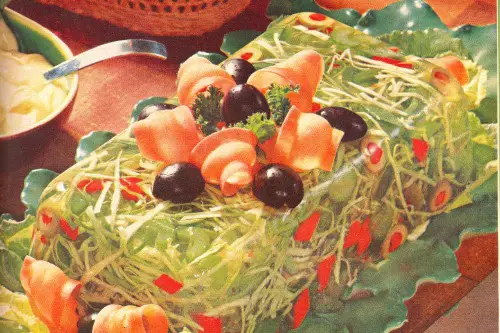
With a name like Perfection Salad, you’d think it would be… well, perfect. Instead, this dish is a wobbly, gelatin-based monstrosity filled with shredded cabbage, carrots, and sometimes olives or pickles. It was popular in the early 1900s and stuck around for decades, often appearing at luncheons and potlucks. The appeal was its ability to hold its shape and stay fresh for days, but the combination of sweet, tangy, and crunchy was deeply unsettling.
Imagine biting into a cool, lemon-flavored gelatin, only to find raw cabbage and vinegar lurking inside. Some versions even added mayonnaise, making it even more of a textural nightmare. While gelatin-based desserts are still popular, savory Jell-O salads have thankfully faded into obscurity. Unless you want to relive the oddball culinary choices of the past, you might want to skip this one.
5. Banana and Mayonnaise Sandwiches
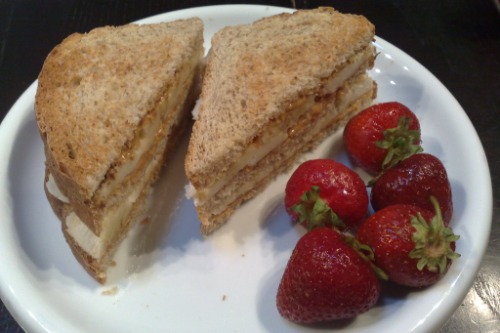
This sandwich was once a common lunchbox treat, especially in the South. It’s exactly what it sounds like—slices of banana slapped between two pieces of white bread and slathered with mayo. The idea was that the creamy, tangy mayo balanced out the sweetness of the banana. But for modern taste buds, it’s a bit of a crime against sandwiches.
The texture alone is enough to make some people gag, with the mushy banana blending into the slick mayo. Some versions even added peanut butter, which arguably makes more sense. While nostalgia keeps it alive in some circles, it’s a tough sell for most people today. If you’re feeling adventurous, give it a try—but don’t say we didn’t warn you.
6. Spam and Jell-O Pie

Spam on its own is already a divisive food, but when you encase it in Jell-O, things get truly questionable. This mid-century recipe involved layering Spam slices in a gelatin mold, sometimes with peas and hard-boiled eggs. The whole thing was then topped with a mayo-based dressing for good measure. It was meant to be a “convenient” way to serve dinner, but the result was more nightmare than meal.
The combination of salty, processed meat with a sweet, wobbly gelatin made for an unappetizing experience. While Spam has had a resurgence in popularity, especially in Hawaiian cuisine, Spam-Jell-O combinations are a thing of the past. Today, we have better ways to enjoy canned meat—preferably without the extra jiggle. If you ever stumble upon an old cookbook suggesting this dish, it’s best to keep flipping.
7. Jellied Chicken
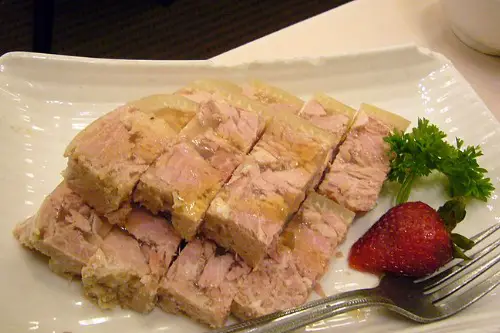
Jellied chicken is exactly what it sounds like—chicken pieces suspended in a gelatin mold. Back in the day, it was a way to use up extra broth and ensure leftovers didn’t go to waste. It was served cold, often sliced like a loaf and presented as a fancy appetizer. But the idea of eating chilled, congealed chicken chunks is hard to stomach for most people today.
The texture is what makes this dish especially unappealing. Gelatinous, rubbery, and oddly slippery, it’s a far cry from the comfort food most of us expect from chicken. Some versions even added vegetables or hard-boiled eggs, making it look even more bizarre. While meat aspics were once a fine dining staple, they’re now mostly a relic of a bygone culinary era.
8. Peanut Butter and Pickle Sandwich
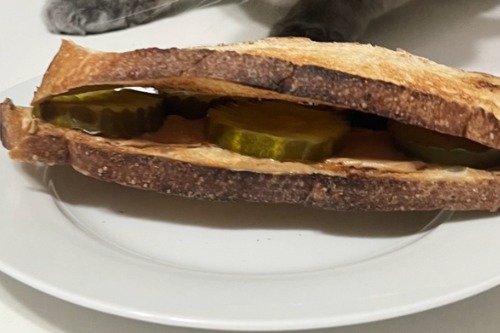
This sandwich has a small but devoted fan base, but for many, it’s an unholy combination. The salty-sour crunch of pickles clashes with the rich, sticky peanut butter in a way that’s hard to describe. Some claim the flavors balance each other out, while others say it tastes like an accident. It was a cheap and easy lunch during the Great Depression, which explains why it stuck around for so long.
While peanut butter pairs well with plenty of things, pickles might not be one of them. The vinegary bite of the pickles cuts through the thick peanut butter in a way that some people love—but many do not. If you grew up with this sandwich, you might defend it to the end. But if you’re trying it for the first time, don’t be surprised if it leaves you puzzled.
9. Tuna and Jell-O Pie
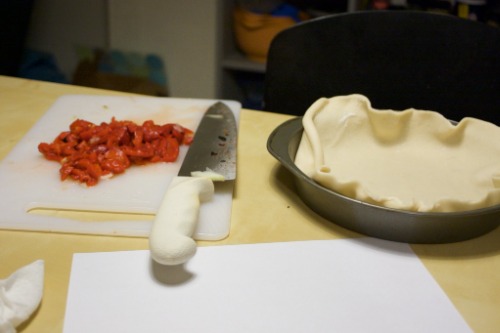
If you ever wanted proof that mid-century America had a questionable relationship with gelatin, look no further than tuna and Jell-O pie. This dish combined canned tuna with lemon Jell-O, molded into a pie crust, and sometimes topped with olives or mayonnaise. The result was a cold, fishy, citrus-flavored jelly that defied logic and taste buds alike. It was supposed to be a creative way to serve tuna salad, but it ended up as more of a science experiment gone wrong.
The real horror of this dish comes from the texture. The slippery, jiggly consistency of the Jell-O mixed with flaky, canned tuna is enough to make most people cringe. While tuna salad remains a classic, there’s a reason we don’t see it suspended in gelatin anymore. If you ever come across a vintage cookbook recommending this dish, do yourself a favor and turn the page.
10. Hot Dr. Pepper
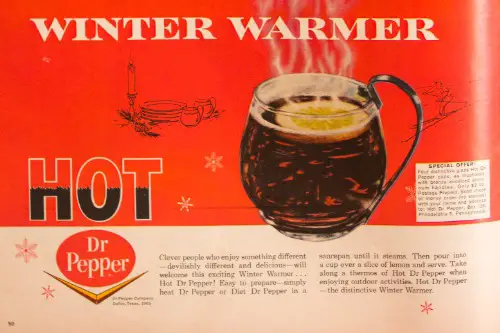
In the 1960s, Dr. Pepper actually promoted a recipe for serving their soda hot. The idea was to warm up a mug of Dr. Pepper, pour it over a slice of lemon, and sip it like tea. The company marketed it as a cozy winter beverage, but in reality, the carbonation disappears and leaves behind an overly sweet, syrupy drink. It was a bold attempt to repurpose soda, but not one that stuck around.
If you’ve ever had warm soda by accident, you already know why this trend didn’t last. The flavor becomes cloying, and the citrus only makes it weirder. While Dr. Pepper remains a beloved soft drink, most people would rather keep it ice-cold. Unless you’re extremely curious (or out of hot cocoa), this is one retro drink you can skip.
11. Stuffed Prunes
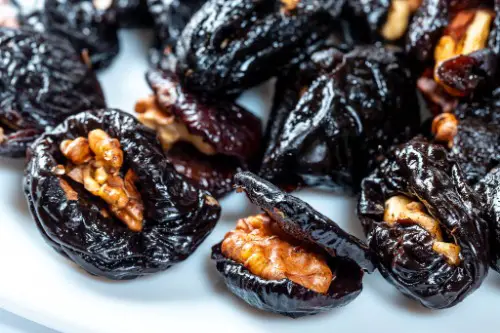
At some point, someone decided that prunes—already an acquired taste—weren’t exciting enough on their own. The solution? Stuffing them with a mix of nuts, cheese, or even mayo and serving them as hors d’oeuvres. While prunes are undeniably good for digestion, stuffing them with creamy or savory fillings made for a bizarre contrast.
The result was a chewy, sticky bite that often confused more than delighted. Some recipes even called for wrapping the prunes in bacon, as if that would fix things. While bacon-wrapped dates have made a comeback, prunes stuffed with cheese or mayo remain firmly in the past. If you ever see these at a party, proceed with caution.
12. Cornflakes and Ketchup Casserole
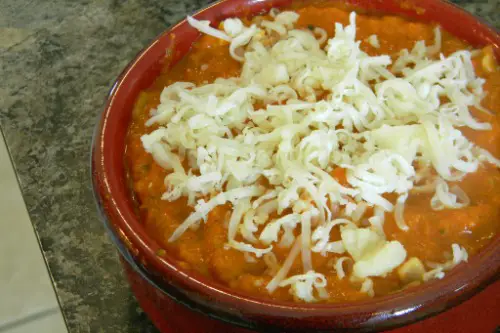
During tough economic times, people got creative with whatever ingredients they had on hand. This Depression-era dish involved layering cornflakes with ketchup and baking it into a makeshift casserole. It was meant to mimic a tomato-based pasta dish, but without the actual pasta. The result was a crunchy, sweet-and-tangy mess that no one really wants to revisit.
Cornflakes have been used in plenty of successful recipes, from fried chicken coatings to dessert bars. But mixing them with ketchup creates a dish that lacks both texture and balance. While we can respect the ingenuity of the time, we have far better options now. Unless you’re looking for a truly vintage food experience, this one is best left forgotten.
13. Bologna Cake
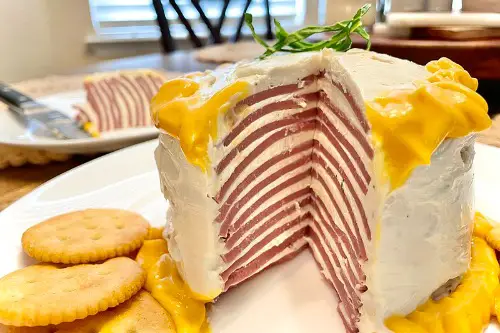
Bologna is already a divisive food, but turning it into a “cake” takes things to another level. This dish involves stacking slices of bologna with layers of cream cheese or mayonnaise, then frosting the entire thing with more of the same. Some versions even decorate the outside with olives or shredded cheese for a fancy touch. It’s essentially a meat-based layer cake, and yes, it was actually served at parties.
While it’s not technically a dessert, the cake-like presentation makes it all the more unsettling. The idea was to create a savory appetizer that was easy to slice and serve, but the thought of eating thick slabs of bologna with a mayo-based “icing” is hard to stomach. Bologna sandwiches might have their place, but turning processed lunch meat into a cake is where most people draw the line. Unless you’re hosting a retro-themed dinner party, this is one dish that should stay in the past.
14. Crown Roast of Frankfurters

This dish was supposed to look regal but ended up more comical than appetizing. Cooks would arrange hot dogs in a crown shape, stand them upright in a circle, and fill the center with creamed corn or mashed potatoes. The idea was to elevate the humble frankfurter into something fit for a dinner table centerpiece. Unfortunately, the result looked more like a science project than a celebratory meal.
While hot dogs have their place at cookouts, trying to turn them into fine dining was always a stretch. The combination of overcooked franks with mushy filler didn’t exactly scream “gourmet.” Crown roasts of pork or lamb have remained timeless, but this hot dog version faded fast. Today, it’s remembered more for its kitsch factor than its flavor.
15. Candle Salad
Candle salad was marketed as a fun, kid-friendly recipe, but it leaned more toward unsettling than delightful. It involved stacking lettuce, a pineapple ring, and a peeled banana upright, then topping it with a dollop of mayonnaise and a cherry. The final result was supposed to resemble a lit candle, though the resemblance often made people laugh more than eat. For children, the visual alone was enough to cause confusion at the dinner table.
Nutritionally, it wasn’t terrible—fruit and lettuce with a bit of fat from mayo. But in terms of flavor and presentation, it was all over the place. The mayonnaise clashed with the sweet fruit, creating a dish that felt more like a prank than a treat. It’s safe to say this is one vintage recipe that hasn’t seen a revival.
16. Tomato Aspic
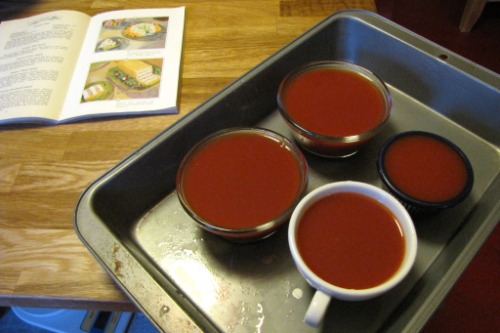
Tomato aspic was another gelatin-based dish that found its way onto American tables in the mid-20th century. It combined tomato juice or tomato soup with unflavored gelatin, often with celery, peppers, or onions suspended inside. Once chilled, it was served in slices as a salad course, frequently topped with mayonnaise. The result was a cold, rubbery slab that baffled many taste buds.
The tangy tomato flavor clashed with the gelatin’s wobble, making it hard to think of as refreshing. While tomato soup remains a comforting staple, suspending it in gelatin has not aged well. Chefs tried to make it sophisticated by molding it into elaborate shapes, but presentation couldn’t save the taste. Today, tomato aspic is remembered mostly as one of the strangest culinary relics of the era.
17. Chilled Celery Log
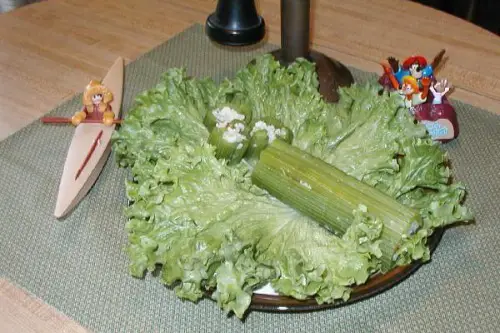
The chilled celery log was a popular party snack that combined cream cheese, nuts, and raisins stuffed into celery stalks. While celery with peanut butter still works as a crunchy snack, this version leaned more bizarre than appealing. The combination of tangy cream cheese and sticky raisins didn’t sit right with many people. It was meant to be a finger food, but most guests probably passed.
Celery has always been tricky to make exciting, but chilling it with odd fillings didn’t help. Some variations even suggested blue cheese or pimento spread, making the flavors even stronger. The result was a snack that looked festive but tasted confusing. It’s no wonder this appetizer didn’t survive the test of time.
18. Deviled Ham Mousse
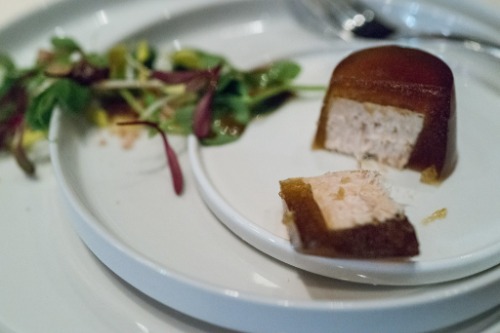
This dish took canned deviled ham, mixed it with gelatin, and molded it into a loaf or ring for serving. The spreadable ham product already had a sharp, spicy tang, and suspending it in gelatin only amplified the strangeness. It was then topped with parsley or hard-boiled egg slices to dress it up. Despite the effort, it rarely looked appetizing.
The texture was especially troubling—soft, spongy, and slippery all at once. Spread on crackers, it delivered a salty punch but left behind an odd aftertaste. Deviled ham on its own is already divisive, but in mousse form, it reached new levels of unappealing. Thankfully, modern party dips have moved in a much tastier direction.
19. Mock Apple Pie
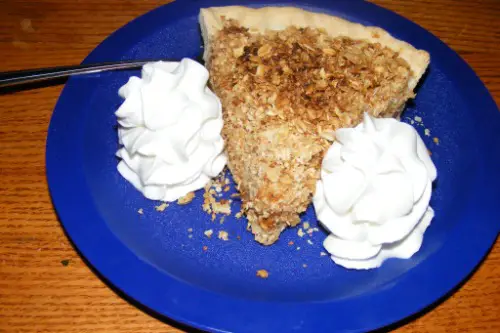
This Depression-era dessert aimed to replicate apple pie without any apples at all. The filling was made by soaking Ritz crackers in sugar syrup and lemon juice, then baking them in a crust with cinnamon. The crackers softened and took on a vaguely apple-like texture, but the illusion was far from perfect. It was a thrifty solution, but not one that truly satisfied dessert cravings.
The pie’s biggest problem was its flavor, which leaned more artificial than fruity. While it fooled some people in its day, it never became a beloved recipe. Once real apples were easier to get, most home cooks abandoned the mock version. Today, it’s mostly remembered as a culinary curiosity from hard times.
20. Pineapple and Cottage Cheese Salad
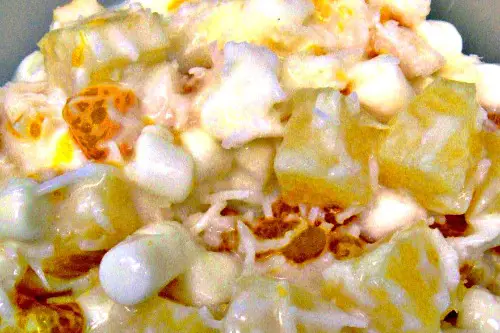
This dish involved stacking canned pineapple rings with big scoops of cottage cheese in the middle, sometimes topped with a cherry. It was considered light, refreshing, and easy to prepare, but the flavor combination didn’t always work. The tart-sweet pineapple clashed with the bland, tangy curds of cottage cheese. Even when served on a bed of lettuce, it felt more strange than satisfying.
Cottage cheese has had its revivals, but pairing it with syrupy canned fruit hasn’t fared as well. The texture of curds against slippery pineapple wasn’t the most appetizing contrast. While some still eat versions of this dish today, it’s more out of nostalgia than true enjoyment. As far as retro salads go, this one’s better left in the past.
21. Jell-O Vegetable Salad

Jell-O vegetable salad might be the poster child for why savory gelatin dishes fell out of fashion. Recipes called for lemon or lime gelatin filled with shredded carrots, celery, cabbage, and even green peppers. The end product was a bright, jiggly mold that looked cheerful but tasted confusing. Sweet, fruity flavors collided with raw vegetables in every bite.
The salad was often promoted in cookbooks as a modern, refreshing option for housewives. Unfortunately, the clash of tastes and textures made it more of a conversation piece than a crowd-pleaser. Some versions even included mayonnaise, which only made the dish stranger. It’s a perfect example of why the Jell-O craze eventually cooled off.
This post These 21 Retro American Foods Might Make You Lose Your Appetite was first published on American Charm.

