The two-lane road bends, and a brown sign comes up on the right. Historical marker, half a mile. Most cars keep going. A few pull onto the gravel, and somebody gets out to read it.
Oregon is full of those signs. Gold strikes, wagon roads, railroads that came through and then left. A lot of the towns that grew up around them are still there, smaller and quieter than they used to be.
We’ve written about Western towns that never quite left the 1800s. Oregon has its own, spread from the Willamette Valley to the high desert to the mountains near Idaho. None of them made it big. Several of them were saved because they didn’t.
These eight are worth the long drive. Most have a few thousand people or fewer, and one has about 30.
Read the marker. Then walk down the street.
1. Jacksonville, Oregon: The railroad passed it by, and that saved the town
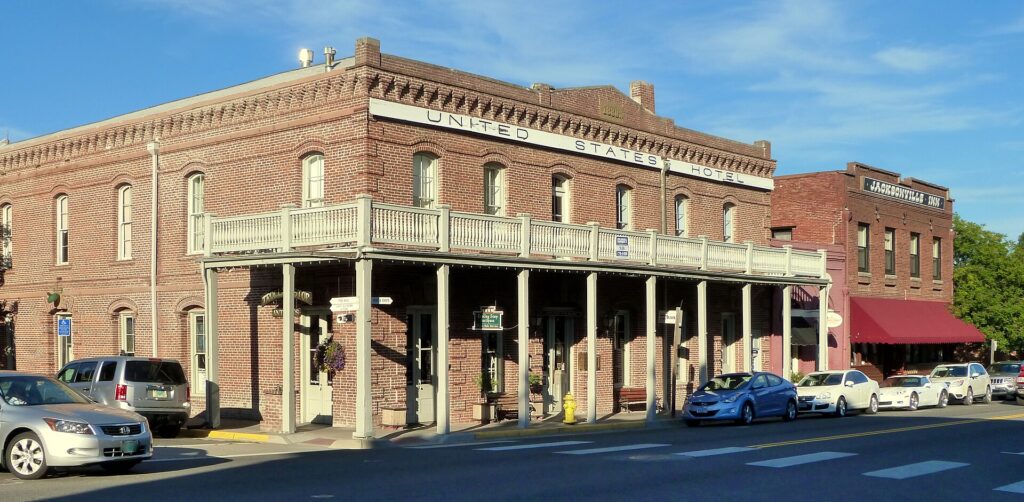
Brick storefronts line California Street, with tall windows and a wooden balcony hanging over the sidewalk. Most of them were already old when the first car came through.
Jacksonville started with a gold strike in 1851 and 1852 and became the county seat and the money center of southern Oregon. Then the gold ran thin. In 1884 the railroad went through Medford instead, and in 1927 the county seat followed it. Nobody had the money to tear the old town down, so nobody did. The 1856 Beekman Bank still has its original fixtures.
In 1966 the town was named a National Historic Landmark, with more than 100 buildings in the district. About 3,000 people live there now, and in recent years the town has dressed up for a Victorian Christmas on weekends from late November until Christmas.
Being bypassed felt like the end. It turned out to be the reason it lasted.
2. Oakland, Oregon: The same family has sold hardware on the corner since 1887
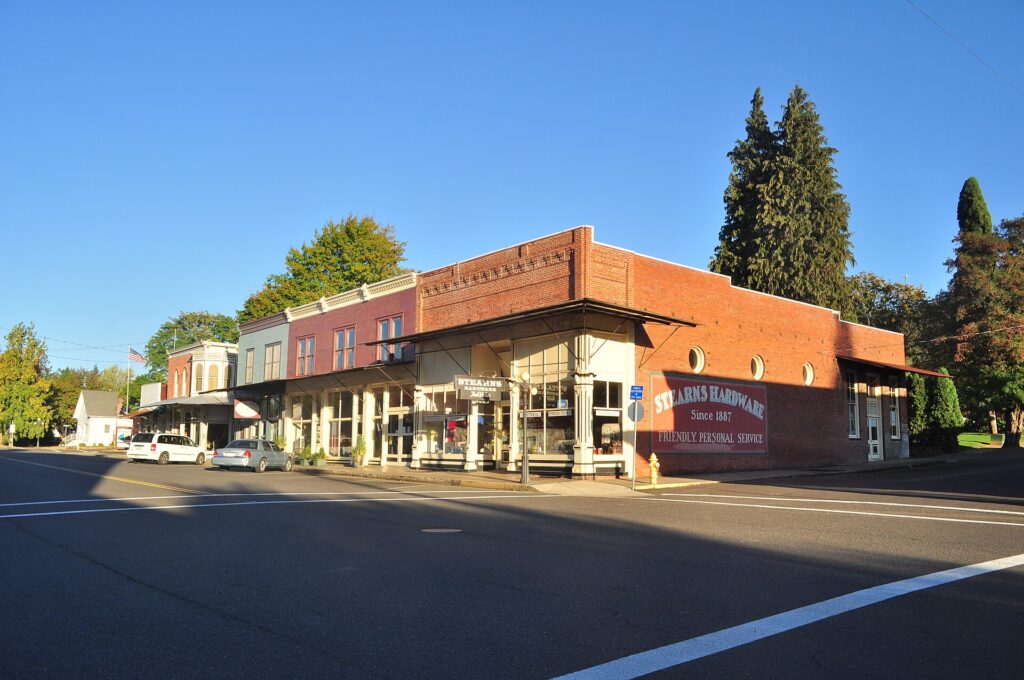
Two blocks of brick buildings sit just off Interstate 5. The hardware store is on the corner, where it has been since before anyone in town was born.
Stearns Hardware opened in 1887 and moved into its brick building on Locust Street in 1891. The Stearns family still runs it. Oakland’s business district is almost all brick from the 1880s and 1890s, and more than 80 buildings in town went up between 1852 and 1890.
In May 1968, Oakland became the first city in Oregon placed on the state’s historic register. About 930 people live there. Plenty of the cars on the interstate never know it’s about two miles away.
The nails are new. The counter they’re sold across isn’t.
More from American Charm
 People who still order a cherry phosphate at the counter usually love these 7 hometown soda fountains that are still pouring
 People who pick a counter stool over a booth usually love these 7 small town diners that rolled out of a factory
 People who know their mayor by first name usually love these 8 things a small-town mayor can do that a governor can’t
3. Brownsville, Oregon: The town still throws a party for a movie shot there in 1985
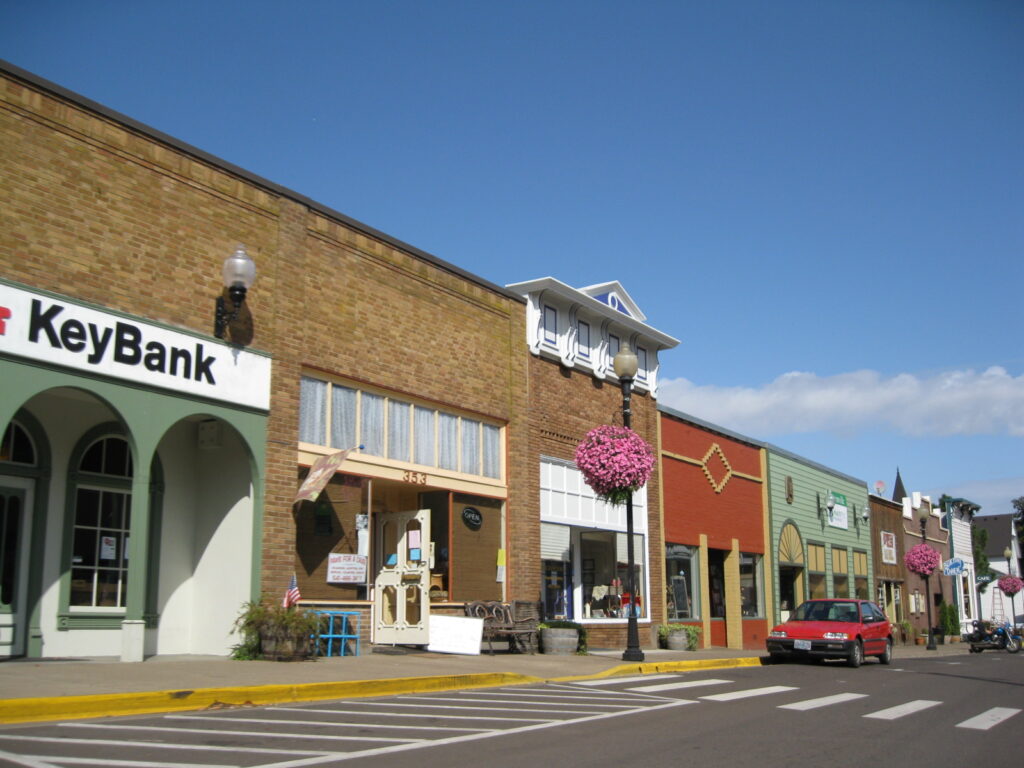
Flower baskets hang from the lampposts downtown. If the storefronts look familiar, there’s a good reason.
In June and July of 1985, Rob Reiner filmed much of Stand by Me in and around Brownsville. About 100 local people worked as extras. The town itself goes back much further. Hugh L. Brown opened its first store in the 1840s, and the town took his name.
In 2007, Brownsville held its first Stand by Me Day, and about 2,000 visitors came. It has been held every summer since, except 2020, with walking tours of the film sites and a pie-eating contest. About 1,700 people live there.
The boys in the movie were looking for something. The fans keep finding the town.
4. Aurora, Oregon: A colony founder carried his son west in a coffin of whiskey
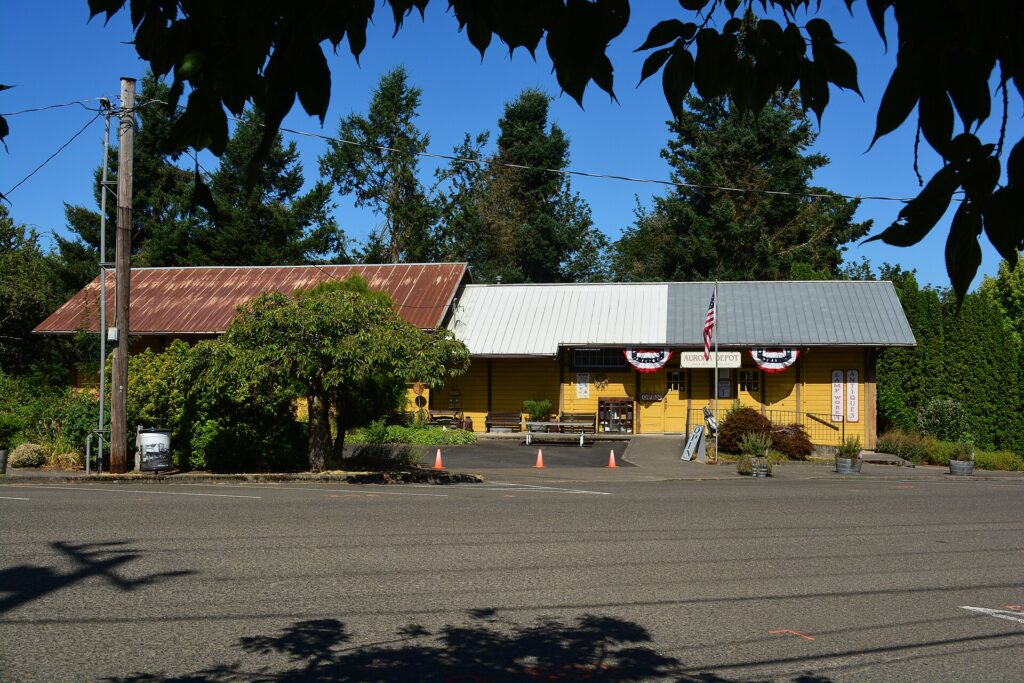
The old depot is yellow, with a tin roof and bunting on the porch. These days it sells antiques, like several other shops in town.
Aurora began as a religious commune. In 1855, William Keil led a wagon train west from Missouri. His son Willy died days before they left, and Keil brought him along in a lead-lined coffin filled with whiskey. In 1856 he bought land and a mill south of Oregon City and named the colony after his daughter, Aurora. By 1868 it had about 600 people. After the railroad arrived in 1870, trains stopped four times a day so passengers could eat at the colony’s hotel.
The colony dissolved in 1883. In 1974, a historic district of its old buildings went on the National Register.
The colony didn’t last. The town it built did.
5. Shaniko, Oregon: The old wool capital is down to about 30 people, and the hotel is open again
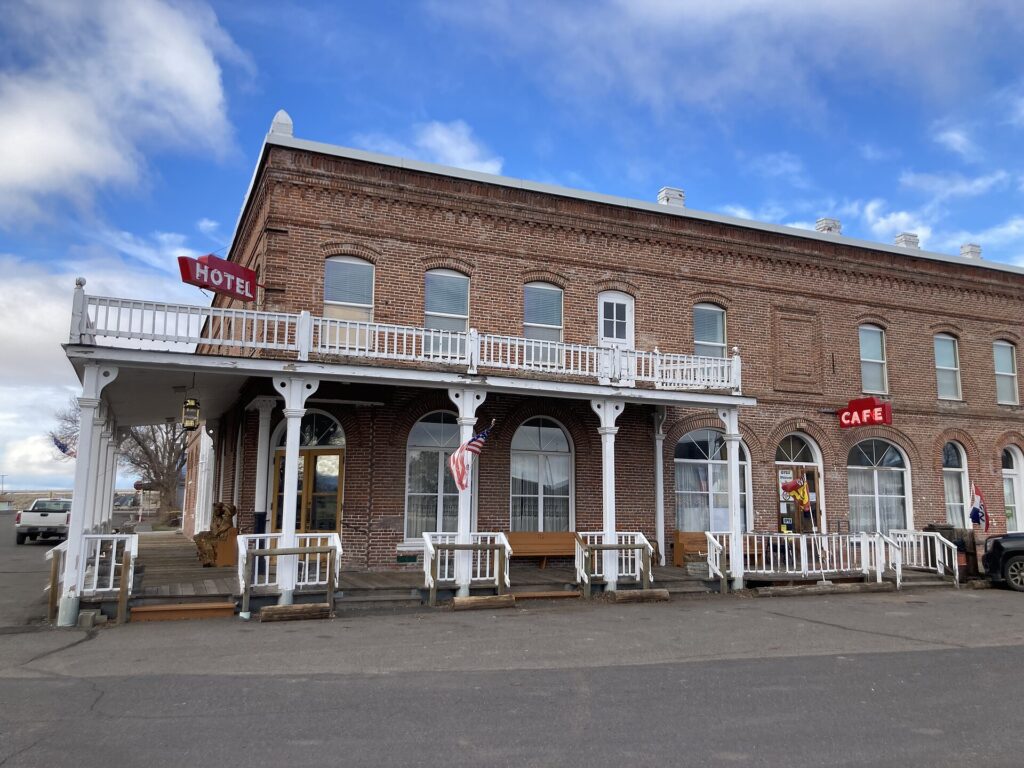
A brick hotel with a white porch stands on the high desert, still the biggest building in a very small town. It was built for a town that expected to keep growing.
The railroad reached Shaniko in 1900, and the town became the shipping point for wool, wheat and cattle across a huge stretch of central Oregon. In 1903 it shipped 2,229 tons of wool and earned the nickname Wool Capital of the World. The hotel served as saloon, bank, stagecoach stop and dance hall. Then a new rail line opened in 1911, the traffic went elsewhere, and the town emptied out.
The 2020 census counted 30 people. In 2024, the hotel’s manager told Oregon Business about a resurgence in Shaniko, with the hotel and gas station reopened.
Shaniko lost the boom. It kept the hotel.
More from American Charm
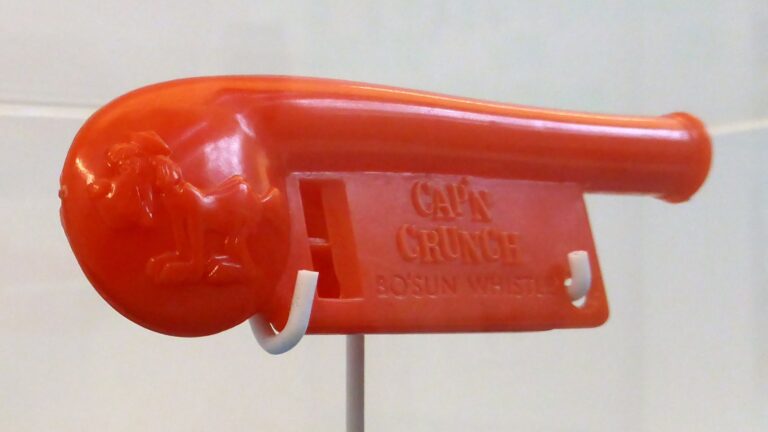 People who dug to the bottom of the cereal box for the prize usually remember these 8, and a few are worth real money now
 People who grew up on these 8 foods usually have no idea they originated in America, each in one hometown
 15 New Laws Taking Effect January 1, 2027 That Could Change Your Paycheck, Prescriptions and Shopping
6. John Day, Oregon: An herbal doctor’s shop sat closed for years after he died
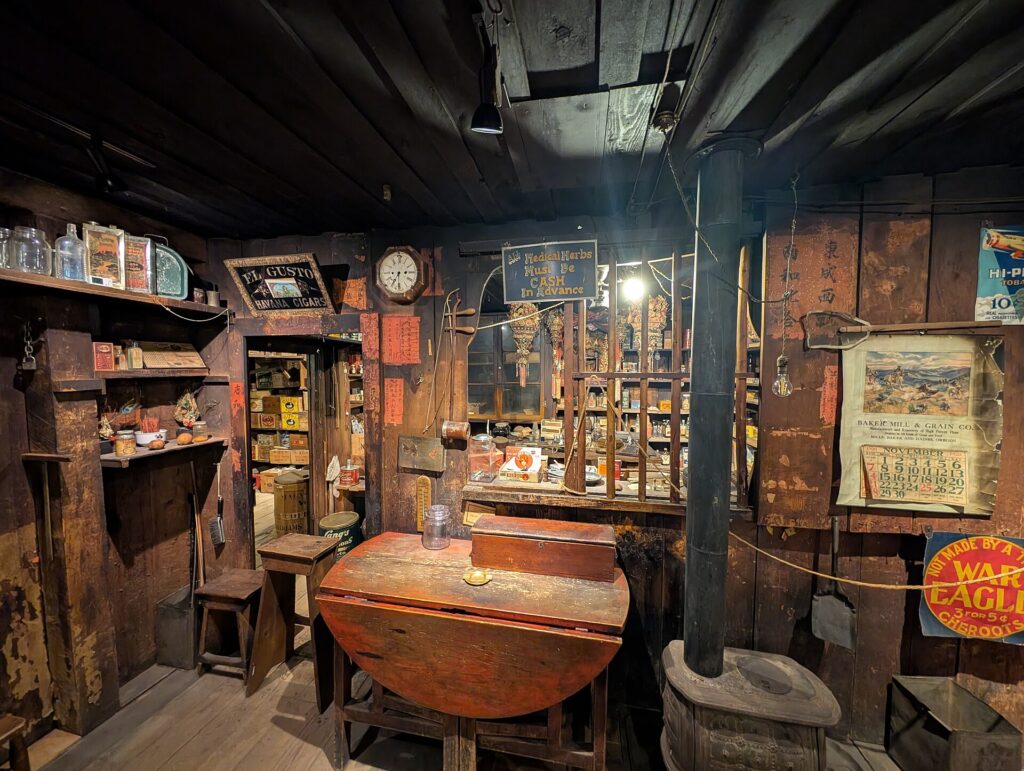
Inside, the shelves still hold old tins and bottles. A clock hangs on the wall over a scarred wooden table. It looks like somebody just stepped out.
The building started as a trading post on a wagon road in the 1860s. In 1887 two Chinese immigrants, Ing “Doc” Hay and Lung On, bought it and made it a clinic, general store and gathering place. By then nearly 1,000 Chinese immigrants lived in John Day. Doc Hay died in 1952 and left the building to the city. The gift was forgotten until 1967, and the city restored it to how it looked in the 1940s.
It’s a National Historic Landmark now. In 2025, the state ran free 45-minute tours from May, eight people at a time.
The town nearly lost the story. The building held on to it.
7. Baker City, Oregon: The grand hotel closed in 1968 and came back 25 years later
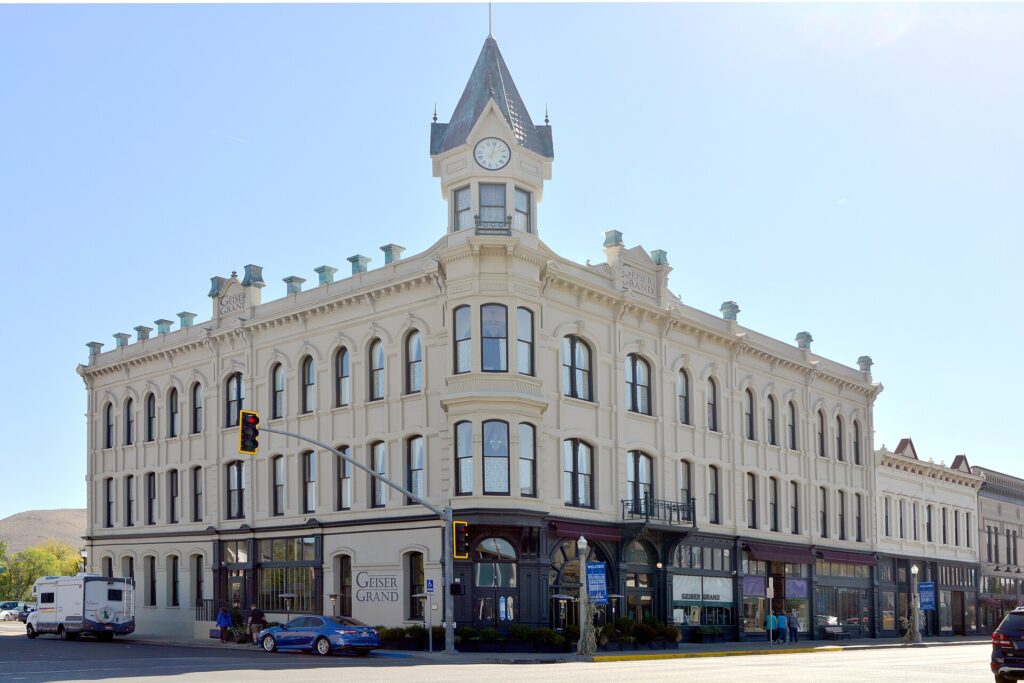
A clock tower rises from the corner of the hotel, above three floors of tall windows. Inside, there’s a stained glass ceiling.
The Geiser Grand opened in 1889, when gold money was pouring into eastern Oregon. It was said to have the third elevator built west of the Mississippi. By 1900, Baker City was the largest city between Salt Lake City and Portland. The town got smaller after that, and in 1968 the hotel closed. It sat empty for years.
After a restoration, it reopened in 1993 with its mahogany columns and chandeliers back in place. It’s part of the Baker Historic District. About 10,000 people live in Baker City today.
The gold rush ended long ago. The hotel stayed open anyway.
8. Joseph, Oregon: When the timber jobs left, the town started pouring bronze
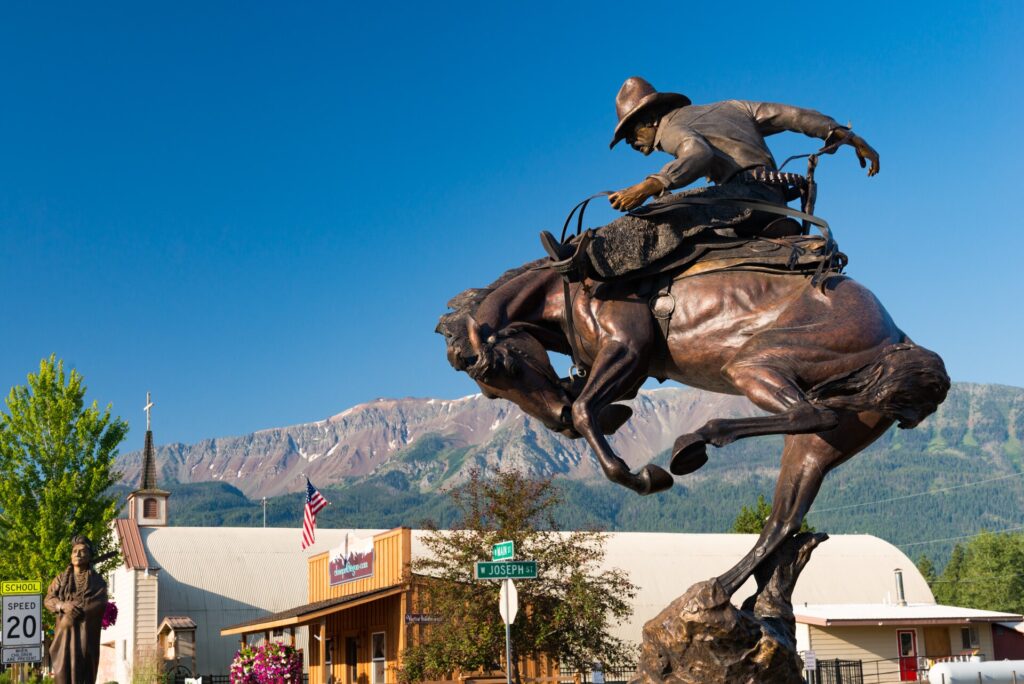
A bronze cowboy rides a bucking horse downtown, with the Wallowa Mountains behind him. More bronzes stand along Main Street.
Joseph, named in 1880 for the Nez Perce leader Chief Joseph, ran on cattle, grain and lumber. In 1896 robbers hit the town bank. One was shot and killed, one was caught and the third got away with the money. When timber collapsed in the 1980s, unemployment came close to 17 percent. Then in 1982 bronze foundries started opening, and artists from across the country began sending their work here to be cast.
Valley Bronze has been casting in Joseph since 1982, and the foundry still gives tours most weekday mornings. About 1,150 people live in town.
The mill closed. The town found something else to make.
More from American Charm
 People who saved their nickels for the candy counter usually remember these 9 discontinued American candies, and a few made it back
 People who grew up near Amish country usually know these 9 things about Amish home life that most visitors never learn
 People who sing along to country radio usually love these 9 country singers who “couldn’t sing,” and know why it worked