
1. Youngstown, Ohio
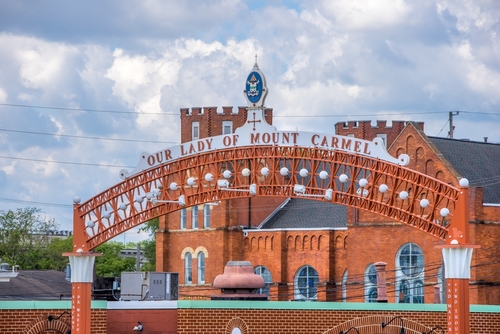
Youngstown was once a steel powerhouse where mills ran around the clock and entire neighborhoods depended on that steady work. When the industry collapsed in the late 1970s, thousands of jobs disappeared almost overnight. Population loss followed, leaving behind vacant homes and underused infrastructure. The city became one of the most cited examples of industrial decline in the Midwest.
What’s replacing that old identity is slower and more piecemeal. Healthcare, education, and small-scale manufacturing have taken on bigger roles in the local economy. Youngstown State University has helped anchor redevelopment efforts. It’s not the same scale as before, but it reflects a shift toward a different kind of stability.
2. Flint, Michigan
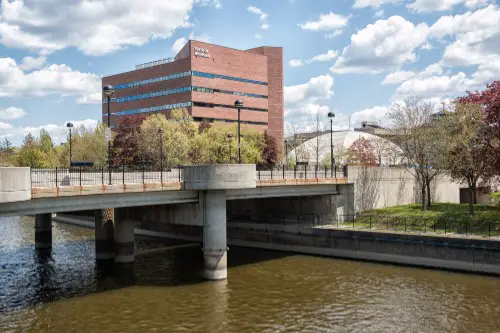
Flint grew rapidly as a hub for General Motors and auto manufacturing. Generations of families relied on factory jobs that felt dependable and long-term. When production declined and plants closed, the population dropped sharply. The water crisis beginning in 2014 further accelerated outmigration and damaged public trust.
In place of its industrial past, Flint is trying to rebuild through education and community investment. Institutions like the University of Michigan–Flint play a larger role in the city’s future. There’s also a growing focus on public health infrastructure and local entrepreneurship. The transition is ongoing, but it’s clearly moving away from heavy industry.
3. Gary, Indiana
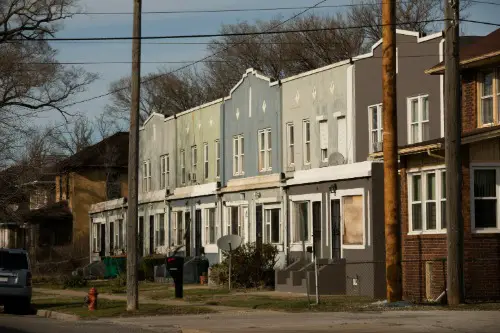
Gary was built by U.S. Steel as a model industrial city with a clear economic purpose. Steel production once supported a large population and active neighborhoods. As global competition increased, mills reduced operations and jobs declined. Residents left in large numbers, shrinking the city dramatically.
What’s replacing that industrial footprint is a mix of logistics and redevelopment planning. Its location near Chicago keeps it relevant for transportation and warehousing. There are also ongoing efforts to repurpose former industrial land. The future looks more diversified, even if the population hasn’t rebounded.
4. Detroit, Michigan
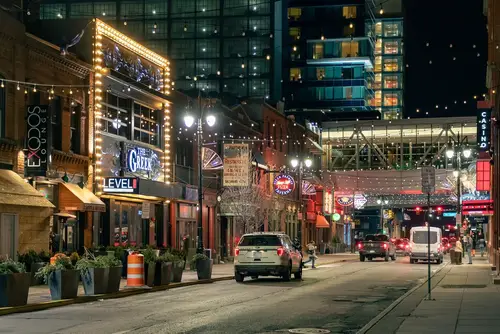
Detroit’s identity was tied closely to the auto industry and its massive workforce. As manufacturing jobs declined, the city lost hundreds of thousands of residents over decades. Entire neighborhoods emptied out or were reduced in size. The scale of the city still reflects its peak population.
What’s replacing that past is a mix of tech, design, and service industries. Downtown and Midtown have seen significant reinvestment and new businesses. Startups and creative industries are becoming more visible parts of the economy. Detroit is still changing, but it’s clearly moving beyond its factory-driven roots.
5. Centralia, Pennsylvania
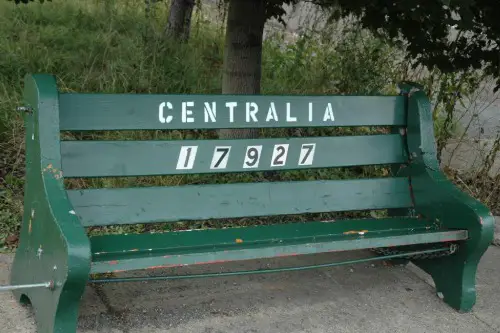
Centralia was a small but stable coal town until an underground mine fire started in 1962. The fire spread beneath the town and created hazardous conditions that made daily life unsafe. Over time, most residents relocated through government buyouts. The town was effectively abandoned except for a handful of holdouts.
What’s replacing Centralia isn’t another town, but a landscape reshaped by nature. Vegetation has reclaimed streets and former neighborhoods. The site has become a strange mix of historical curiosity and environmental cautionary tale. It’s one of the rare cases where a community disappears almost entirely.
6. Cairo, Illinois
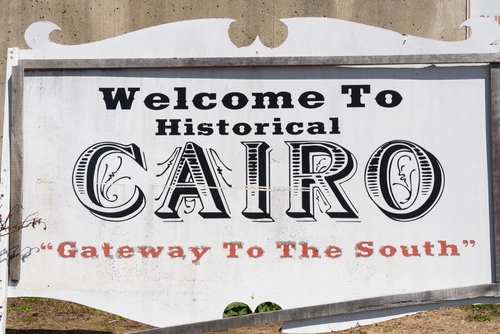
Cairo once thrived as a river port at the meeting of the Mississippi and Ohio Rivers. It had a strong transportation economy tied to steamboats and railroads. As those industries declined and racial tensions rose in the 20th century, residents began leaving. Population dropped dramatically over time.
What’s replacing that past is limited but slowly evolving. Some historic preservation efforts aim to maintain key buildings. There’s also interest in heritage tourism tied to its river history. The transition has been slow, but the city is trying to redefine itself.
7. Salton City, California
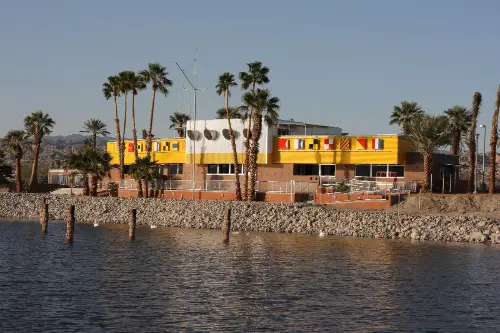
Salton City was planned as a thriving resort community along the Salton Sea. Developers expected tourism and vacation homes to drive long-term growth. Environmental decline made the area far less attractive over time. Many planned neighborhoods were never fully built.
What’s replacing that vision is more uncertain. Some areas are seeing interest in renewable energy projects, particularly geothermal development. Environmental restoration efforts also shape the region’s future. It’s a shift from tourism dreams to resource and energy use.
8. Buffalo, New York
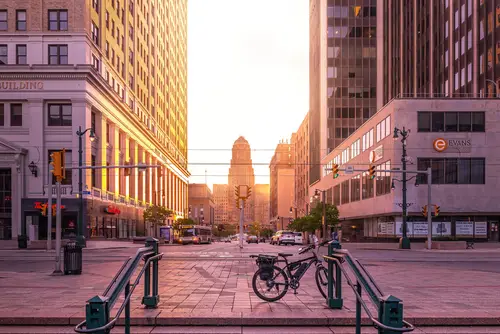
Buffalo once benefited from its role as a major shipping and industrial center. The Erie Canal and Great Lakes trade supported a large population. As those economic advantages declined, residents moved away in search of jobs. Population fell significantly from its mid-century peak.
What’s replacing that industrial base includes healthcare, education, and technology. Waterfront redevelopment has also become a major focus. The city is repositioning itself around livability and innovation. It’s a gradual shift, but one that’s gaining traction.
9. St. Louis, Missouri
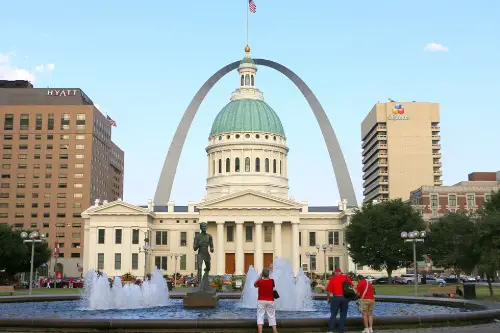
St. Louis was once one of the largest cities in the country, supported by manufacturing and river trade. Suburbanization and industrial decline reduced its population over time. Many neighborhoods saw disinvestment and vacancy. The city’s infrastructure still reflects a larger past.
What’s replacing that earlier era is a mix of biotech, education, and startups. Institutions and research centers are driving new economic activity. Revitalization projects focus on walkable neighborhoods and urban living. It’s a shift from industrial dominance to knowledge-based growth.
10. Pine Bluff, Arkansas
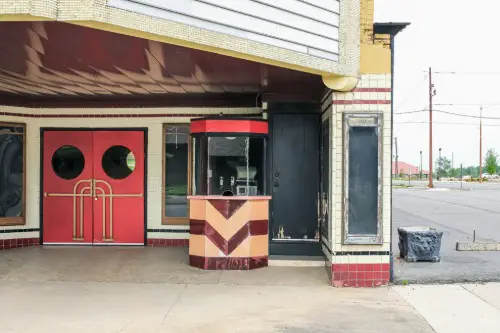
Pine Bluff grew around manufacturing, agriculture, and regional commerce. Over time, job losses and economic shifts led to steady population decline. Younger residents often left for opportunities elsewhere. The city’s population has dropped significantly since its peak.
What’s replacing that older economy is still developing. There’s increased focus on small business growth and local entrepreneurship. Some investment has gone into downtown revitalization. The transition is gradual and still uncertain.
11. Beckley, West Virginia
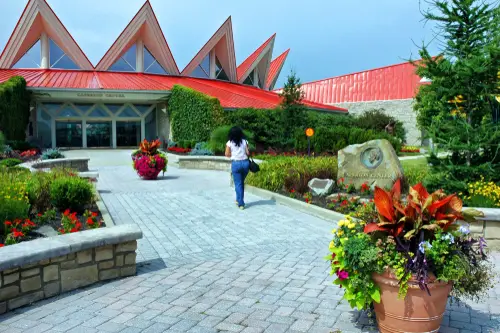
Beckley and the surrounding region depended heavily on coal mining. As demand declined and mechanization increased, fewer workers were needed. Population in the broader area began to shrink. Economic opportunities became more limited.
What’s replacing coal is a mix of tourism and service industries. The nearby New River Gorge area has drawn outdoor recreation visitors. Healthcare and education also play a growing role. It’s a shift toward a more diversified, though smaller-scale, economy.
12. Stockton, California
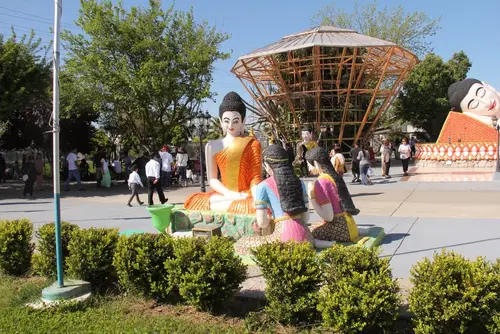
Stockton expanded rapidly during the housing boom of the early 2000s. When the 2008 financial crisis hit, foreclosures surged and residents left. The city even filed for bankruptcy in 2012. Entire neighborhoods were affected by the downturn.
What’s replacing that period is a more cautious approach to growth. Logistics, agriculture, and distribution have become key economic drivers. Its location in California’s Central Valley keeps it strategically important. The recovery has been uneven but noticeable.
13. Duluth, Minnesota
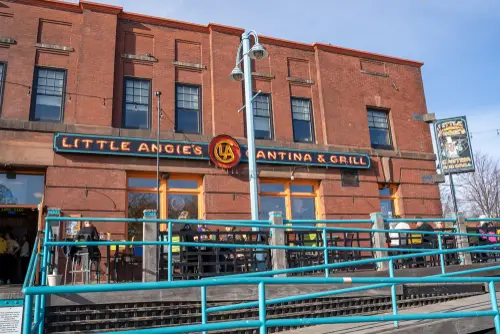
Duluth once thrived as a shipping and industrial center on Lake Superior. Changes in shipping and manufacturing reduced its economic dominance. Population declined from earlier peaks. The city had to rethink its long-term direction.
What’s replacing that past is a focus on tourism and outdoor recreation. Its waterfront and access to natural landscapes attract visitors year-round. Healthcare and education also support the local economy. Duluth’s identity has shifted toward quality of life rather than heavy industry.
This post Towns People Are Leaving Behind—and What’s Replacing Them was first published on American Charm.

