
1. Using Passwords for Everything
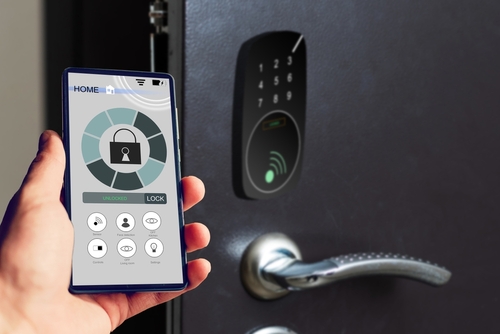
Passwords are still the default way to secure accounts online. Most people juggle dozens of them, often relying on variations or password managers. It’s normal to reset one every few weeks after forgetting it. The system works, but it’s far from seamless.
Biometric logins and passkeys are gaining traction across major platforms. Fingerprints, facial recognition, and device-based authentication reduce the need to remember anything. As adoption grows, typing complex passwords may start to feel outdated. Future users might find the whole concept unnecessarily clunky.
2. Carrying a Physical Wallet Full of Cards

Right now, most people still carry a wallet stuffed with credit cards, debit cards, IDs, and loyalty cards. It feels normal to pull one out at checkout or hand it to a server. But mobile payment systems and digital IDs are steadily reducing the need for physical cards. Some places already accept phone-only transactions with no issues.
As more states roll out digital driver’s licenses and banks push app-based payments, the bulky wallet starts to feel unnecessary. Younger consumers are already skipping it in favor of smartphones or smartwatches. Over time, carrying multiple plastic cards may seem as dated as carrying a checkbook. The shift won’t be instant, but it’s clearly underway.
3. Plugging Devices in to Charge Every Day
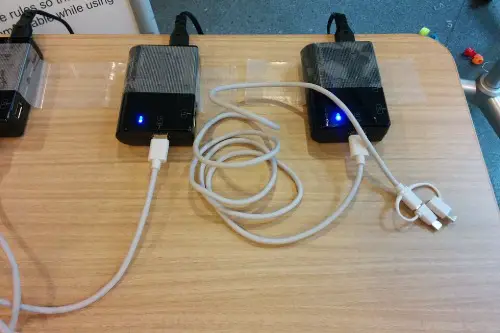
Charging your phone overnight or hunting for outlets during the day feels like part of modern life. People carry chargers, power banks, and cables everywhere they go. Battery anxiety is a shared experience, especially during travel. It’s so common that it barely registers as inconvenient anymore.
Advances in battery life and wireless charging are slowly changing expectations. Some newer devices already last multiple days on a single charge. Long-term, improvements in battery tech could make daily charging feel excessive. Eventually, needing constant access to outlets may seem oddly restrictive.
4. Waiting Days for Online Deliveries
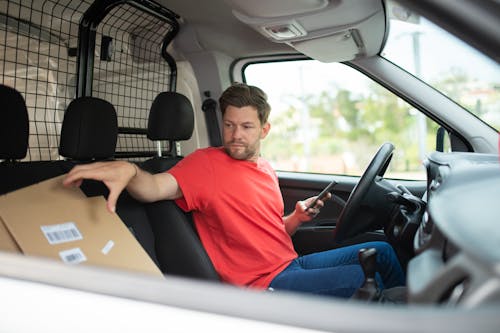
Two-day or even next-day shipping feels impressively fast by today’s standards. People plan purchases around expected delivery windows and tracking updates. It’s become routine to wait at least a little while for items to arrive. Even “fast” shipping still involves some delay.
Same-day and even same-hour delivery services are expanding in urban areas. Automation and local fulfillment centers are shrinking wait times. As expectations shift, waiting multiple days could start to feel slow. What seems convenient now may soon feel like a delay.
5. Owning Physical Keys for Home Entry

Most people still carry a set of house keys without thinking twice. Locking and unlocking doors is a simple, familiar routine. Spare keys get hidden under mats or given to neighbors. It’s a system that has worked for generations.
Smart locks and keyless entry systems are becoming more common. Phones, codes, or biometric access can replace traditional keys entirely. These systems also allow remote access and monitoring. Over time, physical keys may start to feel like an outdated inconvenience.
6. Watching Scheduled TV at Set Times

Even with streaming, live TV schedules still shape how people watch certain events. Sports, news, and reality shows often require tuning in at specific times. Viewers plan around broadcasts or record them for later. The idea of a fixed schedule still holds some influence.
On-demand streaming continues to dominate entertainment habits. Entire seasons release at once, and viewers watch at their own pace. As live viewing declines outside of major events, scheduled programming may feel limiting. Future audiences may expect everything to be instantly available.
7. Using Cash for Everyday Purchases

Cash is still widely accepted and used for small transactions. People carry bills for tips, small shops, or emergencies. It feels like a reliable backup when digital systems fail. For many, it’s part of everyday financial life.
Digital payments are steadily replacing physical currency in many places. Contactless cards, mobile wallets, and peer-to-peer apps are faster and easier to track. Some businesses already operate cash-free. Over time, using paper money may feel increasingly uncommon.
8. Driving Your Own Car Everywhere

For most people, driving is the default way to get around. Commuting, errands, and road trips all revolve around personal vehicles. The idea of being behind the wheel is deeply ingrained in daily life. It represents independence and control.
Autonomous driving technology is advancing steadily, even if adoption is gradual. Ride-sharing and future self-driving fleets could reduce the need for personal car ownership. As automation improves, manual driving may become less central. One day, it could feel more like a choice than a necessity.
9. Using Remote Controls for Everything
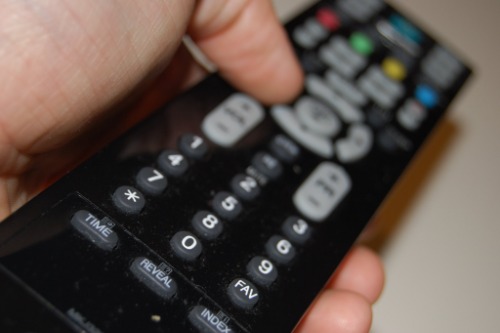
Households often have multiple remotes for TVs, streaming devices, and sound systems. It’s normal to juggle them or search for the right one. Universal remotes tried to simplify things, but didn’t fully solve the problem. The setup feels familiar, even if slightly annoying.
Voice control and app-based interfaces are becoming more common. Smart TVs and home systems can already respond to spoken commands. As interfaces become more integrated, physical remotes may fade away. Future setups could rely more on voice and automation than buttons.
10. Going to a Physical Office Five Days a Week
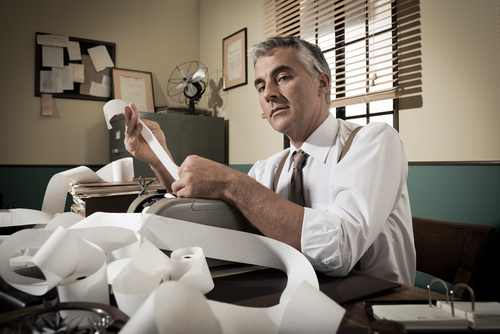
For decades, the standard workweek meant commuting to an office every weekday. Schedules, meetings, and collaboration all happened in person. This structure still feels normal in many industries. Office buildings remain central to business culture.
Remote and hybrid work models have reshaped expectations. Many employees now split time between home and office or work fully remotely. Companies are rethinking how much physical space they actually need. The five-day office routine may eventually feel like a rigid relic.
11. Taking Photos That Mostly Stay on Your Phone

People take thousands of photos each year using their smartphones. Most of them stay stored digitally, rarely revisited or printed. It feels normal to document everything without doing much with it afterward. The act of taking the photo often matters more than what happens next.
AI-powered organization and curation tools are beginning to change that. Automatic albums, highlights, and memory features make photos more interactive. Future systems may surface meaningful moments more intentionally. Letting photos sit unseen could start to feel like wasted potential.
This post Things That Seem Normal Today but Will Feel Outdated Soon was first published on American Charm.

