
1. Cash Is No Longer Assumed Everywhere
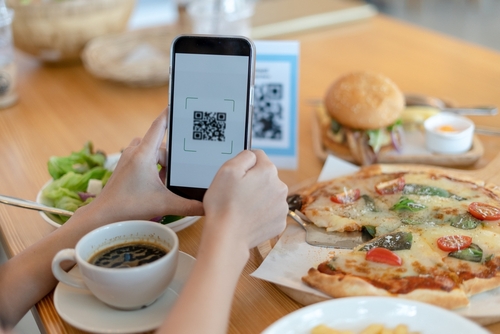
For decades, cash worked almost anywhere without a second thought. Now, many businesses operate as card-only or even app-only establishments. This shift accelerated in the 2010s and especially during the COVID-19 pandemic. It changed how people think about everyday purchases.
Some cities have pushed back by requiring businesses to accept cash, but the overall trend continues. Small transactions that once involved coins now happen digitally. This also affects people who rely more heavily on physical currency. It’s a quiet shift that changes access and convenience at the same time.
2. Waiting on Hold Is Now a Normal Part of Life

There was a time when calling a business meant a person picked up fairly quickly. As companies centralized customer service and cut staffing, hold times quietly stretched longer. Automated menus became more complex, often requiring multiple layers before reaching a human. What used to feel like a minor inconvenience is now something people plan around.
You can see this shift across industries, from airlines to healthcare providers. Even routine calls can involve long waits or callbacks instead of immediate help. It reflects broader changes in cost-cutting and efficiency models. Most people accept it now, even if it still feels frustrating.
3. Grocery Stores Got Bigger but Feel Less Personal
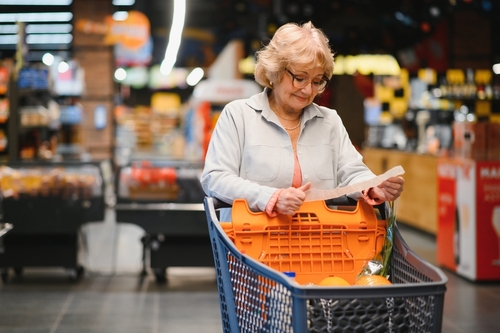
Supermarkets expanded dramatically in size over the past few decades. A single store now carries tens of thousands of items, far more than mid-20th-century markets. While variety increased, personal interaction often decreased. Fewer employees are on the floor to help shoppers directly.
Self-checkout lanes reinforce that change in experience. Customers scan and bag their own groceries instead of interacting with a cashier. The process is efficient, but it alters the social aspect of shopping. What used to feel like a neighborhood stop now feels more transactional.
4. People Move More Often and Stay Less Connected Locally

Americans used to live in the same area for longer stretches of time. Job mobility, housing costs, and lifestyle changes have increased how often people relocate. That makes it harder to build long-term neighborhood relationships. Community ties can feel more temporary than they once did.
You can see this in declining participation in local organizations. Fewer people know their neighbors well or stay involved in the same civic groups for decades. Digital communication fills some gaps but doesn’t fully replace in-person connection. It’s a subtle shift that changes how community feels day to day.
5. Childhood Independence Looks Different Now

Kids once spent more time unsupervised outdoors or traveling short distances alone. Walking to school, riding bikes across town, or playing until dark were common experiences. Today, safety concerns and structured schedules limit that kind of independence. Many activities are organized and supervised.
Parents coordinate more closely through phones and apps. This keeps children connected but reduces spontaneous exploration. The change reflects shifting attitudes about risk and responsibility. It’s noticeable when comparing generational experiences.
6. Work Bleeds More Into Personal Time
The traditional boundary between work hours and home life has softened. Email, messaging apps, and remote work tools keep people reachable outside office hours. Even when not actively working, many feel the need to stay responsive. This expectation built gradually alongside technology.
Remote and hybrid work increased flexibility but also blurred limits further. Some people work at odd hours to keep up with demands. Others find it harder to fully disconnect. The shift isn’t always obvious, but it changes daily routines significantly.
7. Malls Lost Their Central Role in Social Life
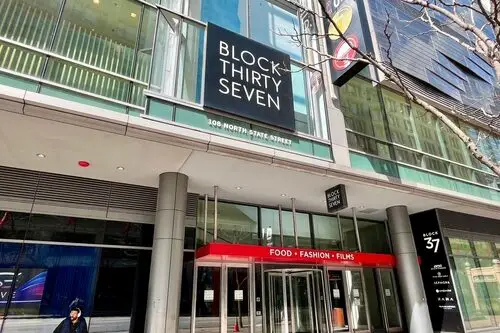
Shopping malls once served as major social hubs, especially for teenagers and families. They combined retail, dining, and entertainment in one place. Foot traffic began declining with the rise of online shopping and changing consumer habits. Anchor store closures accelerated that trend.
Many malls still operate, but with fewer visitors and more vacant storefronts. Some have been repurposed into mixed-use spaces or community centers. The casual “hangout” culture tied to malls has largely faded. It’s a shift that reshaped how people gather informally.
8. TV Watching Became Completely Individualized
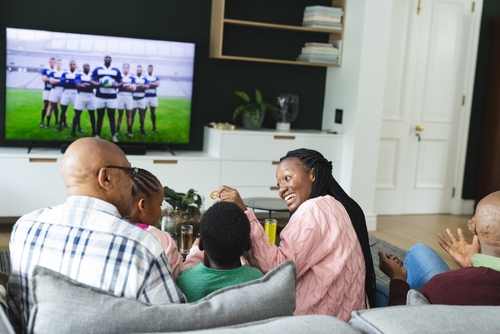
Families once gathered around a single television to watch scheduled programming. Everyone watched the same show at the same time because there was no alternative. Streaming services changed that completely. Now, viewing is on-demand and often happens on personal devices.
Shared cultural moments still exist, but they are less universal. People can watch entirely different shows in the same household. Algorithms also shape what individuals see. Entertainment became more personalized but less collective.
9. Banking Became Mostly Invisible
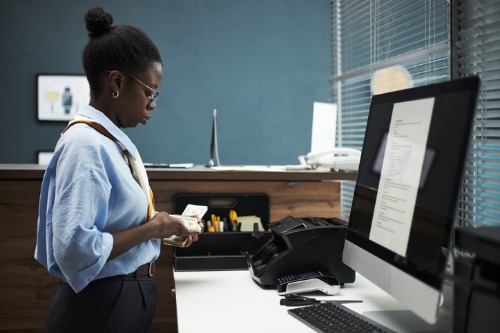
Going to a bank branch used to be a routine errand. People deposited checks, spoke with tellers, and handled transactions in person. Online banking and mobile apps shifted most of that activity to screens. Many customers rarely visit physical locations now.
ATMs and digital payments replaced everyday interactions. Banks have closed branches in some areas as usage declined. Financial management still happens, but in a less visible way. It’s a major change that often goes unnoticed.
10. Lines Between Public and Private Life Blurred
Social media introduced a new way of sharing personal moments publicly. Things that once stayed within close circles are now posted online. Photos, opinions, and daily routines are more visible than ever. This shift developed gradually with platform growth.
People navigate new expectations about privacy and self-presentation. Personal milestones and even ordinary moments can become public content. The boundary between what’s shared and what’s kept private is less clear. It’s a cultural change still evolving in real time.
11. Waiting Became Less Acceptable
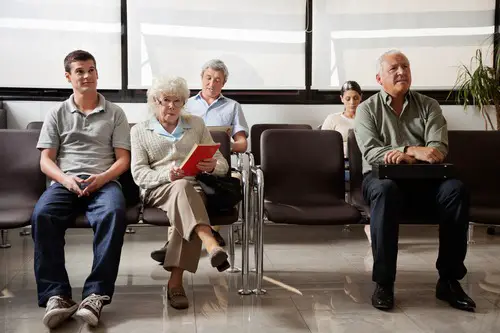
In the past, waiting was built into many everyday experiences. You waited for photos to develop, letters to arrive, or shows to air. Technology sped up nearly every process. Instant access became the default expectation.
This shift changed patience levels in subtle ways. Delays that once felt normal now feel frustrating. Businesses respond by emphasizing speed and convenience. The pace of daily life feels faster, even if the hours haven’t changed.
This post The Subtle Ways American Life Has Changed That No One Fully Talks About was first published on American Charm.

