1. Traveling Salesmen and Social Visits
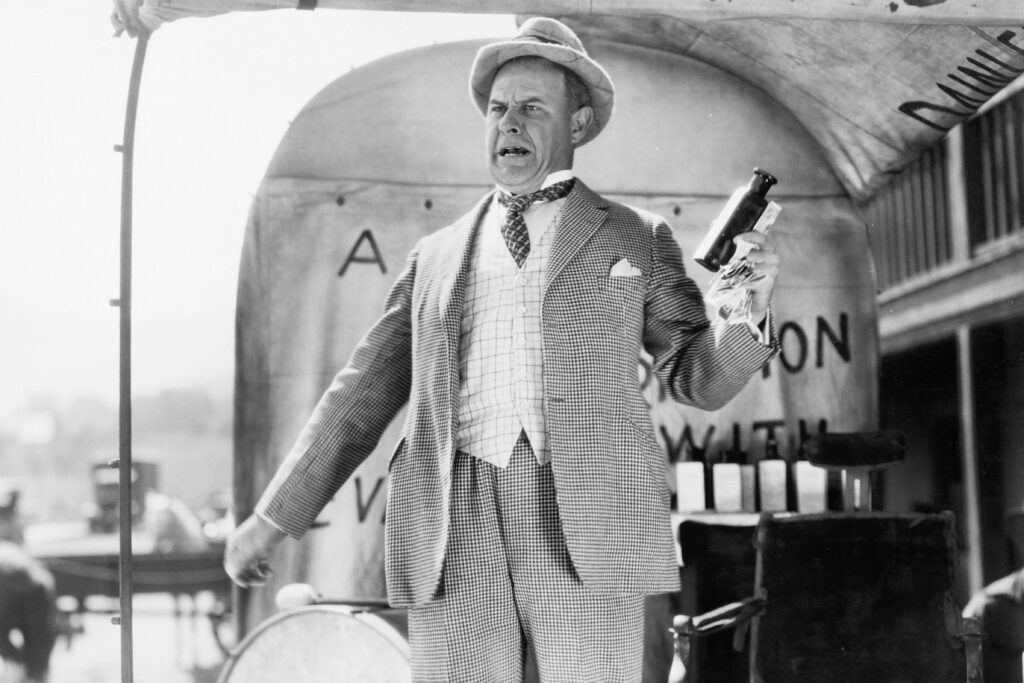
Traveling salesmen once played a surprisingly social role in communities. They visited homes and local shops, bringing goods, news, and conversation from other regions. People often welcomed them as both vendors and visitors. Their arrival broke up routine and connected towns to a wider world.
These interactions created small but meaningful moments of connection. Catalog shopping, big-box stores, and online retail replaced much of that system. The personal interaction largely disappeared along with the profession’s prominence. What remains is a reminder of how commerce once doubled as community engagement.
2. Community Quilting Bees
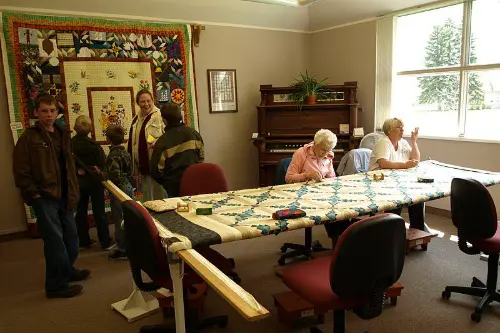
Quilting bees brought people together, particularly women, to stitch large quilts collaboratively. Each participant contributed sections, often incorporating scraps of fabric with personal or family meaning. The process could take hours or days, filled with conversation, shared advice, and local news. Quilts themselves became records of community life.
These gatherings also served as informal support networks. People shared skills, discussed hardships, and celebrated milestones while working. Mass-produced textiles and changing lifestyles reduced the need for handmade quilts. As a result, quilting shifted from a communal necessity to more of an individual hobby.
3. Town Hall Socials and Dances
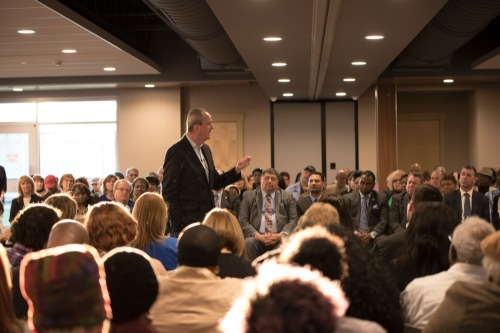
Local halls once hosted regular dances, potlucks, and seasonal celebrations. Residents of all ages gathered to socialize, meet partners, and strengthen community ties. Live bands or simple record players provided music for evenings that could stretch late into the night. These events were often the main form of entertainment in smaller towns.
They also played a role in maintaining a shared local identity. Attendance was high because there were fewer competing activities. Television, the internet, and more individualized entertainment gradually pulled people away. Many halls still exist, but events are less frequent and often less central to daily life.
4. Sunday Blue Laws and Shared Downtime
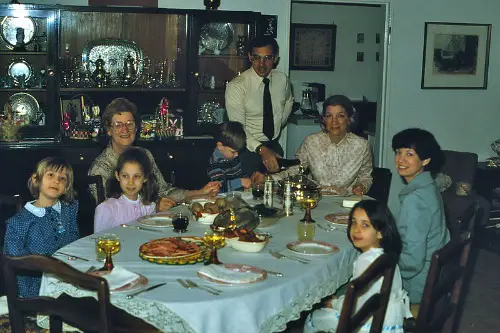
For much of U.S. history, many states enforced “blue laws” that limited business activity on Sundays. Stores closed, and work slowed down, creating a shared day of rest across entire communities. Families attended church, visited neighbors, or spent time together at home. The rhythm of the week included a built-in pause.
This synchronized downtime meant people were more likely to run into each other socially. Over time, economic pressures and changing cultural attitudes led to the repeal or loosening of these laws. Today, Sunday often looks like any other day in terms of commerce. That shared pause has largely disappeared.
5. Front Porch Evenings
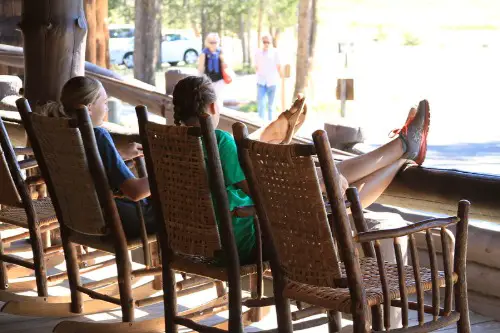
Before air conditioning and television became widespread, front porches were social hubs. People sat outside in the evenings to cool off, talk with neighbors, and watch the street. Conversations flowed naturally as others passed by or joined in. It was an everyday form of connection that required no planning.
Porch culture made neighborhoods feel more open and interactive. You got to know people simply by being present outside. As indoor entertainment and climate control improved, people retreated indoors. Many porches remain, but they’re used far less as gathering spaces.
6. Local Parades for Small Occasions
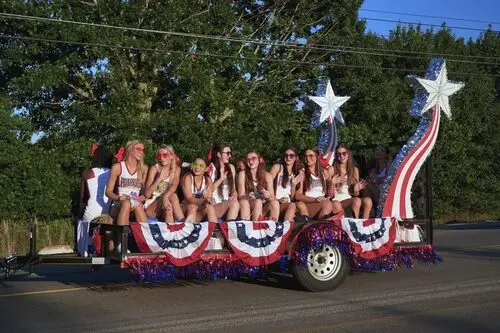
Parades weren’t just for major holidays, they marked local milestones like harvests, school events, or civic anniversaries. Entire towns would turn out to watch floats, marching bands, and community groups. Participation was broad, from local businesses to schoolchildren. It created a shared sense of pride and celebration.
Organizing these events required time, volunteers, and funding. As communities grew busier and budgets tightened, smaller parades became less common. Large, nationally recognized parades still exist, but hyper-local ones have declined. That shift reduced one of the easiest ways to bring everyone together in one place.
7. Neighborhood Block Parties
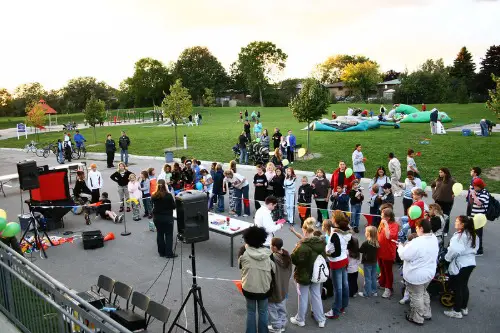
Block parties once regularly shut down streets so neighbors could gather, cook, and socialize. Kids played freely while adults shared food and stories. These events helped people learn names, build trust, and form informal support systems. They were especially common in urban and suburban neighborhoods.
Over time, permits, traffic concerns, and changing social habits made them less frequent. People also became more mobile and less tied to long-term neighborhoods. Without regular interaction, organizing large gatherings became harder. Some communities still host them, but they’re no longer routine.
8. Rotary and Civic Club Meetings
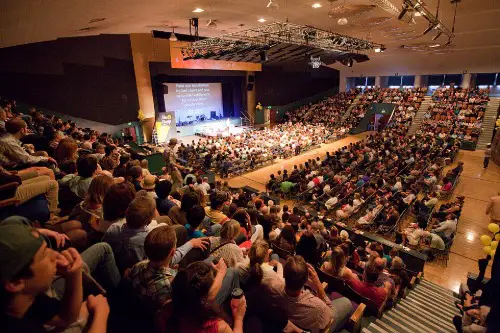
Organizations like the Rotary International once served as central hubs for local leadership and service. Weekly meetings brought together business owners, professionals, and civic leaders. Projects ranged from local improvements to charitable initiatives. Participation was both a social and civic expectation.
These groups created structured opportunities for collaboration and networking. Over time, changing work schedules and shifting social priorities reduced membership. Younger generations often seek more flexible or informal ways to engage. While these organizations still exist, their influence is less universal than it once was.
9. Church Suppers and Potlucks
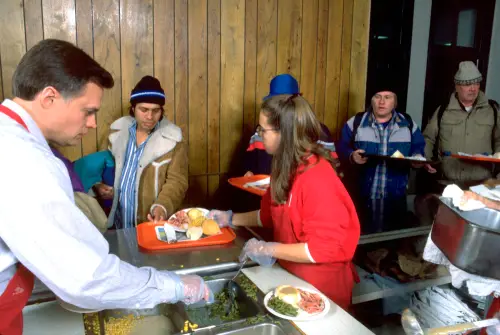
Churches historically hosted regular shared meals that drew large portions of the community. These suppers weren’t limited to members, they often welcomed anyone nearby. Food was homemade and abundant, with recipes passed down through generations. The gatherings combined nourishment with conversation and connection.
They also functioned as support systems during difficult times. Attendance was high because churches were central to social life in many areas. As religious participation declined in some regions, these events became less frequent. Many still happen, but they no longer anchor community life in the same way.
10. Schoolhouse Events Open to the Whole Town
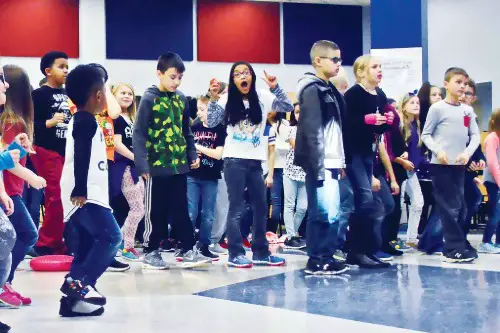
Local schools once doubled as community centers for plays, debates, and seasonal celebrations. Even people without children attended to support students and socialize. Events like holiday programs or spelling bees drew large crowds. The school building became a shared gathering place.
As districts consolidated and populations spread out, that intimacy faded. Larger schools serve wider areas, making community-wide attendance less practical. Entertainment options also expanded beyond school events. What was once a central social fixture is now more limited in reach.
11. Barn Raisings
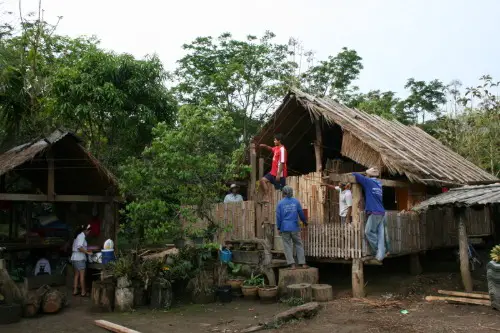
Barn raisings were once a cornerstone of rural life, especially in farming communities across the Midwest and Northeast. When a family needed a new barn, neighbors showed up in large numbers to build it in a single day. Skilled and unskilled labor worked side by side, turning construction into a shared responsibility. It wasn’t just about efficiency, it was about reinforcing trust and mutual dependence.
These gatherings often turned into social events with food, music, and storytelling afterward. Everyone knew they might need the same help someday, so participation mattered. As farming became more mechanized and professionalized, the need for community-built barns declined. Today, the tradition survives mostly in historical reenactments or within specific groups like Amish communities.
This post The Traditions That Once Brought Communities Together That Are Now Rare was first published on American Charm.