
1. Remote Work Becoming a Long-Term Norm
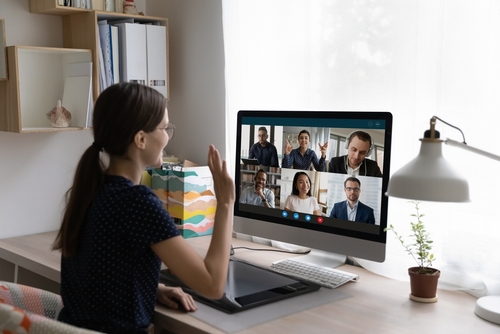
What started as a temporary shift has clearly settled into something more permanent. Many companies have formalized hybrid or fully remote policies instead of returning to pre-2020 office expectations. Major employers across tech, finance, and media have reduced office footprints or redesigned them for occasional use. That signals a structural change in how work fits into daily life.
People are moving farther from city centers because commuting daily is no longer required. Home offices, coworking spaces, and flexible schedules are becoming standard. This isn’t just convenience, it’s reshaping housing, transportation, and even social routines. Work is no longer the fixed anchor it once was.
2. Declining Daily Commuting Patterns
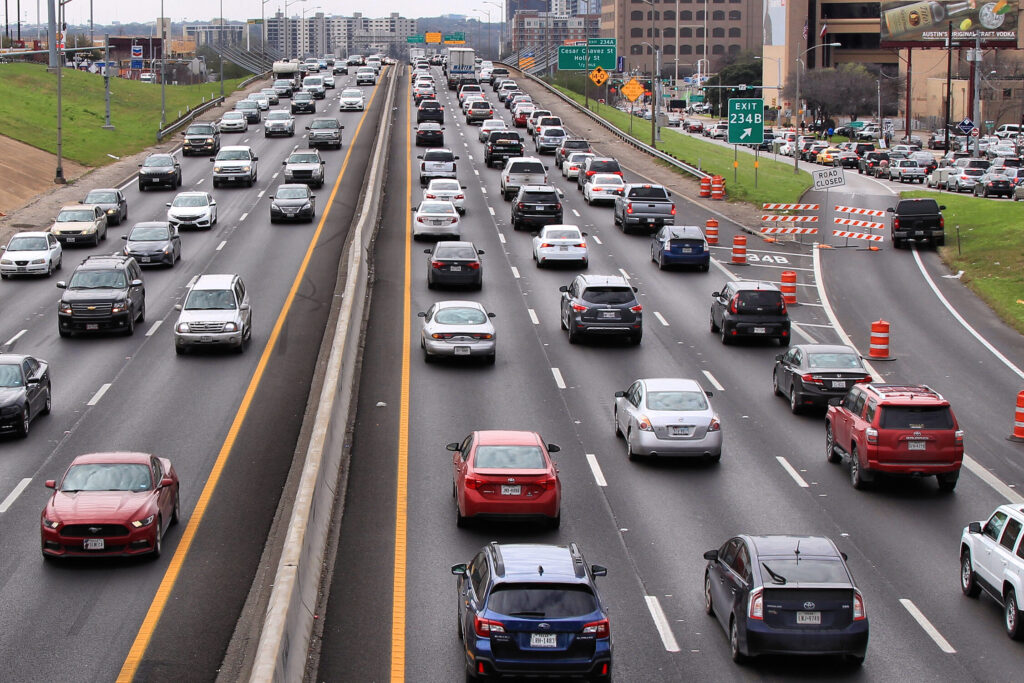
Traffic patterns in many metropolitan areas have not returned to previous peaks. Public transit systems in cities like New York and San Francisco have reported lower ridership compared to pre-2020 levels. Rush hour is less predictable, and weekday travel looks different than it used to. That suggests a lasting shift in how people structure their days.
Fewer daily commutes mean more time spent closer to home. Local neighborhoods are seeing more daytime activity instead of just mornings and evenings. Businesses that depended on commuter traffic are adapting or closing. The rhythm of the typical weekday is being rewritten.
3. Smaller Living Spaces Feeling More Intentional

There’s a noticeable shift toward making smaller spaces work better rather than simply upgrading to larger homes. People are investing in multifunctional furniture and more efficient layouts. The focus is on usability and comfort rather than square footage alone. That reflects a different mindset about what “enough” looks like.
This trend shows up in urban apartments and even suburban downsizing. Storage solutions, decluttering, and minimalist design are getting more attention. It’s not just about aesthetics, it’s about reducing friction in everyday life. Living spaces are being rethought as flexible environments.
4. Reduced Emphasis on Formal Dress Codes

Workplaces have relaxed dress expectations in a visible way. Even traditionally formal industries have adopted business casual or more flexible standards. Video calls shifted attention to comfort and practicality over strict presentation. That change has persisted even as in-person work resumes.
Clothing brands have responded with more casual, versatile lines. People are buying fewer formal outfits and more everyday essentials. The idea of dressing “for the office” has softened significantly. It’s a subtle but clear sign of changing priorities.
5. Rising Interest in Mental Health and Burnout Prevention

Conversations around mental health are far more common and open than they were a decade ago. Employers are offering wellness programs, therapy benefits, and mental health days. Burnout is now widely recognized as a real workplace issue rather than a personal weakness. That shift reflects a broader reevaluation of work-life balance.
People are setting clearer boundaries around time and availability. Taking breaks, using vacation days, and disconnecting after work are increasingly normalized. The expectation of constant productivity is being questioned. Emotional well-being is becoming part of everyday decision-making.
6. More People Cooking at Home Regularly

Home cooking has seen a sustained increase, even after restaurants fully reopened. Grocery sales and meal kit services remain elevated compared to earlier years. People are learning basic cooking skills and relying less on takeout. That reflects both economic awareness and lifestyle adjustment.
Cooking at home changes how evenings are structured. It encourages planning, routine, and shared meals. Kitchens are becoming more central to daily life again. It’s a practical habit that signals a broader reset in priorities.
7. Subscription Fatigue and Spending Awareness
Many people are reassessing recurring expenses like streaming services, apps, and memberships. Subscription cancellations and bundling strategies have become more common. The convenience economy is being questioned in terms of value. That indicates a shift toward more intentional spending.
Budgeting tools and financial tracking apps are gaining popularity. People are more aware of where their money goes each month. Small recurring costs are no longer overlooked. Financial habits are becoming more deliberate and visible.
8. Flexible Education and Skill Building

Online learning platforms and alternative education paths are becoming mainstream. People are taking courses outside traditional degree programs to gain specific skills. Career changes are more common, and lifelong learning is expected. That reflects a shift away from one fixed professional path.
Employers are increasingly valuing skills over formal credentials in some fields. Certifications, bootcamps, and self-paced learning are widely accepted. Education is no longer confined to early adulthood. It’s becoming an ongoing part of life.
9. Less Reliance on Traditional Retail Shopping

Brick-and-mortar retail has changed significantly, with fewer routine shopping trips. Online ordering, curbside pickup, and direct-to-consumer brands have taken a larger share. Malls and large retail centers are adapting or declining. That shift reflects changing consumer habits.
Shopping is becoming more intentional and less frequent. People research purchases more carefully before buying. Impulse buying in physical stores is less common. The experience of shopping itself is being redefined.
10. Shifting Social Habits Toward Smaller Gatherings

Large social events are no longer the default for many people. Smaller, more intentional gatherings have become more appealing. Hosting at home or meeting in quieter settings is more common. That reflects a change in how people value social time.
Relationships are being prioritized over sheer number of interactions. People are more selective about how they spend their time. Social energy is managed more carefully. It’s a quieter but meaningful lifestyle adjustment.
11. Increased Focus on Local and Community Life

There’s growing interest in supporting local businesses and staying connected to nearby communities. Farmers markets, neighborhood events, and local services are getting more attention. People are spending more time within their immediate surroundings. That suggests a shift away from constant mobility.
Community ties are becoming more important in daily life. Familiar places and routines offer stability in a changing world. People are investing in where they live, not just where they work. It’s a grounded signal that a broader lifestyle reset is already happening.
This post Signals That Suggest a Major Lifestyle Reset Is Already Underway was first published on American Charm.

