
1. Victory Gardens Reimagined as Backyard and Urban Gardening
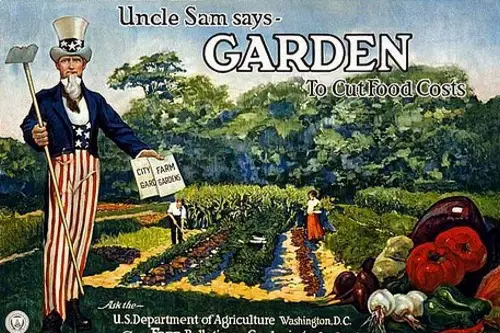
During World War I and World War II, Americans planted “victory gardens” to supplement food supplies. Families grew vegetables in backyards, schoolyards, and community plots. It wasn’t just practical, it was framed as a civic contribution. Gardening skills were widely shared and passed down.
Today, home gardening has surged again, especially during and after the COVID-19 pandemic. People are growing herbs, vegetables, and even raising chickens in some areas. Concerns about food security, cost, and sustainability are driving interest. The motivation is modern, but the behavior closely mirrors earlier generations.
2. Front Porches as Social Spaces Again
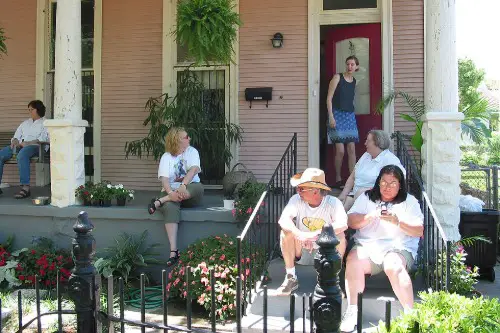
Front porches were once central to American neighborhood life, especially in the late 19th and early 20th centuries. People sat outside in the evenings, talked to neighbors, and kept an informal eye on the street. Over time, air conditioning and backyard patios pulled activity away from the front of the house. The porch became more decorative than functional in many suburban builds.
In recent years, new housing developments have started bringing porches back with intention. Designers are prioritizing walkable neighborhoods where casual interaction happens naturally. You’ll see people working on laptops, chatting, or just unwinding out front again. It’s a quiet return to the idea that community starts right at your doorstep.
3. Cash Envelopes and Budgeting by Hand

Before digital banking, many households used physical cash to manage spending. The “envelope system” meant dividing money into categories like groceries, rent, and entertainment. Once an envelope was empty, spending in that category stopped. It was simple, visual, and hard to ignore.
Now, that same method is seeing a revival, both physically and through apps modeled after it. People are turning to it as a way to control overspending in a digital economy. Financial influencers often recommend it for building discipline. The tools may be updated, but the core idea is the same.
4. Repairing Instead of Replacing
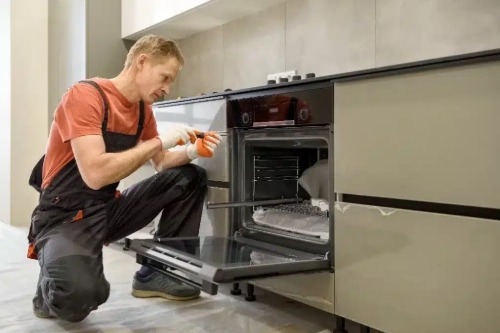
For much of the 20th century, repairing household items was the norm. People fixed appliances, patched clothing, and maintained tools rather than discarding them. Repair skills were practical knowledge, often learned informally at home. Waste was less built into everyday consumption.
Modern consumer culture shifted toward convenience and replacement. Recently, though, interest in repair has grown again through “right to repair” movements and rising costs. People are learning to sew, fix electronics, and restore furniture. It’s a return to valuing longevity over disposability.
5. Walking to Daily Needs
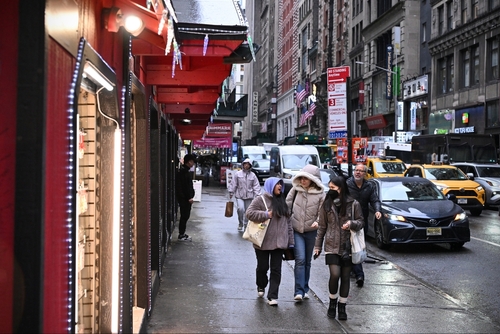
Early American towns were designed for walking, with shops, schools, and services close together. Daily errands didn’t require a car, and streets were built at a human scale. Over time, suburban expansion made driving the default for most activities. Zoning laws often separated residential and commercial areas.
Now, urban planners and developers are reintroducing walkable neighborhoods. Mixed-use developments place housing near stores, cafes, and offices. People are rediscovering the convenience and social benefits of shorter distances. It reflects an older pattern adapted to modern preferences.
6. Home Cooking as a Daily Habit

Cooking at home used to be a daily necessity for most families. Recipes were often memorized or passed down rather than followed step by step. Meals reflected what was available locally and seasonally. Eating out was more occasional than routine.
Takeout and processed foods changed those habits over time. Recently, more people are returning to regular home cooking for health and cost reasons. Social media has made sharing recipes and techniques easier than ever. The tools are modern, but the rhythm feels familiar.
7. Secondhand Shopping and Thrifting

Buying used goods was once a practical choice driven by necessity. Hand-me-downs, thrift shops, and local resale were common ways to stretch a budget. There was less stigma attached because it was simply how many people lived. Clothing and furniture often had multiple owners.
Today, thrifting has become both economical and fashionable. Online resale platforms and curated vintage shops have expanded the idea. Environmental concerns also play a role in reducing waste. What was once routine necessity has returned as a conscious choice.
8. Letter Writing and Physical Mail

Writing letters used to be a primary way to stay in touch across distance. People invested time in composing thoughts and sending them through the mail. The physical nature of letters made communication feel tangible and lasting. It was slower, but often more deliberate.
Digital messaging largely replaced that habit. Still, there’s a renewed appreciation for handwritten notes and cards. People send them for special occasions or simply to stand out. The act carries more meaning now precisely because it’s less common.
9. Apprenticeships and Skilled Trades
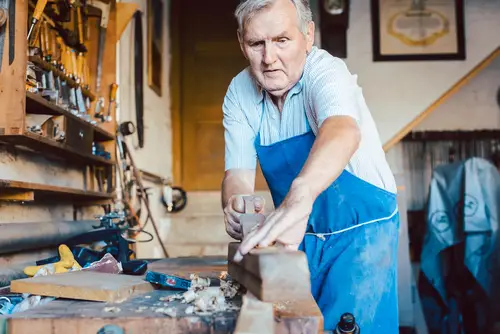
Learning a trade through apprenticeship was a standard path into the workforce for generations. Skills like carpentry, plumbing, and metalwork were passed directly from experienced workers to beginners. It offered a clear alternative to academic education. Many communities depended on this system.
In recent years, interest in skilled trades has grown again. Rising college costs and labor shortages have shifted attention back to hands-on careers. Apprenticeship programs are expanding in both traditional and new industries. It’s a revival of a practical, time-tested model.
10. Community Bulletin Boards and Local Sharing
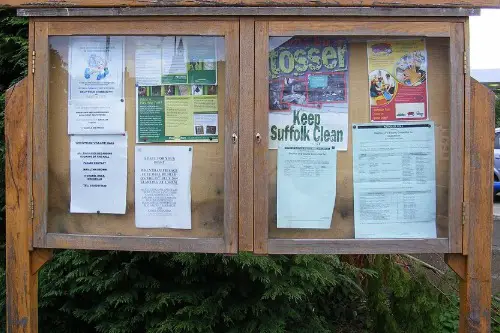
Before the internet, community bulletin boards were a key way to share information. You’d find flyers for events, job postings, and local services pinned up in stores or libraries. They created a hyper-local information network. People relied on them to stay connected.
Digital platforms replaced much of that function. Still, physical boards are quietly returning in cafes, co-ops, and shared spaces. They offer a more personal, place-based way to communicate. The format may seem simple, but the idea remains effective.
11. Early-to-Bed, Early-to-Rise Routines

Historically, daily schedules followed natural light more closely. People tended to wake earlier and wind down after sunset, especially before widespread electric lighting. Work and school routines reinforced that pattern. It was considered both practical and healthy.
Modern life pushed schedules later with screens and 24-hour access to entertainment. Now, there’s growing interest in sleep hygiene and circadian rhythms. Many people are intentionally shifting back to earlier routines. The science is modern, but the habit itself is very old.
This post The Subtle Return of Old Ideas in Modern American Life was first published on American Charm.

