1. Printed Phone Books
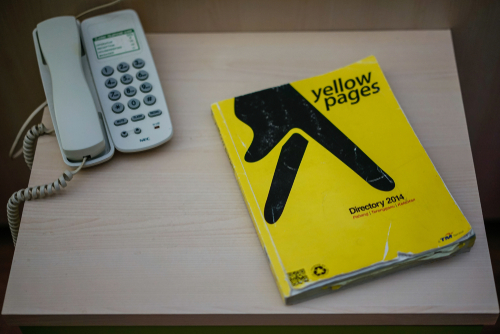
Phone books used to arrive annually and were thick enough to double as booster seats. They listed residential and business numbers, making them a go-to reference for everyday needs. Looking someone up meant flipping through thin pages or using the Yellow Pages for services. Entire local economies depended on being listed there.
Online search replaced nearly all of that functionality. Search engines and map apps made finding businesses faster and more precise. Delivery of printed directories declined sharply in the 2010s. Today, many people have never opened one.
2. Landline Phones at Home

There was a time when nearly every household had a landline, and it served as the main connection to the outside world. Families shared a single number, and you learned to answer calls politely because it could be for anyone. Long-distance rates even shaped how often people stayed in touch. The phone itself often sat in a central place, almost like a household hub.
As mobile phones became widespread in the early 2000s, landlines quickly lost their necessity. Wireless plans eliminated the need to think about per-minute costs or physical locations. Many homes quietly disconnected their lines altogether. What was once essential is now often seen as redundant.
3. Department Store Catalogs
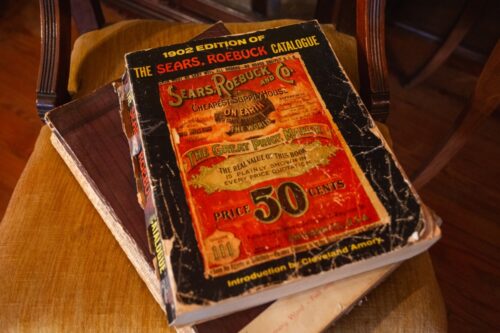
Catalogs from major retailers once brought shopping directly into people’s homes. Families would flip through pages from companies like Sears and JCPenney to browse clothing, appliances, and even entire house kits. Ordering by mail felt normal and reliable. Seasonal catalogs were events people actually looked forward to.
E-commerce gradually replaced that ritual. Websites allowed for real-time inventory, reviews, and faster delivery. Printing and mailing massive catalogs became less practical over time. The experience shifted from shared browsing to individual scrolling.
4. Cash as the Default Payment

Cash used to be the standard for everyday purchases, from groceries to gas. People carried bills and coins and learned to count change quickly. Small businesses often operated entirely on cash transactions. It shaped how people budgeted and thought about spending.
Credit cards, debit cards, and mobile payments changed those habits. Digital transactions became faster and easier to track. Many businesses now prefer or even require card payments. Cash is still used, but it no longer dominates daily life.
5. Movie Rental Stores
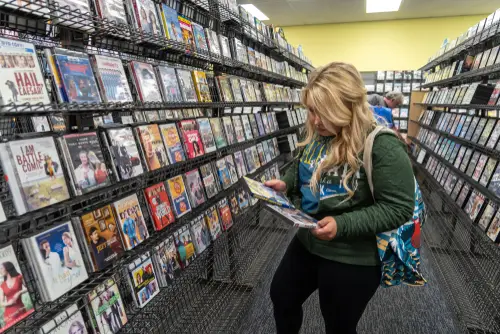
Friday nights once meant a trip to a video rental store to pick out a movie. Chains like Blockbuster became cultural landmarks with aisles of VHS tapes and later DVDs. Families debated choices in person, often settling for whatever was still in stock. Late fees were a common frustration but part of the routine.
Streaming services made that entire process unnecessary. Instant access replaced physical browsing and return deadlines. Rental stores rapidly disappeared in the 2000s and early 2010s. What used to be a weekly ritual became an on-demand convenience.
6. Classified Ads in Newspapers
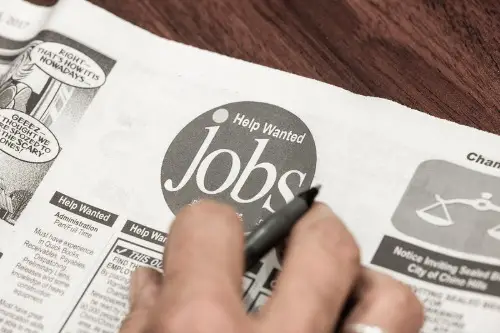
Classified sections were once a primary way to find jobs, apartments, and used goods. People scanned tiny text listings in the back pages of newspapers. Employers and landlords relied on them to reach local audiences. It was a slow but trusted system.
Online platforms made listings searchable and constantly updated. Websites allowed photos, detailed descriptions, and instant contact. Newspaper classifieds shrank dramatically as a result. The shift changed how people buy, sell, and hire.
7. Checkbooks for Everyday Spending

Writing a check used to be a normal way to pay for groceries, rent, or utilities. People balanced checkbooks to keep track of their finances. Cashiers often checked IDs and wrote down license numbers. It required a level of trust and patience in transactions.
Electronic payments gradually replaced checks in most situations. Online banking and automatic bill pay simplified the process. Many younger adults have never written a check at all. The practice now feels slow compared to digital alternatives.
8. Encyclopedias in the Living Room
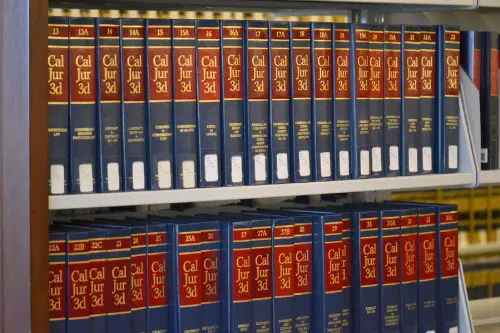
Multi-volume encyclopedia sets were once a symbol of knowledge in many homes. Families invested in them as educational tools for their children. Looking something up meant pulling a volume and flipping through carefully organized entries. They were often used for school assignments and general curiosity.
The internet made information instantly accessible and constantly updated. Static printed volumes couldn’t compete with real-time knowledge. Sales of home encyclopedia sets declined sharply by the early 2000s. What was once a staple became largely decorative or obsolete.
9. TV Guide Listings

Watching television once required checking a printed schedule. Magazines like TV Guide told viewers what was on and when. Families planned their evenings around specific broadcast times. Missing a show often meant waiting for a rerun.
Digital guides and streaming platforms changed that structure. On-screen menus and apps made schedules easy to browse instantly. On-demand viewing removed the need to plan ahead. The idea of flipping through listings now feels outdated.
10. Toll Booths with Human Operators

Highways once relied heavily on staffed toll booths to collect fees. Drivers kept coins or small bills ready for these stops. Booth operators handled transactions and provided receipts. It was a routine part of long-distance travel.
Electronic toll systems replaced many of those roles. Transponders and license plate billing allow cars to pass through without stopping. This reduced congestion and changed highway design. Human-operated booths have become far less common.
11. Film Cameras for Everyday Photos

Taking photos once required film, which limited how many pictures you could take. People thought carefully before pressing the shutter. Developing photos took time, and results were often a surprise. Physical albums became the main way to store memories.
Digital cameras and smartphones transformed photography into a constant activity. Images can be taken, reviewed, and shared instantly. The cost per photo effectively disappeared. Film still exists, but it’s no longer the default for everyday life.
This post The Familiar Parts of American Life That Quietly Lost Their Importance was first published on American Charm.