
1. The Resistance of a Manual Window Crank
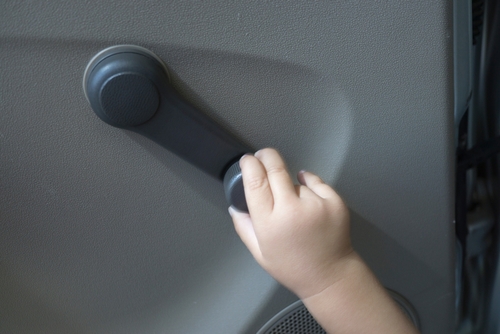
Car windows once opened and closed using a hand crank. Turning it required steady pressure and produced a consistent mechanical resistance. Every car had a slightly different feel. It was a simple but constant interaction.
Drivers and passengers used it without thinking. Power windows gradually replaced the mechanism in most vehicles. The physical effort disappeared along with the motion. Now, the experience stands out as distinctly old-school.
2. The Weight and Click of a VHS Tape
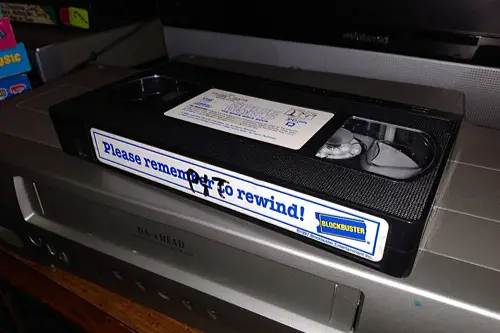
Sliding a VHS cassette into a VCR had a very specific feel and sound. The tape would be pulled in mechanically, followed by a firm internal click as it locked into place. Watching movies at home meant rewinding tapes and dealing with tracking issues. These physical interactions made the format easy to recognize instantly.
Rental stores reinforced that routine with return deadlines and rewind reminders. Even the slight resistance when pushing the tape in became familiar. DVDs and streaming removed those tactile steps entirely. Now, the sensation is unfamiliar to younger users.
3. The Busy Signal on a Landline
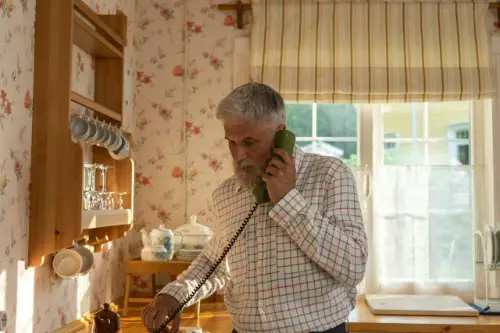
A busy signal once meant exactly one thing: the person you were calling was already on the phone. The repeating tone pattern was standardized and instantly recognizable. It often led to hanging up and trying again later. There was no call waiting in many households.
Frequent phone use made that sound part of everyday life. Kids learned it just by overhearing conversations and dialing numbers themselves. It became a small but constant part of communication. Today, many people have never encountered it directly.
4. The Texture of Carbon Paper Copies
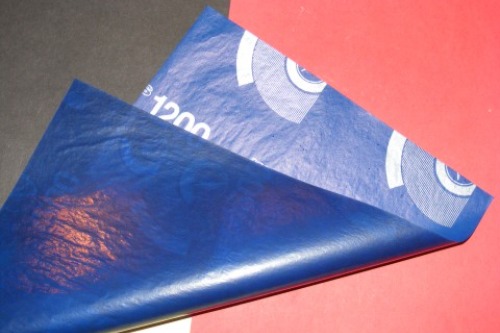
Carbon paper was used to create duplicate documents before widespread digital copying. Typing or writing on the top sheet transferred ink onto the sheet beneath. The slightly smudged look and thin paper feel were distinctive. Offices and schools used it regularly for forms and receipts.
Handling carbon copies required care to avoid smearing. You could often feel the pressure marks from writing. That tactile feedback made the process memorable. Digital duplication eliminated the need for it almost entirely.
5. The Sound of a Typewriter Return Lever
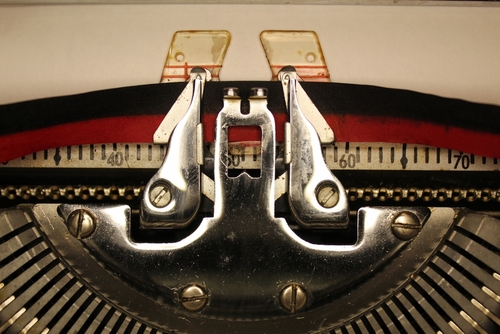
Manual typewriters required users to push a carriage return lever at the end of each line. That motion created a sharp, mechanical sound followed by the carriage sliding back. Typing involved rhythm, force, and physical coordination. Each line break was a deliberate action.
People who learned on typewriters remember that motion instinctively. Electric typewriters softened the action but kept the basic mechanism. Word processors later removed the need for manual returns. The sound and movement are now largely unfamiliar.
6. The Look of TV “Snow” and Test Patterns
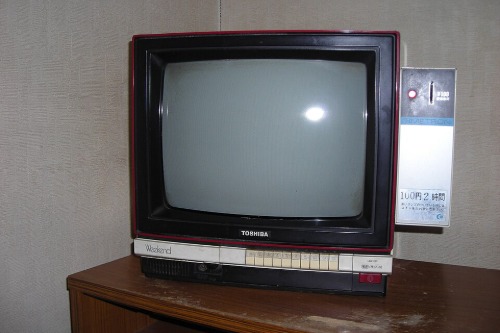
Before constant broadcasting, televisions often displayed static or “snow” when no signal was available. Stations also signed off overnight with test patterns and tone signals. These visuals and sounds were part of daily viewing habits. You didn’t always have something to watch.
The grainy static had a very specific appearance and sound. Test patterns used standardized designs for calibration. Regular viewers recognized them immediately. Modern 24-hour programming removed that experience.
7. The Smell of Photographic Film Development
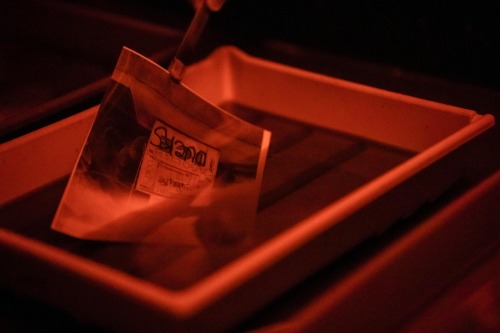
Developing film in a darkroom involved chemicals with strong, distinctive odors. Photographers became familiar with developer, stop bath, and fixer smells. The process required timing, careful handling, and physical prints. It was both technical and sensory.
People who used film regularly can identify those smells right away. The experience was tied to waiting and anticipation. Digital photography removed most of that process. Today, the sensory side of photography is largely gone.
8. The Feel of a Rolodex Turning
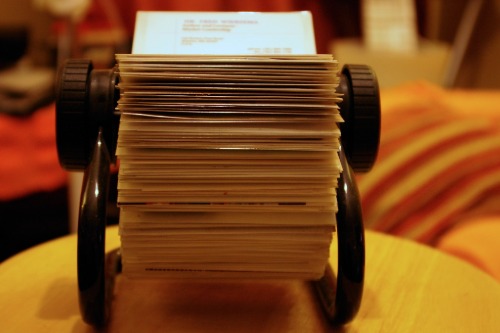
A Rolodex stored contact information on rotating cards. Flipping through it required a thumb motion that advanced the wheel. Offices depended on it for organizing phone numbers and addresses. The physical action became second nature.
Users developed muscle memory for finding names quickly. Cards could be rearranged or updated by hand. Digital contact lists replaced that system. The tactile navigation is no longer common.
9. The Clunk of a Coin-Operated Payphone
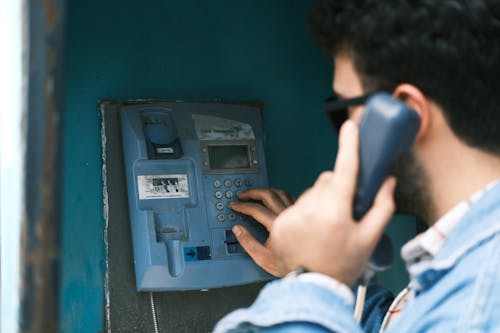
Payphones required coins and produced a solid mechanical clunk when they were inserted. The sound confirmed that the call could proceed. Long-distance calls often required more coins mid-conversation. It made phone use feel tangible and time-sensitive.
People learned to carry change specifically for phone access. The machines had consistent sounds across different locations. Mobile phones eliminated the need for them. Many younger people have never used one.
10. The Static Pop of a Vinyl Record
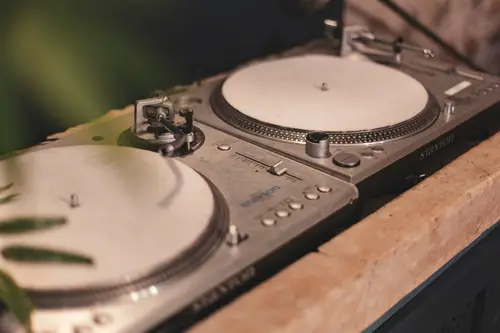
Placing a needle on a vinyl record often produced a soft crackle or pop. Dust and grooves contributed to that characteristic sound. Music playback involved careful handling and setup. The audio imperfections became part of the listening experience.
Frequent listeners could distinguish normal surface noise from damage. Cleaning records and adjusting needles were routine tasks. Digital audio removed those quirks. The sound is now nostalgic rather than everyday.
11. The Sound of a Dial-Up Internet Connection
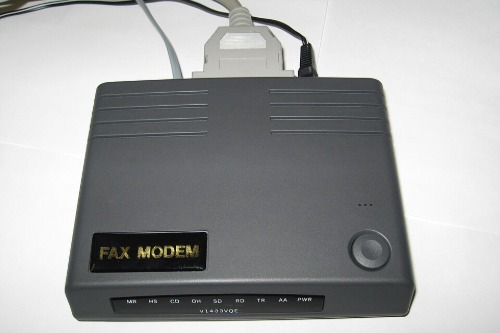
Older generations can recognize the screeching handshake of dial-up internet instantly. That sequence of tones came from modems negotiating a connection over telephone lines. Before broadband, this was how households got online in the 1990s and early 2000s. You also couldn’t use the phone at the same time, which made the sound even more memorable.
The noise itself had a predictable pattern that regular users learned by ear. If it cut off early, you knew the connection failed before seeing an error message. That familiarity came from repeated daily use. Today, many people have never heard it outside of a video clip.
This post The Details Older Generations Recognize Instantly That Others Miss was first published on American Charm.

