
1. Drinking from the Garden Hose
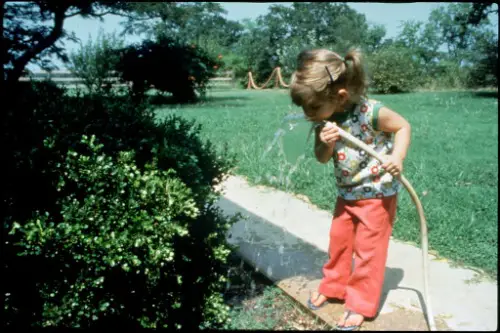
On hot days, kids playing outside often grabbed a quick drink from a garden hose. It wasn’t glamorous, but it was convenient and widely accepted. Parents expected you to stay outside for hours, especially in summer. That made improvising part of the routine.
It became one of those oddly specific shared memories. Concerns about water quality and changing habits have made it less common. Kids today are more likely to head inside for filtered water. The small ritual has quietly faded.
2. Saturday Morning Cartoons on Network TV
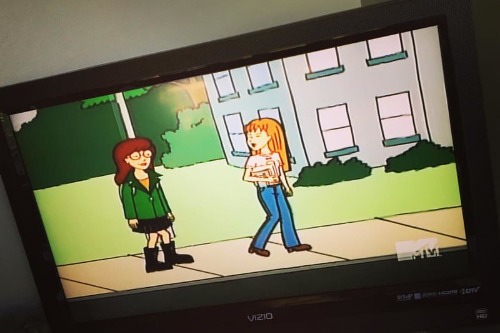
For decades, Saturday mornings had a predictable rhythm for kids across the country. Major broadcast networks like ABC, NBC, and CBS aired blocks of animated shows aimed specifically at children. You didn’t binge or stream, you showed up at a certain time or you missed it. That shared schedule meant kids everywhere were watching the same episodes at the same moment.
It also shaped playground conversations the following Monday. Everyone knew the characters, the plot twists, and even the commercials. The experience started fading in the 1990s and 2000s as cable and streaming took over. Now, kids watch what they want, when they want, and the shared timing is mostly gone.
3. Writing Reports from Encyclopedias

Before the internet, research meant pulling out a physical encyclopedia set. Encyclopaedia Britannica was a common household name, and libraries stocked similar volumes. Kids learned to flip through alphabetical entries and take notes by hand. It was a slower process, but a widely shared one.
You couldn’t just search a phrase and get instant answers. Everyone relied on the same kinds of books and similar information sources. That created a baseline research experience across households. Today, digital access has made research faster but far less uniform.
4. Calling a Friend’s House Phone
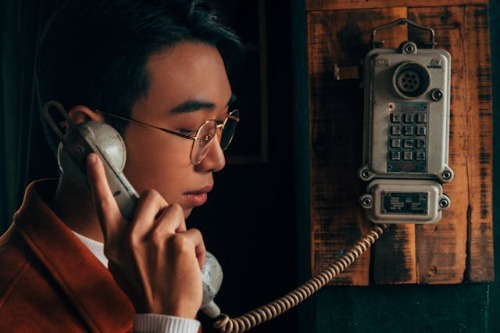
Getting in touch with a friend usually meant calling their home phone. You often had to talk to a parent or sibling first and ask if they were available. That small moment of formality was something nearly everyone experienced. It also meant memorizing phone numbers without thinking twice.
Timing mattered because someone else might already be using the line. Conversations were often shorter and more intentional. Cell phones and messaging apps removed those barriers. Now, communication is constant and far more private.
5. Renting Movies from a Video Store
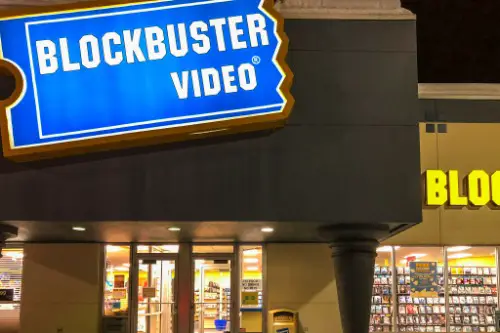
A Friday night trip to a video rental store was a familiar ritual. Chains like Blockbuster became cultural landmarks in suburbs and cities alike. You walked the aisles, judged movies by their covers, and hoped your pick was still in stock. The physical act of choosing mattered.
Late fees and return deadlines added stakes to the experience. New releases had limited copies, so timing was everything. Streaming services erased those constraints almost entirely. The shared ritual of browsing shelves has mostly disappeared.
6. Learning Cursive in Elementary School

Cursive handwriting used to be a standard part of early education. Students practiced loops and connections until writing flowed naturally. It wasn’t optional, it was expected in most classrooms. Reading older documents and signing your name depended on it.
Over time, many school systems reduced or eliminated cursive instruction. Keyboarding skills took priority instead. Not every student today learns it the same way, or at all. What once felt universal is now inconsistent.
7. The School Bell Dictating Your Day

No matter where you lived, the sound of a school bell structured your day. It signaled when to start class, when to switch subjects, and when to go home. That rhythm created a shared experience across districts and states. Even if schools differed, the cadence felt familiar.
Students learned to measure time in periods instead of minutes. Everyone knew the feeling of racing to class before the bell rang. While bells still exist, more schools now use flexible schedules or silent digital systems. The rigid, universal pacing has softened over time.
8. Watching the Same Prime-Time TV Shows
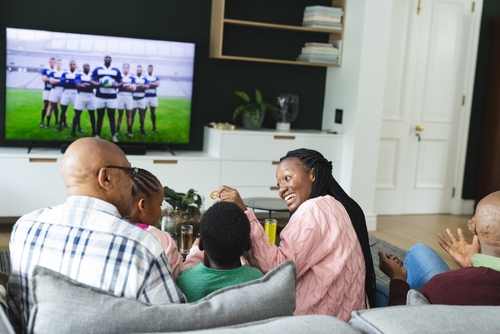
Prime-time television once created a national routine. Families tuned in to the same shows at the same time each week. Networks dominated what people watched and when they watched it. Missing an episode meant waiting for a rerun.
That structure made TV a shared cultural conversation. Major finales and episodes became collective events. Streaming and on-demand viewing changed that completely. Now, people watch on their own timelines.
9. Passing Notes in Class

Before texting, passing handwritten notes was a common way to communicate during school. Folded paper messages moved discreetly from desk to desk. It added a layer of creativity and risk to everyday conversations. Getting caught was always a possibility.
The practice was widespread because there were few alternatives. Notes carried jokes, plans, and sometimes drama. Phones replaced that entire system almost overnight. The shared ritual disappeared with digital messaging.
10. Using a Physical Alarm Clock
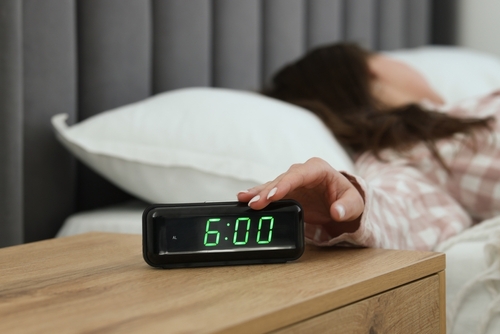
Waking up once meant relying on a dedicated alarm clock by your bed. You set it manually and hoped you didn’t sleep through it. The sound was often loud and unmistakable. Nearly every household had at least one.
There was no backup notification system or snooze app ecosystem. Oversleeping had real consequences for school mornings. Smartphones gradually replaced standalone clocks. Now, waking up looks different for almost everyone.
11. Taking Driver’s Ed in High School

Driver’s education classes were once commonly offered through public high schools. Students learned road rules, watched safety films, and practiced driving with instructors. It was a shared milestone tied to turning a certain age. Many teens went through the process together.
Budget cuts and policy changes reduced those programs in many areas. Private driving schools became more common. Not every student now learns in the same setting or at the same time. The experience of getting a license has become less uniform.
This post Parts of Growing Up in America That Used to Feel the Same for Everyone was first published on American Charm.

