1. Williamsburg, Virginia
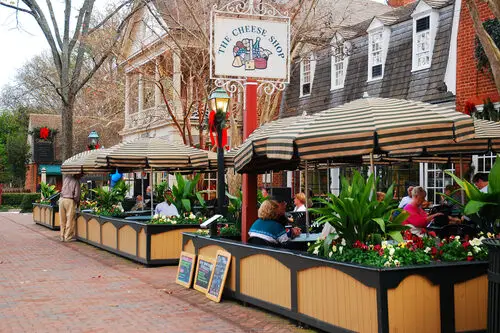
Williamsburg is one of the clearest examples of a town intentionally preserved to reflect its original form. Much of the area known as Colonial Williamsburg has been restored to its 18th-century layout. Streets, buildings, and public spaces closely follow how they appeared when Virginia was a British colony. Walking through it feels less like visiting a replica and more like stepping into a carefully maintained past.
The town’s grid, building materials, and architectural styles were reconstructed using historical records and archaeology. Tradespeople still demonstrate crafts like blacksmithing and printing in historically accurate settings. Even the spacing of buildings reflects colonial-era planning decisions. It’s a place where the original blueprint has been deliberately kept alive.
2. St. Augustine, Florida
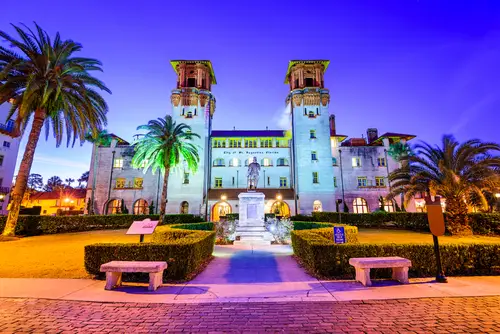
St. Augustine, founded in 1565, is the oldest continuously inhabited European-established city in the U.S. Its narrow streets and Spanish colonial layout still define the historic district. Buildings cluster tightly together, reflecting early defensive and climate-conscious design. The street pattern hasn’t been dramatically altered over centuries.
Structures like the Castillo de San Marcos reinforce the city’s original purpose as a fortified settlement. Coquina stone construction and enclosed courtyards remain visible today. The layout still prioritizes walkability over modern traffic flow. It’s a living example of how colonial planning endures.
3. Santa Fe, New Mexico
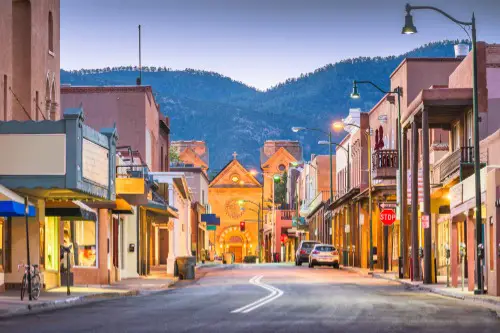
Santa Fe’s appearance today is deeply tied to its Spanish colonial and Pueblo roots. The city enforces architectural guidelines that maintain adobe-style construction. Low-rise buildings, earth-toned walls, and flat roofs dominate the landscape. This consistency keeps the city visually aligned with its earliest design influences.
The central plaza remains the focal point, just as it was in the 1600s. Streets radiate outward in a pattern established during Spanish rule. Even newer construction must follow traditional design codes. The result is a city that feels remarkably continuous with its origins.
4. Charleston, South Carolina
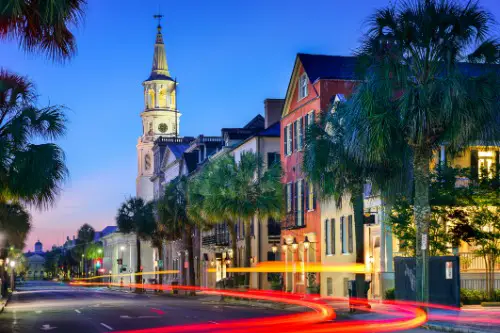
Charleston’s historic district still reflects its colonial port city beginnings. Narrow streets, pastel row houses, and waterfront views follow the original urban plan. Many homes retain features like piazzas designed for coastal airflow. The city’s layout was shaped by trade, climate, and defense.
Strict preservation laws have limited drastic architectural changes. Churches, markets, and public buildings remain where they were first established. Walking through downtown reveals layers of 18th- and 19th-century design. It’s a place where the past still defines the present streetscape.
5. Savannah, Georgia
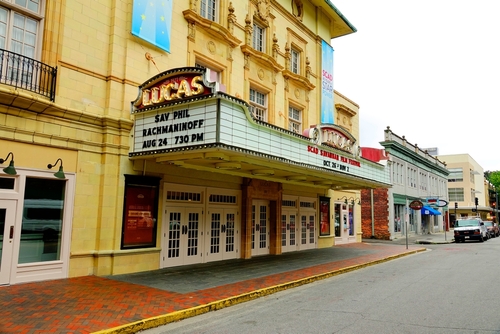
Savannah is famous for its original 1733 grid plan designed by James Oglethorpe. The city is organized around a series of public squares, many of which still exist. This layout created a balance between residential, civic, and green space. It’s one of the best-preserved colonial city plans in the country.
Those squares still anchor neighborhoods and community life today. Streets and building placements follow the original design closely. The system remains functional centuries later. It’s a rare case where early planning continues to shape daily movement.
6. New Harmony, Indiana
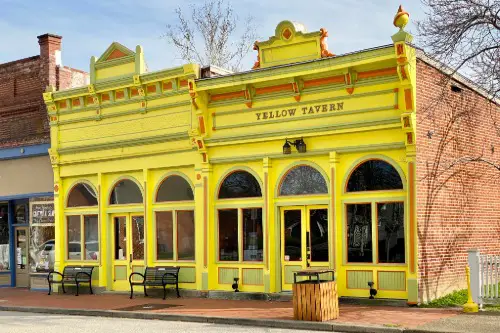
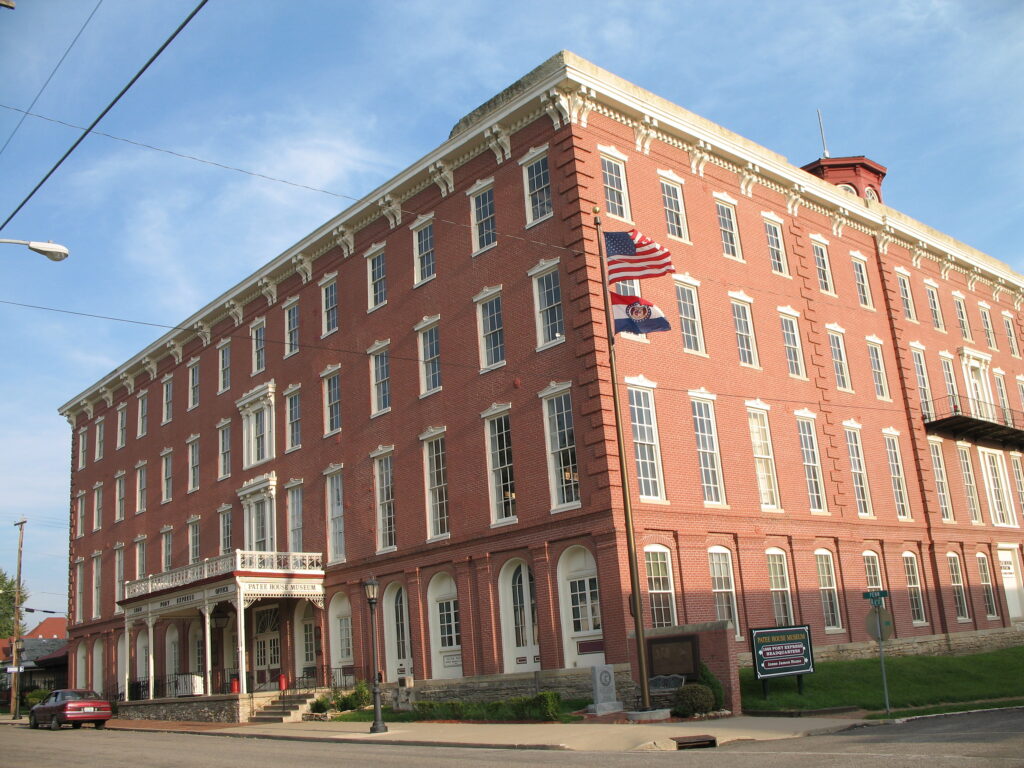
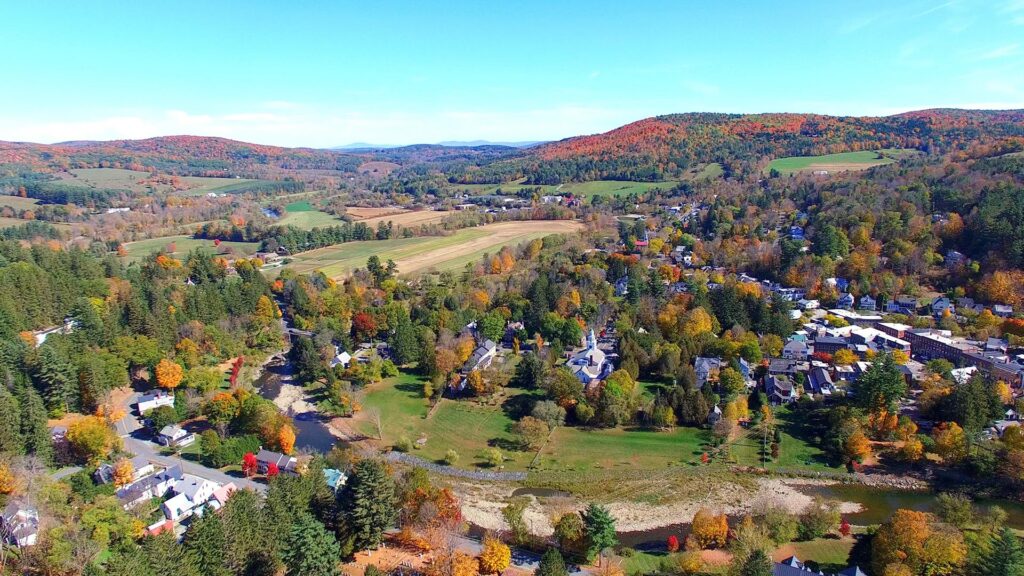
New Harmony was founded as a utopian community in the early 1800s. Its layout emphasized shared spaces, education, and orderly planning. While the original social experiment didn’t last, the town’s structure remained. Streets and buildings still reflect its intentional design.
Historic structures and communal layouts remain visible today. The town’s scale and organization feel different from typical Midwestern development. It still reflects the ideals of its founders. That sense of purpose lingers in its physical form.
7. Nantucket, Massachusetts
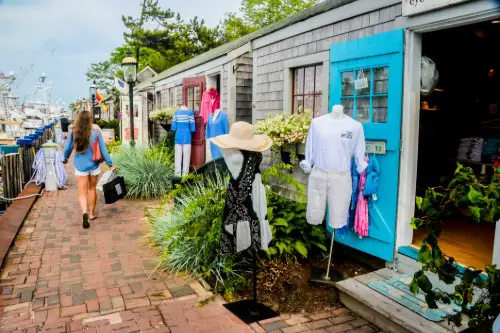
Nantucket’s layout dates back to its days as a major whaling hub. Narrow cobblestone streets and tightly packed buildings reflect its maritime origins. The town was built for pedestrians, carts, and ship-based commerce. That scale remains intact.
Strict preservation rules protect historic homes and storefronts. Even modern updates must blend with original materials and styles. The harbor still anchors the town’s identity. It feels like a coastal village that never fully modernized its layout.
8. Harpers Ferry, West Virginia
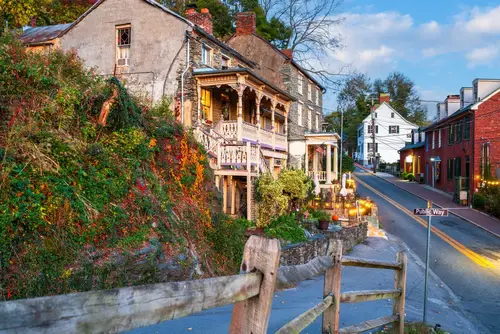
Harpers Ferry developed around its strategic location at the meeting of two rivers. Its streets follow the natural contours of the landscape rather than a rigid grid. Early industry and transportation shaped its compact layout. Much of that structure remains unchanged.
Historic buildings cluster tightly along narrow roads. The town’s size and geography limit modern expansion. Preservation efforts have kept its 19th-century appearance intact. It still looks much like it did during its industrial peak.
9. Deadwood, South Dakota
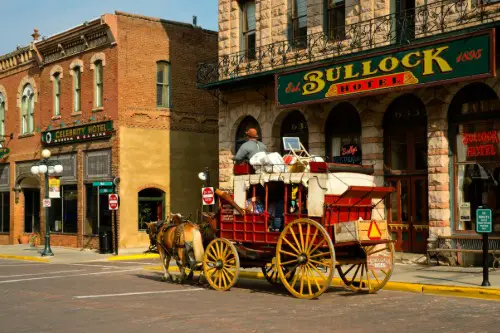
Deadwood grew rapidly during the Black Hills gold rush. Its layout followed the canyon it sits in, rather than a planned grid. Buildings lined the main street in response to mining activity. That organic development pattern still defines the town.
Historic preservation has maintained many original structures. Casinos now occupy former saloons and storefronts. The street layout remains largely unchanged. It still reflects its boomtown origins.
10. Virginia City, Nevada
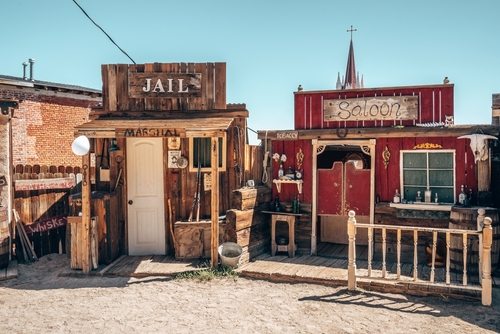
Virginia City was built during the Comstock Lode silver boom. Its streets climb steep hills, following the terrain and mining claims. Buildings were constructed quickly but in dense clusters. That original layout is still visible.
Many structures have been preserved or restored. Wooden sidewalks and historic facades remain in place. The town’s shape hasn’t been significantly altered. It still feels like a 19th-century mining settlement.
11. Annapolis, Maryland

Annapolis retains much of its colonial-era street plan. Roads radiate outward from central points rather than forming a strict grid. This design reflects early planning tied to the harbor and government buildings. The layout remains intact.
Historic homes and public buildings still occupy their original sites. The city has avoided large-scale redevelopment in key areas. Walking through downtown reveals its 18th-century structure. It continues to function within its original framework.
12. Galena, Illinois
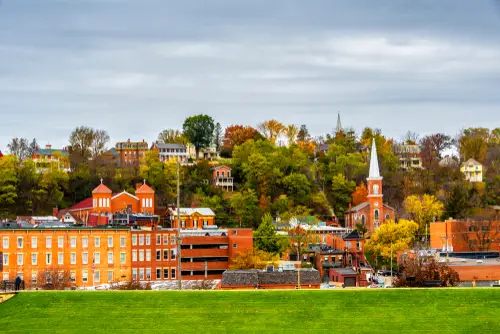
Galena flourished as a lead mining and river trade town in the 1800s. Its downtown developed along the Galena River with a dense commercial strip. Brick buildings line Main Street much as they did during its peak. The layout reflects its economic roots.
Limited industrial expansion helped preserve its original character. Many historic structures remain in active use. The town avoided large-scale demolition or redesign. It still closely resembles its early form.
13. Mackinac Island, Michigan
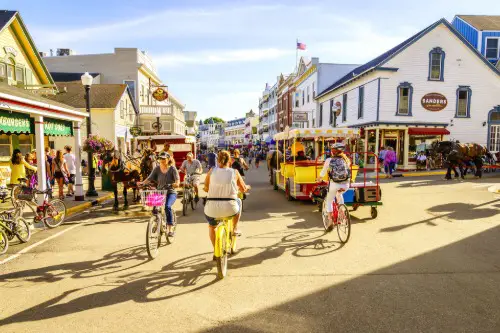
Mackinac Island stands out because cars have been largely banned since the late 1800s. Transportation still relies on bicycles, walking, and horse-drawn carriages. The street layout reflects that earlier mode of travel. It hasn’t been reshaped for modern traffic.
Historic buildings and hotels dominate the small downtown. The pace of life matches the island’s original development era. Infrastructure changes have been minimal by design. It remains one of the closest experiences to a preserved 19th-century town.
This post U.S. Towns That Still Reflect the Way They Were First Built was first published on American Charm.