1. Harpers Ferry, West Virginia
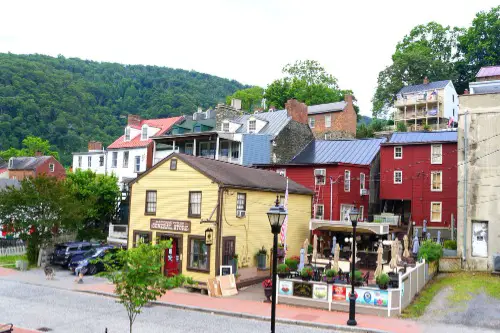
Harpers Ferry sits at the confluence of the Potomac and Shenandoah rivers, and much of its historic lower town has been carefully preserved. It was once a busy industrial and transportation hub, with armories, railroads, and constant movement. Today, the same streets and buildings still exist, but at a much quieter pace. The physical setting makes it easy to picture how active it once was.
What’s striking is how everyday scenes still feel rooted in the past. You’ll see people walking narrow streets, browsing small shops, and pausing to take in the views. The scale encourages slower movement and face-to-face interaction. It feels like a place where older rhythms never fully disappeared, just softened over time.
2. Mount Airy, North Carolina
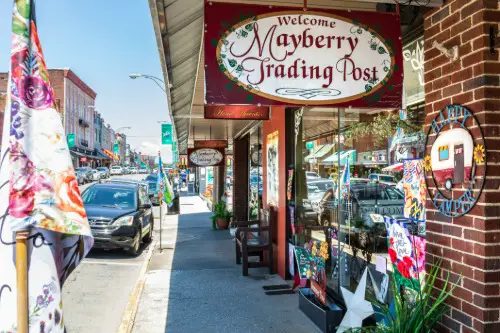
Mount Airy is widely known as the inspiration for Mayberry. The town still leans into that identity with a preserved Main Street and locally owned shops. You’ll see people chatting outside storefronts and waving from passing cars. It feels less like a reenactment and more like a place that never fully let go of its rhythms.
Barbershops, diners, and hardware stores still play a central role in daily life. Community events bring people together in ways that feel familiar rather than staged. While modern conveniences are present, they don’t dominate the atmosphere. It’s a place where older social patterns still feel natural.
3. Galena, Illinois
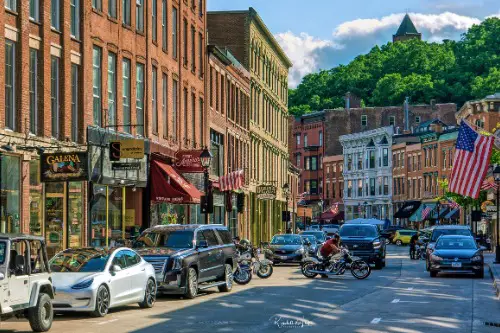
Galena’s downtown looks like it paused in the 19th century and never rushed to catch up. Brick storefronts line Main Street, many housing independent businesses rather than chains. The town once thrived as a mining and river commerce hub. That history is still visible in its preserved architecture.
Walking through Galena feels like stepping into a living postcard. You’ll still find locally owned shops where staff take time to chat with customers. Tourism exists, but it hasn’t erased the town’s slower pace. Familiar scenes of small-town commerce continue without feeling forced.
4. Bisbee, Arizona
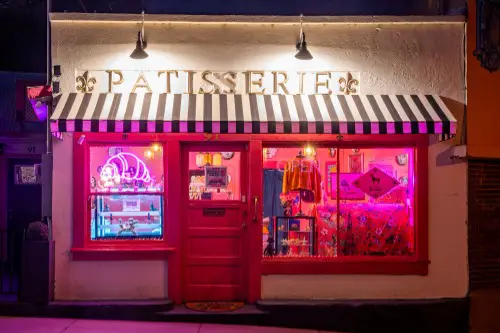
Bisbee grew as a copper mining town tucked into the hills of southern Arizona. Its steep streets and tightly packed buildings reflect that industrial past. When mining declined, the town didn’t reinvent itself into something unrecognizable. Instead, it adapted while keeping its layered character.
You’ll still see neighbors talking across balconies and walking narrow stairways between homes. Local businesses fill historic spaces rather than replacing them. The town’s rhythm feels personal and slightly unconventional. It’s a place where older patterns of community interaction remain visible.
5. Port Townsend, Washington
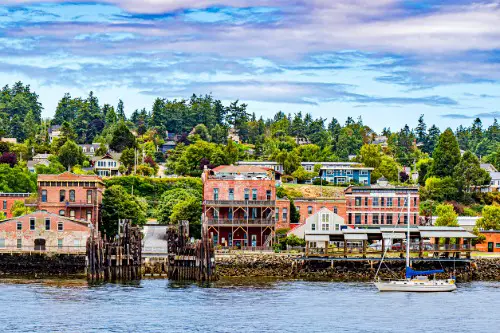
Port Townsend once expected to become a major West Coast port city. When that future didn’t fully materialize, its Victorian buildings were left largely intact. Instead of being replaced, they became part of everyday life. The town kept its historic fabric without turning into a museum.
Residents still use those spaces for ordinary routines. You’ll find bookstores, cafes, and shops inside 19th-century structures. The waterfront remains active but not overwhelming. It feels like a working town that happens to look like the past.
6. Decorah, Iowa
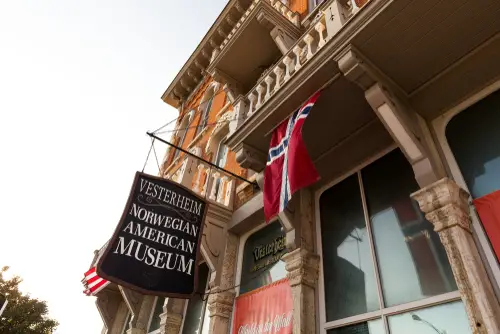
Decorah blends a strong sense of heritage with everyday small-town life. Norwegian cultural traditions are still visible in festivals and local institutions. Main Street businesses remain locally owned and community-oriented. The town feels grounded rather than curated.
People still gather in familiar ways at cafes, parks, and local events. Conversations linger and routines feel steady. Modern life exists, but it hasn’t erased older social habits. It’s a place where continuity feels natural rather than nostalgic.
7. Eureka Springs, Arkansas
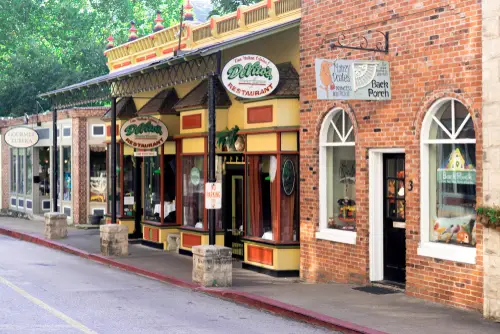
Eureka Springs developed as a Victorian spa town built into the Ozark hills. Its winding streets and preserved buildings create a sense of continuity with the past. Unlike many towns, it never flattened itself for modern grid planning. That physical layout shapes how people interact with the space.
You’ll still find walkable streets filled with small shops and personal exchanges. The town encourages slower movement and spontaneous conversation. Businesses feel individual rather than standardized. It’s a place where the setting naturally supports familiar social scenes.
8. St. Augustine, Florida
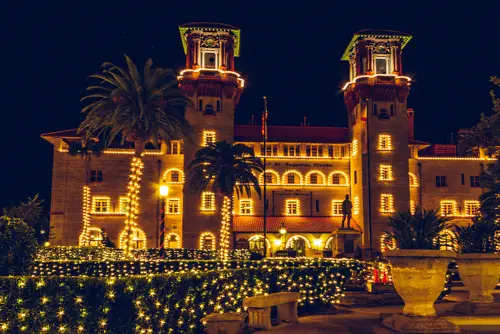
St. Augustine is the oldest continuously inhabited European-established city in the U.S. Its historic district preserves narrow streets and centuries-old structures. While it draws visitors, it also functions as a real community. Daily life unfolds alongside its long history.
Local shops and restaurants operate within historic buildings. Residents still use the same streets that have existed for generations. The mix of old and new feels integrated rather than staged. Familiar scenes persist because they were never fully replaced.
9. Woodstock, Vermont
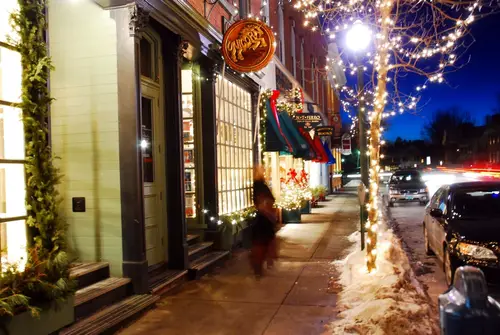
Woodstock is often held up as a classic New England village. Its central green, white church, and surrounding shops create a recognizable layout. The town has maintained strict preservation standards over time. That consistency helps keep its visual identity intact.
Beyond appearances, the social rhythm still feels traditional. People gather at local stores and community events. Seasonal changes shape routines in noticeable ways. It’s a place where everyday life still mirrors long-standing patterns.
10. McMinnville, Oregon
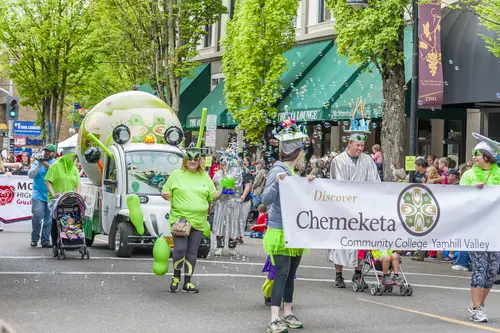
McMinnville’s downtown is anchored by a walkable main street lined with independent businesses. It reflects a style of development that predates big-box retail. The layout encourages casual interaction and repeat visits. That structure naturally supports familiar social habits.
Locals still run into each other while shopping or grabbing coffee. Businesses often know their regular customers. The pace feels steady rather than rushed. It’s a modern town that still operates in a recognizably traditional way.
11. Jim Thorpe, Pennsylvania
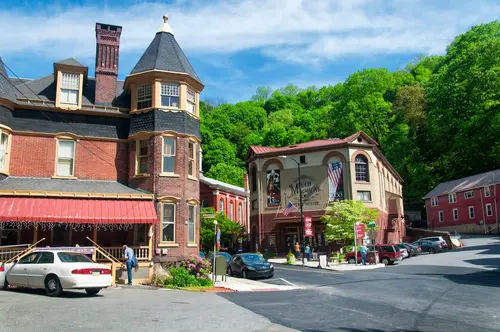
Jim Thorpe sits in a narrow valley with preserved Victorian architecture. Its layout and buildings reflect its origins as a coal and rail town. Instead of being heavily redeveloped, much of that structure remains. The town adapted without erasing its past.
You’ll still find small shops and local interactions along its main streets. The setting encourages walking and lingering. Conversations feel unhurried and personal. It’s a place where older patterns of town life are still visible.
12. Beaufort, South Carolina

Beaufort’s historic district preserves antebellum homes and waterfront views. The town has carefully limited overdevelopment. That approach keeps its scale and atmosphere consistent. Streets shaded by live oaks feel unchanged in rhythm.
Residents still rely on local businesses and community gatherings. The pace of life encourages conversation and familiarity. Tourism exists, but it doesn’t overwhelm daily routines. It’s a place where the past blends quietly into the present.
13. Leadville, Colorado
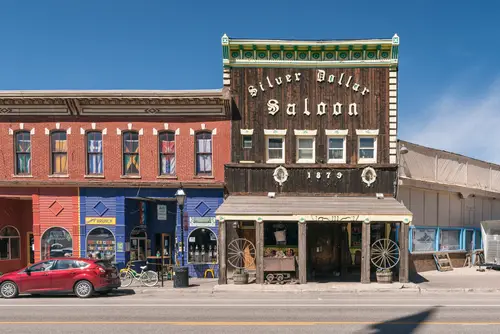
Leadville grew rapidly during a silver mining boom in the late 1800s. Its high-altitude setting and historic buildings still define the town. While mining declined, the physical layout remained largely intact. That continuity shapes how the town feels today.
You’ll still see a compact downtown with locally run businesses. The community retains a practical, close-knit character. Daily life happens against a backdrop of preserved history. Familiar small-town scenes continue without much reinvention.
This post American Towns Where Familiar Scenes Haven’t Fully Disappeared was first published on American Charm.