
1. Knocking on a neighbor’s door unannounced
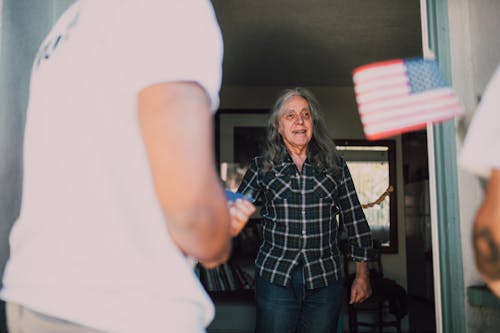
Dropping by a neighbor’s house without texting first used to be completely normal. Communities were structured around the idea that people were generally available. Kids especially moved freely between homes this way. It made neighborhoods feel socially connected by default.
These casual visits built familiarity and trust over time. Even if someone wasn’t home, it wasn’t considered intrusive. Today, unannounced visits can feel awkward or even unwelcome. The shift toward scheduled interaction changed how strangers become acquaintances.
2. Saying “hello” to people you pass

It used to be pretty normal to acknowledge strangers with a quick “hello” or nod while walking down the street. In smaller towns especially, not greeting someone could even feel a little rude. Kids picked this up just by watching adults model it every day. It created a baseline sense that people around you were approachable.
That tiny interaction lowered the barrier for longer conversations if needed. Asking for directions or making small talk felt less awkward after that initial acknowledgment. Over time, busier cities and headphones made this less common. Now, silence is often the default instead of friendliness.
3. Making small talk in waiting areas
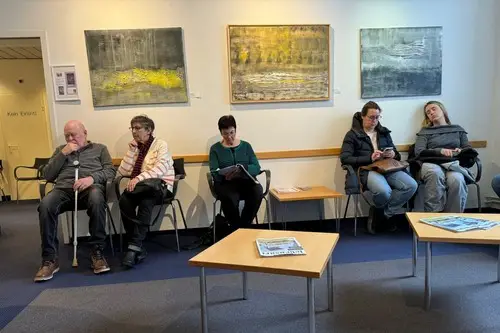
Waiting rooms, bus stops, and checkout lines once came with an expectation of light conversation. People commented on the weather, the line, or shared experiences like delays. It wasn’t about deep connection, just passing the time together. The shared moment made talking to strangers feel natural.
This helped build comfort with casual conversation skills. You learned how to start and end interactions politely without pressure. Smartphones gradually replaced that social filler. Now, many waiting spaces are quiet, with everyone looking down instead of around.
4. Introducing yourself when joining a group
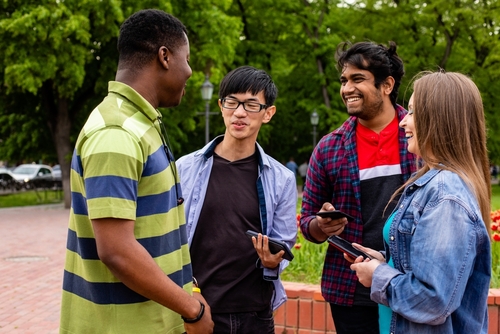
Whether at a new job, a class, or a social gathering, introducing yourself was expected. People would offer their name, maybe a handshake, and a bit of context. This created a clear opening for conversation. It reduced the uncertainty of how to begin interacting.
It also made it easier for others to include you. Names and basic details gave people something to build on. Now, digital introductions sometimes replace in-person ones. That can make first interactions feel more ambiguous.
5. Offering directions to lost-looking strangers

Before GPS, it was common to step in if someone looked confused or asked for help. Giving directions required conversation and sometimes even walking part of the way with them. People expected strangers to be a helpful resource. That shared understanding made approaching someone less intimidating.
It also built quick, cooperative interactions between people who didn’t know each other. You learned how to explain routes clearly and politely. Today, most people turn to their phones first. The opportunity for those spontaneous helpful exchanges has faded.
6. Sharing tables or seating in crowded places

In busy diners, cafeterias, or trains, sharing space with strangers was routine. You might ask, “Is this seat taken?” and then sit down anyway. That simple question opened the door to conversation. Even silence felt more comfortable because the interaction had been acknowledged.
These shared spaces normalized brief social contact. People learned to read cues about whether someone wanted to chat or not. With more personal space expectations today, this happens less often. When it does, it can feel slightly unusual.
7. Using formal manners with strangers
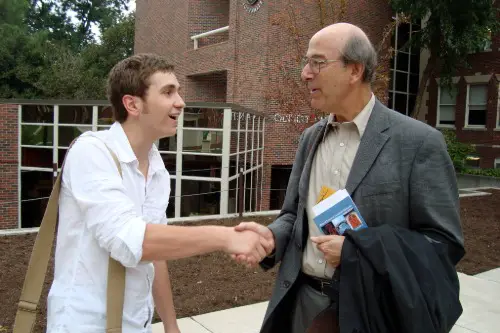
Phrases like “sir,” “ma’am,” “please,” and “thank you” were more consistently used with people you didn’t know. These small signals created a respectful tone right away. They helped interactions feel structured and predictable. Even brief exchanges had a sense of mutual courtesy.
This made it easier to navigate unfamiliar social situations. You didn’t have to guess how to approach someone because there was a shared script. While politeness still exists, its form has become more casual. That shift can sometimes make first interactions feel less clear.
8. Writing letters and thank-you notes

Handwritten notes were once a common way to maintain connections, even with people you didn’t see often. Thank-you notes in particular reinforced social bonds after gifts or hospitality. The effort involved made the gesture feel meaningful. It also kept communication thoughtful and intentional.
This practice made it easier to sustain relationships beyond immediate circles. It created a slower, more reflective form of interaction. Digital communication replaced much of this habit. As a result, those deliberate social touchpoints happen less frequently.
9. Calling instead of texting

Phone calls used to be the primary way to reach someone directly. That meant speaking to whoever answered, including parents, roommates, or coworkers. You learned how to introduce yourself and ask for the right person. It built confidence in talking to unfamiliar people.
These calls created small but regular interactions with strangers. Even leaving a message required clear communication. Texting removed many of those steps. Now, people can avoid those initial social hurdles entirely.
10. Participating in community events

Local fairs, church gatherings, and town meetings brought people together regularly. These events encouraged casual conversations with people you didn’t already know. Shared activities made it easy to start talking. You always had something in common to begin with.
They also created repeated exposure to the same faces. Over time, strangers became familiar even without formal introductions. Attendance at these events has declined in many areas. That means fewer natural opportunities for easy interaction.
11. Reading newspapers in public spaces

People once read physical newspapers on buses, trains, and park benches. Headlines were visible, which sometimes sparked conversation. Someone might comment on a story or ask a quick question. It created a shared awareness of current events.
This made it easier to connect over common information. You didn’t need to search for a topic because it was right there. Digital news is more private and personalized. As a result, those spontaneous conversations happen less often.
This post Social Norms That Once Helped Strangers Interact More Easily was first published on American Charm.