1. Waiting for Weekly TV Episodes

There used to be a built-in rhythm to television that structured your week. New episodes aired on specific nights, and missing one meant waiting for a rerun. Families and friends often planned their evenings around those time slots. That anticipation made each episode feel like a small event.
Streaming platforms changed that pacing completely. Entire seasons now drop at once, encouraging binge-watching instead of weekly rituals. The sense of “next Thursday at 8” quietly disappeared. Without that shared countdown, one more marker of passing time faded.
2. The Sound of the Ice Cream Truck

Hearing an ice cream truck approach used to instantly signal a summer afternoon. Kids would recognize the music from blocks away and rush outside. It wasn’t scheduled, but it still marked a moment you didn’t want to miss. That sound became tied to a specific time of day and season.
In many neighborhoods, those trucks appear less frequently now. Changing regulations, costs, and habits reduced their presence. Without that familiar tune, summer afternoons feel a little less defined. It’s a small shift, but one that used to punctuate the day.
3. Back-to-School Shopping as a Seasonal Ritual

Late summer once had a clear signal that things were about to change. Stores filled with notebooks, folders, and backpacks in a predictable yearly cycle. Families made dedicated trips to prepare for the new school year. That process helped kids mentally shift from vacation to routine.
Online shopping has softened that transition. Supplies can be ordered anytime without a special trip. The buildup feels less tied to a specific moment on the calendar. One of the clearest markers of summer ending has become more diffuse.
4. Checking the Newspaper Each Morning
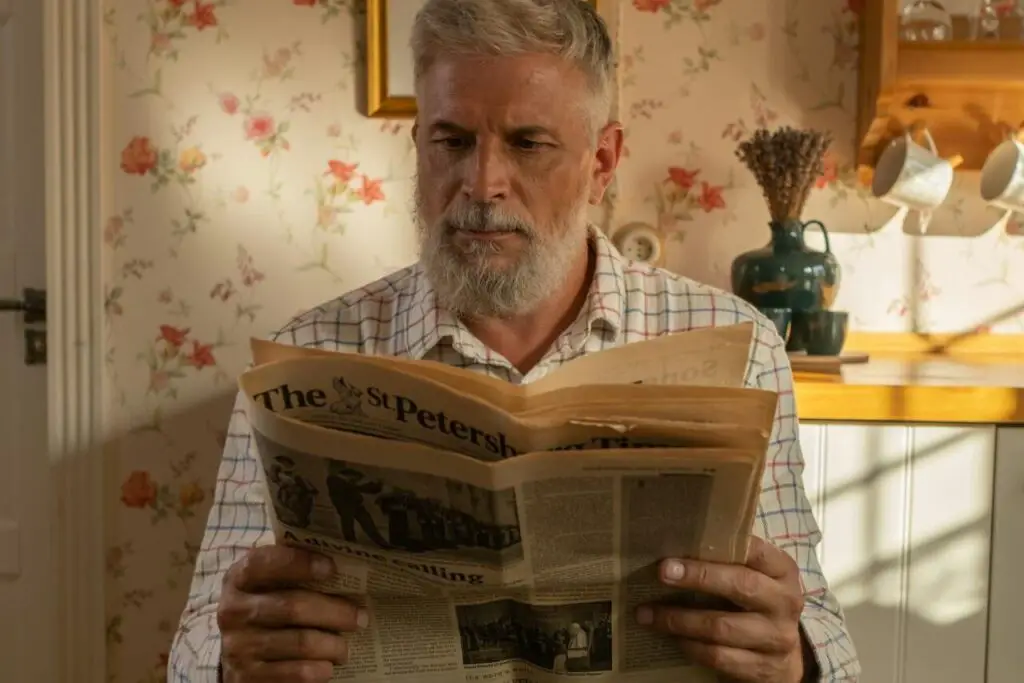
Morning routines once included picking up a physical newspaper. Headlines, weather, and local events arrived at a consistent daily moment. Reading it over breakfast helped anchor the start of the day. You experienced the news as a shared timeline with everyone else.
Now updates arrive continuously through phones and notifications. There’s no single moment when “the news” begins. The day doesn’t have that same defined starting point. Information flows constantly instead of arriving in one clear package.
5. Waiting for Film to Be Developed
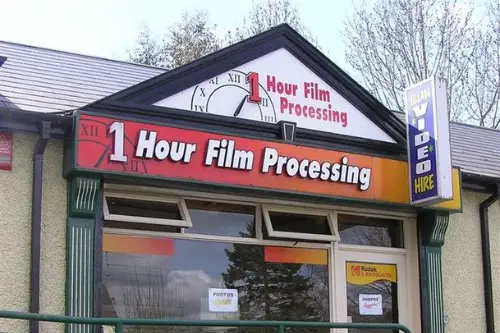
Taking photos used to come with a built-in delay. You finished a roll of film, dropped it off, and waited days to see the results. That waiting period created a natural pause between capturing and reliving moments. It made memories feel more deliberate.
Digital photography removed that gap entirely. Photos are reviewed instantly and often forgotten just as quickly. The anticipation that once marked special events is mostly gone. Time between experience and reflection has nearly disappeared.
6. Calling a House Phone and Hoping Someone Answered
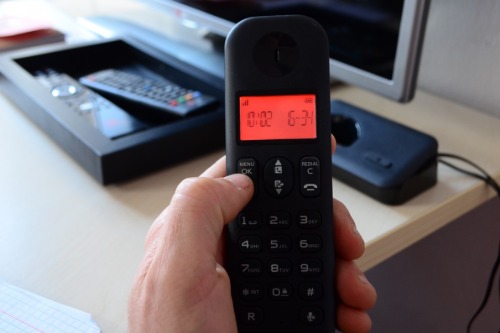
Reaching someone used to depend on catching them at the right moment. You called a home phone and waited to see who picked up. Conversations felt more intentional because they required timing. Missed connections were part of daily life.
Mobile phones eliminated most of that uncertainty. Texting and constant connectivity removed the need to “try again later.” The small suspense of making contact disappeared. Along with it went a subtle rhythm in how people communicated.
7. Seasonal TV Specials and Holiday Programming
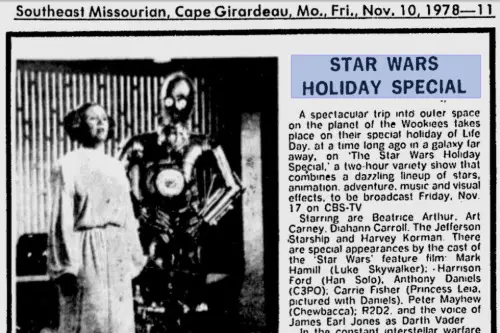
Holiday TV specials used to air at specific times each year. Families gathered to watch them as part of the celebration. Missing the broadcast often meant waiting an entire year. These programs became reliable calendar markers.
Now those same specials are available on demand year-round. You can watch them whenever you want, not just in December or October. That flexibility blurred their connection to a specific moment. The calendar lost another shared checkpoint.
8. Flipping Through Radio Stations in the Car
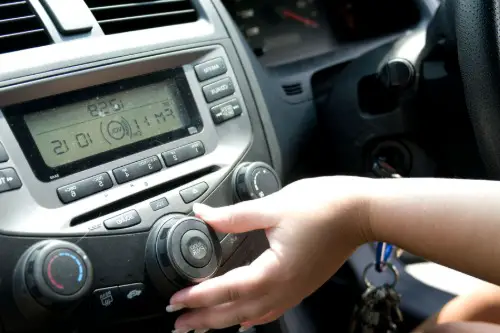
Car rides once involved scanning radio stations to find something good. Songs appeared unpredictably, and discovering one you loved felt like luck. You learned to associate certain tracks with times of day or specific drives. The experience created small, unplanned milestones.
Streaming and playlists changed that completely. You can choose exactly what plays and when. The randomness that once marked moments has largely disappeared. Driving feels more controlled, but less tied to passing time.
9. Watching the Mail Arrive Each Day
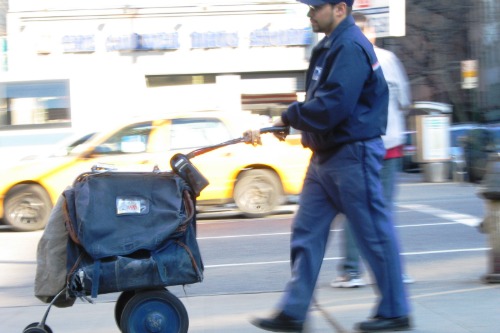
Mail delivery used to be a daily event worth noticing. Letters, magazines, and packages arrived at roughly the same time. People checked mailboxes with a sense of curiosity and routine. It marked a clear pause in the day.
Email and digital communication replaced much of that anticipation. Physical mail is now less frequent and often less personal. Many people don’t check their mailbox daily anymore. A once-reliable daily marker quietly faded.
10. Using a Wall Calendar to Track the Year
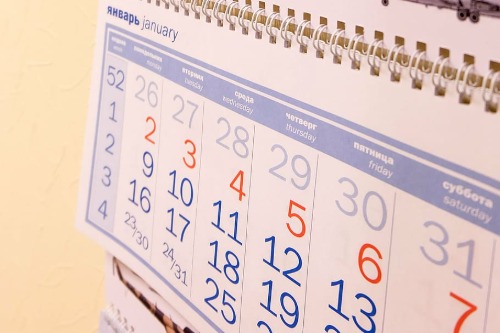
Wall calendars once served as a visual reminder of time passing. Crossing off days or flipping the page each month made time feel tangible. Important dates stood out in a physical space. You could see the year moving forward at a glance.
Digital calendars now handle most scheduling invisibly. Notifications replace the act of marking time yourself. The physical interaction with days and months is mostly gone. Time still passes, but it feels less visible.
11. Hearing School Bells Structure the Day

School bells once divided the day into clear segments. Each ring signaled a transition from one activity to another. Students internalized that rhythm without thinking about it. The day moved forward in audible steps.
Some schools have shifted to quieter or more flexible systems. Digital schedules and subtle alerts replace loud bells. The sharp transitions between moments are less pronounced. One of the most familiar time markers has softened or disappeared.
This post The Quiet Loss of Moments That Used to Mark the Passage of Time was first published on American Charm.