
1. Banking at a Local Branch
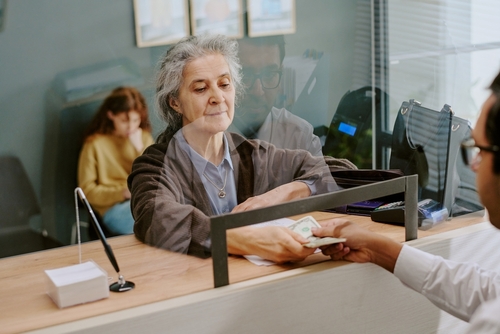
There was a time when banking meant walking into a branch where someone knew your name. Tellers recognized regular customers and often remembered small details about their lives. You could sit down with a banker and talk through loans or financial questions face to face. The experience felt rooted in a specific place and community.
Over time, online banking and mobile apps replaced much of that interaction. Large national institutions consolidated branches and standardized services. Many transactions now happen without speaking to a person at all. Convenience improved, but the relationship aspect quietly faded.
2. Seeing the Same Family Doctor

For decades, families often went to the same doctor for years, sometimes across generations. That physician built a deep understanding of medical history, habits, and personal context. Appointments felt like conversations rather than quick check-ins. Trust developed naturally over time.
Today, healthcare systems are larger and more fragmented. Patients often see whoever is available within a network. Electronic records store information, but they don’t replace familiarity. The experience can feel efficient, but less personal.
3. Shopping at Neighborhood Grocery Stores

Local grocers used to be central gathering points in many communities. Owners and employees often knew customers and their preferences. Special orders and small conversations were part of the routine. Shopping felt like a social interaction as much as an errand.
Big-box chains and online grocery delivery changed that dynamic. Inventory systems and self-checkout streamlined the process. Many shoppers now move through stores without speaking to anyone. The human connection has largely been replaced by efficiency.
4. Calling Customer Service

Calling a company once meant speaking directly with a representative fairly quickly. While wait times existed, the expectation was human interaction. Conversations could be flexible, and agents sometimes had discretion to solve problems creatively. It felt like talking to a person who could actually help.
Now, automated menus and chatbots often handle the first layers of support. You may navigate multiple prompts before reaching a human, if you reach one at all. Scripts and policies limit how much flexibility representatives have. The process feels more transactional than personal.
5. Watching TV at the Same Time as Everyone Else
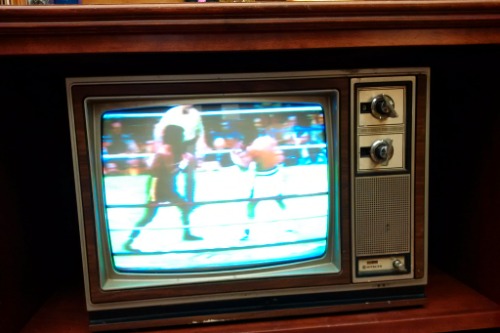
Television used to be a shared, scheduled experience. Families gathered around at specific times, and entire communities watched the same shows simultaneously. Conversations the next day depended on everyone being caught up. It created a subtle sense of collective participation.
Streaming services shifted viewing into an on-demand activity. People watch shows at different times, on different devices, and at different speeds. Spoilers became a concern because viewing is no longer synchronized. The shared cultural moment became more fragmented.
6. Getting the News from a Local Paper

Local newspapers once played a central role in daily life. They covered community events, local politics, and personal milestones. Readers often recognized reporters and columnists by name. The paper felt closely tied to the place it served.
Digital media changed how news is distributed and consumed. Many local papers shrank or closed, while national outlets expanded online. Algorithms now shape what stories people see. The connection between reader and local newsroom has weakened.
7. Renting Movies at a Video Store

Video rental stores were social spaces where people browsed shelves and asked for recommendations. Staff members often guided choices based on your taste. The physical act of picking a movie made it feel like an event. Even the return deadline added structure to the experience.
Streaming eliminated the need to leave home for entertainment. Algorithms now suggest what to watch instead of a person behind a counter. The browsing experience is faster but less interactive. The ritual itself largely disappeared.
8. Dining at Sit-Down Restaurants
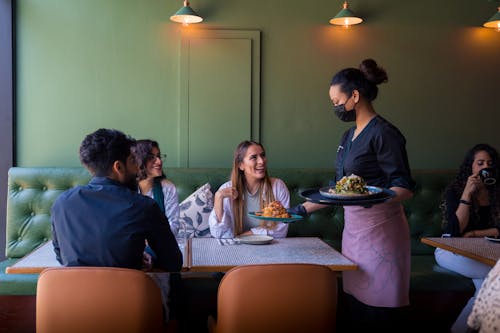
Going out to eat once involved more interaction with staff throughout the meal. Servers introduced themselves, made recommendations, and sometimes built rapport with regulars. The pacing encouraged conversation and connection. It felt like a small, shared experience.
Fast-casual models and mobile ordering changed expectations. Many places now prioritize speed and efficiency over interaction. Orders are placed on screens or apps instead of through conversation. The meal still happens, but the personal touch is reduced.
9. Sending and Receiving Mail

Personal mail used to be a primary way people stayed in touch over distance. Letters, postcards, and handwritten notes carried emotional weight. Recognizing someone’s handwriting added a layer of familiarity. Even bills and notices arrived in a tangible, physical form.
Email and digital communication replaced much of that exchange. Messages are faster but often more brief and less thoughtful. Physical mail is now mostly limited to packages and automated notices. The personal element has largely moved online.
10. Attending School in Person Every Day

School once meant consistent, in-person interaction with teachers and classmates. Relationships developed through daily routines and shared physical spaces. Teachers often adapted lessons based on real-time feedback. The classroom environment shaped both learning and social life.
Online learning introduced more flexibility but less direct connection. Screens mediate much of the interaction between students and instructors. Participation can feel more distant and less spontaneous. The structure remains, but the experience is less personal.
11. Booking Travel Through a Human Agent

Travel agents once handled nearly every aspect of trip planning. They knew destinations, preferences, and often repeat customers. Conversations helped tailor itineraries to individual needs. The process felt collaborative and guided.
Online booking platforms shifted control directly to consumers. Flights, hotels, and activities can now be arranged without speaking to anyone. Comparison tools emphasize price and efficiency over relationship. Planning is easier, but also more impersonal.
This post The Familiar Parts of Life That Slowly Became Less Personal was first published on American Charm.