1. Block Island, Rhode Island
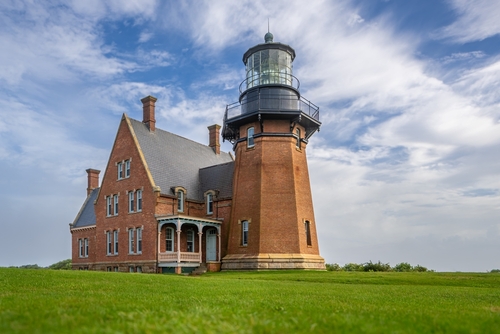
Block Island maintains a seasonal, small-scale way of life off the New England coast. Ferries dictate schedules for both residents and visitors. The island’s size and isolation limit large-scale development. Daily routines often revolve around weather and transportation timing.
In the off-season, the pace slows even further. Many businesses close or reduce hours dramatically. Residents adjust to a quieter, more self-reliant lifestyle. It feels like a place where time expands instead of compresses.
2. Mackinac Island, Michigan
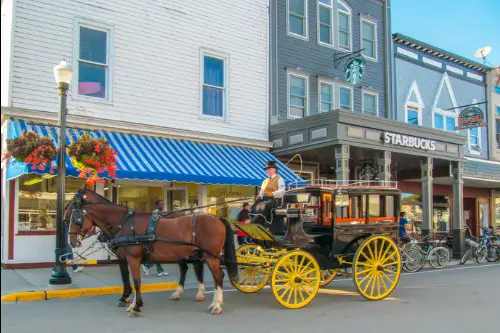
Mackinac Island operates without personal automobiles, which immediately changes how life feels day to day. Transportation happens by bicycle, horse-drawn carriage, or on foot. The absence of traffic noise creates a quieter, more deliberate atmosphere. Even short errands take on a slower, more intentional pace.
The island’s economy still revolves around seasonal tourism, much like it did over a century ago. Historic hotels and storefronts maintain traditional appearances and routines. Deliveries and logistics adapt to the no-car rule, reinforcing older methods. It’s a place where movement itself feels anchored in the past.
3. Santa Fe, New Mexico
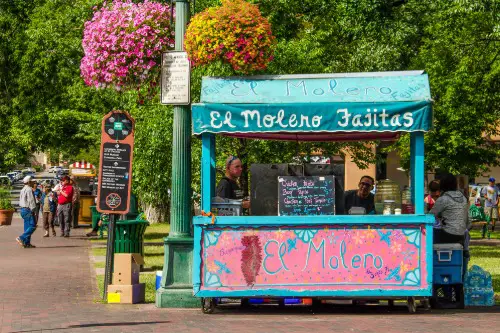
Santa Fe’s daily life is shaped by a deep blend of Native American, Spanish, and Mexican traditions. Adobe architecture and historic plazas anchor the city’s layout and routines. Markets, art, and food culture often follow patterns rooted in centuries-old practices. The result is a rhythm tied as much to heritage as to modern schedules.
Local events and seasonal cycles still play a major role in community life. Many businesses reflect long-standing crafts and traditions rather than rapid turnover. The pace feels slower compared to larger Southwestern cities. It’s a place where history quietly shapes everyday decisions.
4. Bisbee, Arizona
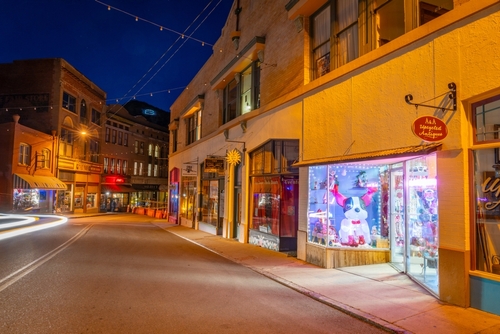
Bisbee grew as a mining town and never fully transitioned into a fast-paced modern city. Its steep streets, stairways, and preserved buildings naturally limit rapid development. Residents move through town on foot more often than by car. The physical layout encourages a slower daily rhythm.
Small businesses and local art scenes dominate instead of large chains. Many buildings still serve purposes similar to their original use. Community events feel personal and recurring rather than constantly changing. Life here unfolds at a pace set by geography and history.
5. Galena, Illinois
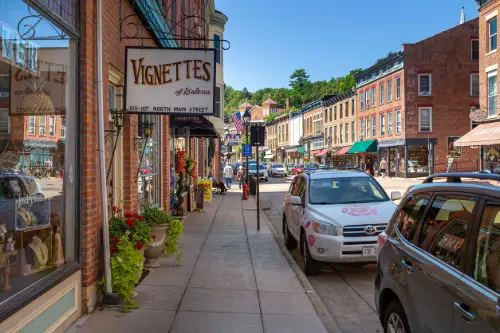
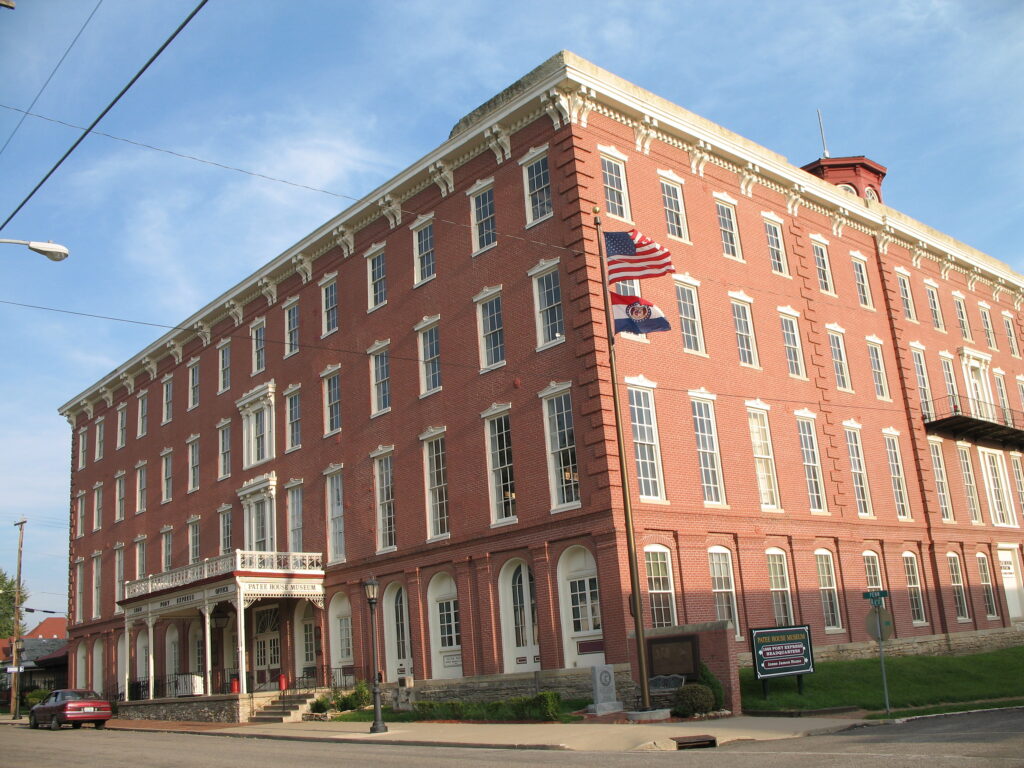
Galena’s downtown looks much as it did in the 19th century, with preserved brick storefronts lining the streets. Once a major lead mining and river trade hub, it never overdeveloped beyond that era. The town’s scale naturally limits modern sprawl. Daily life centers around walkable streets and small local businesses.
Shops often reflect long-standing traditions rather than rapid retail turnover. Tourism exists, but it doesn’t overwhelm the town’s pace. Residents and visitors alike move through a compact, historically consistent environment. It feels like a place where time settled rather than accelerated.
6. Sitka, Alaska
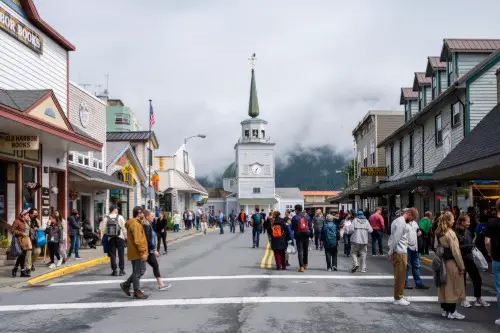
Sitka blends Tlingit heritage with Russian colonial history in a way that shapes everyday life. Fishing schedules, weather, and daylight patterns play a major role in daily routines. The community remains closely tied to the surrounding natural environment. That dependence naturally slows and structures time.
Isolation from the road system reinforces a self-contained lifestyle. Goods arrive by air or sea, which affects availability and planning. Residents adapt to seasonal rhythms more than fixed timetables. Life feels guided by nature rather than constant connectivity.
7. Taos, New Mexico
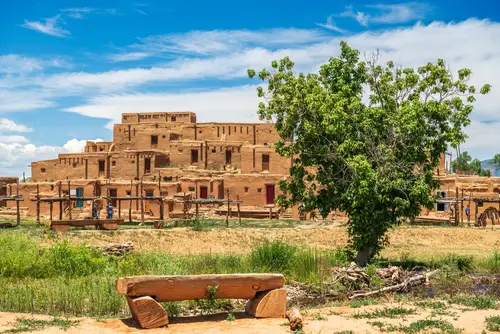
Taos has long been a center for Native American culture and traditional crafts. The nearby Taos Pueblo has been continuously inhabited for centuries. Art, agriculture, and local traditions shape daily routines. The pace reflects a deep continuity rather than rapid change.
Markets, festivals, and seasonal work still structure community life. Many residents prioritize craft and land-based practices over fast-paced industries. The town’s size and layout reinforce a slower rhythm. It’s a place where time feels cyclical instead of rushed.
8. Eureka Springs, Arkansas
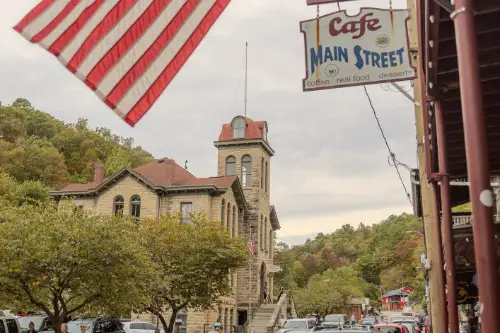
Eureka Springs developed as a Victorian-era resort town and retains that character today. Its winding streets and preserved architecture discourage large-scale modernization. Many buildings operate as they did historically, with small shops and inns. The town’s layout naturally slows movement and activity.
Tourism exists, but it tends to be steady rather than overwhelming. Local businesses emphasize craft, hospitality, and tradition. Daily life revolves around a consistent, small-town rhythm. It feels intentionally removed from fast-paced urban change.
9. Natchitoches, Louisiana
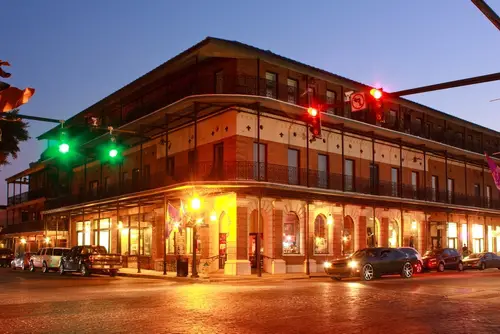
Natchitoches is the oldest permanent settlement in the Louisiana Purchase territory. Its riverfront and historic district reflect centuries of layered cultural influence. Daily life often centers around long-standing community traditions. The pace feels tied to history rather than rapid growth.
Festivals, local cuisine, and regional customs play a major role in routines. Many businesses are locally owned and deeply rooted. The town has grown, but not in a way that disrupts its rhythm. It feels steady in a way that larger cities often don’t.
10. Port Townsend, Washington
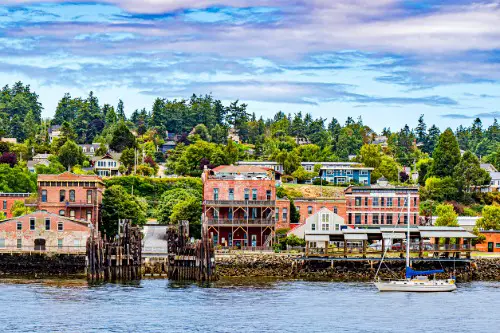
Port Townsend was once expected to become a major Pacific Northwest port city. When that boom never fully materialized, much of its Victorian architecture remained intact. Today, that preserved environment shapes how people live and move. The town feels scaled to a quieter era.
Maritime culture still influences daily routines and local identity. Independent businesses and arts communities dominate the economy. The slower pace reflects both history and geography. It’s a place where expectations slowed and life followed.
11. Deadwood, South Dakota
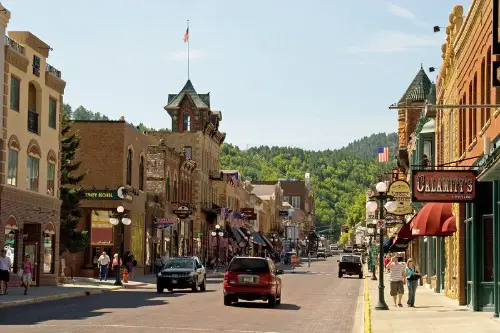
Deadwood’s identity is rooted in its 19th-century gold rush past. Many of its buildings and street layouts remain preserved. Tourism plays a role, but the town doesn’t operate like a fast-moving city. Daily life still reflects its historic scale.
Local routines revolve around a small, consistent population. Seasonal changes affect activity levels more than constant growth. The town’s size naturally limits rapid change. It feels like a place that settled into its pace long ago.
12. Marfa, Texas
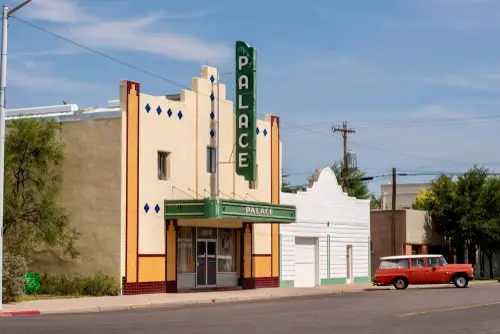
Marfa is known for its minimalist art scene, but its rhythm is shaped by isolation. Located in a remote part of West Texas, it operates far from major urban centers. Daily life unfolds slowly, influenced by distance and environment. The landscape itself encourages a quieter pace.
Businesses and galleries often keep limited hours. Community events feel intentional rather than constant. Residents adapt to fewer services and longer waits. The result is a lifestyle that feels deliberately unhurried.
13. Lancaster County, Pennsylvania
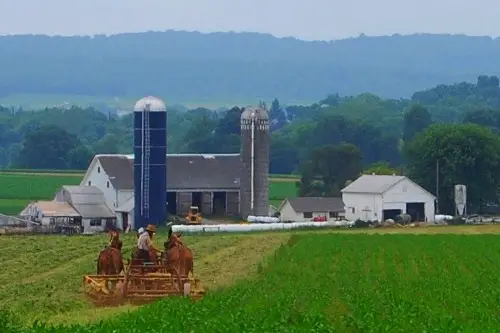
Lancaster County is one of the most well-known centers of Amish life in the United States. Horse-drawn buggies share the road with cars, and many farms still rely on manual labor rather than modern machinery. Daily routines are shaped by daylight, seasons, and community traditions instead of digital schedules. It creates a pace that feels deliberately slower and more grounded.
Shops often close earlier than in nearby cities, and Sundays are reserved for rest and worship. Technology is limited by design, which changes how people communicate and work. Neighbors rely heavily on one another rather than outside services. For visitors, it feels like stepping into a rhythm that prioritizes continuity over convenience.
This post American Places Where Daily Life Still Follows an Older Rhythm was first published on American Charm.