
1. Watching the Sunset Without Multitasking
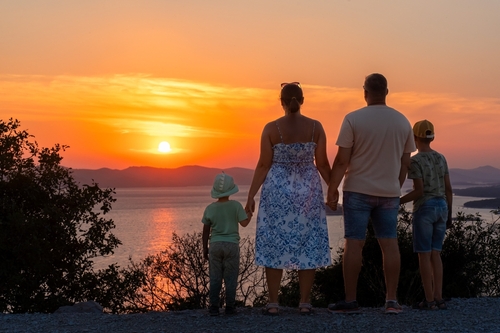
There was a time when people would actually pause to watch the sky change colors at the end of the day. No phones, no photos, just sitting still and taking it in. It was a built-in transition between work and rest. The slow fade from light to dark gave your brain a natural way to wind down.
Now sunsets often happen in the background while we scroll or rush to the next task. Even when the sky is incredible, it’s easy to treat it like scenery instead of an experience. That small moment of stillness has quietly disappeared from many routines. It’s a simple pleasure that requires nothing but attention, which is exactly what’s hardest to give.
2. Writing Letters by Hand

Handwritten letters used to be a normal way to stay in touch with friends and family. People took time to choose their words carefully because there was no instant “undo” button. The physical act of writing made communication feel more intentional. Receiving a letter felt personal in a way texts rarely do.
Today, most communication is fast, brief, and digital. Even meaningful messages are often typed and sent within seconds. The slower pace of letter writing has largely faded out of daily life. What remains is a rare novelty rather than a habit.
3. Taking Long, Aimless Walks
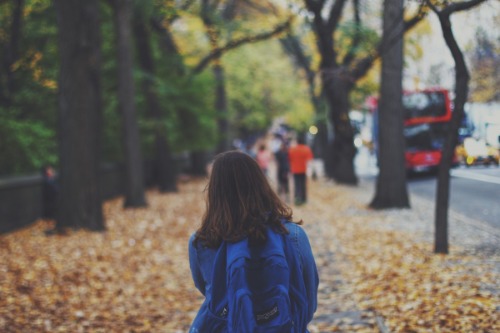
Walking used to be something people did without a strict purpose. You’d head out just to move, think, or see what was happening around you. Neighborhoods were explored at a slower, more observant pace. The experience was as important as the destination.
Now walks are often tracked, timed, or skipped altogether. Fitness apps can turn a simple stroll into a performance metric. Busy schedules make unstructured time feel indulgent. The idea of wandering without a goal has become less common.
4. Sitting on the Porch and Talking

Front porches were once social hubs where conversations unfolded naturally. Neighbors stopped by, and chats stretched without anyone watching the clock. It was a casual, low-effort way to stay connected. You didn’t need to plan anything in advance.
Modern life has shifted socializing indoors or online. Many homes aren’t designed around shared outdoor spaces anymore. Conversations are more likely to be scheduled than spontaneous. That easy, in-between social time has mostly faded.
5. Listening to a Full Album Start to Finish

Music used to be experienced in complete albums rather than shuffled playlists. Artists structured track lists to create a specific flow and story. Sitting down to listen all the way through was part of the enjoyment. It encouraged patience and deeper attention.
Streaming has made skipping songs effortless and constant. Many listeners jump between tracks instead of staying with one body of work. The idea of dedicating time to a full album feels less natural. Something about the original listening experience gets lost.
6. Browsing a Bookstore Without a Goal
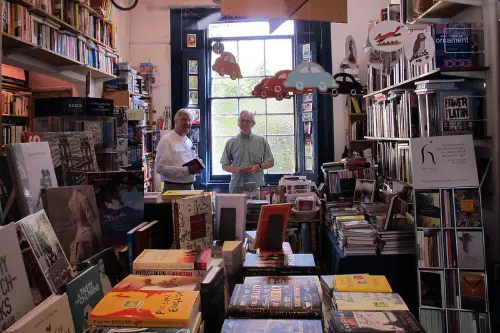
People once wandered bookstores just to see what they might discover. You picked up books based on covers, titles, or curiosity. The experience was slow and a little unpredictable. It often led to unexpected finds.
Online shopping has made book buying more targeted and efficient. Recommendations are algorithm-driven rather than accidental. Fewer people spend time just browsing shelves. The joy of stumbling onto something new has become less common.
7. Cooking a Meal Without Rushing

Cooking used to be a slower, more deliberate part of the day. Meals were prepared from scratch with time to taste, adjust, and experiment. It wasn’t always about efficiency. The process itself was part of the reward.
Now convenience foods and delivery apps fill that space. Many people cook while multitasking or trying to save time. The act becomes something to finish rather than enjoy. That slower rhythm in the kitchen is harder to find.
8. Daydreaming Without Distraction

Letting your mind wander used to happen naturally during quiet moments. Waiting in line, sitting on a bus, or lying on the grass gave space for imagination. These unstructured thoughts helped with creativity and reflection. They filled the gaps in the day.
Today, those gaps are often filled with screens. Even short pauses are quickly occupied by scrolling or checking notifications. The habit of doing nothing has been replaced by constant input. Daydreaming has become something you have to consciously allow.
9. Visiting Friends Without Scheduling It Weeks Ahead

Dropping by someone’s house used to be normal and expected. You could knock on the door and see if they were around. Visits were spontaneous and low-pressure. Plans didn’t always need to be formal.
Now calendars tend to fill up quickly. Social time is often arranged well in advance. Unannounced visits can feel intrusive rather than friendly. That easy spontaneity has largely disappeared.
10. Watching the Rain From a Window

Rainy days once invited people to slow down and simply watch. Sitting by a window and listening to the sound was enough. It created a natural pause in activity. The atmosphere encouraged stillness.
Now bad weather is often treated as an inconvenience to work around. People stay busy indoors with screens or tasks. The quiet mood of a rainy day is easy to ignore. A simple sensory experience gets overlooked.
11. Reading Without Checking Your Phone

Reading used to be a fully immersive activity. You could sit with a book for long stretches without interruption. The focus required helped you sink into the material. Time passed differently when you were fully engaged.
Now notifications and habits break that concentration. It’s common to pause every few minutes to check something else. Even short interruptions can pull you out of the experience. Deep, uninterrupted reading has become harder to maintain.
This post Simple Pleasures People Rarely Make Time For Anymore was first published on American Charm.

