
1. GPS Navigation Replaced Spatial Awareness
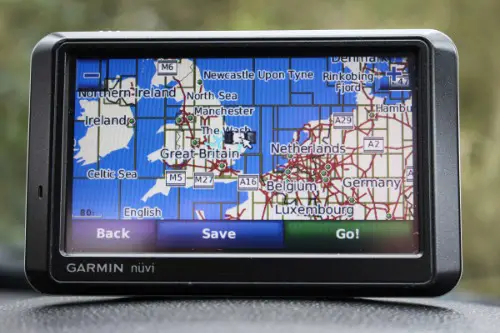
Getting turn-by-turn directions from a phone is undeniably convenient. Apps like Google Maps and Waze guide you in real time and reroute instantly if you miss a turn. That convenience means fewer people study routes or memorize landmarks before heading out. Over time, many drivers rely entirely on instructions rather than understanding where they are in relation to everything else.
The trade-off is a gradual loss of spatial awareness. People are less likely to remember how to get somewhere without assistance. Even familiar routes can feel unfamiliar without a digital guide. It’s a subtle shift, but it changes how we mentally map the world around us.
2. Streaming Replaced Shared Viewing Moments

Streaming platforms like Netflix and Hulu made entertainment available anytime. You no longer have to plan your evening around a TV schedule. Entire seasons drop at once, making binge-watching the norm. It’s flexible, personalized, and incredibly easy.
What faded is the shared cultural moment of watching something together in real time. People used to gather around weekly episodes and talk about them the next day. Now, everyone watches at their own pace. That common timeline has mostly disappeared.
3. Online Shopping Replaced Local Retail Habits

Ordering from Amazon or browsing eBay means you can get almost anything without leaving home. Two-day or even same-day shipping has become standard in many areas. It’s efficient and often cheaper than driving store to store. The convenience is hard to argue with.
The trade-off is less foot traffic for local shops and fewer spontaneous discoveries. Small businesses often struggle to compete with large-scale logistics and pricing. Shopping used to be a social and exploratory activity. Now, it’s often a quick transaction.
4. Food Delivery Replaced Cooking Routines
Apps like DoorDash and Uber Eats make it easy to have meals arrive at your door. You can scroll, tap, and wait without planning or prepping. It saves time on busy days and expands your options instantly. Restaurants you might never visit are suddenly accessible.
The downside is that fewer people cook regularly at home. Basic kitchen skills and meal planning habits can fade over time. Cooking used to be a daily routine that built confidence and independence. Now, it’s increasingly optional.
5. Autocorrect Changed How We Pay Attention to Spelling

Typing on smartphones is faster thanks to autocorrect and predictive text. Systems built into keyboards like iOS Keyboard quietly fix mistakes as you type. That means fewer interruptions and smoother communication. It’s especially helpful when typing quickly.
But it also means people rely less on remembering correct spelling. Errors get fixed automatically, so the learning loop weakens. Some words become harder to spell without assistance. The convenience shifts responsibility from memory to software.
6. Social Media Replaced Direct Communication

Platforms like Instagram and X make it easy to stay updated on people’s lives. You can check in without making a call or sending a message. It creates a constant sense of connection. Updates are quick, visual, and frequent.
The trade-off is fewer direct, meaningful conversations. Passive scrolling can replace active communication. Relationships may feel maintained without real interaction. It’s connection, but at a different depth.
7. Digital Payments Reduced Everyday Math
Paying with Apple Pay or Venmo removes the need to count cash. Transactions are fast and often frictionless. You don’t have to think about exact change or break bills. It’s efficient in nearly every situation.
The trade-off is less practice with mental math. Calculating totals, tips, or change used to be routine. Now, the system handles most of it automatically. That everyday reinforcement has largely disappeared.
8. Cloud Storage Replaced Personal Memory Habits
Services like Google Drive and iCloud store documents, photos, and notes instantly. You don’t have to remember where something is physically kept. Files are searchable and accessible from anywhere. It’s incredibly practical.
But it also changes how people remember information. Instead of recalling details, many remember where to find them. The brain shifts from storage to retrieval strategy. It’s efficient, but different from older memory habits.
9. Ride-Hailing Replaced Navigation Independence
Using Uber or Lyft means you don’t need to know how to get around a city. A driver handles the route while you sit back. It removes stress, especially in unfamiliar places. Transportation becomes on-demand.
The trade-off is less familiarity with local geography. People may visit cities without learning their layout at all. Navigation becomes someone else’s responsibility. Over time, that changes how confidently people move through new places.
10. Search Engines Replaced Deep Recall

Typing a question into Google Search provides instant answers. You don’t have to memorize facts or keep reference books nearby. Information is always just a few seconds away. It’s one of the most transformative conveniences of the internet age.
The trade-off is weaker long-term recall for certain kinds of information. People often remember that they can look something up rather than the answer itself. This “outsourcing” of memory is well documented. It’s efficient, but it changes how knowledge is retained.
11. Smart Home Devices Replaced Manual Awareness
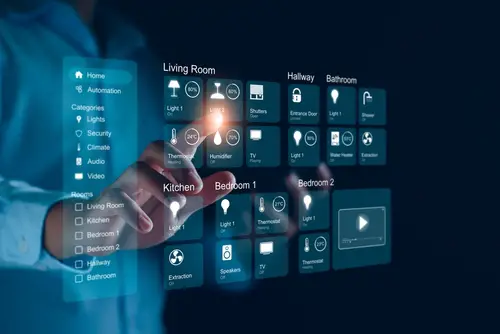
Devices like Amazon Echo and Google Nest Thermostat automate everyday tasks. Lights, temperature, and reminders adjust automatically. You can control your environment with voice commands. It reduces effort and saves time.
The trade-off is less direct engagement with your surroundings. People may become less aware of energy use or daily routines. Tasks that once required attention now happen in the background. It’s convenience, but with a quieter kind of detachment.
This post The Quiet Trade-Offs That Came With Modern Convenience was first published on American Charm.

