
1. Neighborhood Watch Signs
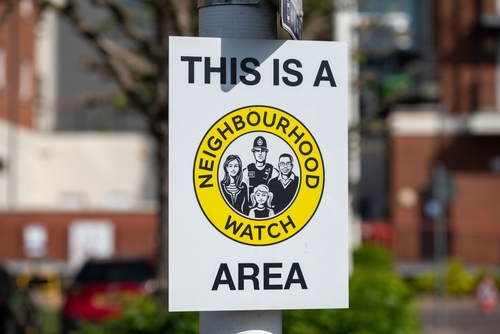
Neighborhood Watch programs became widespread in the 1970s and 80s. Signs signaled that residents looked out for one another. Participation required communication and coordination. Safety depended on collective awareness.
Even when activity slows, the signs often remain posted. They’re visual reminders of organized neighbor networks. Some communities still hold meetings and share updates. The concept reflects a time when vigilance was communal.
2. Front Porches Designed for Conversation
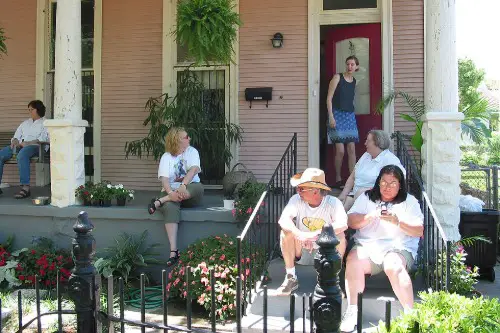
Older homes often featured wide front porches that practically invited people to sit outside and talk. Families would spend evenings there to catch breezes and greet anyone walking by. Neighbors stopped for casual chats without needing to schedule anything. The architecture itself encouraged community visibility and connection.
You can still see rocking chairs and porch swings in historic neighborhoods. Those spaces acted like semi-public living rooms for the block. They made spontaneous conversation part of daily life. Today, backyard decks and air conditioning have shifted social time out of view.
3. Corner Stores Where Everyone Knew Your Name
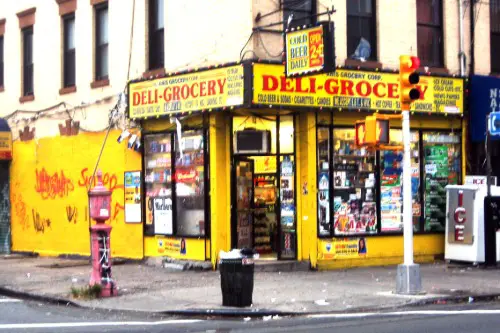
Small neighborhood markets once handled everyday essentials. Shop owners recognized regulars and asked about their families. Buying milk or bread often came with a brief conversation. These stores doubled as informal community hubs.
Large supermarkets and online shopping changed that routine. Transactions became faster but more anonymous. The few surviving corner stores still carry that personal touch. Familiar faces make errands feel more human.
4. Block Parties That Stopped Traffic
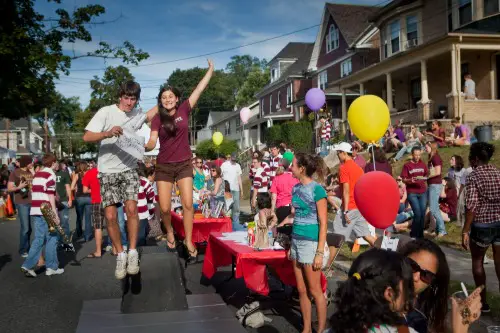
Neighborhood block parties used to be common summer traditions. Streets closed so residents could bring out grills, tables, and folding chairs. Music, shared food, and games filled the space normally reserved for cars. Everyone on the block had a reason to mingle.
These gatherings helped neighbors put names to faces. New residents felt welcomed almost immediately. Many cities still allow block party permits, though participation varies. When they happen, they recreate that older sense of togetherness.
5. Community Bulletin Boards
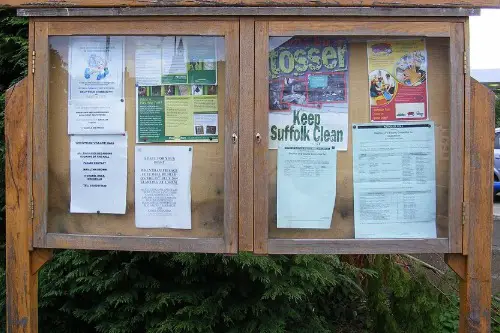
Physical bulletin boards once carried local life in paper form. Flyers advertised yard sales, lost pets, tutoring, and town meetings. You learned what was happening just by walking past. Information traveled at eye level.
Libraries, laundromats, and cafés often hosted these boards. They reflected hyperlocal needs and voices. Social media replaced much of that function. Still, surviving boards feel like snapshots of shared space.
6. Local PTA and Civic Club Meetings
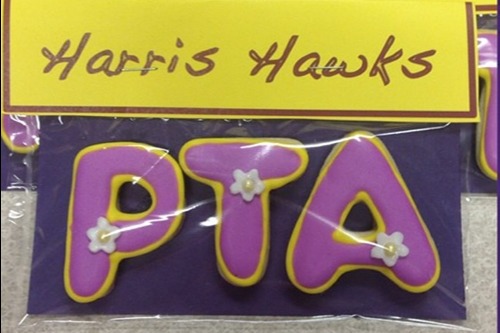
Parent-teacher associations and civic clubs once drew steady in-person attendance. Parents met regularly and built friendships while supporting schools. Service groups organized cleanups, parades, and fundraisers. Participation tied people to their neighborhoods.
Busy schedules and digital coordination reduced turnout in many places. Meetings that once filled rooms now stream online. Where attendance remains strong, the sense of ownership is noticeable. Shared responsibility builds stronger neighbor ties.
7. Shared Laundry Rooms
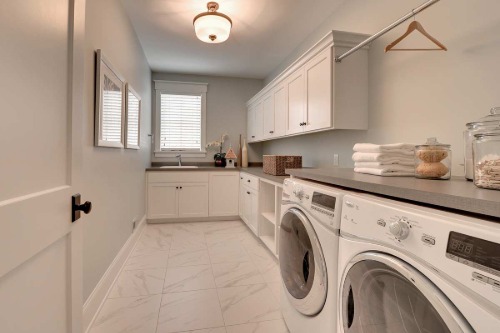
Apartment buildings commonly had shared basement or hallway laundry spaces. Residents bumped into each other during routine chores. Waiting for machines created small talk opportunities. Familiarity grew through repetition.
In-unit washers and dryers added convenience but reduced contact. Shared spaces slowly disappeared from newer buildings. Older complexes still preserve that social overlap. Mundane routines once doubled as connection points.
8. Little Free Libraries and Book Swaps
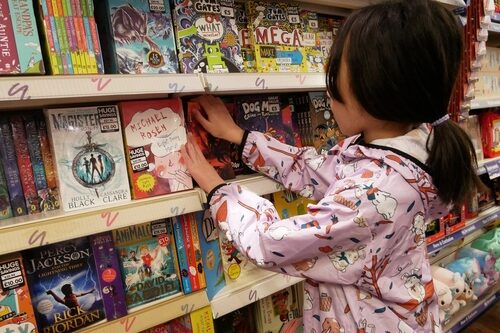
Small book-sharing boxes have popped up in neighborhoods across the country. Residents leave and take books freely without formal checkouts. The system runs on trust and quiet cooperation. It’s a modern echo of shared community space.
These boxes often become conversation starters during walks. People notice what neighbors are reading and leave notes inside covers. The exchange feels personal despite being simple. It’s a small structure carrying a big social signal.
9. Youth Sports Leagues Run by Volunteers
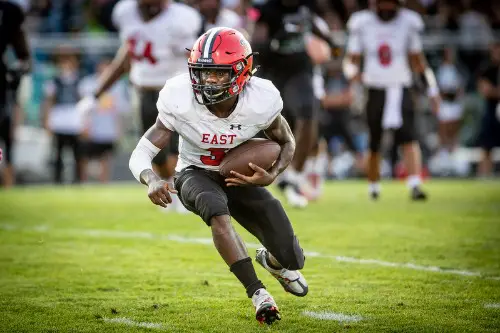
Local baseball, soccer, and basketball leagues once depended heavily on parent volunteers. Practices and games brought families together several times a week. Sidelines became social zones for adults. Kids built friendships across schools and blocks.
Professionalized clubs and travel teams changed that landscape. Participation can feel more transactional and less local. Community-run leagues still foster familiar faces and shared routines. The model thrives where neighbors stay involved.
10. Sidewalks That Actually Get Used
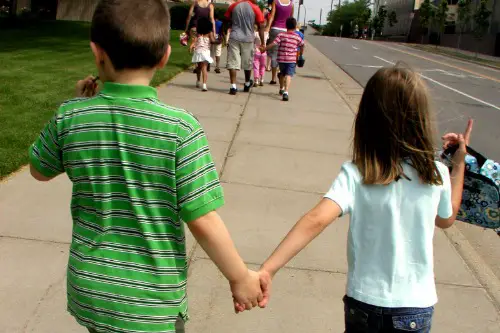
Mid-20th-century neighborhoods were built with sidewalks that connected homes, schools, and shops. Kids walked together in groups and adults ran errands on foot. Seeing the same faces daily made familiarity automatic. Casual encounters turned into real relationships.
In many suburbs now, sidewalks are sparse or rarely used. Car-centered design limits chance meetings. Where sidewalks remain active, you can still feel that older rhythm. Foot traffic quietly builds social trust.
11. Handwritten Holiday Cards in Mailboxes

Holiday cards once arrived in stacks each December. Families sent handwritten notes and yearly updates. Receiving them felt personal and tangible. Mailboxes became small windows into neighbors’ lives.
Digital greetings and social media replaced much of that ritual. Physical cards are less common but more meaningful when they appear. Some neighbors still exchange them door to door. The tradition lingers as a quieter form of connection.
This post The Lingering Traces of a Time When Neighbors Knew Each Other Better was first published on American Charm.

