1. Nicodemus, Kansas
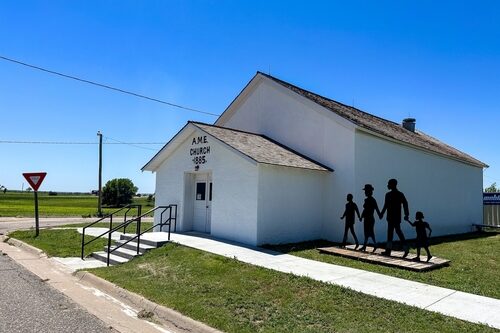
Nicodemus tells a powerful story about freedom and determination after the Civil War. Founded in 1877, it was one of the oldest all-Black towns west of the Mississippi River. Formerly enslaved families moved there during the Exoduster migration seeking land and autonomy. The town represented self-governance at a time when opportunities were severely limited.
Life on the plains proved harder than many settlers expected. Railroad routes bypassed the town, slowing growth and economic opportunity. A small population remains, and several historic buildings still stand. It’s now a National Historic Site that preserves a rarely highlighted frontier narrative.
2. Cahawba, Alabama
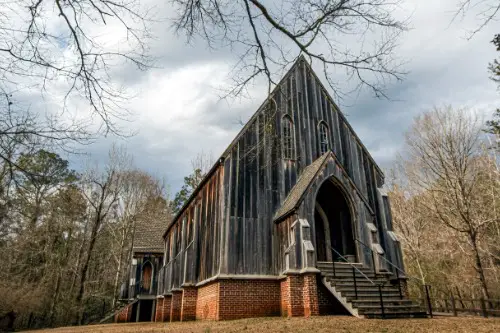
Cahawba doesn’t look like a place that once ran a state, but it did. It served as Alabama’s first permanent state capital from 1820 to 1826. Its riverfront location made it a busy cotton shipping and political center in the early 19th century. Lawmakers expected it to anchor the state’s future.
Severe flooding and shifting transportation routes slowly undercut that promise. The capital moved, businesses followed, and residents drifted away. Today it’s an archaeological park with haunting brick ruins and overgrown streets. Walking there feels like discovering a political chapter most textbooks barely mention.
3. Centralia, Pennsylvania
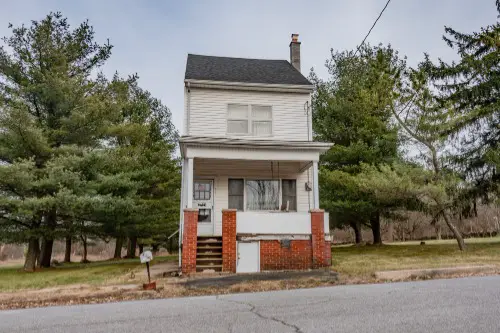
Centralia looks quiet now, but it holds one of America’s strangest industrial disasters. In 1962, a coal mine fire ignited beneath the town and spread through underground seams. The fire continues to burn today, making the ground unstable and air unsafe. Officials eventually relocated most residents through federal programs.
Nearly all buildings were demolished, leaving empty streets and open land. A handful of residents remained for years, creating a nearly abandoned municipality. The story reshapes how people think about mining towns and environmental risk. It’s history you can literally see steaming from the earth.
4. Pullman, Illinois
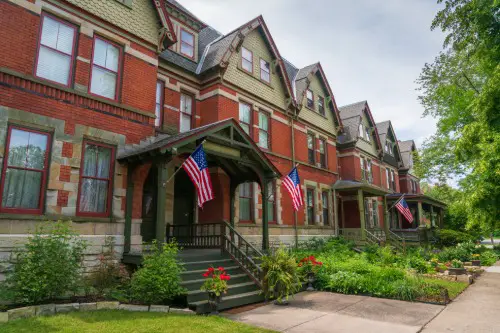
Pullman was built in the 1880s as a model company town by railcar magnate George Pullman. Everything from housing to parks was carefully planned for factory workers. It was meant to prove industry and ideal living could coexist. The design attracted international attention.
That vision unraveled during the Pullman Strike of 1894. Workers protested wage cuts and high rents in company-owned housing. The conflict became a landmark moment in U.S. labor history. Today the preserved neighborhood shows both industrial ambition and worker resistance.
5. Manzanar, California
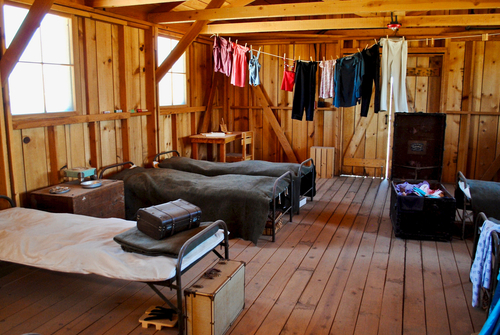
Manzanar sits in a stark valley that contrasts with its heavy history. During World War II, it was one of ten camps where Japanese Americans were forcibly incarcerated. More than 10,000 people lived there behind barbed wire. Families built schools, gardens, and newspapers despite confinement.
The site is now preserved as a National Historic Site. Reconstructed barracks and exhibits make the experience tangible. It highlights civil liberties violations often summarized too briefly in classrooms. Visiting makes the scale and humanity of the story unmistakable.
6. Harpers Ferry, West Virginia
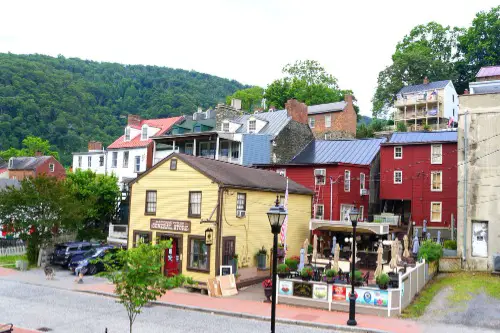
Harpers Ferry sits where the Potomac and Shenandoah Rivers meet. Its location made it a strategic industrial and military site in the 1800s. The federal armory there became a flashpoint in national tensions over slavery. In 1859, abolitionist John Brown launched his raid from this small town.
The event intensified sectional conflict before the Civil War. Later, the town changed hands multiple times during wartime campaigns. Today it’s a compact place layered with national turning points. Its quiet streets carry outsized historical weight.
7. St. Augustine, Florida
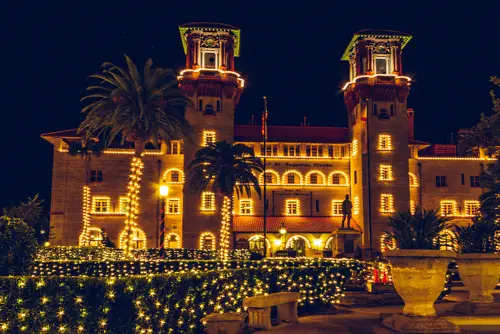
St. Augustine predates the English colonies many people learn about first. Founded by Spain in 1565, it’s the oldest continuously inhabited European-established settlement in the continental U.S. Spanish fortifications and colonial streets remain central to the city. It reflects centuries of imperial rivalry and cultural blending.
The city also played roles in civil rights activism during the 1960s. Demonstrations there helped push national attention toward segregation. Layers of history overlap in a walkable area. It broadens the timeline most Americans picture.
8. Deadwood, South Dakota
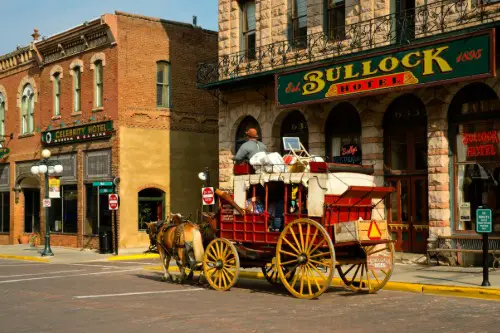
Deadwood sprang to life during the Black Hills gold rush of the 1870s. Prospectors and entrepreneurs flooded in chasing mineral wealth. Law enforcement lagged behind explosive growth. Figures like Wild Bill Hickok became part of frontier legend there.
The town’s early years reveal the messy realities behind Western myths. Mining wealth shaped rapid booms and equally fast busts. Preservation efforts now protect its historic core. It offers a grounded look at life beyond Hollywood Westerns.
9. Bisbee, Arizona
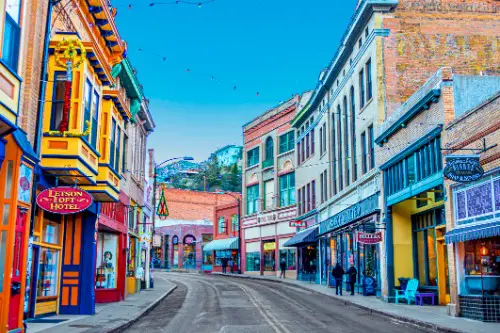
Bisbee began as a booming copper mining town in the late 1800s. Its steep hills filled with tightly packed homes and industrial sites. Immigrant workers from around the world shaped its culture and labor force. The town became one of the richest mineral producers in the region.
In 1917, Bisbee was the site of a controversial labor deportation. Striking miners were rounded up and forcibly removed by vigilantes. The episode remains a stark example of labor conflict and civil rights issues. Today, Bisbee’s preserved streets reflect both prosperity and tension.
10. Lowell, Massachusetts
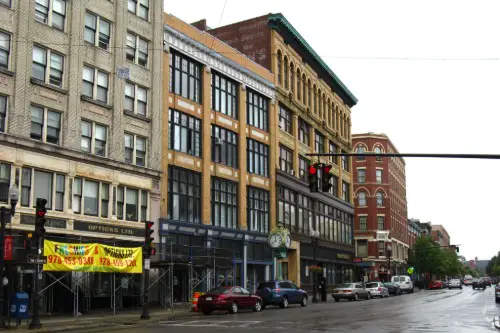
Lowell became a powerhouse of the early American Industrial Revolution. Textile mills lined its canals, powered by controlled river systems. Young women known as “mill girls” formed a large part of the workforce. Their labor and activism shaped early worker reform movements.
The city pioneered large-scale factory production in the U.S. Corporate planning influenced housing and daily life. Economic shifts later reduced industrial dominance. Preserved mills now interpret the birth of modern manufacturing.
11. Eureka Springs, Arkansas
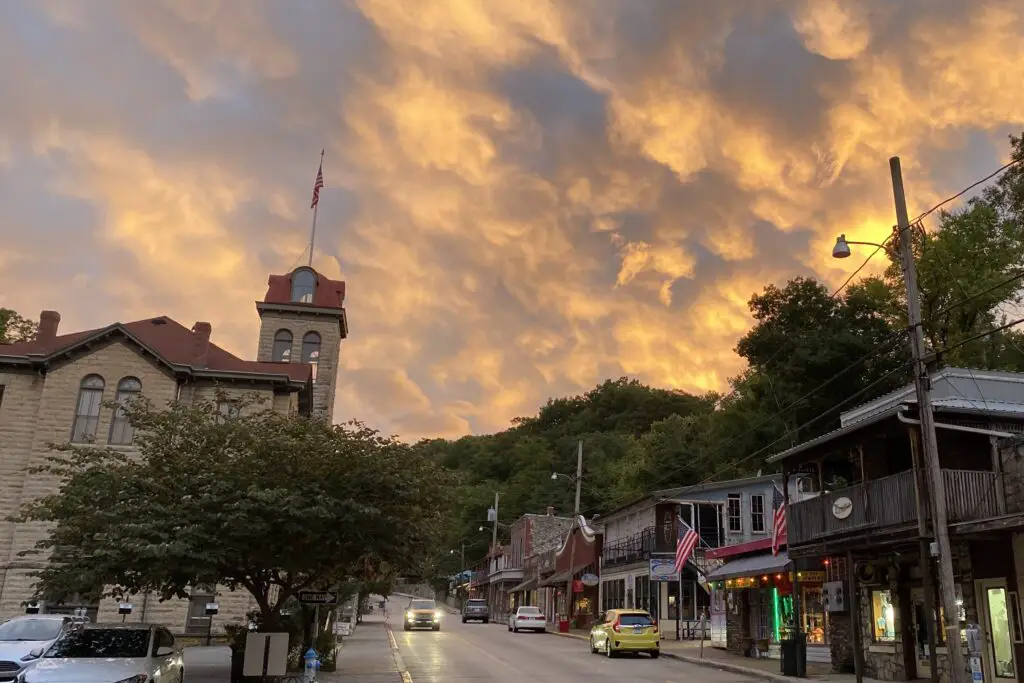
Eureka Springs grew around natural springs believed to have healing powers. Victorian-era tourism turned it into a health resort destination. The entire downtown clings dramatically to steep Ozark hillsides. Streets curve and stair-step in unusual ways.
The town developed without a standard grid system. Its architecture reflects late-19th-century resort culture. Preservation kept much of that atmosphere intact. It shows how health fads once shaped American travel.
12. Portsmouth, New Hampshire
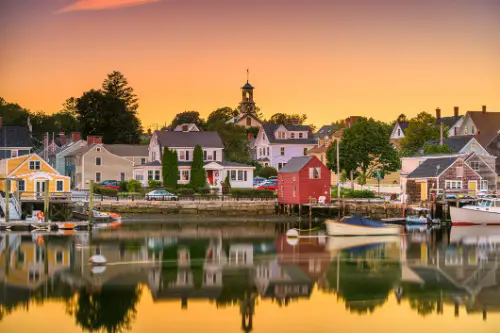
Portsmouth was a key Atlantic port in colonial America. Shipbuilding and trade drove early prosperity. Its waterfront connected New England to global commerce. Elegant homes reflected merchant wealth.
The town also hosted one of the earliest naval shipyards in the country. Military industry shaped its long-term identity. Preserved buildings span centuries of architecture. It reveals maritime history beyond bigger port cities.
13. Natchitoches, Louisiana
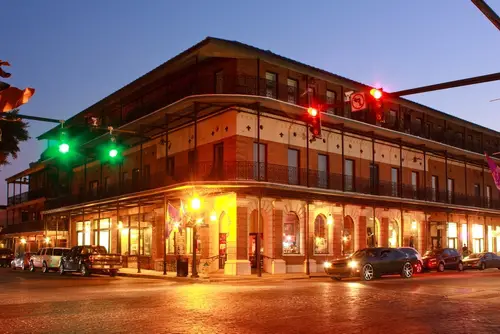
Natchitoches is the oldest permanent European settlement in Louisiana. Founded by the French in 1714, it predates many better-known cities in the region. Creole architecture and river trade shaped its development. Cultural blending defines its identity.
Plantation economies and frontier diplomacy influenced its growth. Historic districts preserve French and Spanish colonial influences. Festivals and cuisine reflect layered heritage. It adds depth to the story of the Gulf South.
14. Astoria, Oregon
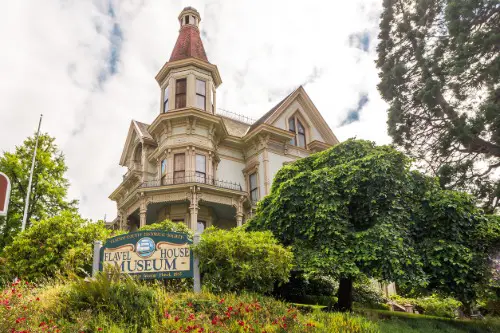
Astoria sits near the mouth of the Columbia River and played a key role in early Pacific trade. It was founded in 1811 as a fur trading post backed by John Jacob Astor’s company. Maritime industries and salmon canneries later fueled growth. Its hillside streets overlook one of the West Coast’s most strategic waterways.
The town reflects early American expansion into the Pacific Northwest. Immigrant communities shaped fishing and shipping culture. Preserved Victorian homes trace waves of prosperity. It’s a window into coastal frontier history that’s often overshadowed by larger cities.
This post Overlooked Towns That Reveal a Different Side of American History was first published on American Charm.