
1. Galena, Illinois
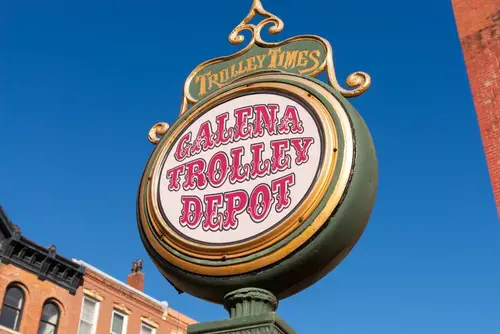
Galena’s Main Street feels like the 1800s never quite left. The downtown is lined with preserved red-brick Italianate buildings from the mid-19th century. Storefronts sit shoulder to shoulder along a gently curving street near the Galena River. Even modern shops operate behind historic facades that keep the visual rhythm intact.
The town avoided large-scale redevelopment that changed many similar river cities. Strict preservation efforts protect architectural details and signage styles. Walking there feels more like a living museum than a modern retail strip. It’s easy to picture steamboat-era commerce unfolding outside the same windows.
2. Deadwood, South Dakota
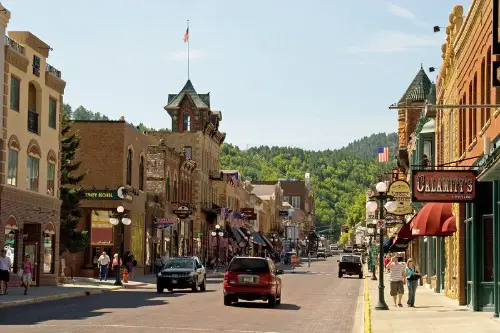
Deadwood’s Main Street still leans hard into its late-1800s gold rush identity. False-front buildings, saloons, and wooden boardwalks define the streetscape. Historic preservation rules keep renovations visually consistent with frontier-era architecture. Even the street layout mirrors its boomtown origins.
Tourism replaced mining, but the setting barely changed. Costumed reenactors and restored interiors reinforce the time-capsule effect. Neon is minimal and modern chain stores are largely absent. It feels like the Wild West with Wi-Fi tucked quietly inside.
3. Virginia City, Nevada
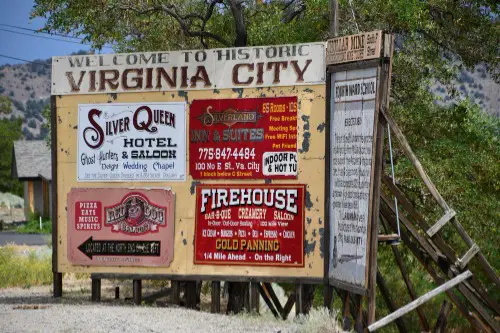
Virginia City looks frozen in its silver mining heyday of the 1860s and 1870s. Wooden sidewalks and weathered storefronts stretch along the hillside. Many original structures survived fires and economic decline. The overall look remains unmistakably Old West.
Preservation became the town’s economic strategy after mining faded. Museums, saloons, and historic hotels occupy restored buildings. Commercial signage stays period-appropriate rather than flashy. The result is a main street that feels staged by history itself.
4. Cape May, New Jersey
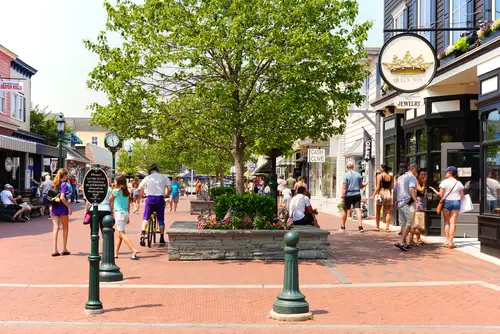
Cape May’s downtown channels the Victorian seaside era. Colorful gingerbread trim and ornate porches line the streets near the shore. Many buildings date to the late 1800s rebuilding period after a major fire. The architecture creates a cohesive 19th-century resort atmosphere.
Local regulations encourage preservation over modernization. Boutique inns and shops operate inside historic homes. Even new construction follows Victorian design cues. Strolling the area feels like a summer postcard from another century.
5. Natchitoches, Louisiana
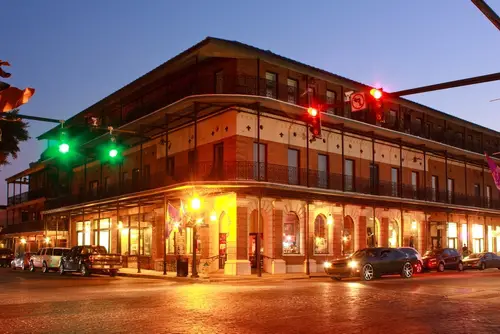
Natchitoches has one of the oldest downtown districts in the Louisiana Purchase territory. Brick streets and wrought-iron balconies frame the riverfront. French Creole and early American influences blend across preserved storefronts. The street plan reflects its 18th-century origins.
Modern businesses operate within carefully maintained historic shells. Preservation programs protect materials and exterior details. Horse-drawn carriage tours still roll through downtown. The ambiance feels closer to the early 1900s than today.
6. Jim Thorpe, Pennsylvania
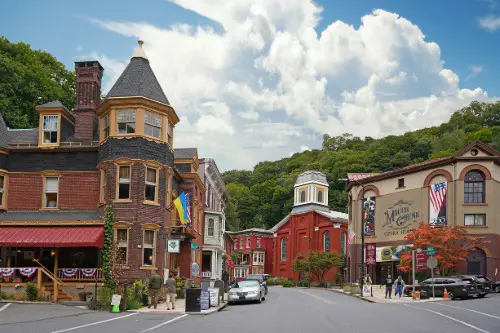
Jim Thorpe’s steep, narrow streets feel like a preserved coal-era mountain town. Victorian and Second Empire buildings stack dramatically along the hillside. The compact layout predates modern car-centered planning. Historic architecture dominates nearly every block.
Adaptive reuse kept old buildings active instead of replacing them. Inns, cafes, and galleries fill former industrial-era structures. Overhead wires and tight sidewalks enhance the old-world feel. It’s easy to forget what decade you’re actually in.
7. Port Townsend, Washington
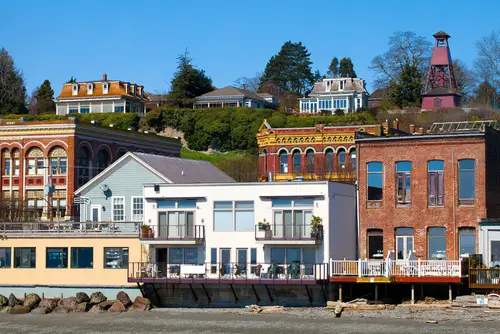
Port Townsend preserves the look of a prosperous 1890s seaport. Elaborate Victorian commercial blocks face the waterfront. Brickwork, cornices, and tall windows remain largely intact. The skyline feels untouched by modern high-rises.
Economic slowdowns in the early 20th century limited redevelopment. That pause accidentally protected historic architecture. Today, preservation drives tourism and civic identity. The main street still reads like a maritime boomtown snapshot.
8. Bisbee, Arizona
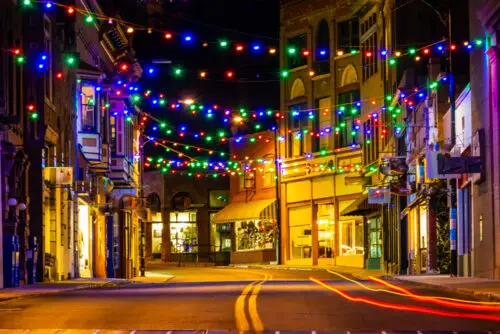
Bisbee’s downtown reflects its copper mining boom of the early 1900s. Buildings cling to canyon walls along winding streets. Art Deco and Victorian storefronts mix in a tight footprint. The terrain prevented large-scale modern redesign.
When mining declined, large developers mostly stayed away. Artists and small businesses reused existing spaces. Hand-painted signs and vintage details remain visible. The district feels like a preserved industrial-era enclave.
9. Eureka Springs, Arkansas
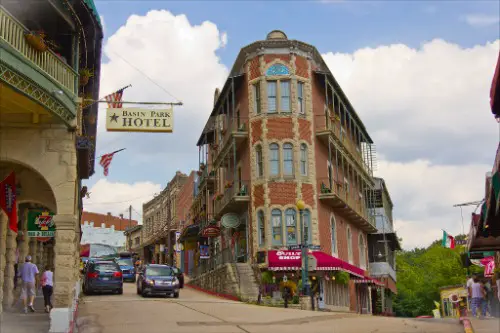
Eureka Springs grew as a Victorian spa town in the late 19th century. Its entire downtown sits on a winding mountain street grid. Stone buildings and ornate facades hug narrow sidewalks. The town never adopted conventional grid planning.
Preservation laws protect its historic district extensively. Chain development is limited by geography and policy. Trolley buses replace large modern transit systems. The result feels like a preserved resort town from another era.
10. Mackinac Island, Michigan
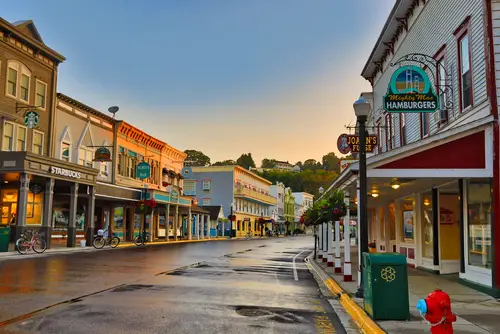
Mackinac Island’s main street looks like the late 1800s resort era by design. Most motor vehicles are banned across the island. Horse-drawn carriages and bicycles dominate the roads. Victorian storefronts face the waterfront in a continuous historic row.
The absence of cars changes how the street feels and sounds. Grand hotels and small shops maintain period architecture. Modern signage is subtle and regulated. Time seems to slow to the pace of hoofbeats.
11. St. Augustine, Florida
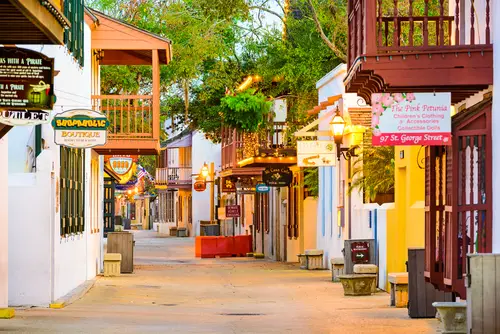
St. Augustine’s historic core reflects centuries of Spanish and colonial influence. Narrow lanes and stone buildings define the old town grid. Many structures date back to the 18th and 19th centuries. The street layout predates modern urban planning norms.
Strict preservation maintains historic materials and scale. Tourist shops operate inside centuries-old buildings. Forts and colonial landmarks anchor the streetscape. The environment feels closer to colonial America than contemporary suburbia.
12. Leavenworth, Washington
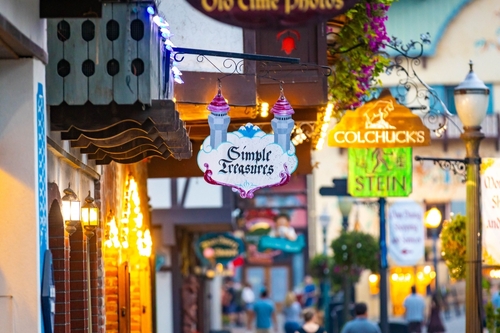
Leavenworth deliberately redesigned its downtown in a Bavarian alpine style. Themed architecture transformed the business district in the 1960s. Timber framing, murals, and decorative trim dominate storefronts. The cohesive design creates a European village illusion.
Zoning rules maintain the theme across renovations and signage. Festivals and storefront details reinforce the aesthetic year-round. Chain brands adapt their facades to match the look. The street feels transported to another place and time.
13. Harpers Ferry, West Virginia
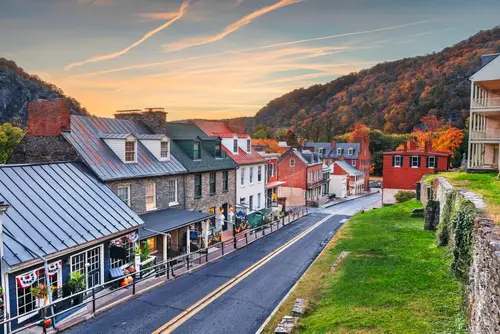
Harpers Ferry’s lower town preserves its 19th-century industrial and Civil War-era setting. Brick streets and stone buildings sit at the meeting of two rivers. Much of the area is protected within a national historical park. Modern development is tightly restricted.
Museums and exhibits occupy restored historic structures. Street lighting and signage stay visually subdued. The terrain and preservation limits prevent large modern builds. Walking the main street feels like stepping into a history book.
This post American Main Streets That Still Look Like Another Decade was first published on American Charm.

