
1. Coin-Operated Public Scales
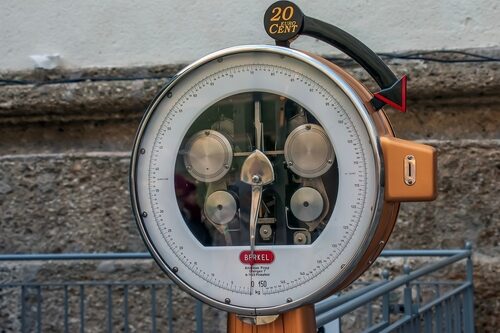
Large mechanical scales once stood in pharmacies, stations, and sidewalks. You stepped on, dropped a coin, and got your weight on a printed card. It was quick, anonymous, and oddly entertaining. Some cards even offered fortune-style messages.
Home scales and digital health devices replaced the need. Floor space became more valuable for retail displays. Maintenance of coin machines declined. The once-familiar machines largely vanished from public view.
2. Public Phone Books
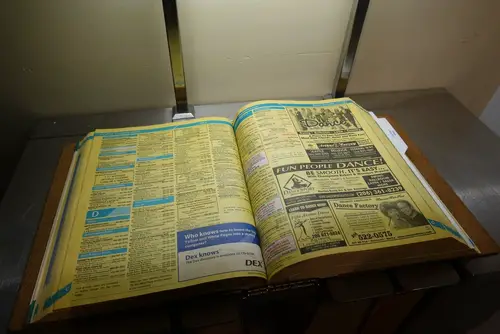
Thick phone books used to land on doorsteps every year without fail. They listed residential and business numbers in massive alphabetical directories. Need a plumber or a pizza place? You flipped pages, not apps.
As online search replaced printed listings, distribution shrank fast. Many cities stopped automatic delivery altogether. Printing and delivery costs no longer made sense. The once-ubiquitous books are now rare or fully discontinued.
3. Bank Drive-Up Teller Windows
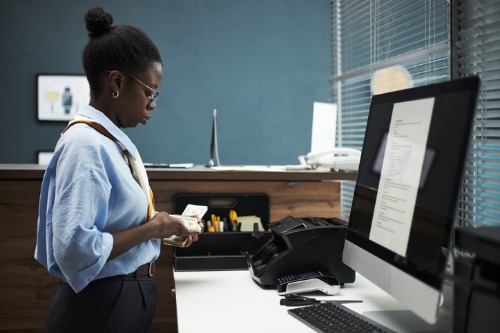
Banks once featured drive-up lanes staffed by human tellers. You could cash checks, make deposits, and ask questions without leaving your car. Pneumatic tubes carried paperwork back and forth in a satisfying whoosh. It felt efficient and personal at the same time.
ATMs and mobile banking gradually replaced most of that interaction. Maintaining staffed lanes became expensive for many branches. Some banks removed them during renovations or closures. The human version of drive-up banking is now uncommon.
4. Full-Service Gas Stations
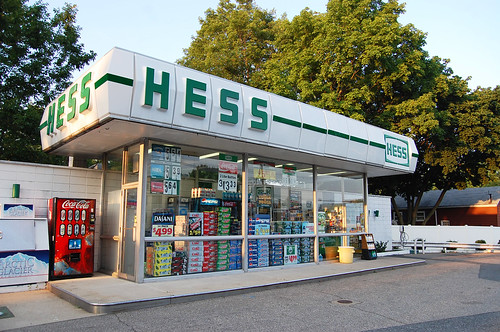
Pulling into a gas station used to mean staying in your car. An attendant pumped fuel, checked oil, and sometimes cleaned your windshield. It was standard service in most states for decades. Drivers expected help as part of the experience.
Self-service became cheaper and faster for station owners. Most states phased out mandatory full-service models. Today, only a few places still require attendants statewide. The old routine survives mostly as a specialty option.
5. Public Water Fountains Everywhere
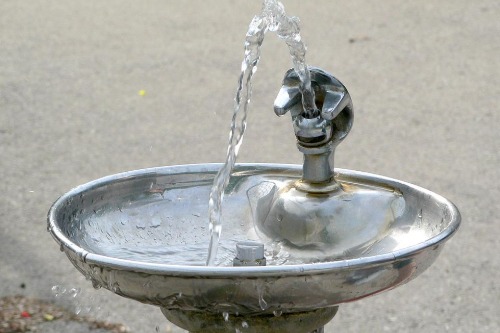
Public drinking fountains were once standard in schools, parks, malls, and transit stations. Refilling your water didn’t require buying anything. Long days out came with easy hydration stops. It was an assumed part of public infrastructure.
Maintenance concerns and bottled water culture changed that. Some facilities removed fountains rather than upgrade them. Others replaced them with bottle-filling stations only. Free public water is less universally available than it once was.
6. Department Store Gift Wrapping Counters

Major department stores used to offer complimentary gift wrapping. During holidays, dedicated counters handled ribbons, boxes, and presentation. Shoppers could finish everything in one stop. It felt like a thoughtful extra service.
Cost-cutting and staffing reductions trimmed those perks. Many stores eliminated wrapping stations outside peak seasons. Some charge fees or stopped entirely. The convenience quietly disappeared from everyday shopping.
7. Public Lockers in Transit Stations
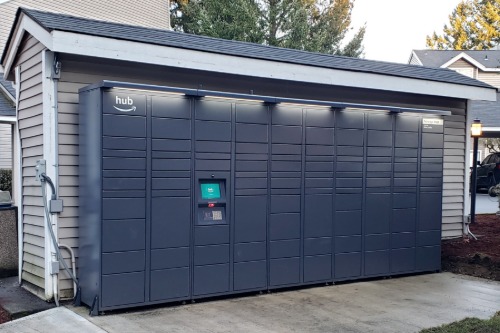
Train and bus terminals once offered coin-operated lockers for travelers. You could safely stash luggage while exploring a city. It made long layovers and early arrivals easier to manage. The service supported flexible travel plans.
Security concerns led many facilities to remove them. Unattended storage became harder to monitor. Some stations replaced lockers with staffed storage rooms. Others eliminated the option completely.
8. Printed Transit Schedules at Stops
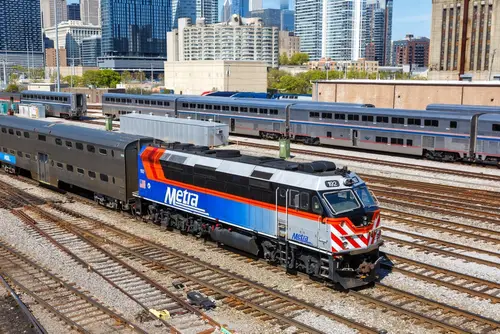
Bus and train stops once displayed full printed schedules and route maps. Riders could plan trips without phones or data access. Timetables were posted clearly inside shelters and kiosks. It supported spontaneous travel decisions.
Real-time tracking apps reduced reliance on printed materials. Agencies cut printing and maintenance costs. Some stops now show only minimal route numbers. Planning increasingly assumes smartphone access.
9. Photo Booths in Malls
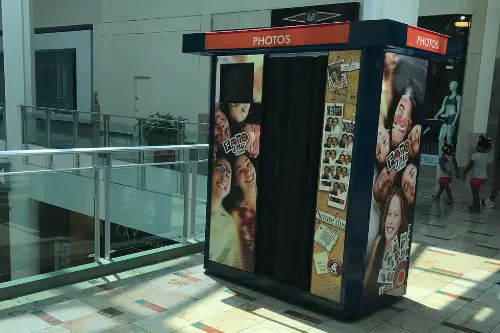
Enclosed photo booths were a staple of shopping malls and arcades. Friends squeezed inside to take instant photo strips. It was affordable, fun, and required no special equipment. The prints became keepsakes taped to lockers and mirrors.
Smartphone cameras replaced the novelty and convenience. Mall foot traffic declined in many regions. Booths became harder to maintain profitably. Today, they appear mostly in specialty venues or tourist areas.
10. Public Ashtrays and Smoking Areas

Public buildings once included designated indoor smoking sections. Airports, restaurants, and offices installed ashtrays and ventilation zones. Smokers expected clearly marked spaces. The setup reflected different public health norms.
Smoking bans expanded across states and municipalities. Indoor areas were removed to improve air quality. Many outdoor ashtray stations disappeared too. Dedicated public smoking spaces are far less common now.
11. Payphones on Street Corners
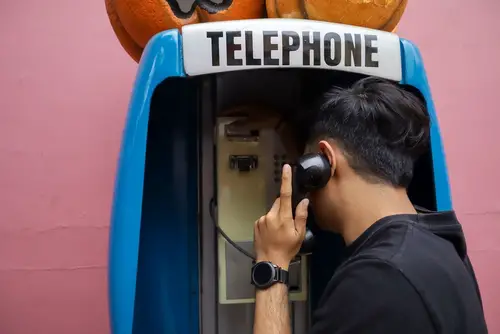
There was a time when nearly every busy intersection had a public payphone booth. Travelers, teenagers, and anyone away from home relied on coins and calling cards to check in. If your car broke down or plans changed, a payphone was your lifeline. You didn’t need a personal device to stay reachable.
Mobile phones made them less profitable and far less necessary. Phone companies steadily removed booths through the 2000s and 2010s. Today, spotting one feels like finding a relic from another era. Many younger people have never used one at all.
This post Public Conveniences People Used to Rely On That Barely Exist Now was first published on American Charm.

