1. Sidewalks Shaded by Mature, Arching Trees
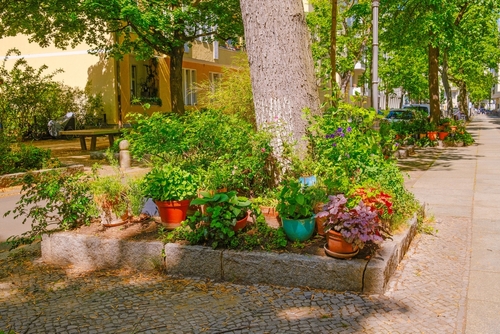
One of the first things you notice is the canopy. Older neighborhoods tend to have large, mature trees that were planted generations ago and have had decades to grow. Their branches stretch over the street and sidewalks, creating natural tunnels of shade. In newer developments, landscaping usually hasn’t had time to reach that scale.
These trees weren’t just decorative, they were part of early urban planning for comfort and walkability. Species like American elm, oak, and maple were commonly planted along residential streets in the late 19th and early 20th centuries. The roots often push up sections of sidewalk, creating uneven slabs that hint at age. That slightly rumpled pavement is a quiet sign you’re somewhere established.
2. Narrow Streets and Tight Lot Lines
Older neighborhoods were designed before cars dominated daily life. Streets were narrower because planners prioritized walkability and compact living. Homes sit closer together, often with modest front yards and smaller setbacks. The result feels denser and more intimate than modern subdivisions.
These layouts reflect eras when land was used efficiently and people relied on streetcars or walking. On-street parking can feel snug because garages were rare or added later. Corners are tighter and intersections come quickly. The rhythm of the blocks encourages strolling instead of speeding through.
3. Detached Garages Tucked Behind Homes
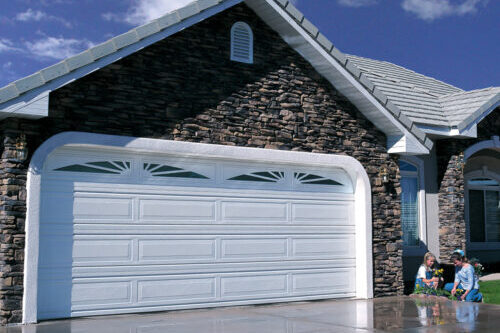
If garages exist, they’re often in the back. Many older homes were built before car ownership became widespread, so garages weren’t central to the design. When cars became common, small detached garages were added off alleys. You’ll often spot them peeking out behind fences or gardens.
Rear alleys are a strong clue you’re in an older part of town. They were designed for deliveries, trash pickup, and service access. This kept the main streets cleaner and more pedestrian-friendly. Modern neighborhoods rarely include alley networks like these.
4. Architectural Details You Don’t See Anymore
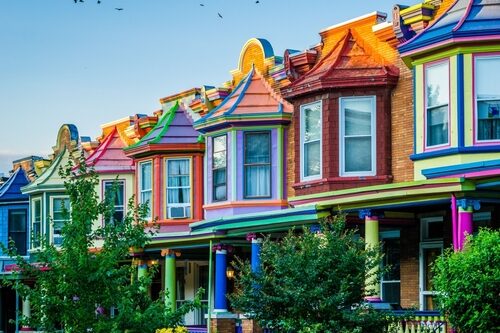
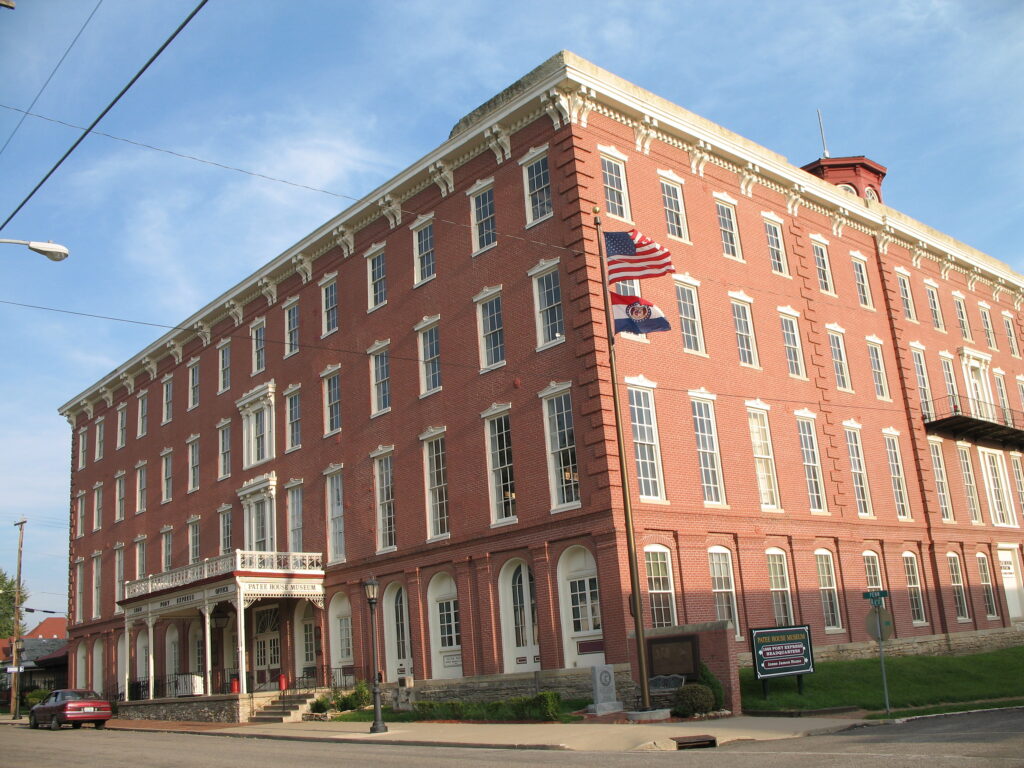
Look closely at the buildings and you’ll notice craftsmanship that feels different. Decorative brickwork, carved stone lintels, stained glass accents, and ornate wood trim were common before mass production simplified homebuilding. Porches have turned spindles and detailed railings instead of minimal designs. Even small apartment buildings often feature stylistic flourishes.
These details reflect popular styles like Victorian, Craftsman, Colonial Revival, and early Art Deco. Builders emphasized character and durability over speed. Materials were often locally sourced and labor-intensive. The result is a streetscape that feels textured and personal.
5. Mixed-Use Corner Stores and Small Commercial Buildings
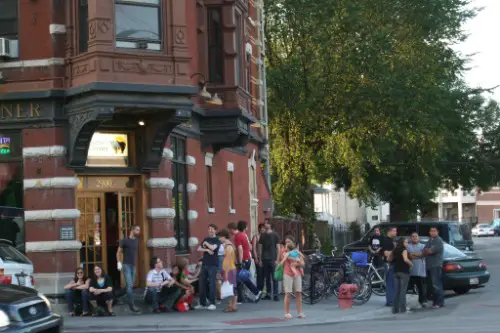
Older neighborhoods were built around daily convenience. Small grocery stores, pharmacies, or bakeries often sit right on residential corners. These buildings usually have large front windows and apartments above the shop space. They reflect a time before strict single-use zoning became common.
Residents could walk a few minutes to pick up essentials. The storefront scale feels smaller and more integrated into neighborhood life. Even if the businesses have changed, the building shapes remain recognizable. It’s a subtle reminder of pre-car community design.
6. Historic Streetlights and Utility Details

Streetlights can quietly reveal a neighborhood’s age. Older districts often retain decorative cast-iron lamp posts or early 20th-century designs. Even when retrofitted with modern bulbs, the silhouettes remain distinctive. Utility poles may also look older and more densely wired.
Fire hydrants sometimes have heavier, vintage designs as well. Manhole covers may show historic municipal markings. These pieces of infrastructure last for decades and rarely get replaced all at once. They form a kind of hardware timeline embedded in the street.
7. Brick Streets or Cobblestone Patches
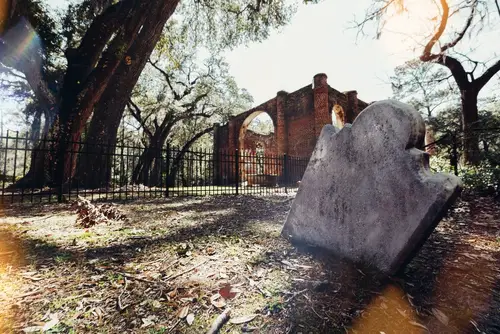
Modern roads are almost always asphalt, but older neighborhoods sometimes preserve earlier surfaces. Brick-paved streets were common in the late 1800s and early 1900s because they were durable and easier to maintain than dirt. Some cities later paved over them, but patches still appear during repairs. Cobblestones may show up near historic districts or waterfronts.
Driving or walking on them feels distinctly different. The texture and sound stand out immediately. These materials are expensive to install today, so they’re rarely used in new construction. Their survival usually signals deep local history.
8. Varied Home Styles on the Same Block
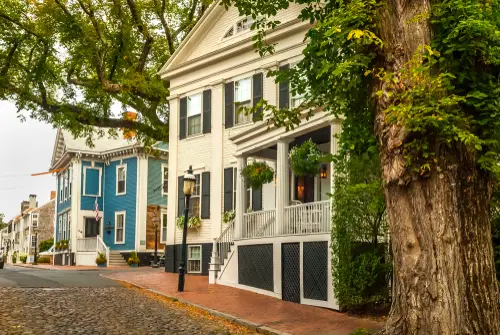
In newer subdivisions, homes often look nearly identical. Older neighborhoods grew gradually, so architectural styles changed over time. A single block might include Victorian houses, early bungalows, and mid-century additions. That visual variety tells a story of layered development.
Families built or renovated homes as trends evolved. Builders worked lot by lot rather than all at once. This organic growth creates a patchwork effect. It feels less uniform but more lived-in.
9. Walkable Layouts Centered Around Transit Lines
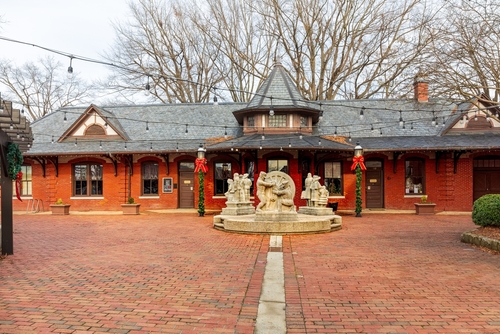
Older neighborhoods were often shaped by streetcar routes and train stops. Commercial strips and housing clusters formed within walking distance of transit. Blocks tend to connect in grids rather than winding cul-de-sacs. You can usually navigate without a car.
Streetcar suburbs from the late 19th and early 20th centuries still follow this pattern. Former rail corridors sometimes remain as linear parks or bike trails. Main streets align with where transit once ran. The layout reveals how people moved before highways dominated planning.
10. Smaller Closets and Compact Room Layouts

Step inside and the floor plans often feel different. Homes built before the mid-20th century didn’t prioritize large closets or open-concept designs. Storage was handled with armoires, cabinets, and built-ins. Rooms were more compartmentalized and purposeful.
Ceilings may be higher, but square footage is used differently. Hallways are narrower and staircases steeper. Bathrooms are sometimes smaller or added later. The interior layout reflects earlier lifestyle needs and building standards.
11. Established Neighborhood Institutions

Older neighborhoods usually have long-standing community anchors. Historic schools, churches, and corner parks have served residents for generations. Their architecture often matches the era of surrounding homes. Names and plaques may reference early civic leaders or founding dates.
These institutions helped shape neighborhood identity over decades. They were placed intentionally within walking distance of residents. Generations of families passed through the same buildings. That continuity leaves a visible imprint on the landscape.
This post Subtle Clues You’re Walking Through One of America’s Older Neighborhoods was first published on American Charm.