
1. Pay Phones on Street Corners
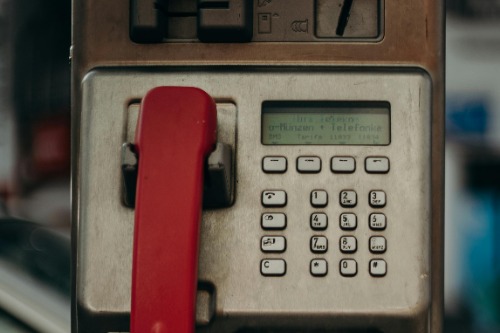
There was a time when a pay phone wasn’t background scenery. It was how you checked in with family, called for a ride, or handled an emergency away from home. People memorized phone numbers and carried coins just in case. A ringing pay phone could even prompt strangers to answer it for someone in need.
Now they’re mostly relics, often removed or left as urban leftovers. Mobile phones made them unnecessary for everyday communication. Seeing one today feels nostalgic rather than practical. What used to be essential infrastructure now reads like a museum piece.
2. Smoking Sections in Restaurants
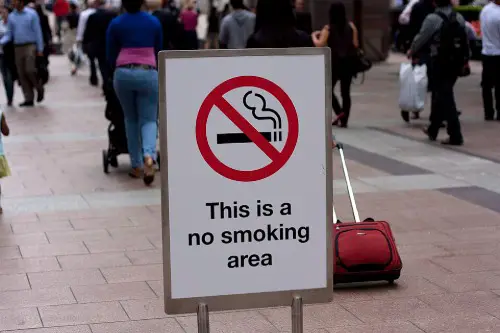
Restaurant “smoking or non-smoking?” used to be a standard greeting at the door. Entire dining rooms were divided to accommodate cigarette use indoors. Ashtrays sat on tables as routinely as salt and pepper shakers. The setup reflected how normal public smoking once was.
Public health research and clean air laws changed that landscape. Most states now prohibit indoor smoking in restaurants and workplaces. Younger diners may never have experienced a haze-filled dining room. The sign that once directed seating now marks a major cultural shift.
3. Film Projectors in School Classrooms
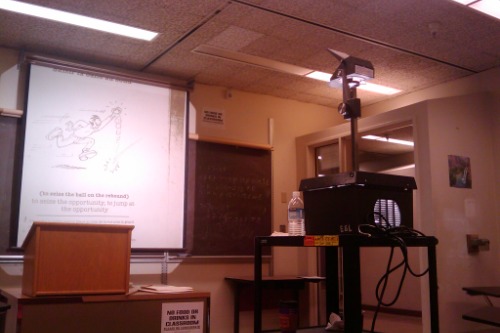
Rolling a TV cart into class used to feel like an event. Teachers threaded film reels or loaded transparencies for overhead projectors. The hum of equipment and dimmed lights signaled a different kind of lesson. Visual media required physical setup and careful handling.
Digital screens and streaming replaced most of that ritual. Lessons now launch with a click instead of mechanical prep. Many students have never seen film threaded through a projector. The old equipment signaled effort and planning that’s mostly invisible today.
4. Paper Road Maps at Gas Stations
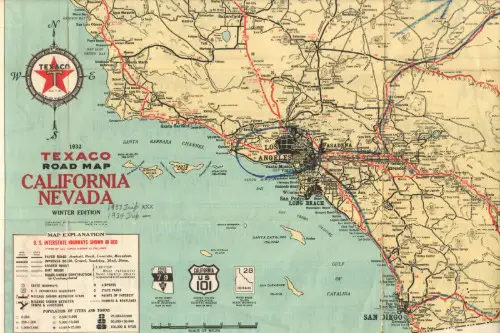
Gas stations once displayed racks of folded regional maps near the register. Travelers grabbed them before road trips or when they felt lost. Planning a route meant tracing highways with your finger. Navigation required spatial awareness and patience.
GPS apps made turn-by-turn directions effortless. Physical maps became backups instead of necessities. Many stations stopped stocking them altogether. What was once a travel staple now feels charmingly analog.
5. Typewriters on Office Desks
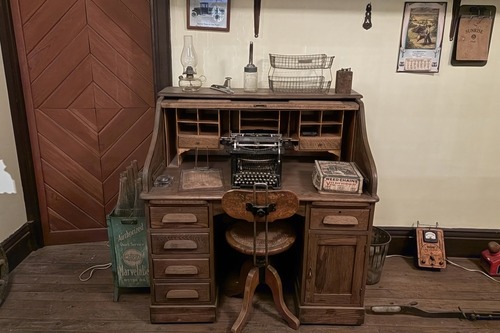
Office work once came with the clatter of mechanical keys. Typewriters demanded precision because mistakes were hard to fix cleanly. White-out and correction tape were everyday supplies. Drafting a document took deliberate focus.
Word processors and computers transformed that workflow. Editing became flexible and nearly invisible. The physical act of writing shifted to screens and keyboards. A typewriter today signals nostalgia or specialty use, not routine business.
6. Milk Delivered to the Front Door
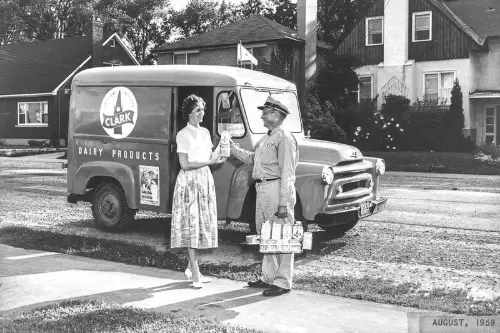
Glass bottles of milk once appeared on doorsteps early in the morning. Local dairies handled home delivery on predictable schedules. Families left empty bottles out for pickup and reuse. It was a visible sign of neighborhood-based food systems.
Supermarkets and refrigeration changed shopping habits. Bulk grocery trips replaced frequent doorstep service. Delivery survived in limited areas but lost mainstream status. Seeing milk crates outside now feels like a throwback.
7. Cash-Only Toll Booths on Highways
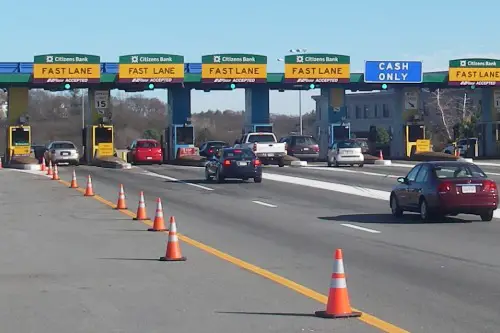
Highway tolls once meant slowing down and handing bills to an attendant. Drivers kept change within reach for exact fares. Booth lines could stretch during rush hour and holidays. Paying tolls was a tactile, person-to-person exchange.
Electronic tolling automated that interaction. Transponders and license plate billing reduced stops. Many toll plazas removed cash lanes entirely. The booth that once symbolized travel pause now represents a fading system.
8. TV Test Patterns After Broadcast Hours
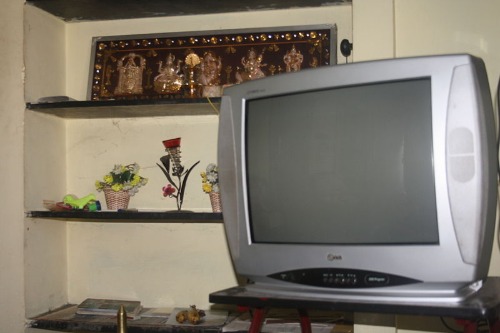
Television didn’t always run 24 hours a day. Stations signed off overnight and displayed a test pattern screen. The color bars and tone filled silent hours until morning programming resumed. It marked a clear end to the broadcast day.
Cable networks and streaming erased that boundary. Entertainment now runs continuously across platforms. Younger viewers rarely see broadcast downtime. The test screen once signaled closure but now feels oddly ceremonial.
9. Printed Airline Tickets and Travel Folders
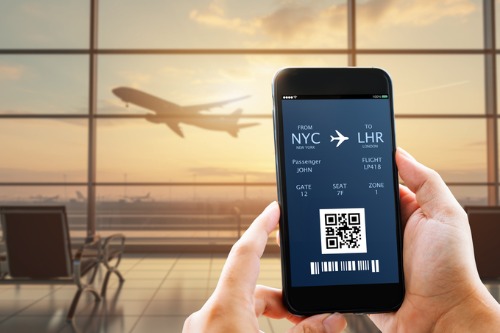
Air travel once involved paper tickets tucked into branded folders. Agents printed boarding passes at the counter with carbon copies. Travelers guarded those documents carefully throughout the journey. Losing one could derail the entire trip.
Digital check-in and mobile boarding passes streamlined the process. Smartphones replaced ticket wallets and document sleeves. Airline counters handle fewer routine transactions. Paper tickets now appear mostly for special cases.
10. Encyclopedia Sets in Living Rooms

Multi-volume encyclopedia sets once lined family bookshelves. They signaled educational investment and curiosity. Kids used them for homework research and casual browsing. Knowledge lived in printed pages arranged alphabetically.
Internet search reshaped how information is accessed. Online databases update faster than print ever could. Physical sets grew outdated and expensive to maintain. Seeing one now evokes a pre-digital research era.
11. Arcade Phone Booths and Mall Meeting Spots
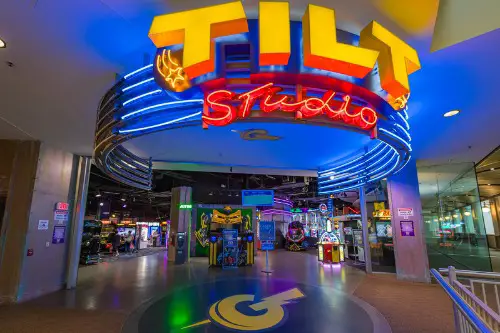
Shopping malls used to function as social hubs for teens and families. Groups picked central meeting spots like fountains or food courts. Public phone booths served as check-in points when plans changed. The space supported offline social coordination.
Online messaging and shifting retail habits altered mall culture. Many malls downsized or closed as shopping moved online. Social planning became digital instead of location-based. The once-busy landmarks now feel quieter and less essential.
This post Everyday American Sights That Meant Something Very Different Years Ago was first published on American Charm.

