
1. Atlantic City, New Jersey
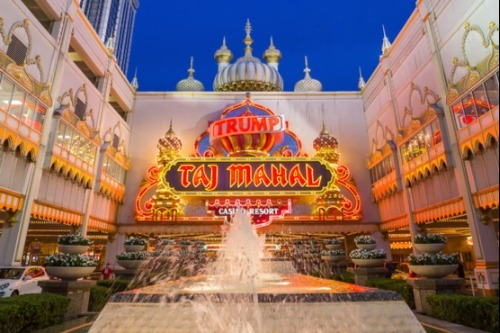
Atlantic City once felt like the East Coast’s answer to Las Vegas. Its Boardwalk bustled with vacationers, performers, and grand seaside hotels through much of the 20th century. Casino legalization in 1976 brought a second wave of development and major resort construction. For a while, it looked like nonstop revival energy.
But increased competition from casinos in nearby states thinned the crowds. Several major casino properties closed during the 2010s downturn. Long stretches of the Boardwalk can now feel surprisingly quiet outside peak weekends. The scale of the resorts makes the slower foot traffic especially noticeable.
2. Gary, Indiana
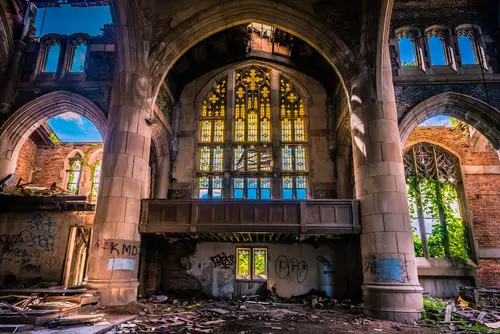
Gary was built as a booming steel city with neighborhoods full of shift workers and families. In its mid-century peak, it had a population well over 170,000 residents. Schools, theaters, and commercial strips were designed for constant activity. The city’s footprint reflected confidence in permanent industrial strength.
Steel industry decline and job losses triggered decades of population drop. Many blocks now contain vacant lots where homes once stood. Public buildings and wide streets feel oversized for today’s population. Walking through certain areas feels like arriving after the crowd has gone home.
3. Detroit, Michigan
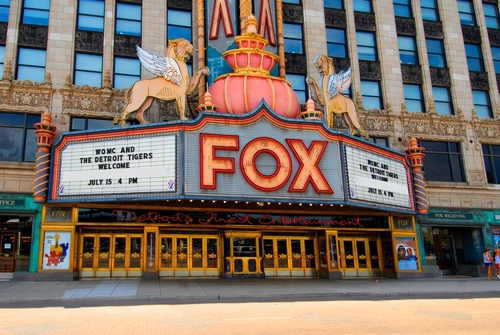
Detroit’s skyline and neighborhoods grew around the explosive success of the auto industry. Mid-century prosperity filled dense districts with workers, shops, and nightlife. The city peaked at nearly two million residents in 1950. Its infrastructure was built for a constantly moving population.
Deindustrialization and suburban flight reduced that density over time. Entire residential areas saw steep vacancy and demolition. Some streets feel unusually still compared to their historic scale. Revitalization is underway, but the contrast remains striking.
4. Cairo, Illinois
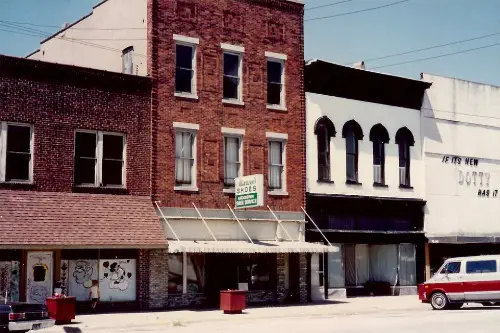
Cairo sits at the confluence of the Mississippi and Ohio Rivers, a location once ideal for trade. Steamboat traffic and rail connections made it a strategic 19th-century hub. Population and business activity once matched its geographic importance. Grand buildings reflected confidence in long-term growth.
River shipping patterns changed and rail dominance faded. Economic decline and racial unrest accelerated population loss in the late 20th century. Many historic structures now stand vacant or deteriorating. The setting suggests a busy river city that no longer exists.
5. Centralia, Pennsylvania
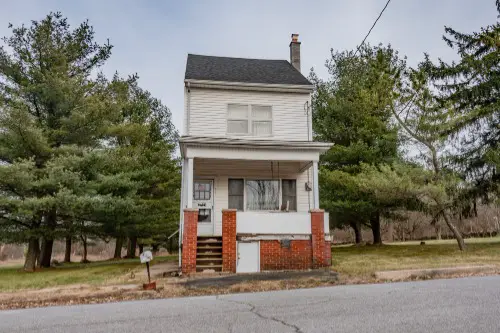
Centralia was a small but active coal town with homes, churches, and local businesses. In 1962, an underground mine fire ignited beneath the community. The fire spread through coal seams and became effectively impossible to extinguish. Dangerous ground conditions and toxic gases followed.
Most residents relocated over the following decades through government programs. Streets remain, but nearly all buildings are gone. Vegetation overtook former neighborhoods and infrastructure. It feels like a town paused mid-sentence and left behind.
6. Salton City, California
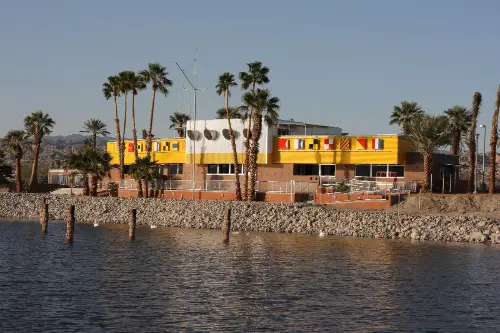
Salton City was promoted in the mid-20th century as a desert resort destination. Developers mapped large subdivisions around the Salton Sea shoreline. Boating, fishing, and vacation living were central to its identity. Early marketing promised a thriving lakeside community.
Environmental decline changed that vision dramatically. Rising salinity and pollution reduced recreation and tourism appeal. Many planned streets remain largely undeveloped. The grid suggests a crowd that never fully arrived.
7. Buffalo, New York
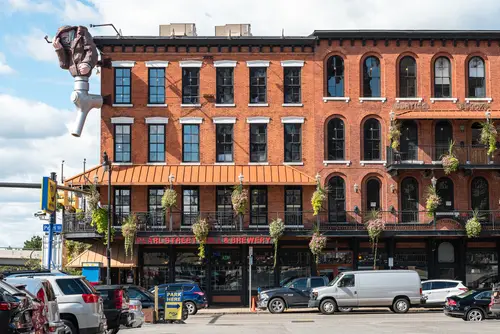
Buffalo thrived when Great Lakes shipping and heavy industry powered regional growth. Railroads and the Erie Canal made it a vital logistics hub. Elegant architecture and dense neighborhoods reflected sustained prosperity. Population peaked in the mid-20th century.
Industrial contraction and job losses reshaped the city’s trajectory. Many residents relocated over several decades. Some commercial corridors feel quieter than their grand design suggests. Revitalization efforts continue, but the scale still hints at busier days.
8. St. Louis, Missouri
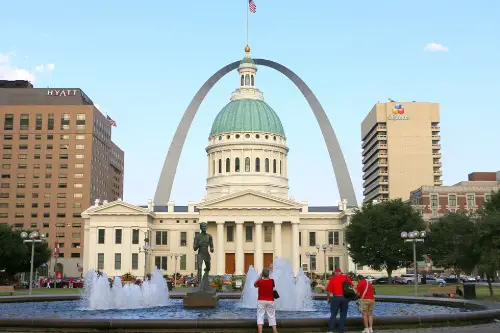
St. Louis was once among the largest cities in the United States. River trade and manufacturing supported dense residential blocks and active streets. Major civic projects assumed continued population growth. Transit lines and infrastructure reflected metropolitan ambition.
Postwar suburbanization and industry shifts changed those expectations. Population declined sharply from mid-century highs. Some neighborhoods contain large vacant stretches between occupied homes. The city’s physical footprint feels bigger than its current pace.
9. Cahawba, Alabama
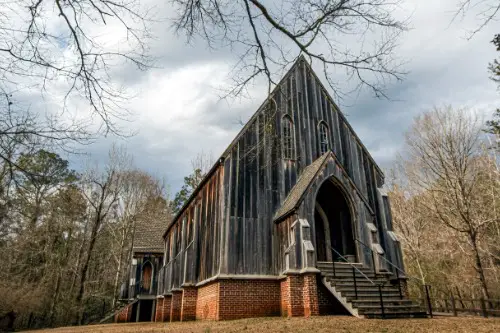
Cahawba was once Alabama’s first state capital and an important river trade center. Its location at the meeting point of the Alabama and Cahaba Rivers made it a strategic transportation hub. Lawmakers and investors expected it to grow into a permanent political and economic powerhouse. Elegant homes, government buildings, and warehouses reflected those ambitions.
Severe flooding repeatedly damaged the town and discouraged long-term growth. The state capital moved in 1826, draining much of its importance. Residents gradually relocated as commerce shifted elsewhere. Today, its quiet ruins and archaeological remains feel far emptier than a former capital should.
10. Deadwood, South Dakota
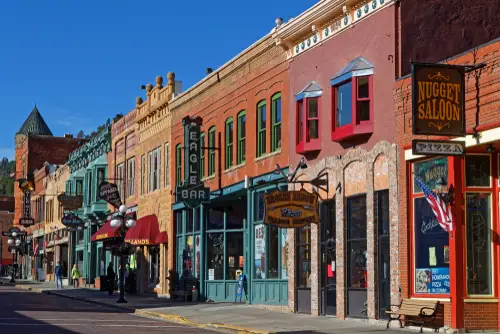
Deadwood boomed during the Black Hills gold rush in the late 1800s. Prospectors, gamblers, and businesses crowded its streets. Historic figures like Wild Bill Hickok added to its notoriety. The town’s early identity centered on nonstop frontier activity.
Gold production slowed and the boomtown era faded. Modern Deadwood relies largely on tourism and historic preservation. Outside peak visitor seasons, parts of town feel noticeably calm. The preserved streetscape makes the quiet especially striking.
11. Virginia City, Nevada
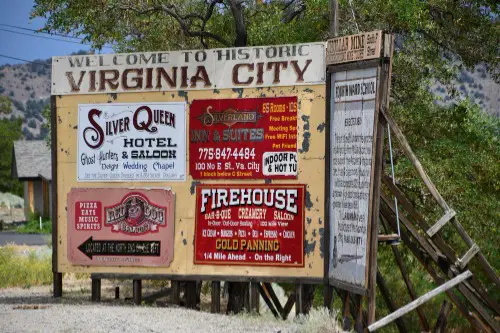
Virginia City flourished after the discovery of the Comstock Lode in 1859. Silver mining wealth made it one of the West’s most important boomtowns. The population surged and cultural life expanded rapidly. Grand buildings reflected sudden prosperity.
Mining declined and residents moved away over time. Much of the town remains preserved as a historic district. Tourism sustains it, but daily life is far quieter than its past suggests. The empty boardwalks contrast with its once-roaring reputation.
12. Bodie, California
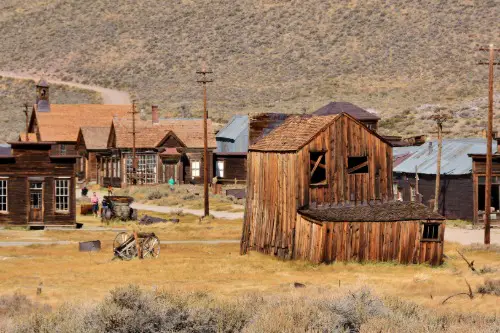
Bodie exploded during a late-1800s gold rush in the Sierra Nevada. At its peak, it had thousands of residents, businesses, and a reputation for rowdy energy. Saloons, hotels, and shops lined busy dirt streets. Investors expected long-term mining prosperity.
Gold yields declined and harsh winters discouraged settlement. Residents gradually abandoned the town in the early 20th century. Bodie is now preserved in a state of “arrested decay” as a historic park. Walking through it feels like stepping into a crowd that vanished.
This post These Once-Busy U.S. Spots Feel Emptier Than They Should was first published on American Charm.

