1. Leavenworth, Washington
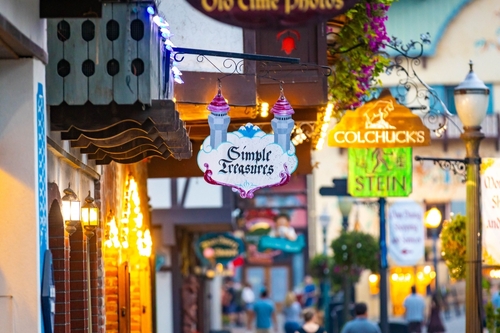
Leavenworth intentionally adopted a Bavarian alpine theme in the 1960s. Building facades follow strict Old World design guidelines. Seasonal festivals celebrate traditional German music and food. The town committed fully rather than partially to the concept.
Oktoberfest and Christmas markets draw repeat family pilgrimages. Local businesses maintain the theme year-round. Community identity centers on shared participation. It’s a modern town built around sustained tradition.
2. Santa Fe, New Mexico
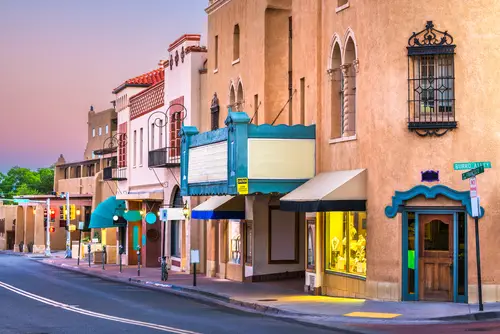
Santa Fe has carefully protected its architectural identity for over a century. City codes require Pueblo Revival and Territorial-style design in the historic core. Earth-toned adobe exteriors and wooden vigas aren’t just aesthetic choices. They reflect a deliberate effort to preserve regional building traditions.
Cultural practices run just as deep. Native American markets and Spanish colonial influences remain highly visible. Annual fiestas continue religious and community observances dating back centuries. The result feels less like reenactment and more like continuity.
3. Boston, Massachusetts
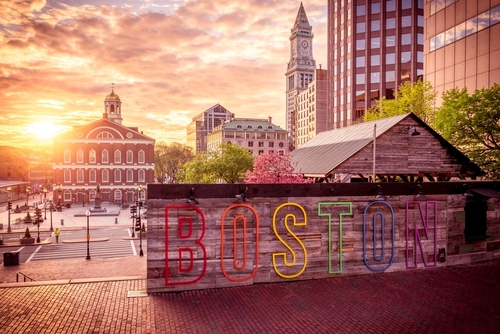
Boston holds tightly to civic and educational traditions that shape daily life. The city still hosts one of the nation’s oldest continuous St. Patrick’s Day parades. Historic institutions and neighborhood identities remain fiercely intact. Even local dialect and sports loyalties pass between generations.
Walking the Freedom Trail feels like moving through a living timeline. Colonial-era streets and brick rowhouses remain part of modern routines. Longstanding universities preserve formal rituals and ceremonies. Boston treats history as something to inhabit, not just commemorate.
4. Charleston, South Carolina
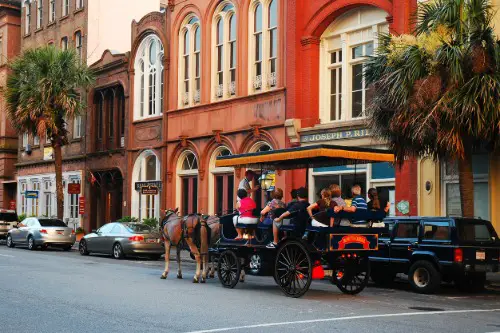
Charleston maintains customs shaped by its coastal and colonial past. Historic preservation laws protect pastel rowhouses and cobblestone streets. Carriage tours and harbor life still define the pace of downtown. The built environment reinforces long-standing regional identity.
Gullah Geechee cultural traditions remain influential in food, art, and language. Lowcountry cuisine continues techniques tied to coastal ecology. Community events often center on heritage and storytelling. Charleston’s sense of place feels carefully stewarded.
5. Lancaster, Pennsylvania
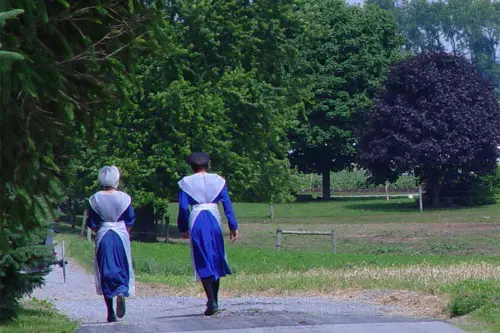
Lancaster County is known for its large Amish population maintaining centuries-old practices. Horse-drawn buggies share roads with modern cars. Traditional dress and plain living remain visible parts of daily life. Farming methods often prioritize manual labor over mechanization.
Markets and craft traditions preserve older production styles. Quilting, woodworking, and handmade goods remain central to local commerce. Pennsylvania Dutch foodways continue through family-run kitchens. The region sustains routines many places left behind.
6. San Antonio, Texas
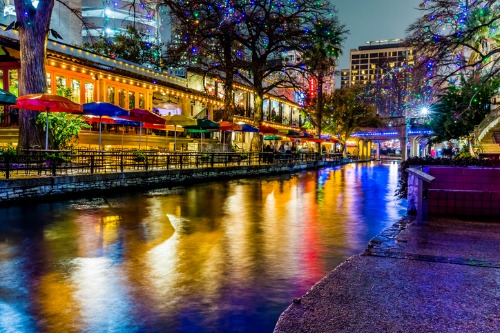
San Antonio blends modern growth with deeply rooted cultural observances. The Alamo and Spanish missions remain active historical landmarks. Fiesta San Antonio continues more than a century of citywide celebration. Parades and pageantry connect neighborhoods across generations.
Tejano and Mexican heritage strongly shape music and cuisine. Historic plazas still function as gathering places. Family traditions tie holidays to public spaces. Cultural continuity feels lived rather than staged.
7. Savannah, Georgia
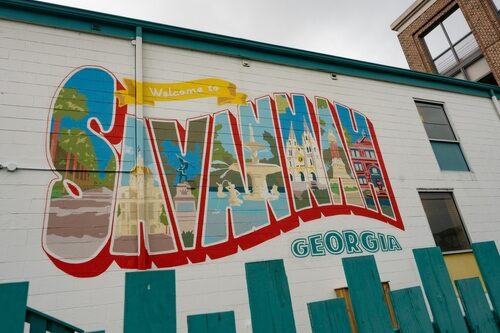
Savannah’s original 18th-century grid of public squares still structures daily life. Residents treat these green spaces as communal living rooms. Historic homes remain residential rather than purely commercial. Preservation efforts prioritize maintaining original character.
Southern customs shape social rhythms and etiquette. Front porches and walkable streets encourage neighborly interaction. Seasonal festivals maintain long-running traditions. The city moves with an unhurried, inherited cadence.
8. Honolulu, Hawaii
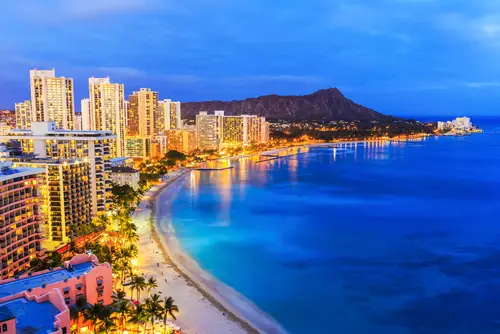
Honolulu preserves Native Hawaiian cultural practices alongside modern tourism. Hula remains both performance art and cultural storytelling tradition. The Hawaiian language has experienced revitalization in schools and public life. Ceremonies and chants continue protocols rooted in Indigenous history.
Local customs influence everyday etiquette and celebrations. Lei-giving remains a meaningful gesture, not just decoration. Surf culture maintains respect for longstanding ocean traditions. The islands balance global attention with cultural continuity.
9. Annapolis, Maryland
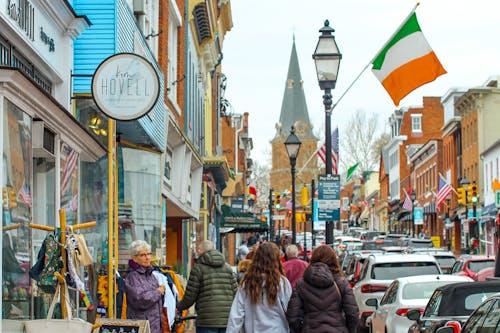
Annapolis sustains maritime traditions tied to the Chesapeake Bay. Sailing culture shapes recreation, education, and identity. The U.S. Naval Academy preserves formal military rituals and ceremonies. Waterfront life still revolves around working harbors and boatyards.
Historic districts maintain colonial architecture and walkable design. Crab feasts and seafood traditions anchor social gatherings. Local events often celebrate nautical heritage. The city’s rhythms follow tides as much as traffic.
10. Natchitoches, Louisiana
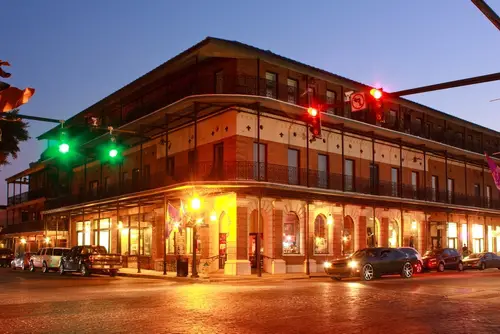
Natchitoches embraces its French colonial roots with unusual consistency. It is the oldest permanent settlement in the Louisiana Purchase territory. The historic district preserves original street layouts and architecture. French-influenced cuisine remains a community staple.
The annual Christmas Festival dates back to the 1920s. Generations participate in lighting ceremonies and riverfront events. Family-run businesses maintain long local histories. Traditions feel inherited rather than revived.
11. St. Augustine, Florida
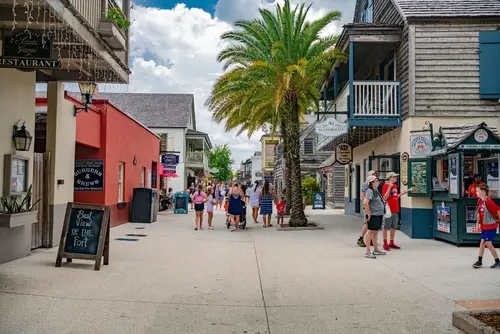
St. Augustine preserves its identity as the oldest continuously inhabited European-established settlement in the continental U.S. Spanish colonial architecture shapes the historic core. Forts, gates, and narrow streets remain part of daily scenery. Preservation efforts keep centuries-old structures in active use.
Living history demonstrations connect residents to early lifeways. Cultural festivals highlight Spanish and Minorcan heritage. Tourism blends with community tradition rather than replacing it. The past feels physically present.
12. New Orleans, Louisiana
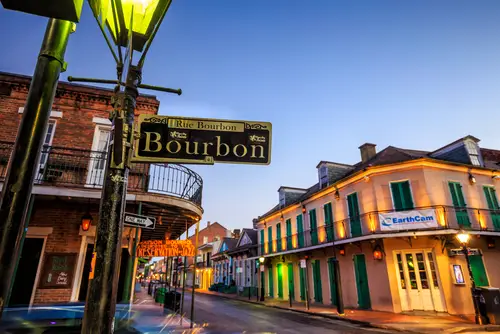
New Orleans keeps traditions alive in ways that feel woven into everyday life. Second line parades still roll through neighborhoods behind brass bands on weekends. Mardi Gras krewes maintain elaborate float-building customs that date back generations. Even above-ground cemeteries reflect burial practices shaped by local geography and history.
Food traditions remain just as rooted and recognizable. Family recipes for gumbo and jambalaya are treated like heirlooms. Neighborhood corner stores still serve po’boys dressed a very particular way. It’s a city where cultural continuity feels intentional rather than nostalgic.
13. Taos, New Mexico
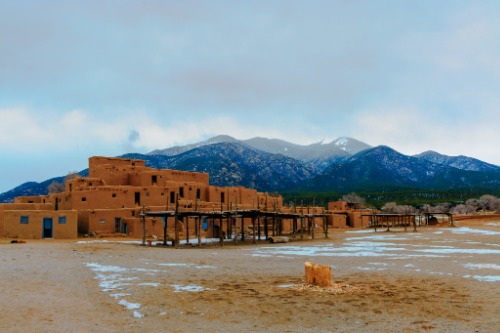
Taos preserves Native American and Spanish colonial influences side by side. Taos Pueblo remains one of the oldest continuously inhabited communities in North America. Traditional adobe construction continues using historic techniques. Artistic traditions reflect generations of regional identity.
Cultural ceremonies maintain longstanding spiritual practices. Local markets showcase Indigenous and Hispanic craftsmanship. Community life prioritizes heritage stewardship. Taos treats tradition as daily practice, not performance.
This post These American Places Quietly Hold Onto Traditions Others Let Go was first published on American Charm.