1. Las Vegas, Nevada
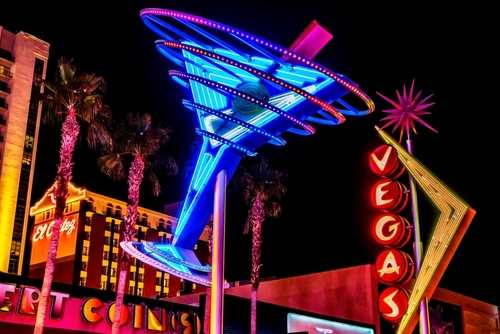
Las Vegas was designed for an around-the-clock tourism and casino lifestyle. Mega-resorts, buffets, showrooms, and gaming floors created a self-contained entertainment bubble. Workers built lives around hospitality shifts that never really stopped. The Strip became a stage set for constant spectacle and easy leisure.
Over time, visitor habits changed and digital entertainment competed for attention. Economic swings exposed how dependent the city was on travel and conventions. Resorts still thrive, but the fantasy of endless growth and carefree indulgence feels less certain. Parts of the metro area reflect plans made for a boom that cooled.
2. Detroit, Michigan
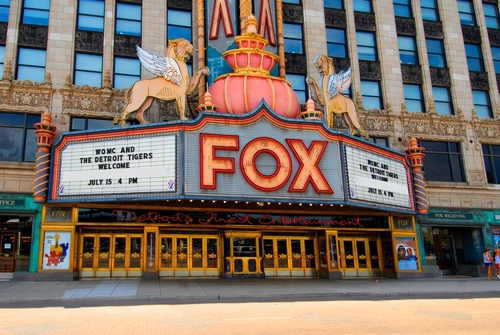
Detroit was engineered around the idea that auto manufacturing would anchor daily life forever. Neighborhoods grew beside factories so workers could live close to the assembly lines. Wide roads, industrial corridors, and dense housing reflected a rhythm built on shift work and lifelong factory jobs. That way of life shaped everything from commute patterns to corner stores.
When auto plants downsized or closed, the ecosystem around them unraveled. Families moved away, local businesses lost steady customers, and whole districts thinned out. The city is reinventing itself through tech, arts, and small manufacturing, but the industrial routine that defined it has faded. Much of Detroit’s physical layout still tells the story of a factory-centered existence.
3. Los Angeles, California
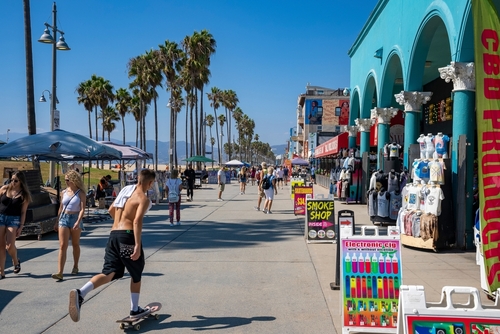
Los Angeles was built for a car-first version of the American Dream. Freeways stitched together vast suburbs where driving was essential to daily life. Shopping centers, office parks, and neighborhoods assumed everyone owned a vehicle. Sprawl wasn’t a side effect, it was the plan.
That model is straining under traffic, housing costs, and climate concerns. Public transit expansion and walkable districts are now priorities. Younger residents increasingly prefer dense, mixed-use neighborhoods over long commutes. The city still runs on cars, but the lifestyle it was designed for is evolving fast.
4. Gary, Indiana
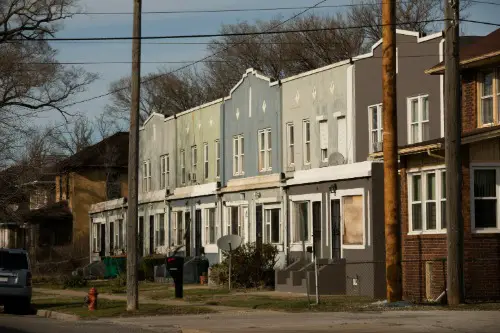
Gary began as a purpose-built steel town tied directly to one employer. Housing, schools, and downtown blocks were arranged around mill schedules and industrial stability. Generations expected steady union jobs and predictable upward mobility. The city’s identity revolved around heavy industry.
As steel declined, that foundation weakened dramatically. Population loss and disinvestment followed factory closures. Infrastructure built for a larger workforce now serves far fewer residents. Gary’s streets reflect a company-town lifestyle that no longer anchors the economy.
5. Atlantic City, New Jersey
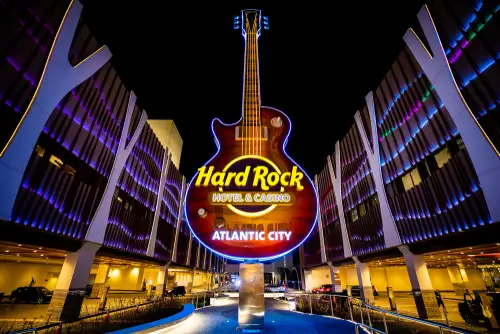
Atlantic City was designed as a grand seaside resort for rail-era vacationers. The boardwalk, piers, and luxury hotels supported a formal, seasonal tourism culture. Visitors arrived for extended stays filled with shows, dining, and ocean air. Leisure travel had a slower, more ritual feel.
Air travel and changing tastes disrupted that rhythm. Casino development reshaped the city into a gambling destination with different patterns. Tourism still matters, but the classic resort lifestyle isn’t what it once was. Grand infrastructure remains from an earlier vacation era.
6. St. Louis, Missouri
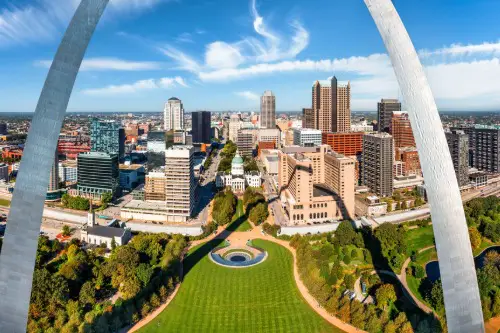
St. Louis grew as a dense river and rail hub where proximity mattered. Walkable neighborhoods clustered around streetcars and industrial jobs. Daily life centered on local shops, parish communities, and nearby workplaces. Urban living felt compact and interconnected.
Postwar suburbanization pulled residents outward. Highways replaced transit lines and decentralized activity. Many historic neighborhoods lost population and retail density. The city’s form reflects an urban lifestyle that thinned over time.
7. Buffalo, New York
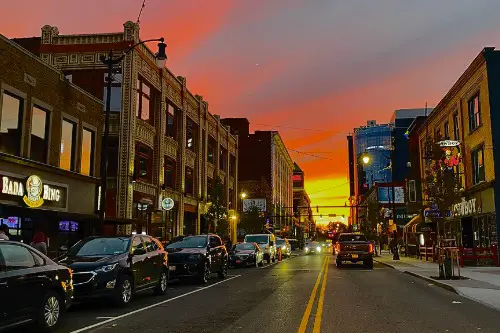
Buffalo was built for a canal-and-rail shipping economy. Grain elevators, factories, and worker districts lined transportation corridors. Residents expected maritime trade and manufacturing to remain dominant. Civic architecture reflected confidence in lasting industrial importance.
Shipping methods changed and industry contracted. Jobs dispersed and residents relocated. Revitalization is underway, but the city’s scale recalls a busier port era. Its waterfront and warehouse districts speak to a different economic rhythm.
8. Pittsburgh, Pennsylvania
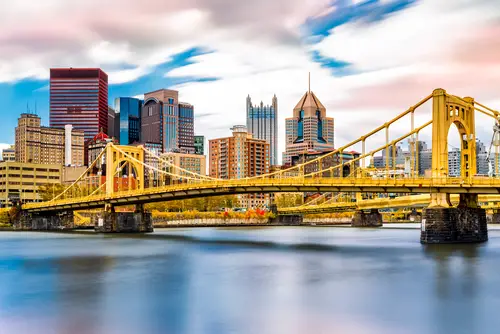
Pittsburgh’s layout followed the logic of steel mills and river transport. Dense neighborhoods filled valleys near smokestacks and rail lines. Life revolved around mill shifts, union halls, and industrial pride. The skyline rose on steel wealth.
When steel collapsed, that culture shifted dramatically. Tech, healthcare, and education reshaped the economy. Former mill sites became offices, parks, and research campuses. The city still carries the bones of its industrial way of life.
9. Reston, Virginia
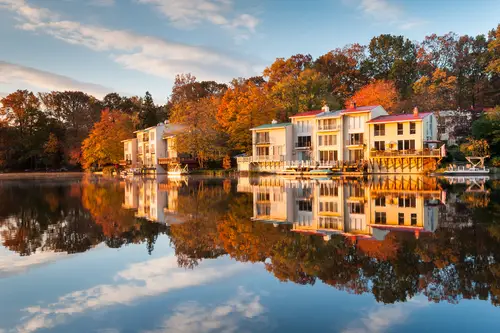
Reston was master-planned in the 1960s as a suburban live-work-play community. Designers emphasized village centers, green space, and separation from urban congestion. The plan assumed stable corporate employment and commuter routines. It was a blueprint for orderly suburban modernism.
Remote work and mixed-use urban preferences changed those assumptions. Office parks feel different when daily commuting declines. Retail patterns also shifted toward online shopping. Reston remains attractive, but the lifestyle it modeled has evolved.
10. Irvine, California
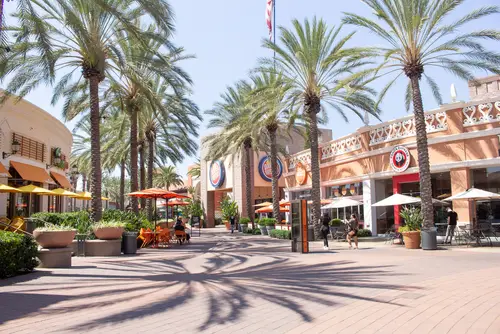
Irvine was carefully planned around master associations and suburban predictability. Residential villages, business districts, and shopping centers were neatly segmented. Families were expected to drive between home, school, and work in a tidy loop. It embodied late-20th-century suburban order.
Rising housing costs and changing work patterns are reshaping that formula. Younger residents often seek denser, transit-friendly environments. Office demand fluctuates with hybrid schedules. Irvine still thrives, but its original suburban script is being rewritten.
11. Celebration, Florida
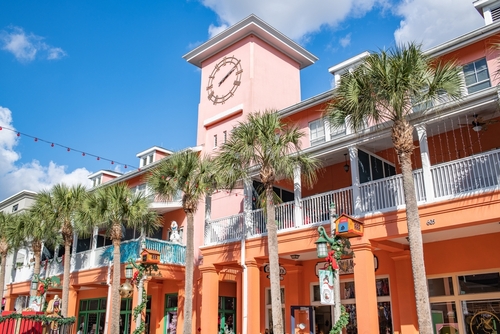
Celebration was created as a nostalgic vision of small-town American life. Walkable streets, front porches, and town squares encouraged constant neighborly interaction. The design leaned on the idea that community bonds grow from shared physical spaces. It felt like a movie-set version of civic harmony.
Digital life and modern commuting diluted that premise. Many residents work and socialize beyond town borders. The carefully staged intimacy feels different in a hyper-connected era. Celebration still charms visitors, but its founding social experiment softened.
12. Honolulu, Hawaii
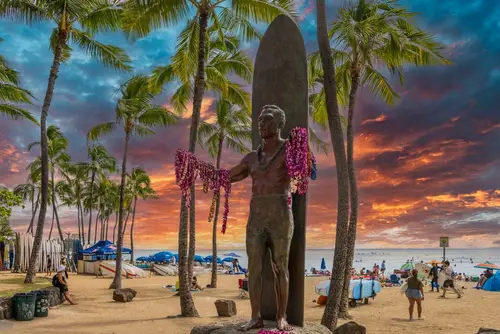
Honolulu developed around port activity, military presence, and resort tourism. Dense districts and high-rises supported a service economy tied to travel. Mid-century planning assumed steady visitor growth and centralized hospitality work. The city’s skyline reflects that tourism-first mindset.
Travel disruptions and housing pressures complicated that model. Local residents face rising costs in a visitor-driven market. Economic diversification has become a growing priority. Honolulu still welcomes the world, but its balance of daily life is shifting.
13. Anchorage, Alaska
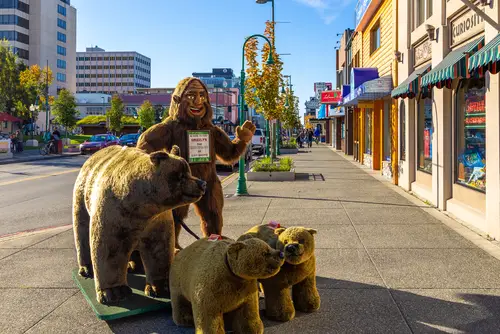
Anchorage expanded with expectations tied to oil development and military infrastructure. Subdivisions and commercial zones grew during pipeline-era booms. Life centered on resource jobs with rotational schedules and strong wages. The city scaled up for sustained energy-sector growth.
Energy markets fluctuated and government spending shifted. Population growth slowed compared to peak expansion years. Some commercial areas reflect earlier boom forecasts. Anchorage remains vital, but the lifestyle it was built around is less dominant today.
This post U.S. Cities That Were Designed for a Way of Life That’s Fading was first published on American Charm.