1. An Encyclopedia Set

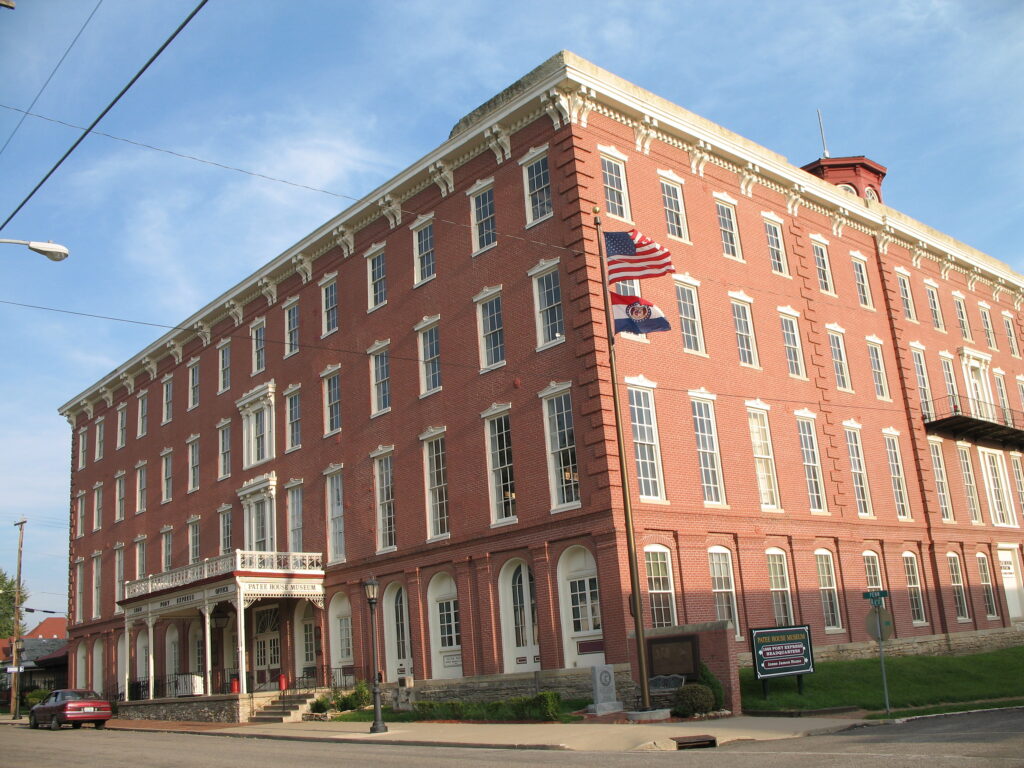
A full encyclopedia set once signaled a serious commitment to learning. Multi-volume collections lined living room shelves and weighed a ton. Homework often started by pulling out the right lettered volume. Flipping thin pages felt like opening a doorway to the world.
They were expensive, so families treated them with care. Annual update volumes tried to keep fast-changing facts current. The internet replaced that model with instantly searchable information. Physical sets are now more nostalgic than practical.
2. A Home Landline Telephone
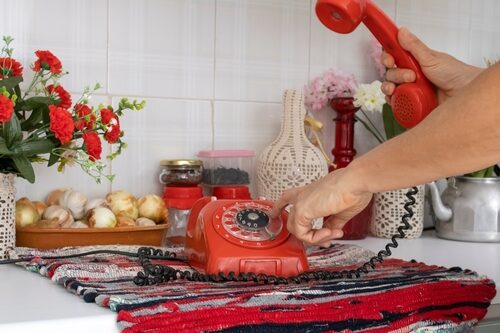
For decades, a landline was the household communication hub. One phone number connected the entire family, and everyone memorized it. Long, coiled cords stretched across kitchens and hallways during private conversations. If it rang, whoever was closest answered.
Caller ID eventually appeared, but the ritual stayed the same. Then mobile phones untethered conversations from the wall. As smartphones became universal, maintaining a separate home line felt redundant. Today, many households don’t have one at all.
3. A VCR
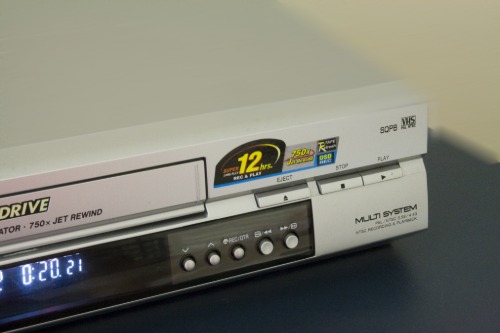
The VCR used to be essential for movie nights and recording television. Families rented tapes on Friday evenings and raced to rewind them before returning. Programming a recording timer felt like mastering a small machine puzzle. Blank tapes stacked up beside the TV.
Home videos captured birthdays and vacations on bulky cassettes. DVDs eventually replaced tapes with sharper quality and no rewinding. Streaming finished the transition by removing physical media entirely. Working VCRs are now hard to find outside thrift stores.
4. A Desktop Computer Room
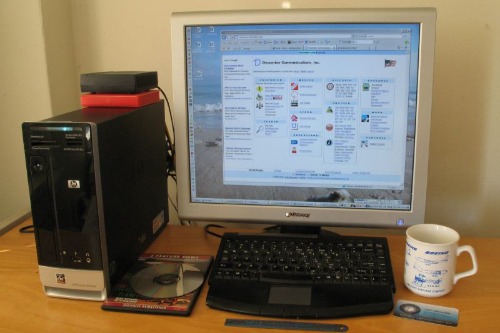
Early home computers were large, expensive, and stayed in one shared space. Families often called it the “computer room” or kept the machine in a corner of the living room. Internet time was scheduled, especially with dial-up connections. Everyone took turns checking email or doing homework.
Bulky monitors and towers anchored the setup permanently. Laptops made computing portable and more personal. Tablets and smartphones shrank everyday tasks into handheld devices. Dedicated computer rooms gradually disappeared.
5. A Physical Photo Album Collection
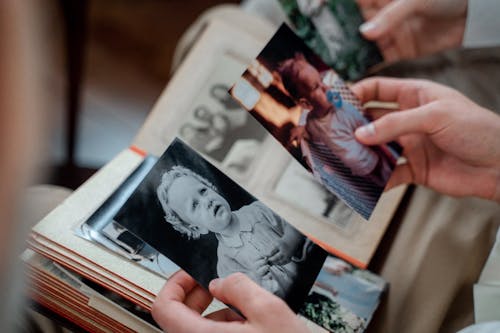
Printed photos once lived in thick albums on coffee tables and bookshelves. Families gathered to flip through vacations, holidays, and baby pictures. Developing film meant waiting days to see what you captured. Each image felt intentional and limited.
Albums preserved memories in a tactile, shareable way. Digital cameras removed film limits and made storage virtual. Cloud galleries replaced shelves full of binders. Many homes now have thousands of photos but few printed collections.
6. A Rolodex
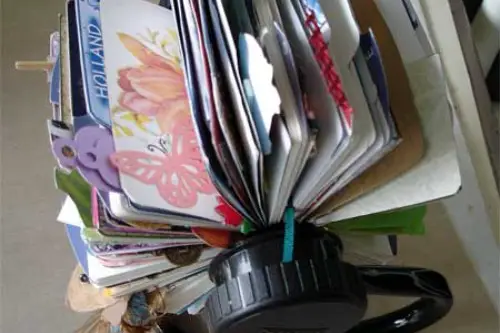
The Rolodex was the go-to system for organizing personal and professional contacts. Spinning the wheel to find a name became muscle memory. Handwritten cards tracked phone numbers, addresses, and notes. It sat prominently on desks in homes and offices.
Updating information meant swapping out individual cards. Digital contact lists automated sorting and syncing. Smartphones made the physical system unnecessary. Rolodexes are now mostly retro desk decor.
7. A Fax Machine
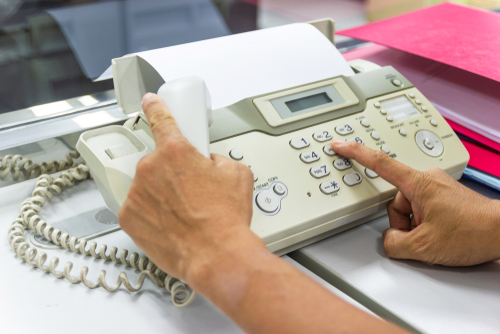
Fax machines once handled urgent document sharing. Businesses and some households relied on phone lines to transmit pages. The screeching dial tones signaled papers moving across cities. Signed forms could be sent within minutes.
Dedicated machines often lived beside printers or copiers. Email attachments and e-signatures replaced most fax needs. Internet-based services removed the hardware requirement. Home fax machines are now uncommon.
8. A Camcorder
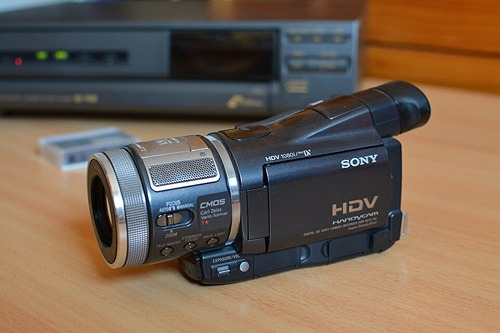
Camcorders were brought out for birthdays, recitals, and vacations. Parents recorded long stretches of everyday life on magnetic tapes. The devices were bulky but felt futuristic at the time. Zoom buttons and flip-out screens were prized features.
Tapes had to be labeled and stored carefully. Digital cameras and smartphones absorbed video recording into everyday devices. Editing became easier and sharing became instant. Standalone camcorders faded from most homes.
9. A CD Tower or Rack
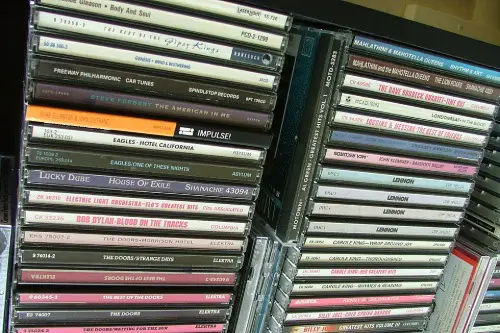
Music collections once stood tall in dedicated CD towers. Alphabetizing albums felt like curating a personal library. Jewel cases clicked open and liner notes got careful reads. Swapping discs shaped how people listened to music.
Portable CD players extended listening beyond the living room. MP3s and streaming removed the need for shelves of discs. Entire libraries now live inside apps and cloud accounts. Physical racks are far less common today.
10. A Separate GPS Device
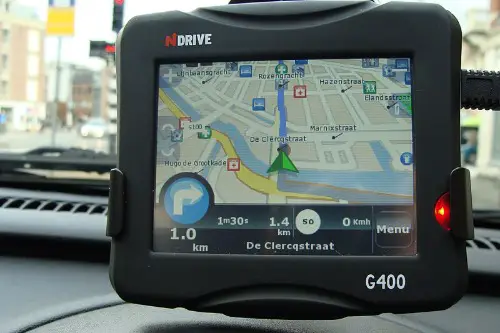
Early in-car navigation meant mounting a standalone GPS unit to the dashboard. Drivers entered addresses using small touchscreens or buttons. Turn-by-turn directions felt revolutionary. The device traveled from car to car when needed.
Map updates required downloads or memory cards. Smartphones absorbed navigation into built-in apps. Real-time traffic and constant updates improved accuracy. Dedicated GPS units became optional for most drivers.
11. A Home Answering Machine
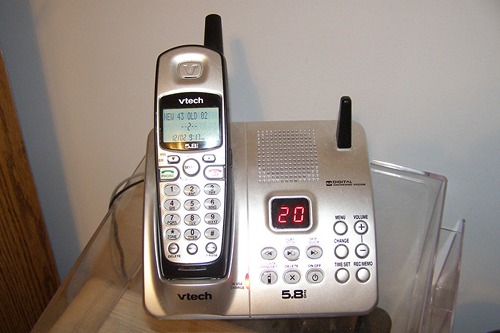
Answering machines once screened calls when no one could pick up. Cassette tapes recorded messages that played through tiny speakers. Families gathered to hear who had called that day. Saving or deleting messages required physical buttons.
Some models let you call in remotely to check recordings. Voicemail services built into phone networks replaced the hardware. Mobile phones made personal voicemail standard. Standalone answering machines nearly vanished.
This post Most Families Owned One — Today They’re Surprisingly Rare was first published on American Charm.