
1. Reading a Paper Map Without GPS
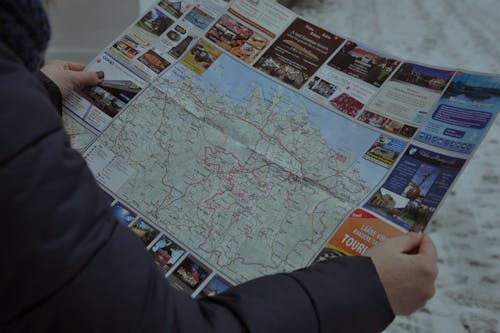
There was a time when getting somewhere new meant unfolding a giant paper map across the kitchen table. Kids watched adults trace routes with their fingers and learned how highways, exits, and grid systems worked. You picked up a natural sense of direction because there wasn’t a calm voice correcting you in real time. If you missed a turn, you figured it out through landmarks and road signs.
Road atlases lived in glove compartments like essential survival gear. Family road trips doubled as navigation lessons whether you liked it or not. You learned what scale meant and how to estimate distance by inches on a page. Today, many people reach adulthood without ever needing those skills.
2. Memorizing Important Phone Numbers

Before smartphones, remembering phone numbers wasn’t impressive, it was necessary. You memorized your home number, your best friend’s number, and several relatives by default. Repetition locked them into your brain because payphones and landlines didn’t store contacts. If you forgot, you had no quick backup.
Kids absorbed numbers naturally just by dialing them over and over. Emergencies made memorization feel especially important and very real. Phone books and handwritten address books helped, but your memory did most of the work. Now, many people can’t recall numbers they call every week.
3. Using a Library Card Catalog
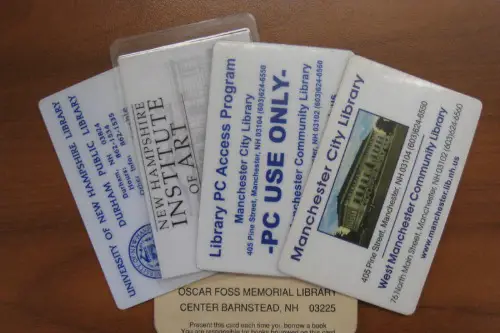
Finding a book once meant opening small wooden drawers filled with index cards. You learned alphabetical order and subject classification by physically flipping through them. The system quietly taught research skills long before digital search bars existed. It rewarded patience and precision.
Students figured out the Dewey Decimal system without thinking of it as a lesson. You learned how topics were grouped and how information was organized. It was slower than modern searches, but it built strong information literacy habits. Many younger people have never handled a physical catalog.
4. Writing in Cursive
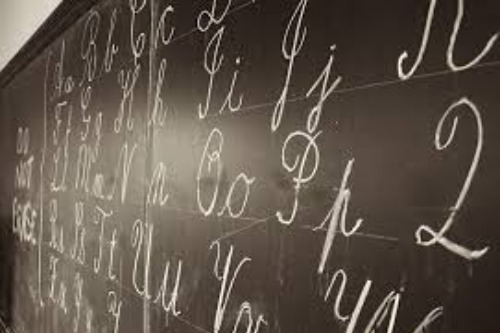
Cursive used to be a standard part of elementary school handwriting lessons. Kids practiced loops and connecting strokes until the motions felt automatic. Reading historical documents and older letters required that skill. Signatures also depended on it.
Over time, keyboards replaced longhand writing in daily life. Many schools reduced or removed cursive instruction from curricula. As a result, some adults today struggle to read script fluently. What was once routine has become a niche skill.
5. Making Change Without a Calculator
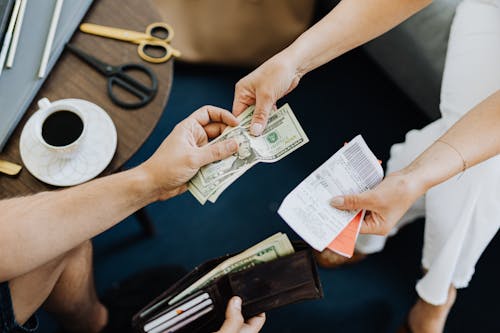
Cash transactions used to require quick mental math at the register. You learned to count up from the price to the amount paid. The rhythm of coins and bills made arithmetic practical and fast. Accuracy mattered because mistakes were immediately visible.
Kids absorbed this by watching adults and handling allowance money. Cash-only businesses reinforced the habit. Credit cards and digital payments reduced those everyday calculations. Now, mental math at checkout is far less common.
6. Reading Analog Clocks Instantly
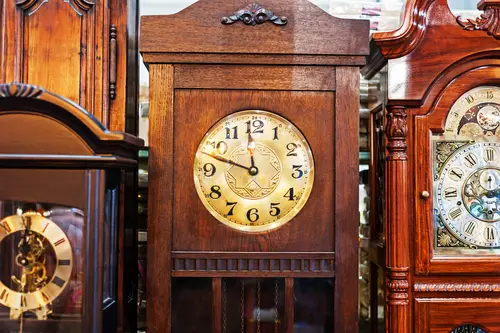
Telling time once meant interpreting the positions of hour and minute hands. Children learned to estimate minutes by the spacing between numbers. The circular layout built an intuitive sense of elapsed time. You could glance up and understand the moment immediately.
Digital clocks changed time into plain numbers. That convenience removed the need to interpret hand positions. Some younger people now pause when faced with a non-digital clock face. A once-automatic visual skill became optional.
7. Using a Physical Dictionary or Encyclopedia

Looking up information meant walking to a shelf and pulling down a heavy reference book. You learned alphabetical order thoroughly because it was the only way to search. Guide words at the top of pages helped narrow your place. Research was tactile and deliberate.
Browsing often led you to unexpected discoveries on nearby pages. Multi-volume encyclopedias taught you how knowledge was categorized. The process took longer but strengthened search discipline. Instant digital lookup changed that experience entirely.
8. Basic Home Repair and Tool Use
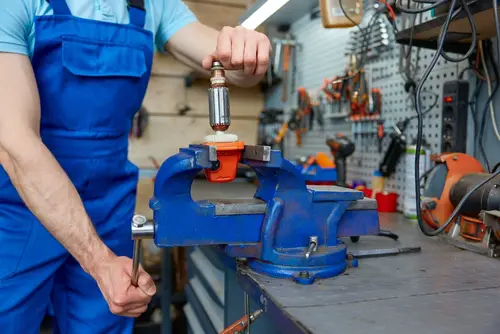
Small household fixes were once handled without watching a tutorial first. Kids observed adults tightening hinges, patching walls, and unclogging drains. You learned tool names and purposes just by being around them. Trial and error built quiet confidence.
Fewer people now grow up seeing routine repairs done at home. Specialized services and online ordering changed habits. Many young adults meet tools for the first time after moving out. Skills that used to transfer informally now require deliberate learning.
9. Cooking from Memory Instead of Recipes
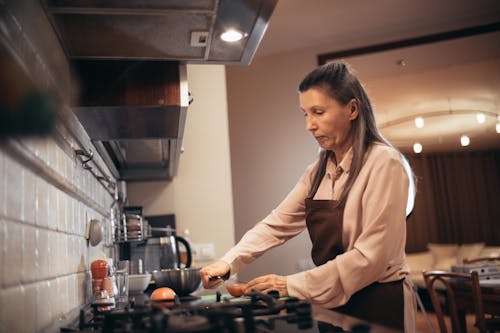
Family meals were often made from experience rather than written instructions. Kids watched ingredients measured by sight and feel. You learned timing, seasoning, and substitutions through repetition. Recipes lived in heads and handwritten cards.
Convenience foods and delivery apps reshaped kitchen routines. Step-by-step online recipes became the norm for beginners. Fewer people learn foundational techniques by observation alone. What used to be absorbed naturally now feels like a formal hobby.
10. Navigating Social Situations Without Screens
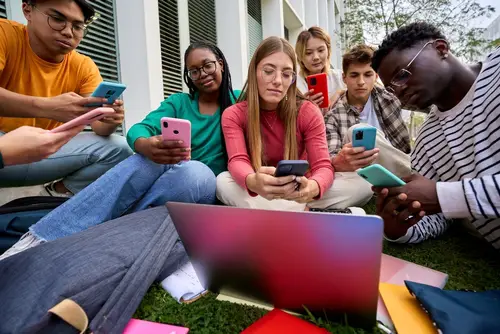
Free time once meant knocking on a friend’s door or calling their house phone. You learned to read tone, facial cues, and group dynamics in person. Plans changed on the fly without constant messaging. Social confidence grew through repetition.
Digital communication shifted much of that interaction online. Texting and social media allow more controlled conversations. Some people now feel less comfortable with spontaneous face-to-face moments. Casual social fluency used to develop automatically.
11. Remembering Directions Through Landmarks

People once gave directions using memorable physical markers. You learned routes by noting gas stations, churches, and unusual buildings. The environment became a mental map you updated constantly. Getting lost improved spatial awareness.
Turn-by-turn navigation reduced the need to notice surroundings. Many trips now happen with minimal attention to the route itself. Without landmark memory, places can feel unfamiliar even after multiple visits. A natural navigation habit faded into the background.
This post People Once Learned This Automatically Growing Up was first published on American Charm.

