1. Atlantic City, New Jersey
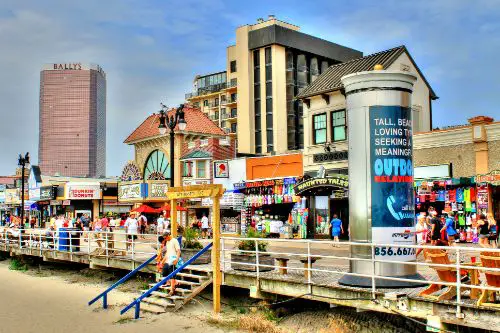
Atlantic City rose in the late 1800s as a premier East Coast seaside resort. Boardwalk attractions, grand hotels, and rail access made it a vacation powerhouse. Its economy was designed around endless tourism growth. The resort identity shaped nearly every major development decision.
Air travel and changing vacation habits weakened its dominance. Casino legalization in 1976 promised a dramatic revival and new golden era. While gambling brought investment, it never restored the city to its former national prominence. Large resort infrastructure now feels outsized compared to today’s visitor levels.
2. Detroit, Michigan
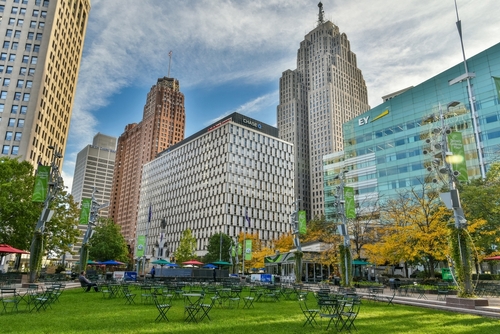
Detroit was built to be the permanent capital of the American auto industry. Assembly lines, corporate headquarters, and dense worker neighborhoods expanded rapidly through the early and mid-20th century. City planners and businesses assumed manufacturing dominance would last indefinitely. At its peak in 1950, nearly two million people called the city home.
Deindustrialization, automation, and suburbanization reshaped that trajectory. Major factories closed or moved, and population steadily declined for decades. Entire neighborhoods were left with vacant homes and oversized infrastructure. Detroit today is rebuilding creatively, but its physical footprint still reflects a much bigger future that never fully materialized.
3. Gary, Indiana
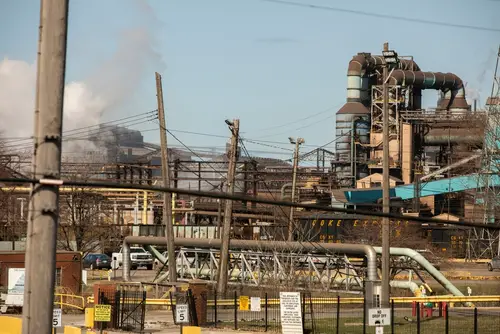
Gary was founded in 1906 by U.S. Steel as a model company city for steel production. It was carefully planned with housing, civic buildings, and transit for a booming industrial workforce. For decades, its mills helped power American construction and wartime manufacturing. Leaders expected steady growth tied to permanent industrial demand.
Late-20th-century steel decline hit the city especially hard. Jobs disappeared, residents moved away, and tax revenue collapsed. Population fell by more than half from its high point. Grand boulevards and large public buildings now serve far fewer people than intended.
4. St. Louis, Missouri
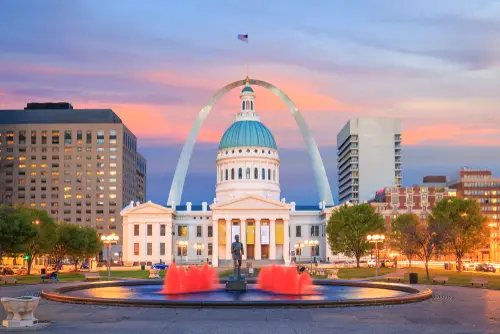
St. Louis was once one of America’s largest and most economically important cities. Its Mississippi River location made it a gateway for trade and westward expansion. Early skyscrapers, dense neighborhoods, and transit systems supported a booming population. Civic leaders expected continued growth as a transportation and manufacturing hub.
Postwar suburbanization and industrial shifts reversed that momentum. Population fell sharply from its mid-century peak. Ambitious urban renewal projects sometimes removed more housing than they replaced. The city remains culturally vital, but its scale reflects a larger future that stalled.
5. Cleveland, Ohio
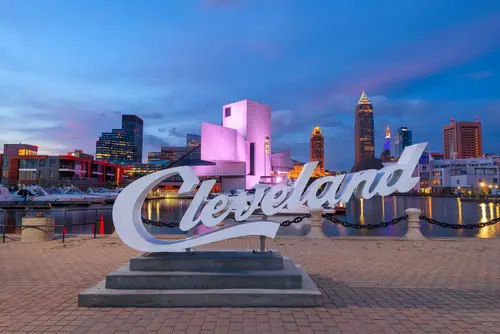
Cleveland thrived as a steel, shipping, and manufacturing center along the Great Lakes. Railroads and port access positioned it as a cornerstone of industrial America. Corporate towers and dense worker districts expanded through the early 1900s. Growth projections assumed heavy industry would anchor the city indefinitely.
Factory closures and job losses accelerated in the late 20th century. Residents relocated to suburbs or other states seeking new opportunities. Population declined dramatically from its peak. Much of the infrastructure still reflects expectations of a far larger city.
6. Buffalo, New York
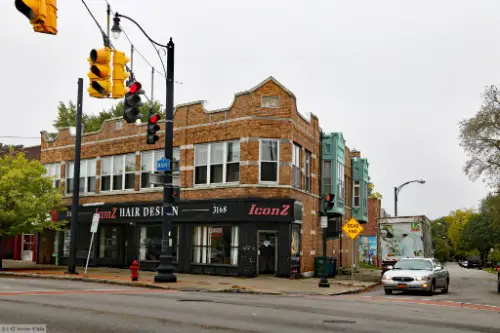
Buffalo flourished as a critical shipping and manufacturing hub at the edge of the Great Lakes. The Erie Canal and railroads made it a vital link in national trade. Elegant architecture and extensive neighborhoods grew during its industrial prime. City leaders anticipated lasting prosperity tied to transportation dominance.
Shipping patterns changed and heavy industry contracted. Harsh winters and job losses encouraged outmigration. Population steadily declined after the mid-20th century. Revitalization is ongoing, but the city’s footprint reflects bigger expectations.
7. Pittsburgh, Pennsylvania
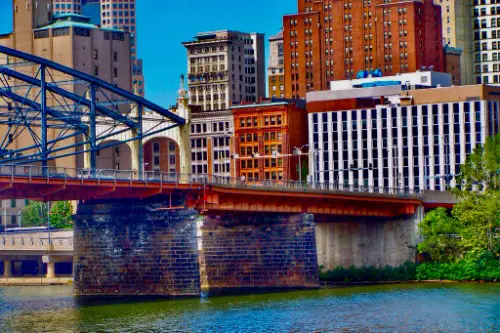
Pittsburgh became synonymous with steel production and industrial innovation. Rivers, railroads, and mills powered rapid expansion and dense urban growth. Corporate wealth funded major cultural institutions and skyscrapers. Its identity was built on the assumption that steel would remain king.
The collapse of domestic steel in the 1970s and 80s triggered severe job losses. Population dropped and industrial sites went quiet. The city reinvented itself around healthcare and technology. Even so, remnants of its industrial scale still signal a larger past vision.
8. Baltimore, Maryland
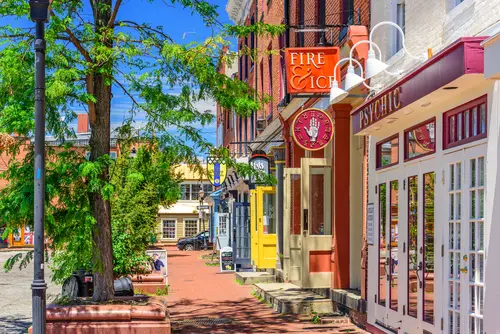
Baltimore developed as a major seaport and manufacturing center on the East Coast. Shipbuilding, steel, and trade fueled dense neighborhoods and waterfront industry. Infrastructure investments reflected confidence in continued maritime dominance. Population climbed steadily through the first half of the 20th century.
Container shipping and industrial restructuring changed port economics. Suburban flight and disinvestment reshaped many neighborhoods. Population declined significantly from its peak. Revitalized districts sit alongside areas built for a busier era.
9. New Orleans, Louisiana
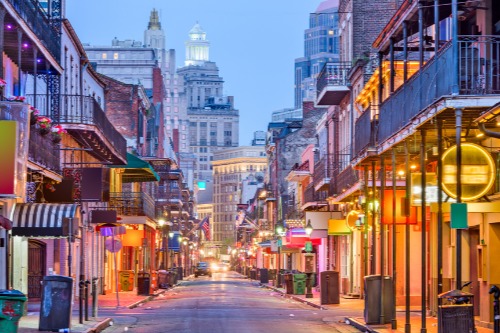
New Orleans grew around port commerce, energy, and a globally influential cultural scene. Historic neighborhoods and civic landmarks reflected steady economic importance. Leaders invested in tourism and waterfront development for long-term growth. The city expected to remain a Gulf Coast anchor indefinitely.
Hurricane Katrina in 2005 disrupted that trajectory overnight. Flooding displaced hundreds of thousands of residents and damaged vast infrastructure. Population has not fully returned to pre-storm levels. Some neighborhoods still show the gap between past expectations and present reality.
10. Las Vegas, Nevada
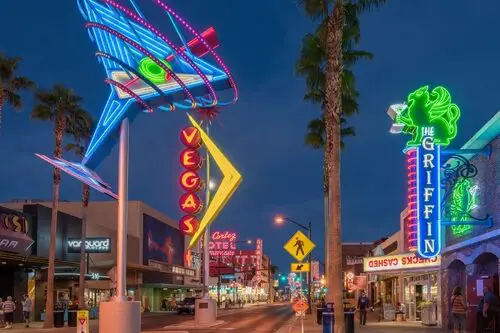
Las Vegas expanded rapidly on tourism, entertainment, and real estate speculation. Mega-resorts and master-planned communities spread across the desert. Developers assumed visitor growth and housing demand would continue rising. Construction surged through the early 2000s.
The 2008 housing crash hit the city especially hard. Foreclosures spiked and development projects stalled mid-build. Tourism eventually recovered, but some planned growth never resumed. Parts of the metro area still show the imprint of overextended projections.
11. California City, California
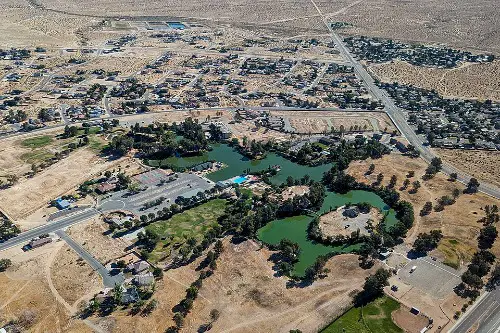
California City was master-planned in the 1950s to rival Los Angeles in size and influence. Developers mapped a vast street grid across the Mojave Desert. Promotional materials promised industry, neighborhoods, and recreational lakes. Thousands of lots were sold to hopeful investors.
Large-scale migration and business investment never arrived. Much of the planned city remains empty desert lined with paved roads. The population is only a fraction of projections. From the air, it looks like a major metropolis waiting to be filled in.
12. Chandlerville, Illinois
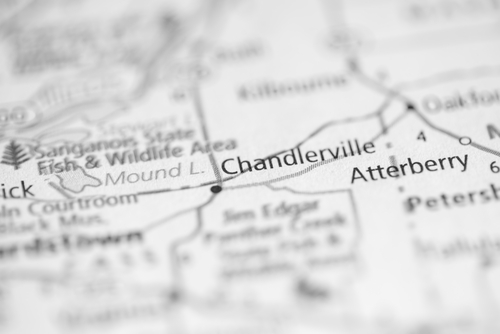
Chandlerville boomed in the early 1900s as a coal mining town in central Illinois. Rail access and extraction jobs supported local businesses and steady growth. Like many resource towns, it expected long-term stability from energy demand. Housing and commercial blocks were built for a sustained workforce.
As coal declined and mines closed, jobs disappeared. Younger residents moved elsewhere for employment. Population steadily shrank across the late 20th century. The town remains, but at a scale far smaller than planners once imagined.
This post These U.S. Towns Were Built for a Future That Never Fully Arrived was first published on American Charm.