
1. New York City — Stand on the Right
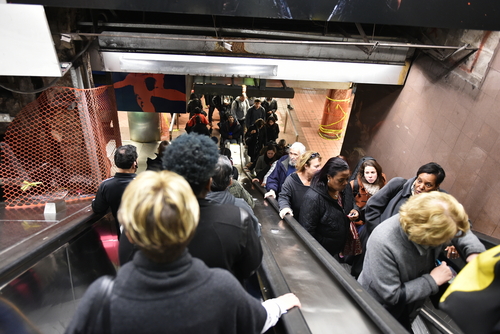
In most of the country, escalators are a free-for-all. In New York City, standing on the right side changes everything. The left side is an unspoken express lane for people in a hurry. Block it, and you’ll feel the city’s impatience instantly.
This tiny bit of etiquette makes the subway flow like a choreographed dance. Commuters glide past, connections are made, and no one breaks stride. It’s a small rule that keeps millions of daily rides efficient. Follow it, and you move like a local instead of a tourist.
2. Boston — Mind the “T” Doors
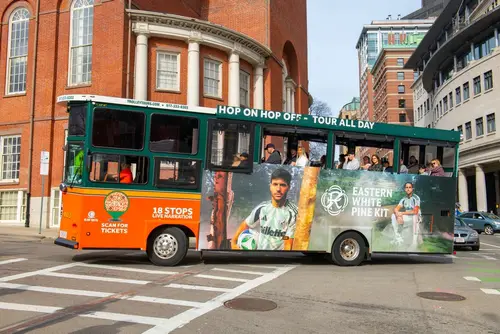
Boston’s subway, the Massachusetts Bay Transportation Authority, has older stations where doors don’t always open automatically. Riders often press buttons or move to specific cars where conductors operate doors manually. If you don’t notice this detail, you might stand there awkwardly while everyone else exits smoothly.
Once you know what to look for, the whole system feels easier to navigate. Locals position themselves strategically on the platform. Trains empty and fill quickly because people know the rhythm. It’s a small operational quirk that rewards awareness.
3. Chicago — The Pedway Below
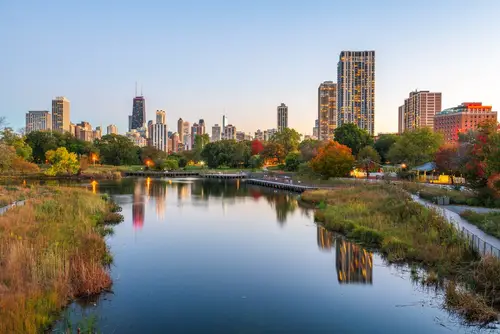
Downtown Chicago has an underground network called the Chicago Pedway. On the surface, winter winds off Lake Michigan can feel brutal. Step below ground, and your commute becomes warmer, calmer, and surprisingly convenient.
That one decision—stairs down instead of pushing forward—changes your entire experience. You’ll find shops, food courts, and tunnels linking major buildings. Office workers glide through comfortably while visitors shiver above. Knowing it exists feels like unlocking a secret level of the city.
4. San Francisco — Cable Car Turnarounds
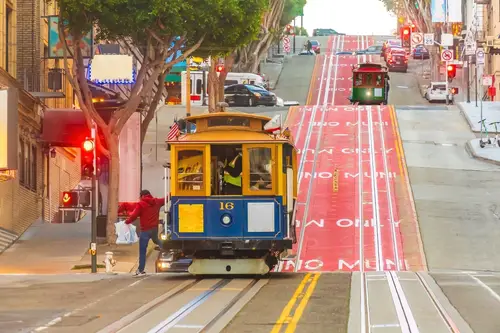
At the ends of the line, San Francisco’s iconic San Francisco Cable Cars are turned manually on giant wooden turntables. Watching the crew spin the car by hand is unexpectedly fascinating. Most riders rush to board, but pausing here changes the moment entirely.
You suddenly appreciate the engineering and history behind the ride. It feels less like transportation and more like living heritage. The city slows down for a few minutes of choreography and teamwork. Stay to watch, and you’ll remember the turnaround as much as the trip.
5. New Orleans — Go-Cups Are Legal

In New Orleans, you can legally carry alcoholic drinks outside in plastic containers. That detail transforms how people experience neighborhoods like the French Quarter. The streets feel more like a continuous festival than a series of indoor stops.
Music spills out of doorways, and conversations drift from bar to sidewalk. You’re not rushing to finish a drink before leaving. Instead, the city feels fluid and social, built for wandering. That one rule creates an atmosphere unlike anywhere else in the U.S.
6. Las Vegas — Casinos Have No Clocks
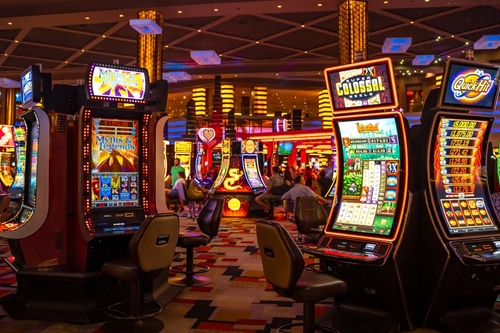
Step inside major resorts along the Las Vegas Strip and you’ll notice something missing. There are almost no clocks or windows on casino floors. Without natural light or time cues, your sense of time shifts quickly.
Hours blur into one long, bright moment. You play longer, explore more, and lose track of schedules. The environment is intentionally immersive and disorienting. That subtle design choice reshapes your entire visit.
7. Philadelphia — Stand Right on Escalators
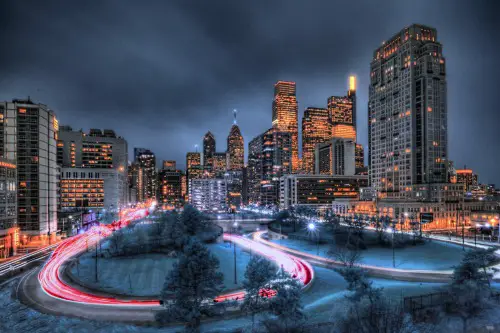
Philadelphia shares a similar escalator etiquette with other Northeast cities. On busy transit escalators, people stand to the right and walk on the left. Ignore it, and you’ll disrupt the commuter flow fast.
Follow it, and movement feels smooth and cooperative. Stations clear faster during rush hour. People weave past each other with minimal friction. A simple positioning habit keeps the system efficient.
8. Washington — Metro Escalator Rule
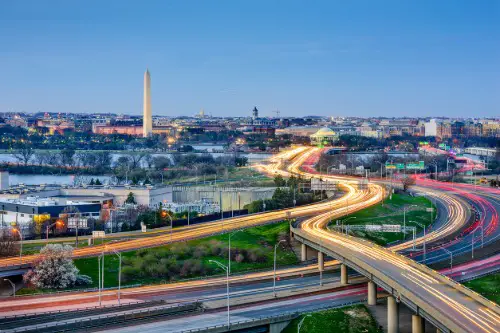
In Washington, D.C., the Washington Metropolitan Area Transit Authority enforces a strong escalator norm. Riders stand on the right and leave the left side open for walkers. During peak hours, this small behavior keeps massive stations moving.
The system feels orderly compared to many cities. Lines form neatly and foot traffic rarely jams. Visitors who follow the rule blend in immediately. One side-step decision changes the whole commute vibe.
9. Seattle — Ferry Boarding by Vehicle Order
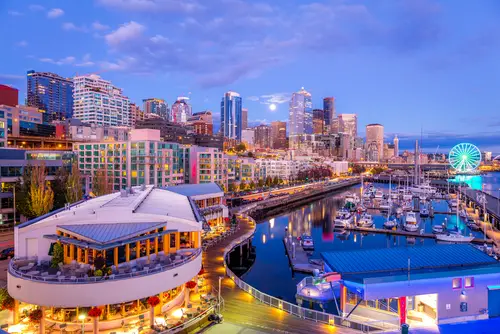
Washington State Ferries load vehicles in a very specific sequence. Your boarding position depends on when you arrive and lane assignments. Miss that detail, and you may wait much longer than expected.
Arrive early and line up correctly, and the process feels seamless. Cars roll on and off with near-military precision. The choreography keeps tight sailing schedules intact. Timing and placement make all the difference.
10. Los Angeles — Left Turns on Red (Sometimes)
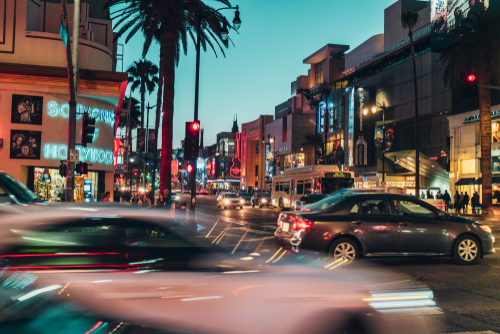
In Los Angeles, certain intersections allow left turns on red from a one-way street onto another one-way street. Drivers unfamiliar with this California rule often sit through unnecessary light cycles. Knowing the exception keeps traffic moving more smoothly.
It feels strange at first, but locals treat it as normal. Traffic flow improves in dense downtown grids. One legal nuance saves time and reduces congestion. Understanding it makes you drive like you belong.
11. Miami — Hurricane Shutters Everywhere
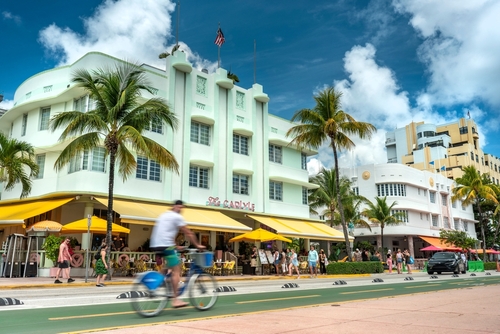
In Miami, many homes and condos have permanent hurricane shutters or impact windows. That architectural detail signals how seriously storm season is taken. Visitors quickly realize weather preparedness is built into daily life.
When a storm approaches, the city transforms with practiced efficiency. Windows seal, supplies appear, and plans activate fast. What looks like ordinary hardware becomes essential infrastructure. One design feature reflects an entire coastal mindset.
This post American Locations Where One Detail Changes Everything was first published on American Charm.

