
1. Salton Sea
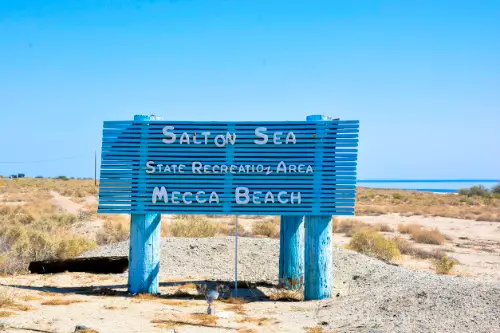
Once a mid-century playground, this accidental lake drew Hollywood names, speedboat races, and packed beach resorts. Families came for fishing derbies, waterski shows, and sunbathing weekends that felt like a desert Riviera. Marinas buzzed, motels filled, and souvenir shops did steady business all season. It genuinely felt like the next Palm Springs by the water.
Today, receding shorelines and rising salinity have left quiet beaches and shuttered properties behind. Fish die-offs and dust from exposed lakebed changed the vibe from festive to eerie. You can still visit, but you’re more likely to hear wind than laughter. It’s included here because few places show such a dramatic boom-and-bust arc so visibly.
2. Centralia
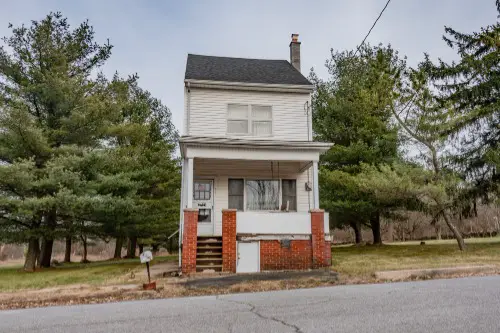
This coal town was once a tight-knit community with busy streets, churches, and neighborhood ballgames. Generations worked local mines and built lives around them. Main Street had diners, shops, and the kind of everyday bustle small towns know well. It felt permanent, grounded, and proud.
An underground mine fire ignited in 1962 and never stopped burning. Over time, hazardous gases and sinkholes forced nearly everyone to relocate. Most buildings were demolished, leaving empty roads and a handful of residents. It belongs on this list because it’s a rare case where a town’s quiet came from a disaster beneath your feet.
3. Bodie State Historic Park
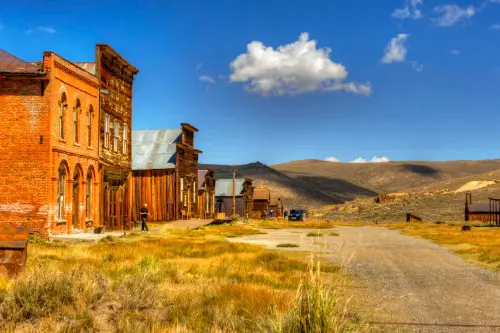
Bodie boomed during the Gold Rush, swelling into a lively mining town with thousands of residents. Saloons, hotels, and businesses kept the streets loud late into the night. Fortunes were made quickly, and the town grew just as fast. For a time, it was one of the West’s rowdiest hotspots.
When the gold thinned out, people drifted away and buildings froze in time. Now it’s preserved in “arrested decay,” with dusty interiors and creaking boardwalks. Visitors wander quietly through homes that look suddenly abandoned. It earns its place here because the silence feels like someone pressed pause on history.
4. Old Cahawba Archaeological Park
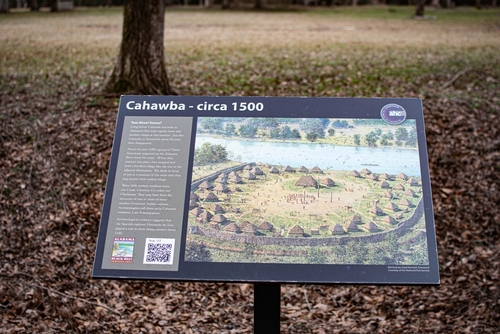
Old Cahawba was Alabama’s first state capital and a thriving river town. Steamboats docked regularly, and commerce flowed through busy streets. Elegant homes and public buildings reflected real political and economic energy. It was a center of attention in its early years.
Flooding and shifting trade routes slowly emptied the town. Today, ruins and foundations sit among trees and walking trails. Interpretive signs replace storefront chatter, and birdsong fills the gaps. It’s here because nature and economics quietly rewrote the town’s fate.
5. Kennecott Mines National Historic Landmark
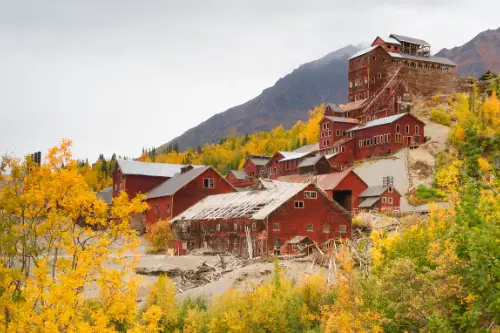
Kennecott once pulsed with industrial life high in the Alaskan wilderness. Workers extracted massive amounts of copper that helped power early 20th-century growth. Trains hauled ore, machinery clanked, and the company town stayed busy year-round. It was remote but relentlessly active.
When the copper ran out, operations stopped and people left. The giant red mill buildings now stand silent against mountain backdrops. Tourists come for history and photos rather than paychecks. It’s included because few abandoned industrial sites look this monumental and this still.
6. Bombay Beach
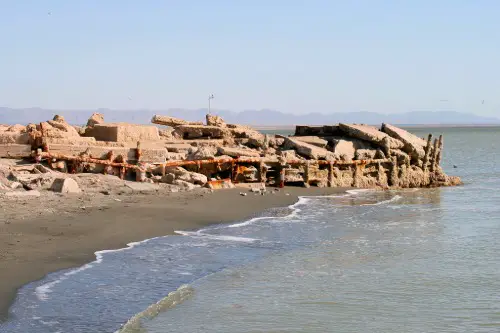
Bombay Beach began as a lively resort community on the Salton Sea’s eastern shore. Vacation homes, beachgoers, and retirees filled the small desert town. Artists and anglers mingled in what felt like an offbeat oasis. It had a quirky charm with real foot traffic.
As the sea declined, many residents moved and businesses closed. Art installations and a small creative scene remain, but it’s undeniably sparse. Long, quiet roads replace the old resort bustle. It makes the list because it captures a community trying to adapt after its main draw faded.
7. Cairo
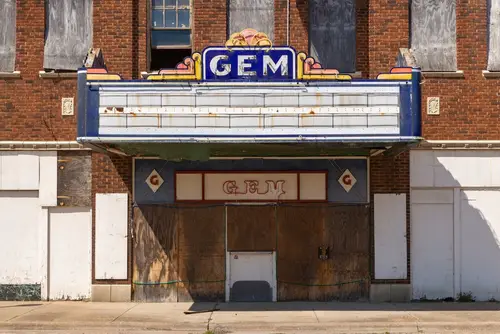
Situated at the confluence of the Mississippi and Ohio Rivers, Cairo was once a strategic river hub. Steamboats, railroads, and trade made it hum with opportunity. Grand buildings and busy neighborhoods reflected that prosperity. It felt like a gateway city with momentum.
Economic shifts and population loss changed the trajectory. Many historic structures now sit vacant, and whole blocks feel still. The scale of decline is visible in the architecture left behind. It’s included because it’s a striking example of a once-important city growing unusually quiet.
8. Gary
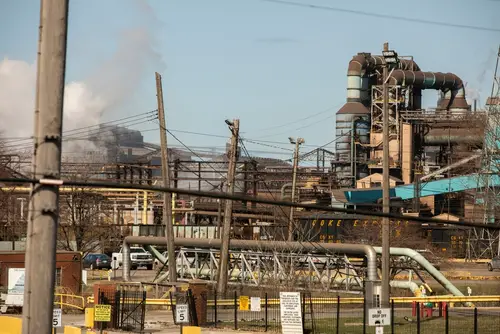
Gary rose alongside America’s steel industry and filled quickly with workers and families. Neighborhoods, schools, and downtown corridors stayed active for decades. The city’s identity was tied to industrial strength and steady jobs. It felt busy, proud, and built to last.
As steel production shrank, population declined and vacancies increased. Some areas now have long stretches of empty homes and quiet streets. Community efforts continue, but the contrast with its peak is stark. It belongs here because industrial change left an audible hush in parts of the city.
9. Times Beach
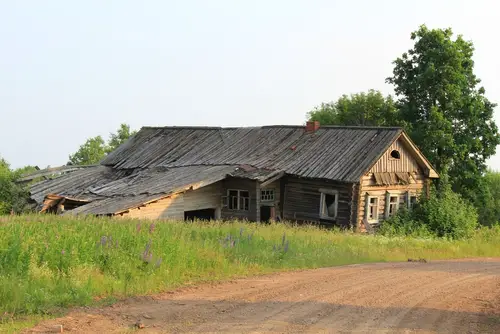
Times Beach was a small Route 66 town where families lived ordinary lives. Kids rode bikes, neighbors chatted, and local businesses served regulars. It wasn’t flashy, just comfortably full. The Meramec River nearby shaped daily routines.
In the 1980s, dioxin contamination led to a full federal buyout and evacuation. Buildings were cleared, and the land later became a state park. Visitors now come for trails instead of town life. It’s here because environmental disaster turned a community into open, quiet green space.
10. Picher
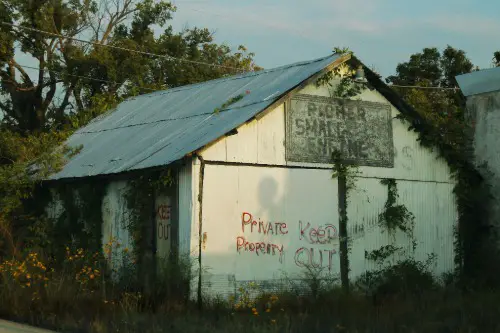
Picher thrived on lead and zinc mining, with busy schools and packed neighborhoods. Chat piles—huge mounds of mining waste—loomed as symbols of prosperity. Paychecks were steady, and the town felt industrious. People built routines around the mines.
Health hazards and environmental damage prompted a federal relocation. A devastating tornado accelerated departures, and the town was largely abandoned. Empty streets and remaining structures tell a hard story. It earns its spot because few places show extraction’s aftershocks so plainly.
11. Glenrio
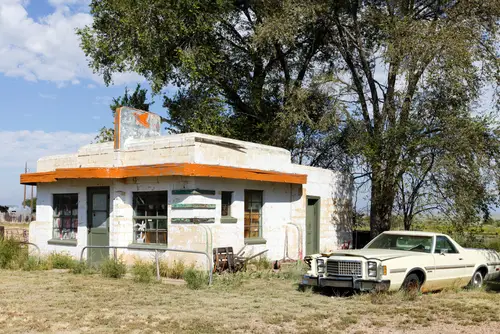
Glenrio once welcomed Route 66 travelers at the New Mexico–Texas line. Gas stations, diners, and motels catered to cross-country road trippers. Neon signs and roadside kitsch made it lively at night. It was a classic stop on America’s most famous highway.
Interstate rerouting drained the traffic that sustained it. Businesses closed, and buildings slowly weathered in place. Today it’s quiet, photogenic, and wind-swept. It’s included because highway history is written in the silence of towns like this.
12. Rhyolite
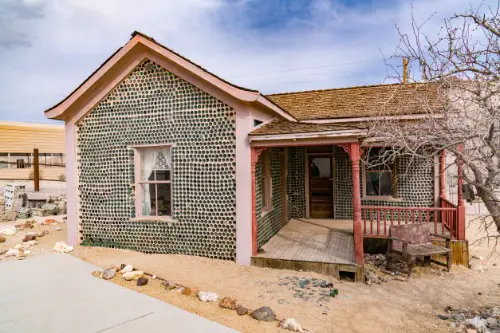
Rhyolite exploded during a gold rush, sprouting banks, an opera house, and elegant hotels. Investors poured in, and the population surged almost overnight. The desert town felt improbably sophisticated for its setting. Optimism was everywhere you looked.
When the ore played out, people moved on just as quickly. Roofless stone buildings and art installations now dot the landscape. Footsteps echo where crowds once gathered. It belongs here because the remains are dramatic and unmistakably still.
13. Six Flags New Orleans
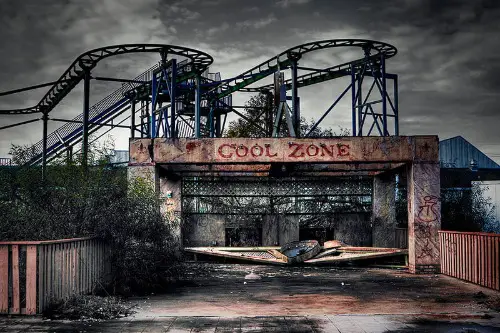
This theme park opened to big crowds, roller-coaster screams, and summer vacation lines. Families packed the midway, and bright rides dominated the skyline. It was designed for noise, motion, and nonstop fun. For a few seasons, it delivered exactly that.
Hurricane Katrina flooded the park in 2005, and it never reopened. Rusting rides and overgrown paths now sit behind locked gates. The silence feels surreal for a place built on excitement. It’s included because abandonment here is sudden, visible, and unforgettable.
14. North Brother Island
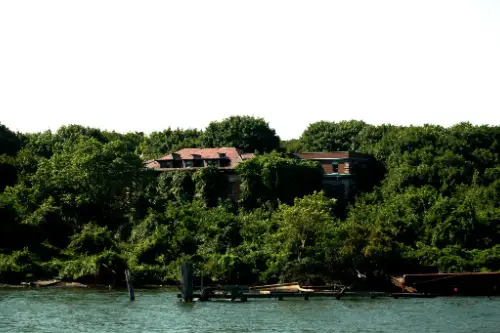
This small island once housed hospitals and quarantine facilities serving New York City. Staff, patients, and support crews kept it active around the clock. Its buildings played roles in public health and maritime history. It was busy with serious purpose.
Facilities closed decades ago, and the island is now restricted and largely reclaimed by nature. Crumbling structures peek through thick vegetation and nesting bird habitats. Boats pass by, but few people ever set foot there. It makes the list because it’s a rare, near-forgotten quiet zone within America’s largest city.
This post These American Places Used to Be Full — Now They’re Unusually Quiet was first published on American Charm.

