
1) The red rocks really are that red
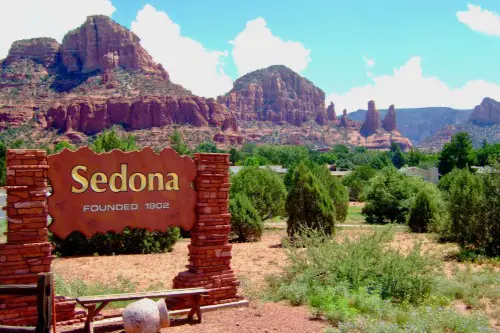
First-time visitors are usually stunned by how intensely the sandstone glows in person around Sedona. Photos make it look saturated, but sunrise and sunset light turns the cliffs into deep oranges and crimsons. The color comes from iron oxide in the rock, essentially natural rust baked into stone. It’s not a filter effect, and the vibrancy changes minute by minute with the sun angle.
That shifting light creates a living landscape you can’t fully capture on a phone. Shadows carve new shapes across the buttes as the day moves along. Even familiar formations look different from one overlook to the next. Many visitors end up planning their days around golden hour without meaning to.
2) The rock formations feel bigger than expected
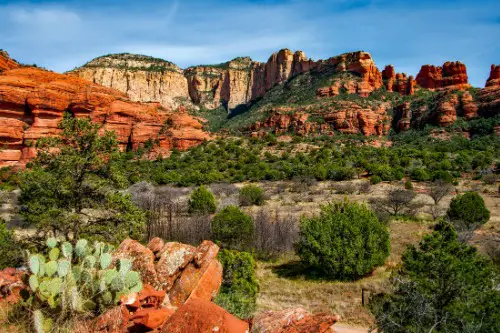
Landmarks like Cathedral Rock and Bell Rock look impressive online, but their scale hits differently in person. You don’t just see them; you feel dwarfed standing at the base. Trails that look short on a map can take longer because you stop constantly to look up. The vertical faces and sweeping domes make your sense of distance a little unreliable.
The terrain also hides elevation changes that sneak up on you. Gentle-looking paths often tilt steadily uphill. Wide-angle photos flatten the slopes, so your legs get a surprise. Comfortable shoes suddenly feel like the smartest thing you packed.
3) It’s cooler than you think, even in Arizona
People expect desert heat year-round, but Sedona sits around 4,300 feet in elevation. Mornings and evenings can be genuinely chilly, especially outside summer. Winter sometimes brings frost and occasional snow dustings on the red rocks. Layering becomes essential instead of optional.
The dry air also makes temperature swings feel sharper. Shade cools you fast, while direct sun warms you quickly. A light jacket in your daypack saves a lot of discomfort. Visitors are often glad they checked the forecast twice.
4) The spiritual vibe is everywhere
Sedona’s reputation for energy vortexes isn’t just a niche interest. You’ll see meditation groups, crystal shops, and guided intention-setting hikes across town. Some travelers come purely for hiking and still notice the reflective, wellness-forward atmosphere. It gives the destination a distinct personality compared to other outdoor hubs.
Spots like Chapel of the Holy Cross blend architecture and setting in a way that feels quietly contemplative. Built into the red rocks, the chapel frames sweeping desert views through tall windows. Visitors often speak in softer voices without being asked. Whether you’re spiritual or not, the mood is palpable.
5) Traffic can rival big tourist cities

Sedona’s road network is compact, and peak seasons bring serious congestion. A short drive across town can stretch much longer around midday. Roundabouts keep cars moving, but volume still builds quickly. Parking at popular trailheads fills earlier than many expect.
Planning around off-peak hours makes a noticeable difference. Early starts mean easier parking and cooler hiking temps. Shuttle services run on busy routes, which many first-timers don’t anticipate needing. A little logistics planning protects your relaxation time.
6) The night sky is shockingly clear
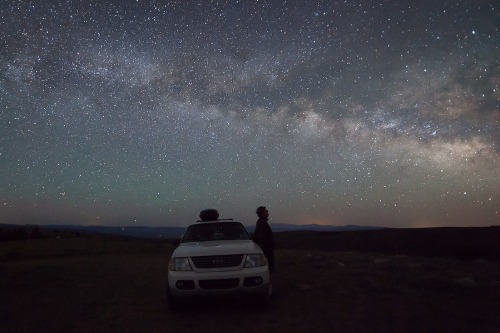
Sedona is designated by the International Dark-Sky Association as a Dark Sky Community. That means strict outdoor lighting rules help preserve visibility of stars. On clear nights, the Milky Way becomes visible to the naked eye. It’s a dramatic contrast to light-polluted metro areas.
You don’t need fancy gear to enjoy it. A short walk away from streetlights is often enough. Stargazing tours add telescopes and astronomy guides if you want depth. Many visitors end up lingering outside far later than planned.
7) Water is a bigger part of the landscape than expected
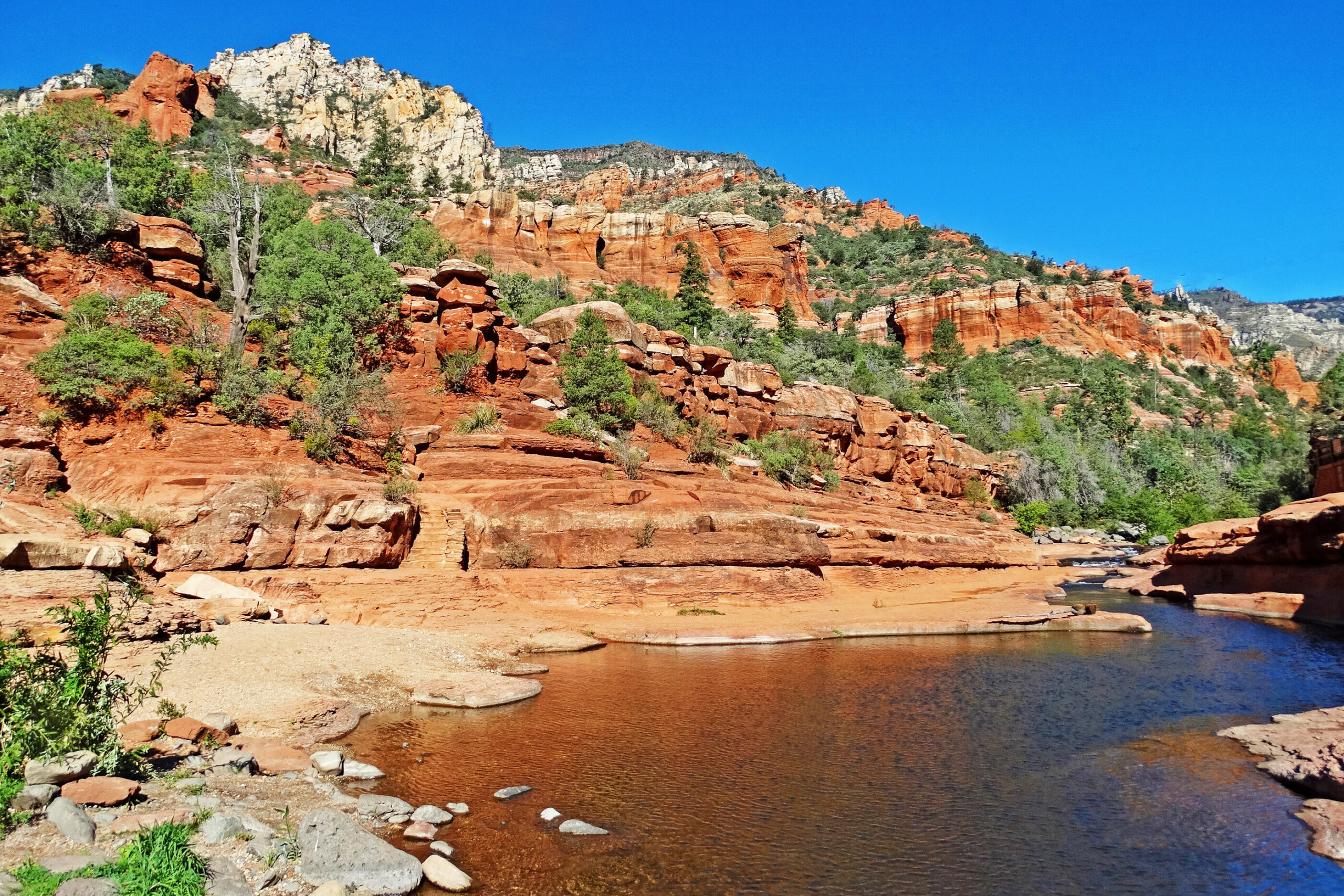
Desert doesn’t usually make people think of creeks and swimming holes. But Oak Creek winds through the area, lined with trees and shaded banks. The sound of flowing water adds a calming backdrop to hikes. It softens the rugged scenery with pockets of green.
Places like Slide Rock State Park turn the creek into a natural playground. Smooth rock chutes create a slick-water slide effect in warmer months. Families wade, picnic, and cool off between hikes. It’s a refreshing counterpoint to dusty trails.
8) The arts scene is genuinely strong
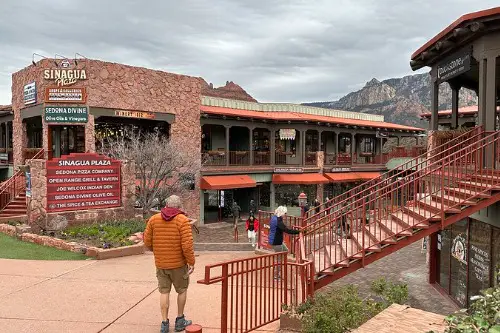
Sedona isn’t just souvenir shops and postcards. The town has a long-standing arts community with working studios and curated galleries. You’ll find everything from bronze sculpture to contemporary Southwestern painting. Browsing feels more like a cultural stop than a retail errand.
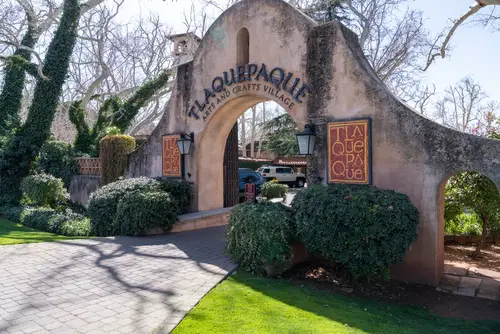
Areas like Tlaquepaque Arts & Shopping Village make wandering easy and atmospheric. Cobblestone paths and stucco arches create a village feel. Many artists host live demonstrations or talks. Even non-collectors get pulled in by the creativity.
9) Wine country is right next door
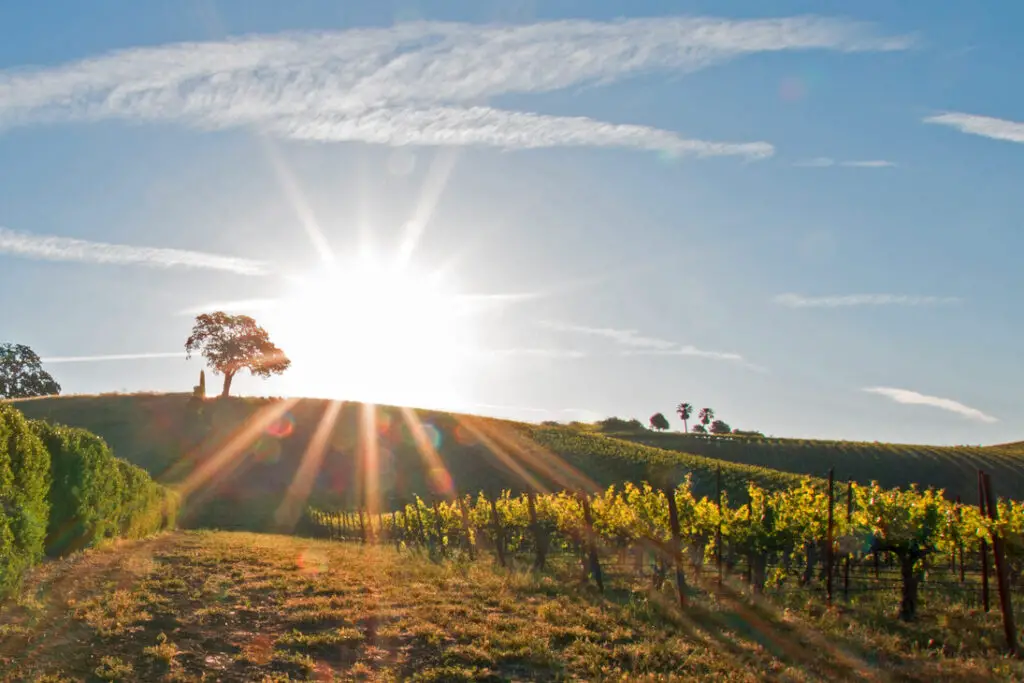
Many travelers don’t associate Arizona with wine. Yet the nearby Verde Valley Wine Trail links multiple tasting rooms and vineyards. The high-desert climate supports varietals like Syrah and Viognier. It’s an easy add-on to a hiking-focused itinerary.
Tasting rooms range from rustic to modern. Staff often pour locally made bottles you won’t find in big stores. The experience feels relaxed rather than formal. It surprises visitors who expected only outdoor adventure.
10) The hiking ranges from easy strolls to real scrambles
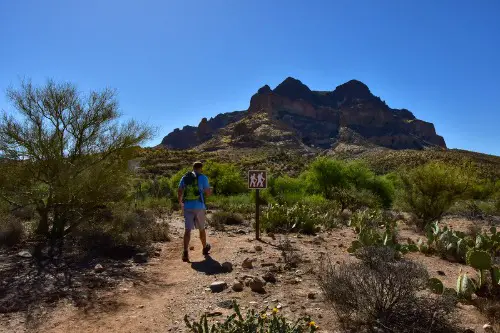
Sedona welcomes casual walkers and serious trekkers alike. Some trails are flat, scenic loops suitable for most fitness levels. Others involve steep climbs and hands-on rock scrambling. The variety catches people off guard in a good way.
Protected areas like Red Rock State Park offer well-marked, educational trails. Meanwhile, routes on Coconino National Forest land can feel wilder and more rugged. Signage and conditions vary between managing agencies. Checking trail details ahead of time really pays off.
11) Sun protection matters more than you expect

The high elevation increases UV exposure compared to lower desert cities. You can burn faster even when temperatures feel mild. Dry air also masks how much you’re sweating. Hydration and sunscreen become non-negotiable.
Wide-brim hats and sunglasses quickly go from fashion to function. Shade is limited on many exposed trails. Reapplying sunscreen becomes part of the routine. Visitors often wish they’d packed more water than they thought necessary.
This post What Surprises First-Time Visitors Most About Sedona was first published on American Charm.

